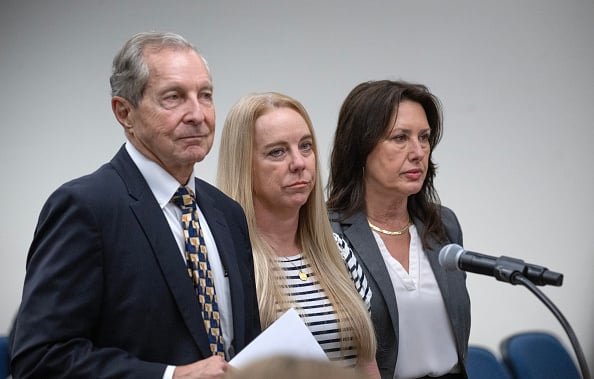
A California mother accused of allowing her teenage son to illegally ride a high-powered electric motorcycle has now made her first appearance in criminal court.
Tommi Jo Mejer, 50, of Aliso Viejo, is facing multiple criminal charges tied to the fatal crash after prosecutors say her 14-year-old son struck and fatally injured 81-year-old Ed Ashman, a Vietnam veteran and substitute teacher in Lake Forest, California.
According to the Mercury News, Mejer appeared Tuesday, May 12, at Harbor Justice Center in Newport Beach but did not enter a plea, with her arraignment continued until June 30.
Prosecutors allege the teen was performing wheelies on the electric motorcycle before striking Ashman as he walked home from El Toro High School. Investigators say the teen left the scene before later being identified by witnesses, while prosecutors later accused Mejer of lying about whether the family had access to the vehicle.
Update 5/17/26: This article has been updated with new details from Tommi Jo Mejer’s first court appearance, including statements from defense attorneys and additional courtroom reporting.
Defense Attorneys Say Mother Is “Anguished”
According to the Mercury News, Mejer’s attorney, Paul S. Meyer, gave a statement to reporters after the hearing saying it was premature to speak in detail about the allegations.
“Tommi Mejer is anguished over the terrible accident,” the attorney said in the statement, according to the outlet. “She sends her deepest condolences and sorrow over this tragedy. This has been tragic for everyone.”
Several members of Ashman’s family reportedly attended the hearing but declined to speak afterward.
Investigators Say Warnings Were Given Before Crash
Prosecutors say Mejer had already been warned that her son was illegally riding the high-powered electric motorcycle and that she could face criminal consequences if it continued.
During a 2025 interaction with deputies, investigators say Mejer acknowledged buying the bike for her son and knowing he rode it recklessly. The Orange County District Attorney’s Office later described those warnings as central to the case.
Authorities allege Mejer’s 14-year-old son was riding near Toledo Way and Ridge Route Drive on April 16 when he struck Ed Ashman, a Vietnam veteran and substitute teacher, walking home from El Toro High School. Investigators say the teen later left the area before being identified by witnesses and taken into custody. Ashman later died from his injuries.
Prosecutors also allege inconsistencies in statements given to investigators after the crash regarding access to the electric motorcycle.
She now faces multiple felony and misdemeanor charges connected to the crash and its aftermath, including allegations tied to child endangerment and misleading investigators. If convicted on all charges, Mejer faces up to seven years and eight months in state prison.
The juvenile’s name has not been released due to California law governing minors.
Why Prosecutors Say This Was Not a Typical “E-Bike”

The vehicle has been identified as a 2025 Surron Ultra Bee, a high-powered electric motorcycle capable of speeds approaching 60 mph. Prosecutors say it requires a motorcycle license, insurance, registration, and a license plate to legally operate on California public roads.
In practical terms, the vehicle allegedly involved here has far more in common with a lightweight dirt bike than a typical pedal-assist e-bike. The Ultra Bee reportedly produces roughly 12.5 kilowatts of power and weighs nearly 200 pounds, placing it far outside California’s legal definition of an electric bicycle.
With rapid acceleration and motorcycle-like performance, vehicles in this category are much closer to compact dirt bikes than neighborhood e-bikes. Electric motorcycles can also approach much more quietly than gas-powered dirt bikes, potentially giving pedestrians less warning when one is approaching.
A Community Figure Remembered
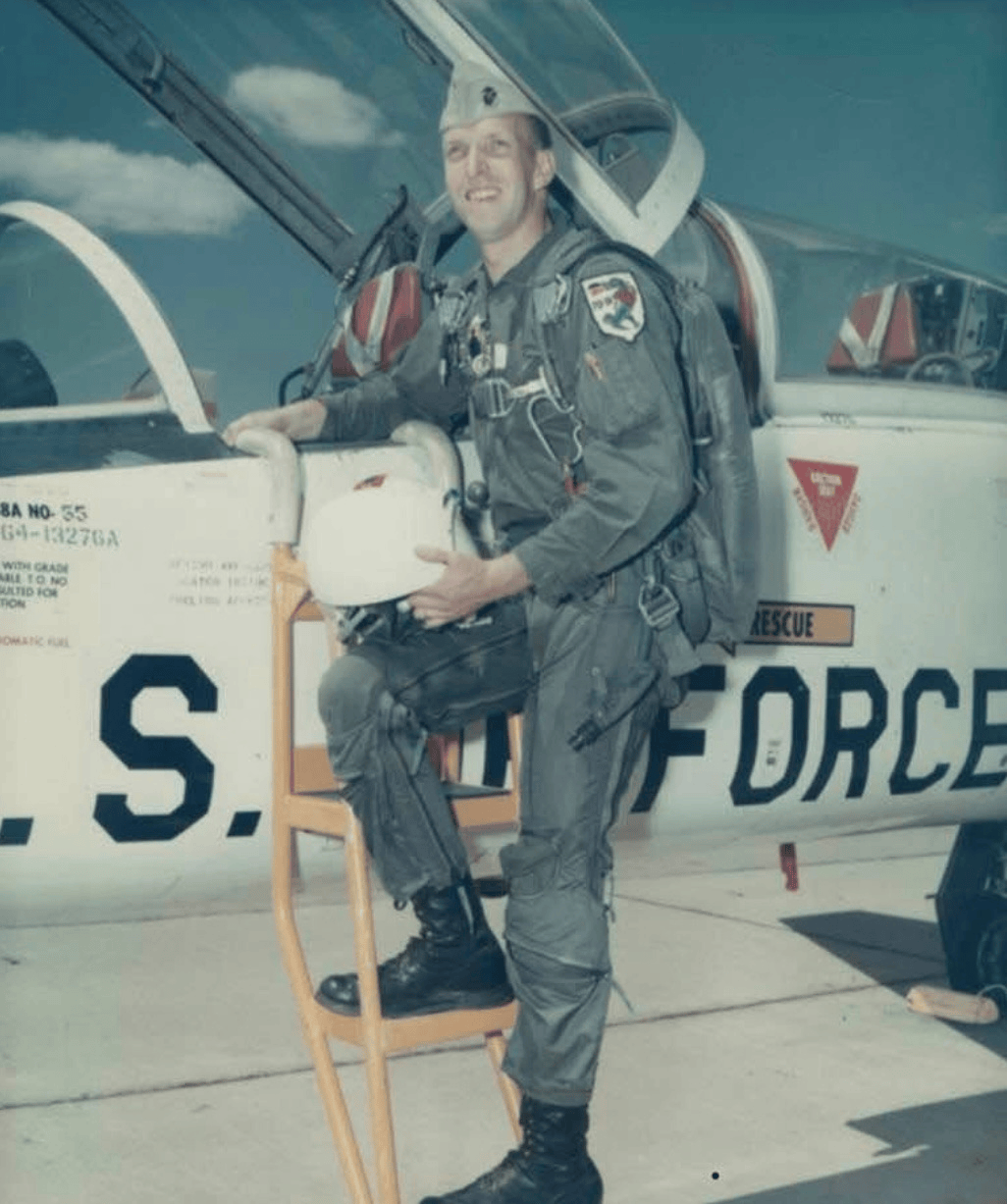
Ashman was a Vietnam veteran, a longtime educator, and a familiar presence to students at El Toro High School.
A GoFundMe created in his name describes him as a “fighter,” highlighting both his military service and his years mentoring students after retirement.
He is remembered as a devoted husband, father of three, and grandfather.
Parents Facing Charges in Similar Cases
The Orange County District Attorney’s Office has filed charges against three parents since January for allowing children to illegally ride e-motorcycles, according to the Mercury News.
District Attorney Todd Spitzer has repeatedly warned that parents who allow children to ride these vehicles illegally could face criminal consequences when someone gets hurt.
The case is one of the highest-profile examples yet of Orange County’s crackdown on illegal e-motorcycle use by minors.