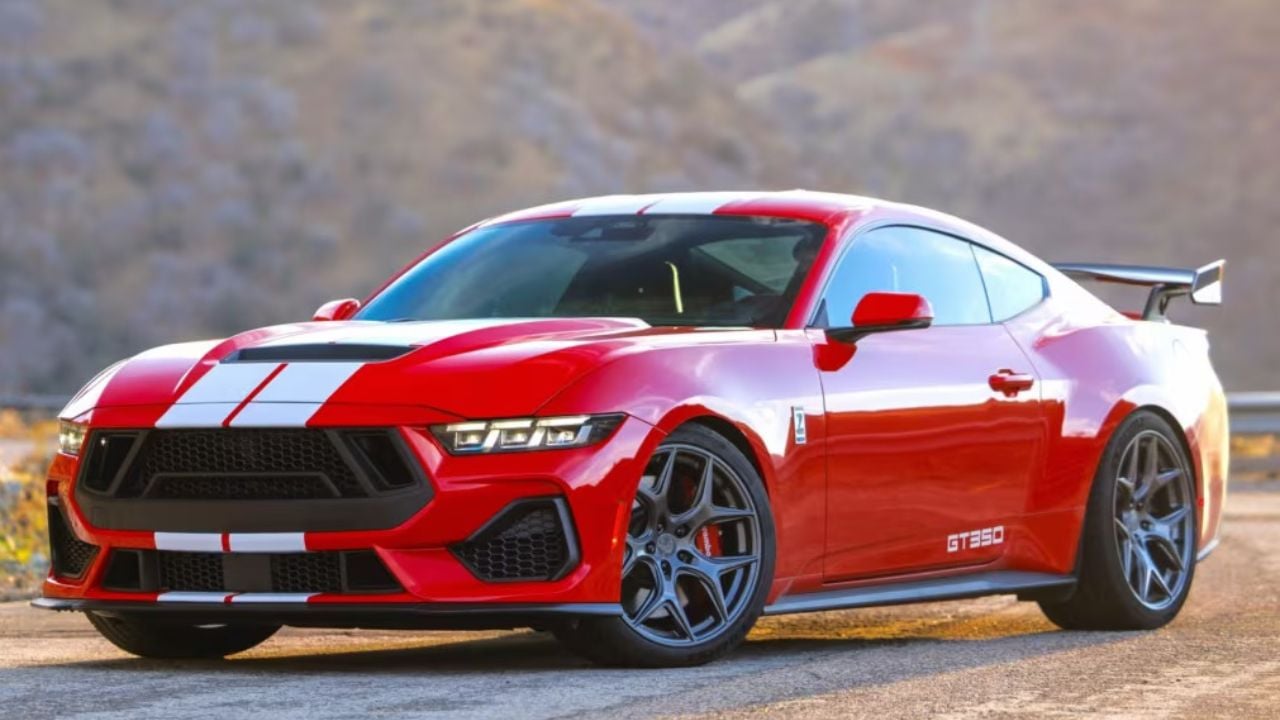
The arrival of the latest Ford Mustang generation brought greater change than a routine update to styling and technology. It also brought a shift in philosophy.
At the center of that shift is the Dark Horse and now its more extreme evolution, the Dark Horse SC. In terms of output and character, it effectively occupies the space once held by the Shelby GT500, but without the name that carried so much weight for decades.
In Dearborn, Ford decided to make a clean break. Instead of leaning on the Shelby legacy, Ford’s engineers and marketing team wanted to emphasize the company’s own performance identity.
Their explanation is straightforward. The Dark Horse SC is presented as a product of the Ford Racing philosophy, directly tied to the company’s factory motorsport programs, including its wider racing ambitions and Formula 1 involvement.
Why Ford Moved Away From Shelby
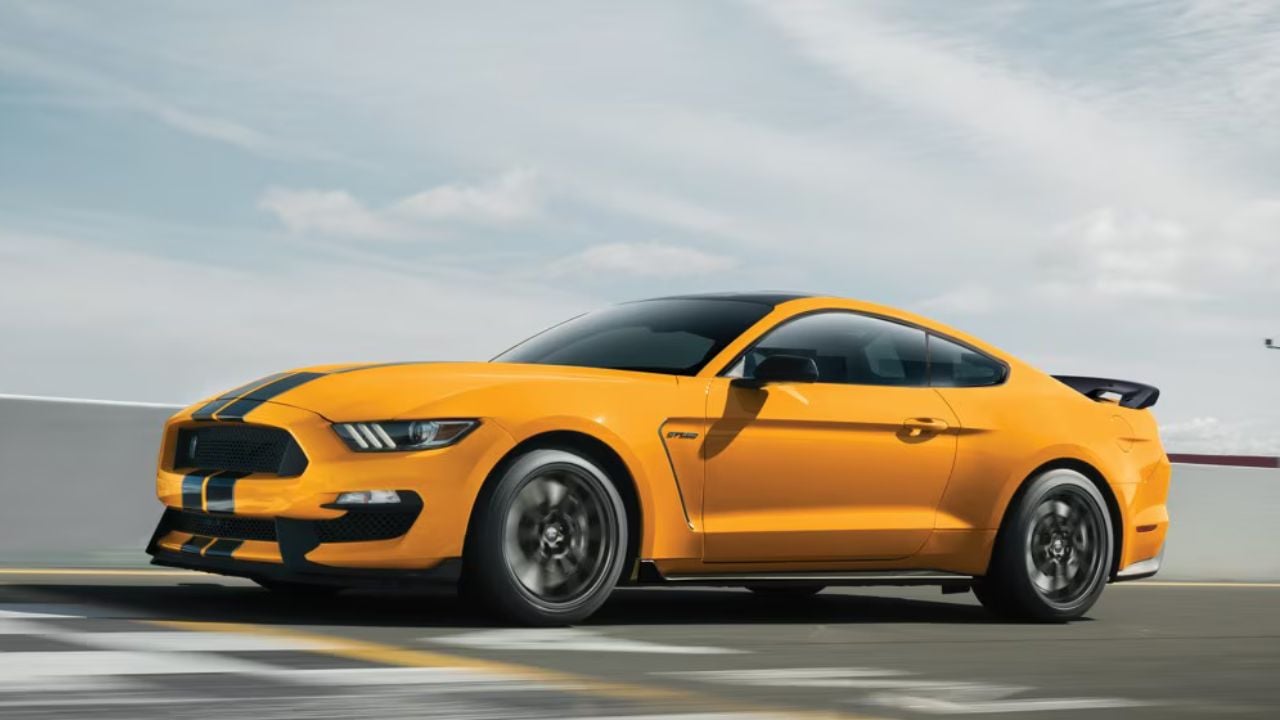
Ford’s decision is not only about image and identity. Behind the strategy sits a very practical financial calculation.
Internal sources suggest that Ford had been paying about $800 in licensing fees for every Mustang sold with a Shelby badge. Once production numbers are considered, it becomes clear why the company started to rethink the arrangement.
During the previous generation, Shelby GT350 and GT350R production reached a combined 24,211 units. That means nearly $20 million was paid just for the use of the name. Add the Shelby GT500, with 14,130 vehicles built, and the figure rises by another $11.3 million.
In total, the amount reaches roughly $30.6 million. Even for a company as large as Ford, that is not a figure to ignore lightly.
Dark Horse SC Creates A New Performance Identity
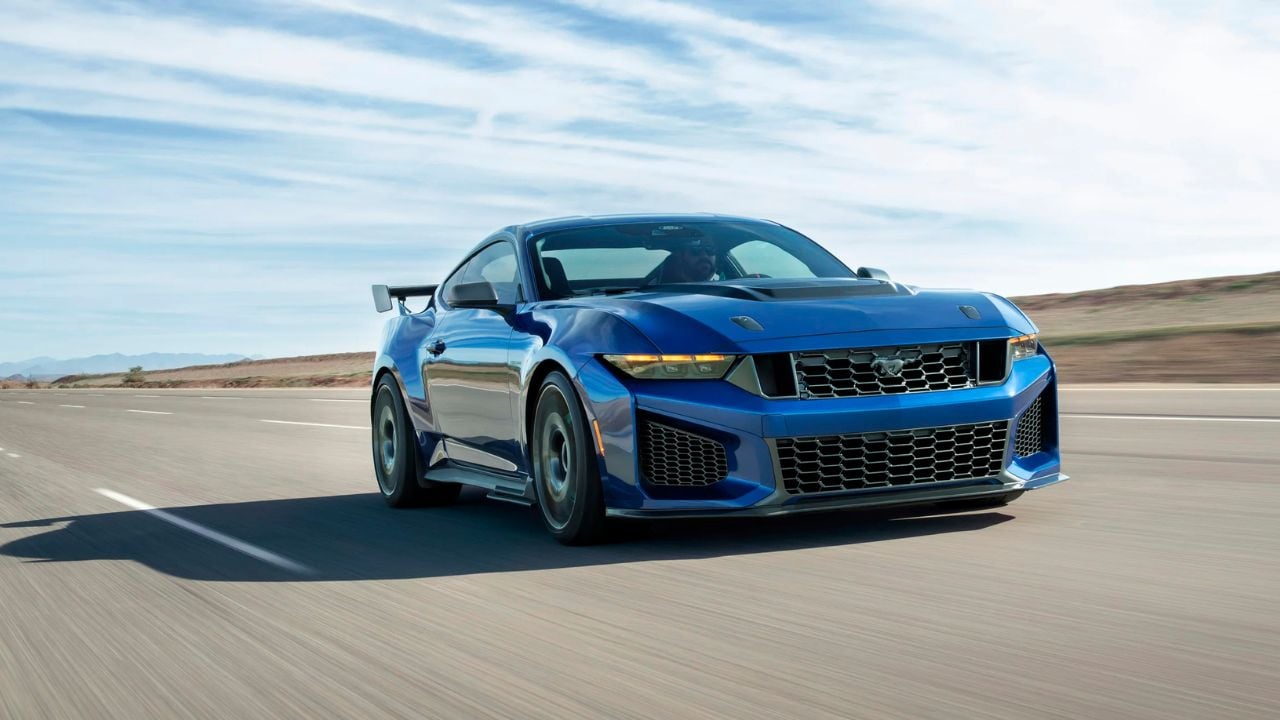
Seen from that angle, the Dark Horse SC looks like a logical move. With about 795 hp and a starting price of $103,490, the car is not trying to imitate the Shelby name. It is trying to build a new identity of its own.
That matters because Ford now controls the complete story, from development to branding. The car’s character can be tied directly to Ford Racing, rather than filtered through a historic outside name.
The Dark Horse SC also gives Ford room to define modern Mustang performance on its own terms. It can connect road cars, track programs, factory racing efforts, and future performance branding under one umbrella.
For buyers, the question becomes less about what badge the car wears and more about what it delivers. If the performance, sound, design, and emotional appeal are strong enough, the absence of the Shelby name may matter less than expected.
Shelby May Still Return One Day
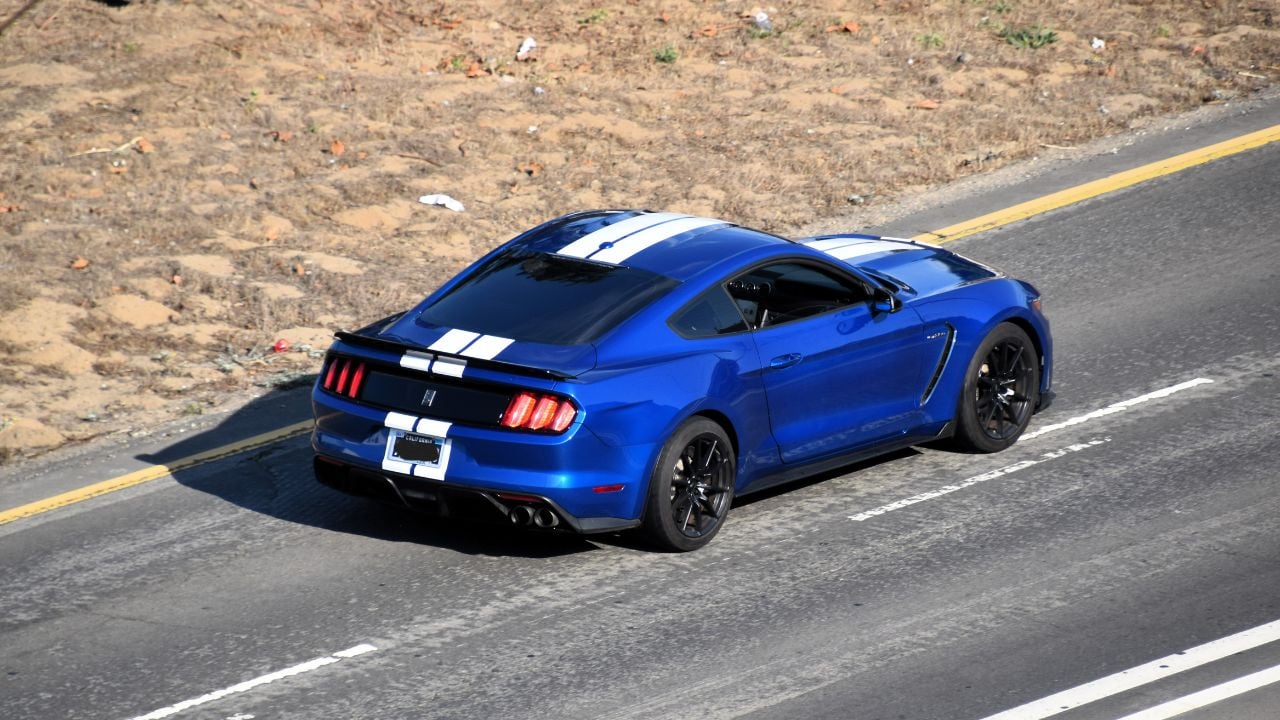
The story, however, is not finished. Shelby American is not closing the door on future cooperation.
Gary Patterson, president of the company, sees these changes as part of a cycle. He points out that Ford has changed direction before, moving from Shelby names to badges such as “Boss” or “Mach 1,” then returning to its roots when the market wanted that connection again.
Mustang history is full of those turns. From the original Boss 302 to the Mach 1 and Bullitt, each generation has had its own identity, its own moment, and its own loyal audience.
Shelby was one chapter in that story, although an extremely important one. Its power came from history, racing, Carroll Shelby’s legacy, and decades of emotional connection with Mustang fans.
A New Era For Mustang Performance
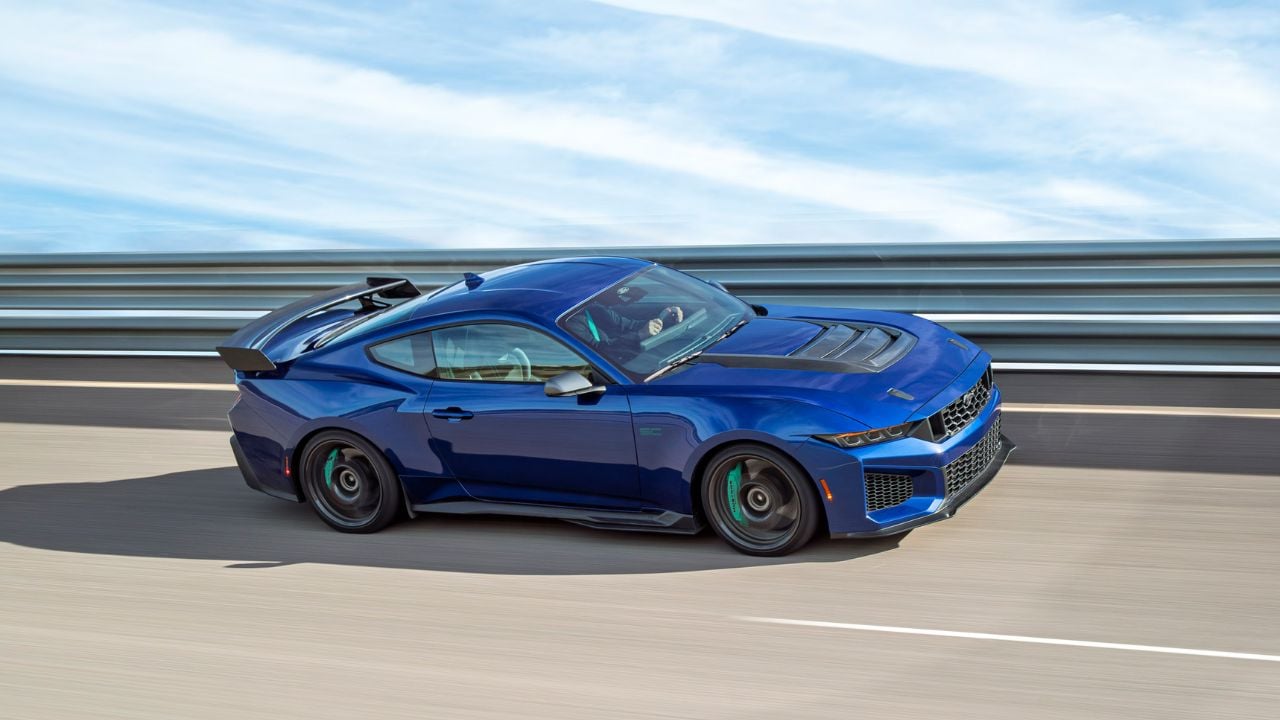
Today, as the Dark Horse SC takes its place on roads and tracks, the real question is not simply whether Shelby is missed. It is whether Ford has finally found a formula that gives it full independence.
If the Dark Horse name can build its own myth, Shelby may remain part of the past for now. Or, as has happened many times before, it may return when emotion and the market call for it again.
For Ford, the Dark Horse SC represents a statement of confidence. It shows that the company believes Mustang performance can stand on its own, powered by Ford’s own racing identity rather than a borrowed legend.
Because in the car world, legends rarely disappear for good. They simply wait for the right moment to return.
This article originally appeared on Autorepublika.com and has been republished with permission by Guessing Headlights. AI-assisted translation was used, followed by human editing and review.