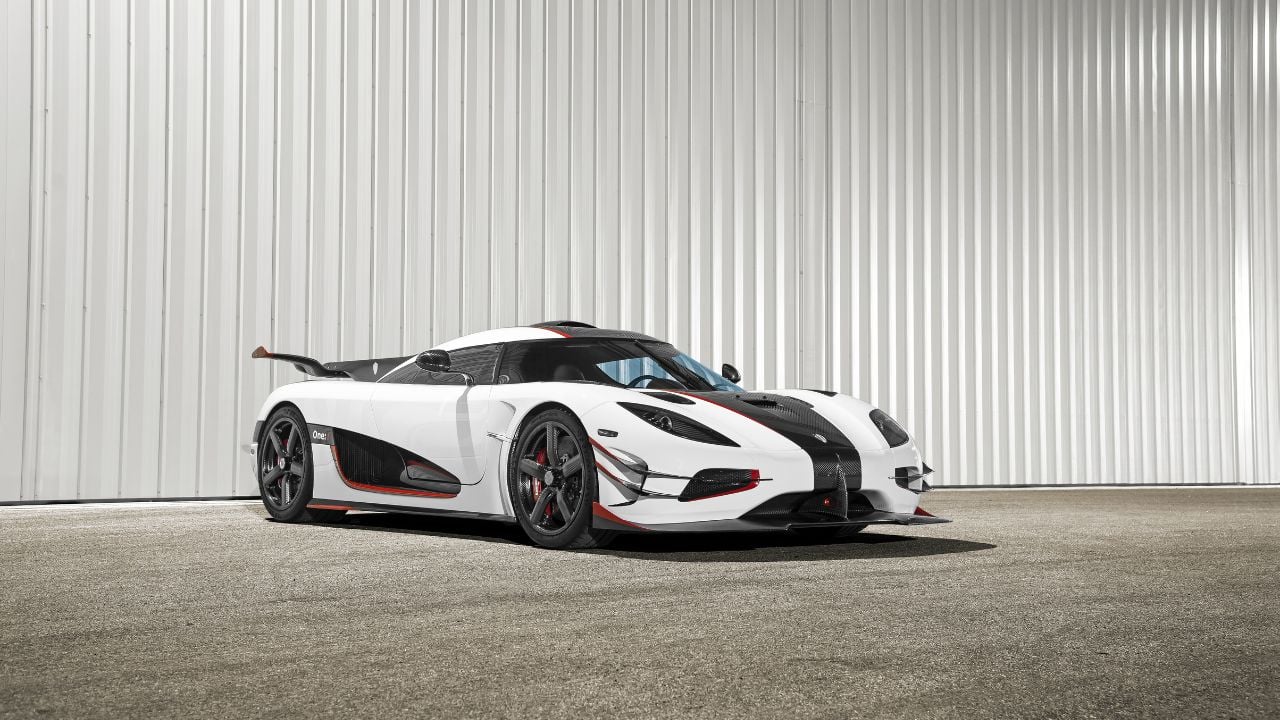
Koenigsegg has always treated speed as something deeper than a headline number. The company’s fastest cars are shaped by power, aerodynamics, gearing, tires, cooling, braking, and the confidence to prove what the engineering can really do.
That distinction matters with a brand like this. A projected top speed is not the same thing as a verified record, even when the hardware clearly points toward an extraordinary number. Koenigsegg’s history includes both: cars that have already proved their speed in public and cars engineered to push the next target even higher.
The fastest proven Koenigsegg remains the Agera RS, which averaged 277.87 mph over two runs in opposite directions on a closed public road in Nevada. The fastest Koenigsegg by design intent is the Jesko Absolut, a low-drag version created specifically to move beyond that territory.
That tension is what makes the brand’s speed story so interesting. Koenigsegg does not chase maximum velocity one way. It has used record-focused aerodynamics, extreme power-to-weight engineering, hybrid torque fill, and unconventional transmission thinking to attack the same question from different angles.
Verified Speed And Top-Speed Intent Are Different Things
Top speed sits at the center of the comparison, but not every number carries the same weight. A completed two-way record run belongs in a stronger factual category than a factory target, computer-supported projection, or widely repeated estimated maximum.
Factory specifications still matter. Power output, drag coefficient, gearing, curb weight, aero balance, and the car’s intended mission all help show whether a Koenigsegg was built for maximum velocity, brutal acceleration, or a broader grand-touring role.
Acceleration records sit in a supporting category. A car can be devastatingly quick without being the outright fastest in maximum velocity, but in Koenigsegg’s world the two ideas often overlap. The most important cars here combine top-speed intent with documented performance and a clear place in the company’s record-chasing story.
Koenigsegg Jesko Absolut

The Jesko Absolut sits above the rest by design intent, not by a completed public top-speed record. Koenigsegg created it with one clear mission: maximum velocity. Compared with the high-downforce Jesko Attack, the Absolut uses a cleaner low-drag body shaped for high-speed stability and long-distance aerodynamic efficiency.
Its 5.1-liter twin-turbo V8 produces up to 1,600 hp on E85, and the nine-speed Light Speed Transmission was developed to keep the engine in its strongest operating range with extraordinary speed. Koenigsegg also lists a drag coefficient of just 0.278, which explains the car’s cleaner profile and reduced aero drama compared with the track-focused Jesko.
The caution is essential: the Jesko Absolut’s ultimate top speed has not yet been verified in a public record run. Even so, it remains the Koenigsegg built most explicitly to move the brand beyond the Agera RS. In promise and purpose, this is the company’s most extreme top-speed machine.
Koenigsegg Agera RS
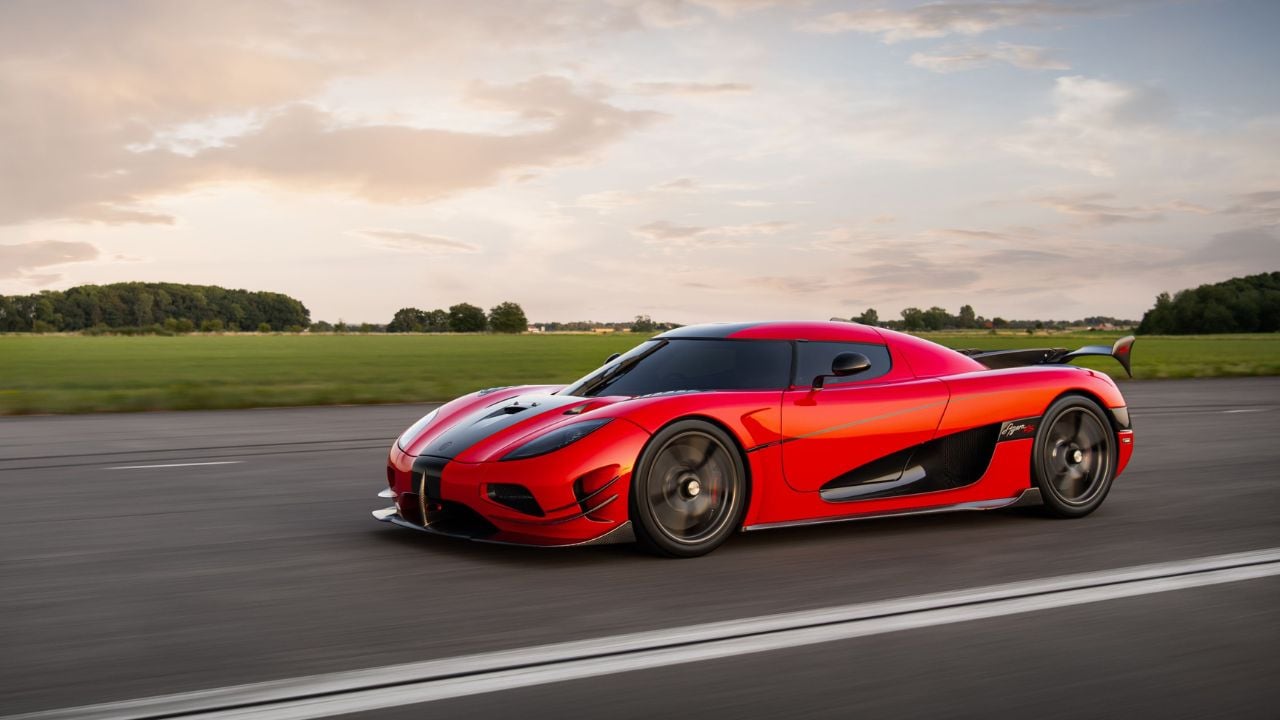
The Agera RS owns Koenigsegg’s verified top-speed crown. In 2017, it averaged 277.87 mph across two runs in opposite directions on a closed public road in Nevada, with a single-direction peak of 284.55 mph. That run remains one of the defining production-car speed achievements of the modern era.
The Agera RS used Koenigsegg’s 5.0-liter twin-turbo V8, with output reaching 1,360 hp on E85 in MW-upgrade form. Koenigsegg lists curb weight at 3,075 pounds, giving the car a ruthless blend of power, mass, aero stability, and control.
The only reason it sits below the Jesko Absolut in this framing is intent. The newer car was engineered to go faster. In verified terms, though, the Agera RS remains Koenigsegg’s clearest top-speed masterpiece.
Koenigsegg One:1
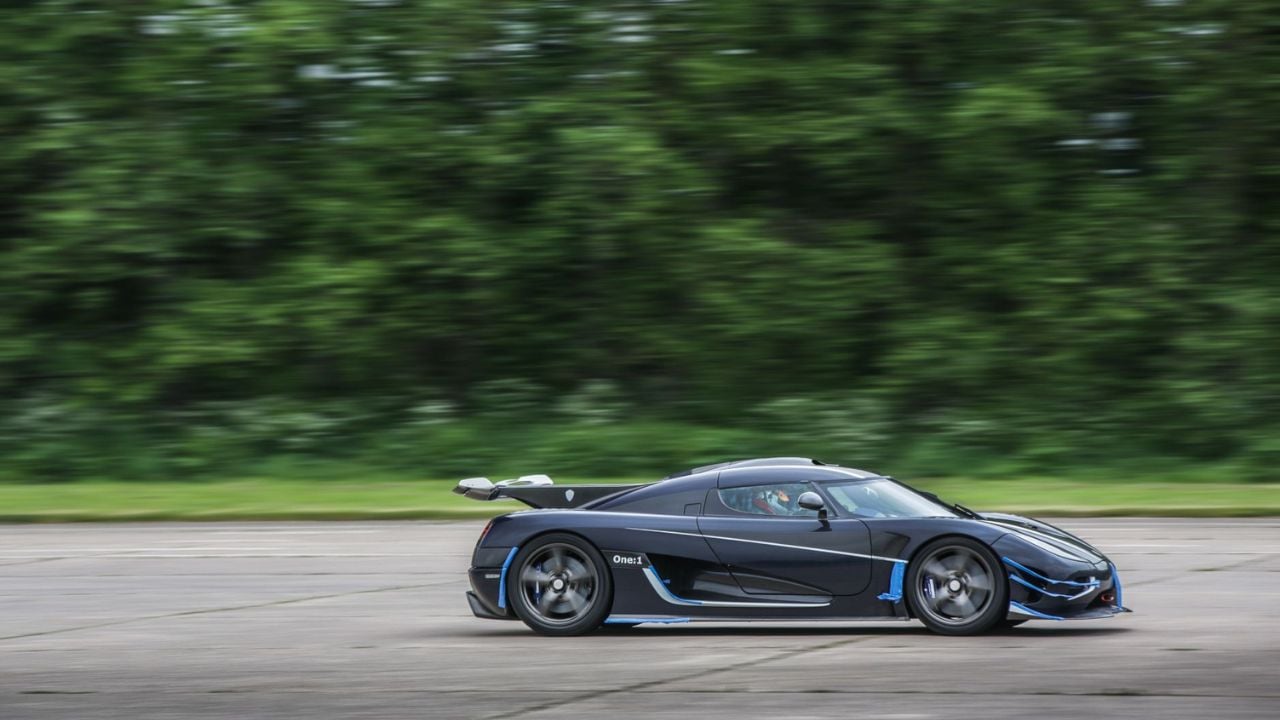
The One:1 turned power-to-weight into the whole headline. Koenigsegg called it the world’s first megacar, and the numbers explain why: 1 megawatt of output, 1,360 kg of curb weight, and a near one-to-one relationship between metric horsepower and kilograms.
Its 5.0-liter twin-turbo V8 produced 1 MW of power, roughly 1,341 hp or 1,360 PS, along with 1,011 lb-ft of torque. That gave the One:1 immense acceleration at speeds where most supercars were already beginning to fade.
The One:1 is commonly associated with a top-speed target around 273 mph, but that figure belongs in the projected category rather than the verified Agera RS category. It also used serious active aerodynamics, so it was not merely a low-drag missile. It was built for huge speed, brutal acceleration, and advanced control at the limit.
Koenigsegg Agera R

The Agera R sharpened the formula before the Agera RS made history. Its 5.0-liter twin-turbo V8 produced 1,140 hp and 885 lb-ft of torque, making it one of the defining hypercars of its era.
Koenigsegg’s official data lists 0-300-0 km/h, roughly 0-186-0 mph, in 21.19 seconds. That number still feels astonishing because it measures acceleration and braking in one violent sequence rather than isolating a single sprint.
The Agera R has long been associated with a theoretical top speed around 273 mph, but Koenigsegg’s strongest official performance data for the model centers on acceleration and braking records rather than a verified two-way maximum-speed run. Its significance comes from how mature the formula became here: huge power, serious aero, and the control needed to make the later record cars believable.
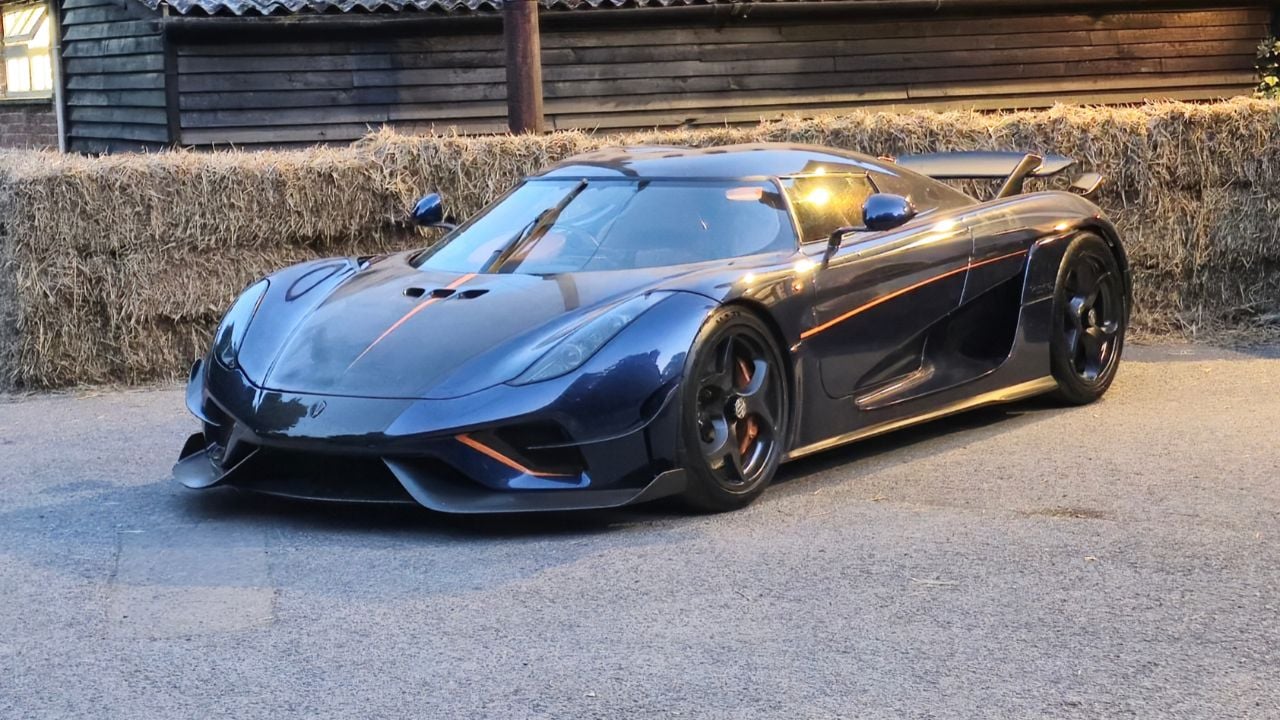
Koenigsegg Regera
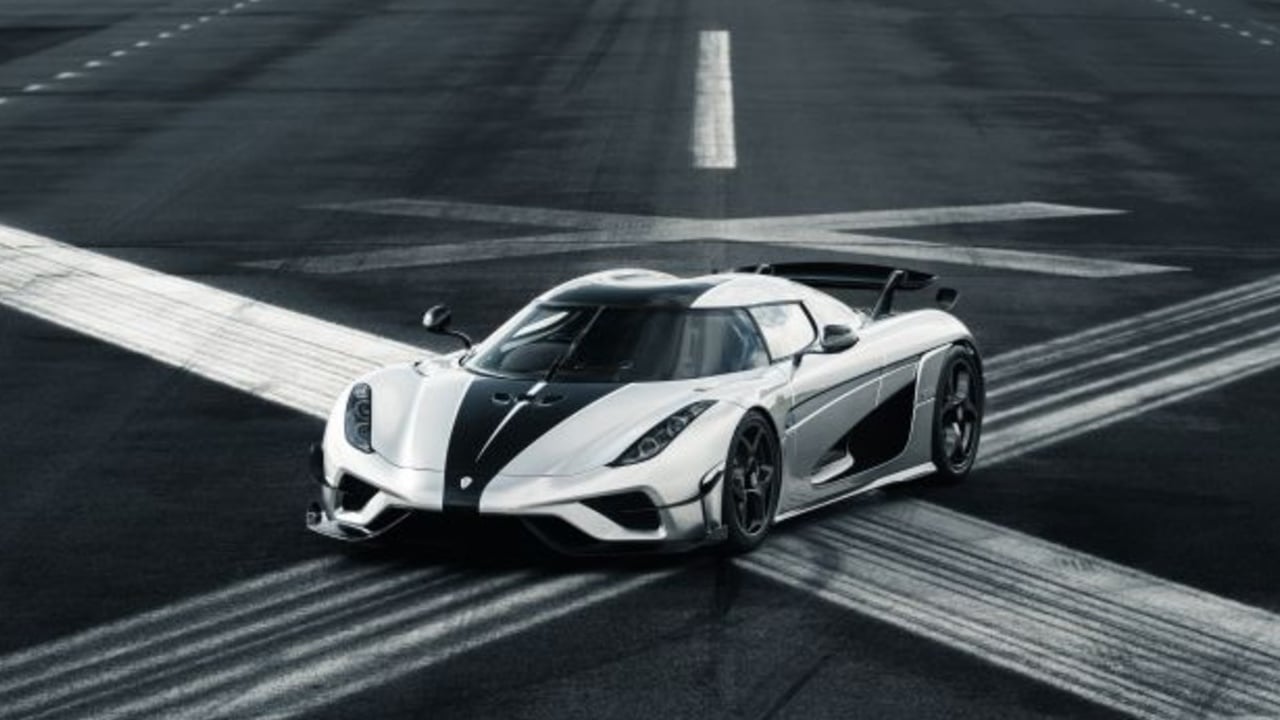
The Regera brought a different kind of speed to the conversation. It was not a stripped record special or a pure low-drag top-speed car. It was a hybrid grand-touring hypercar with Koenigsegg Direct Drive, electric torque fill, and a combined output of about 1,500 hp.
Its top speed is generally placed around 255 mph, putting it below the Agera-based top-speed cars but still deep inside Koenigsegg’s fastest territory. The CCXR also sits near this threshold, with Koenigsegg listing a 250+ mph estimated top speed, but the Regera’s Direct Drive layout and record-setting acceleration/braking performance give it the stronger final claim here.
In 2023, the Regera completed a 0-250-0 mph run in 29.60 seconds, proving how devastating its acceleration and braking package remained years after launch. The real genius is how differently it delivered speed. Among Koenigsegg’s fastest models, the Regera is the elegant, technical, and strangely calm one.
Why Koenigsegg’s Fastest Cars Still Feel So Different
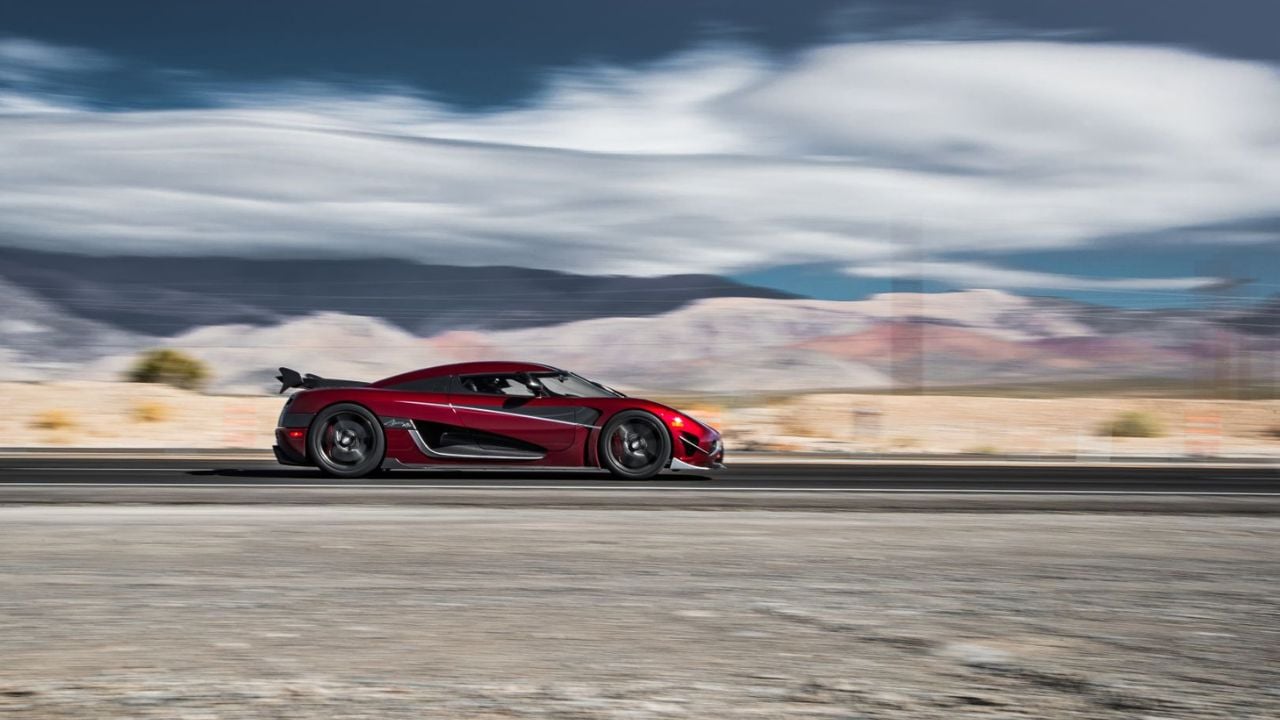
Koenigsegg’s fastest models show a company that rarely repeats itself. The Agera R sharpened the formula, the One:1 pushed power-to-weight into megacar territory, and the Agera RS turned that engineering into a verified public-road speed record.
The Regera proved that outrageous performance could come from a luxury-leaning hybrid with no conventional gearbox. The Jesko Absolut then narrowed the mission again, reducing drag and chasing the next great number.
The Agera RS owns the proven record. The Jesko Absolut owns the future promise. Between them sits the real Koenigsegg story: a small Swedish company that kept asking how far a road car could go, then built machines bold enough to make the question feel serious.