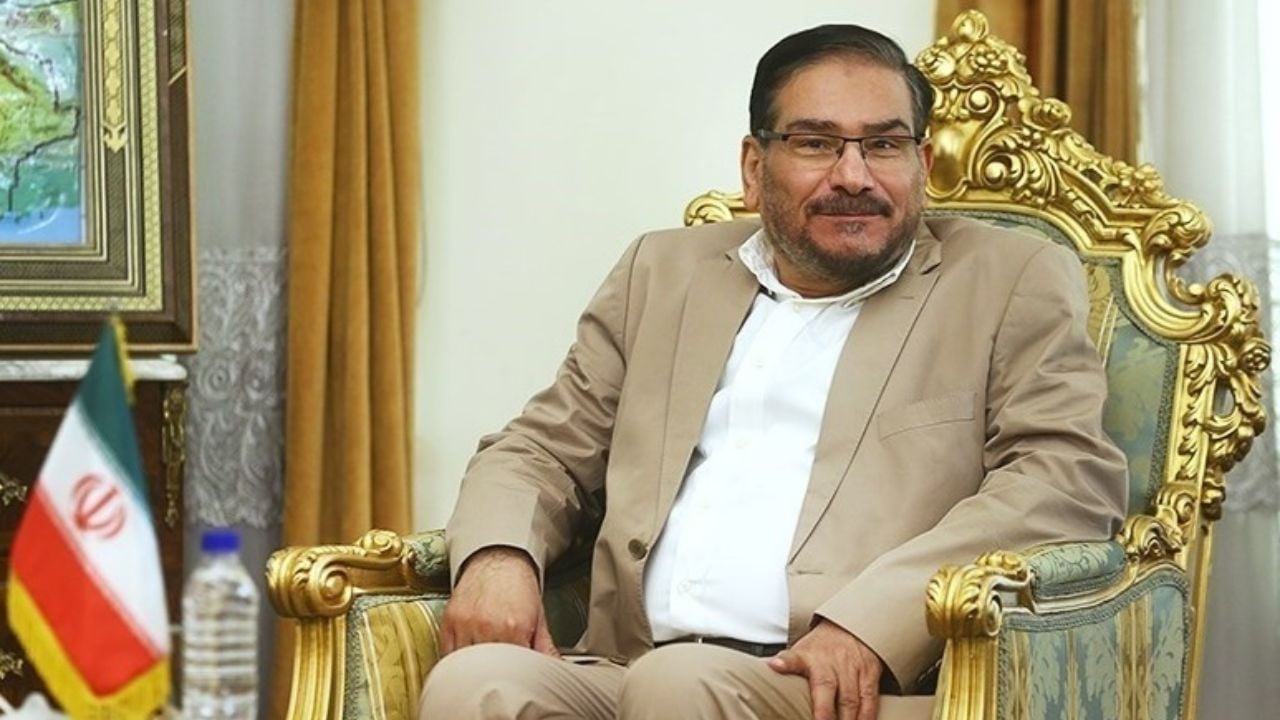

The U.S. Department of the Treasury has escalated its crackdown on Iran’s shadow oil trade, unveiling a sweeping sanctions package that targets a sprawling network tied to Mohammad Hossein Shamkhani.
The operation, led by the Treasury’s Office of Foreign Assets Control, hits more than two dozen individuals, companies, and vessels accused of enabling illicit petroleum shipments that generate billions for Iran and its allies, including Russia.
Officials describe the move as part of a broader “maximum pressure” campaign designed to choke off revenue streams linked to geopolitical instability and militant financing.
Shamkhani, son of former Iranian security heavyweight Ali Shamkhani, is portrayed as a powerful broker running a global oil logistics empire.
His network blends legitimate-seeming businesses with covert operations, allowing sanctioned crude and liquefied petroleum gas to move across continents under layers of corporate disguise.
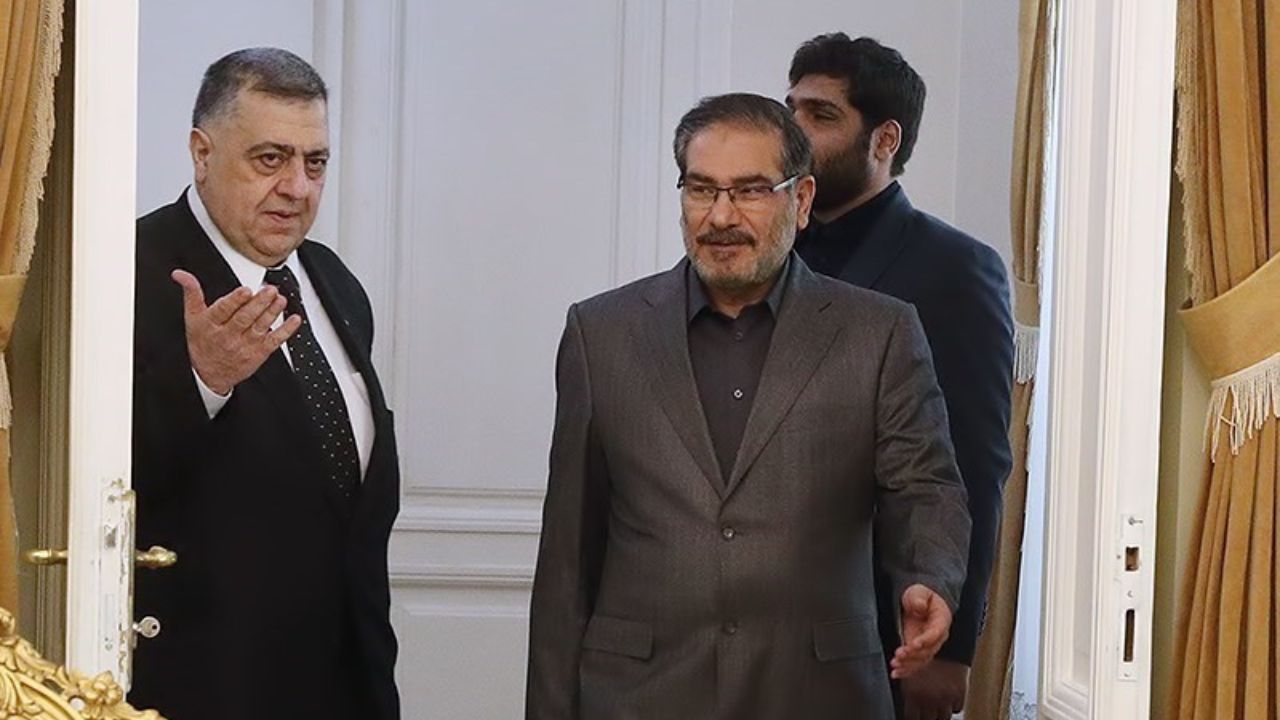
U.S. investigators say this empire has thrived by exploiting gaps in international enforcement while embedding itself within global shipping infrastructure.
Inside the Corporate Maze Powering Sanctions Evasion
Authorities detail an intricate web of front companies spanning the United Arab Emirates, India, and beyond. Firms such as Oriel Group and Corplinx Consultancy allegedly served as administrative shields, masking ownership structures and financial flows.
House of Shipping Investment FZCO and its subsidiaries handled vessel logistics, crew provisioning, and operational management, ensuring tankers remained active and difficult to trace.
One standout entity, Meritron DMCC, is accused of clandestinely acquiring new ships worth tens of millions of dollars, even after earlier sanctions targeted related companies. Investigators say this reflects a pattern of rebranding and substitution.
Once one entity is blacklisted, another steps in with new paperwork but the same underlying control. Individuals like Chetan Prakash Balhotra and Tanjore Sunilkumar Srinivas allegedly played key roles in managing procurement, operations, and executive oversight across multiple interconnected firms.
The network’s resilience stems from its layered structure.
Shipping management firms, consulting outfits, and procurement specialists operate in parallel, each handling a slice of the operation while shielding the broader enterprise. This elaborate segmentation complicates enforcement efforts and allows the system to keep functioning even when one or multiple parts are unmasked and taken down.
Shadow Fleet Tactics and the Mechanics of Oil Smuggling
Beyond corporate cover, the Shamkhani network relies on a fleet of tankers that function as a “shadow navy.” These vessels transport sanctioned oil using methods designed to evade detection.
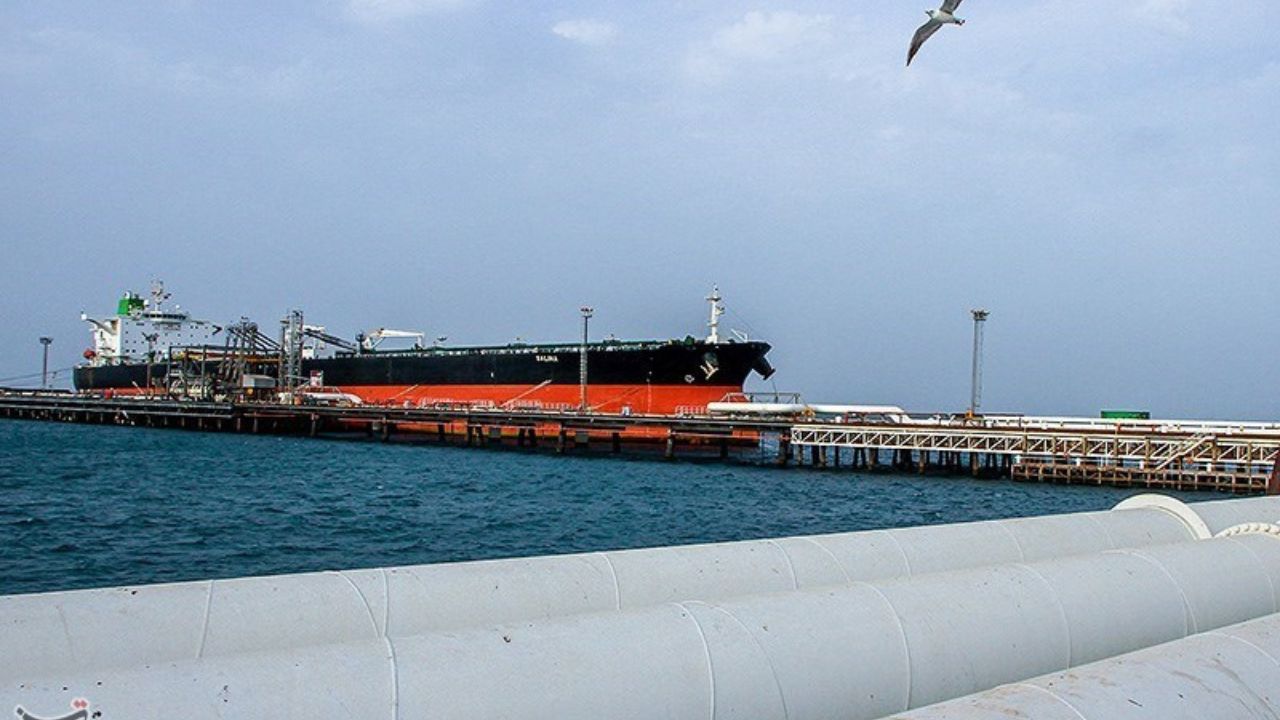
Ship-to-ship transfers in open waters allow cargo to be reassigned without entering ports. Automatic Identification System spoofing masks vessel locations, creating false digital trails. Some ships operate as “zombie tankers,” adopting new identities or sailing under flags of convenience to obscure their origins.
Specific vessels such as AURA, HORAE, and ANIKA have allegedly moved millions of barrels of Iranian and Russian petroleum products.
Management companies based in the Marshall Islands and other jurisdictions oversaw these ships, providing another layer of legal distance from the core network. In 2025 alone, investigators tracked more than 20 cargo movements linked to Russian petroleum through affiliated operators.
These tactics form a sophisticated logistics chain.
Oil leaves Iran under disguised documentation, transfers between ships mid-sea, and arrives in distant markets appearing as legitimate cargo. Each step is engineered to dilute traceability and complicate enforcement.
Gold-for-Oil Deals and Terror Financing Links
Parallel to the shipping operation, U.S. authorities uncovered a financial scheme linking Iranian oil sales to gold transactions in South America.
A key figure is Seyed Naiemaei Badroddin Moosavi, described as a facilitator with ties to Hezbollah and Iran’s Qods Force.

Working with contacts in Venezuela under Nicolás Maduro, Moosavi allegedly exchanged Iranian oil for gold acquired at discounted rates.
The gold was then transported via sanctioned carriers such as Mahan Air to Tehran, where intermediaries including Ali Qasir handled redistribution. From there, the assets moved onward to markets like Türkiye for liquidation.
This system bypassed traditional banking channels, converting oil into hard assets that could fund militant operations.
Moosavi’s network also leaned on tactics similar to Shamkhani’s shipping empire, including covert transfers and falsified tracking data. He worked alongside figures like Tarek El Aissami and Viktor Artemov, both previously sanctioned, to sustain the flow of oil and precious metals.
How U.S. Authorities Pieced It Together
The investigation was conducted in coordination with Homeland Security Investigations, combining financial intelligence, shipping data, and corporate registry analysis.
By mapping vessel movements, tracing ownership records, and linking executives across multiple firms, authorities reconstructed the network’s architecture. Patterns such as repeated personnel across different companies and synchronized shipping routes helped expose the hidden connections.
Sanctions now freeze any U.S.-linked assets tied to the network and threaten penalties for global entities that continue doing business with it. Officials emphasize that the goal is behavioral change, aiming to dismantle the economic foundations supporting Iran’s sanctioned activities.
For the global automotive and energy landscape, the crackdown underscores how illicit oil flows can distort supply chains and pricing. It also highlights the increasing sophistication of enforcement efforts, where digital tracking, financial forensics, and international cooperation converge to expose complex transnational schemes.
Sources: US Dept of the Treasury