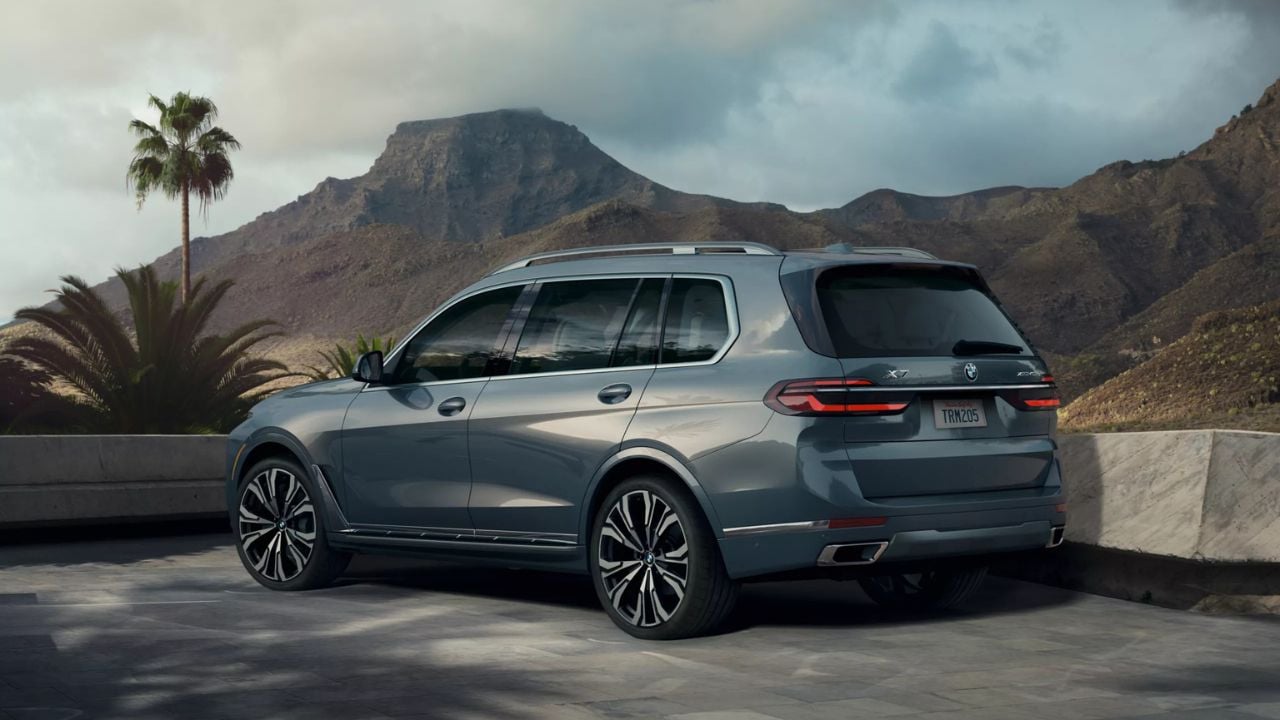
BMW’s SUV range has grown into something far more varied than a simple ladder of sizes. What began as a way to add utility to a brand better known for sport sedans now stretches from compact urban crossovers to full-size family flagships, from an all-electric luxury cruiser to a plug-in hybrid M halo machine with supercar levels of thrust.
Counting parent SUV families rather than every individual M or ALPINA variant, BMW USA’s current SUV catalog centers on eight nameplates: X1, X2, X3, X5, X6, X7, XM, and iX. Each one carries a distinct job inside the showroom, which is why BMW’s SUV business now serves far more than one kind of buyer.
The X1 and X2 speak to first-time luxury shoppers. The X3 and X5 cover the broad daily-use heart of the range. The X6 adds coupe-like presence, the X7 stretches into three-row family luxury, the XM pushes M performance into plug-in hybrid excess, and the iX gives BMW an all-electric flagship SUV.
That spread shows how central SUVs have become to BMW’s American identity. The lineup no longer reads like a side chapter to the sedans. It now looks like one of the clearest ways to understand where the brand is headed.
How BMW’s SUV Range Breaks Down

The clearest way to read BMW’s current SUV lineup is by parent model family. High-performance M versions and the ALPINA XB7 add important range and personality, but they sit inside the broader X5, X6, and X7 families rather than changing the core map of BMW’s SUV catalog.
The same approach keeps future arrivals from muddying the picture. The iX3 is the obvious near-term caveat, since BMW USA lists it as coming in summer 2026. For now, though, the available U.S. SUV range is anchored by the X1, X2, X3, X5, X6, X7, XM, and iX.
That gives the lineup a clean structure: compact luxury, compact style, everyday utility, midsize premium family duty, coupe-style SUV presence, three-row scale, M-brand excess, and all-electric flagship technology.
BMW X1

The X1 opens BMW’s SUV range, but it no longer feels like a thinly equipped entry point. BMW positions it as the compact four-door SUV in the family, with the xDrive28i starting at $43,200 and the X1 M35i starting at $52,400.
The xDrive28i uses a 2.0-liter turbocharged four-cylinder with 241 hp. The X1 M35i sharpens the same basic idea with 312 hp and a BMW-quoted 0-to-60 mph time of 5.2 seconds.
The X1 now carries a serious amount of the modern BMW experience. Standard xDrive all-wheel drive, a digital cabin, usable cargo space, and a more confident exterior shape make it feel like a real everyday luxury SUV rather than a simple badge buy.
BMW X2
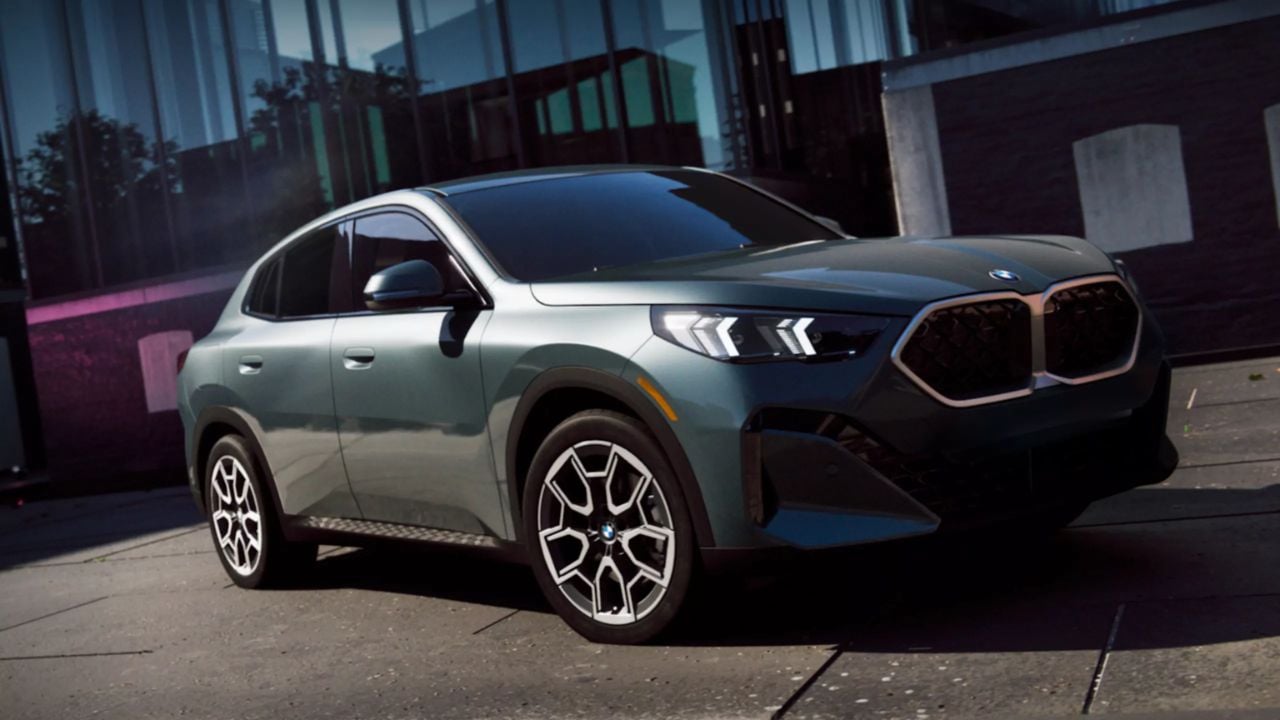
The X2 takes the X1’s compact-SUV foundation and gives it a stronger visual personality. BMW calls it a Coupe SUV, and the shape makes that role clear before the spec sheet does.
Pricing starts at $44,700 for the X2 xDrive28i and reaches $53,900 for the X2 M35i. The base model uses the same 241-hp turbocharged four-cylinder found in the X1, with BMW quoting a 6.2-second 0-to-60 mph time. The M35i raises output to 312 hp.
The X2 gives BMW a compact SUV for buyers who care less about maximum cargo efficiency and more about shape, attitude, and visual distinction. It is the style-led small crossover in the range, sitting close to the X1 mechanically but speaking to a different buyer emotionally.
BMW X3
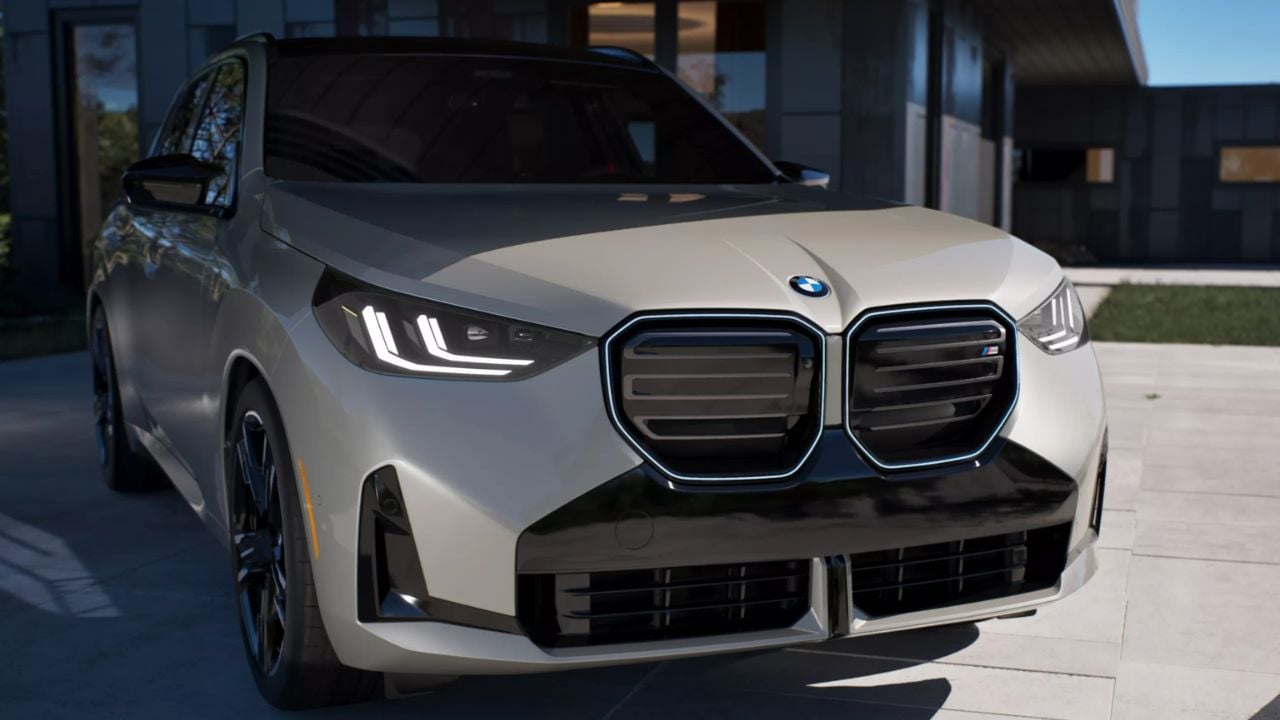
The X3 carries the broadest everyday brief in BMW’s SUV lineup. It is large enough for small-family duty, compact enough to avoid feeling oversized, and expensive enough to feel premium without stepping into full luxury-flagship territory.
In current U.S. form, the X3 30 xDrive starts at $51,300 and uses a 255-hp turbocharged four-cylinder. BMW quotes a 6.0-second 0-to-60 mph time for that model. The X3 M50 xDrive starts at $66,500, uses a 393-hp turbocharged inline-six, and drops the sprint to 4.4 seconds.
BMW also lists towing capacity of up to 4,001 pounds when properly equipped. That extra utility reinforces the X3’s role as the central do-it-all SUV in the range, the model most likely to satisfy the widest slice of American BMW buyers.
BMW X5
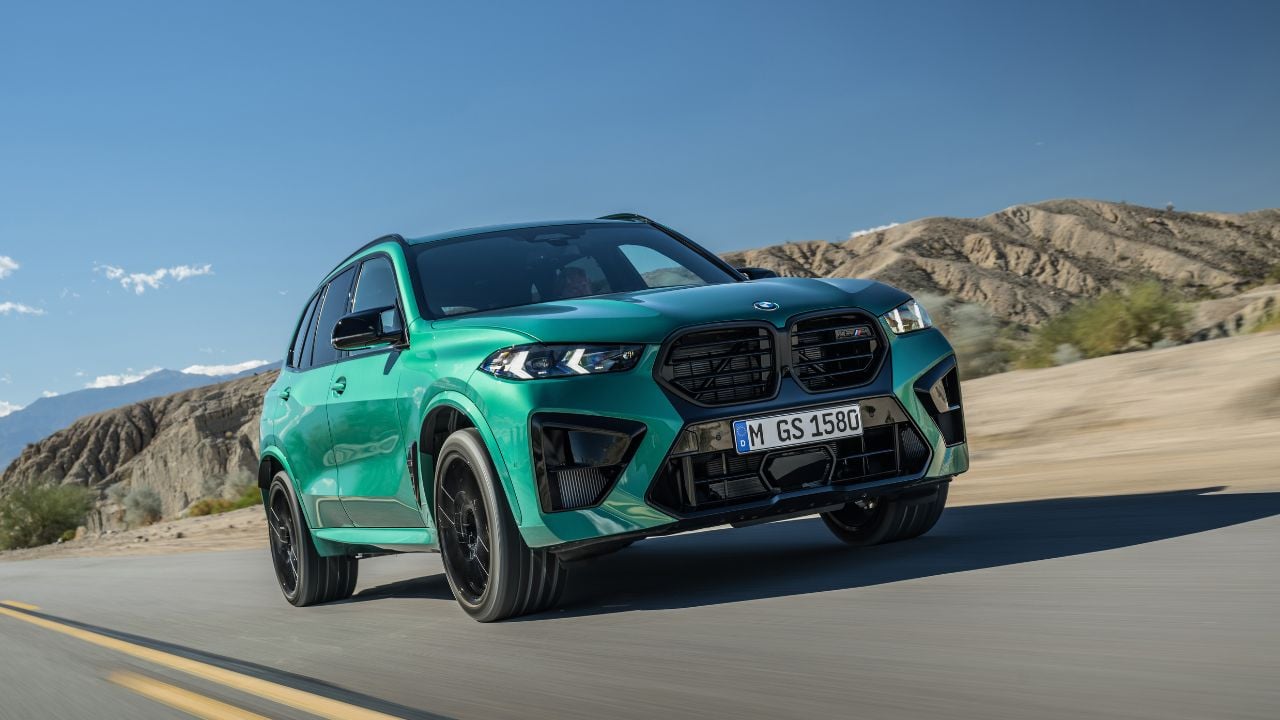
The X5 remains the model that best defines BMW’s modern SUV formula. It has enough size to feel substantial, enough polish to serve as a premium family vehicle, and enough powertrain variety to cover very different kinds of buyers.
BMW’s current U.S. lineup starts the X5 at $68,300 for the rear-wheel-drive sDrive40i. The xDrive40i begins at $70,600, the plug-in hybrid xDrive50e starts at $76,000, and the V8-powered M60i starts at $93,600.
The X5 M Competition pushes the family much further, starting at $131,000 with BMW quoting up to 617 hp. Across the same nameplate, the X5 can be a rational luxury SUV, an electrified daily driver, or a serious performance machine.
BMW X6
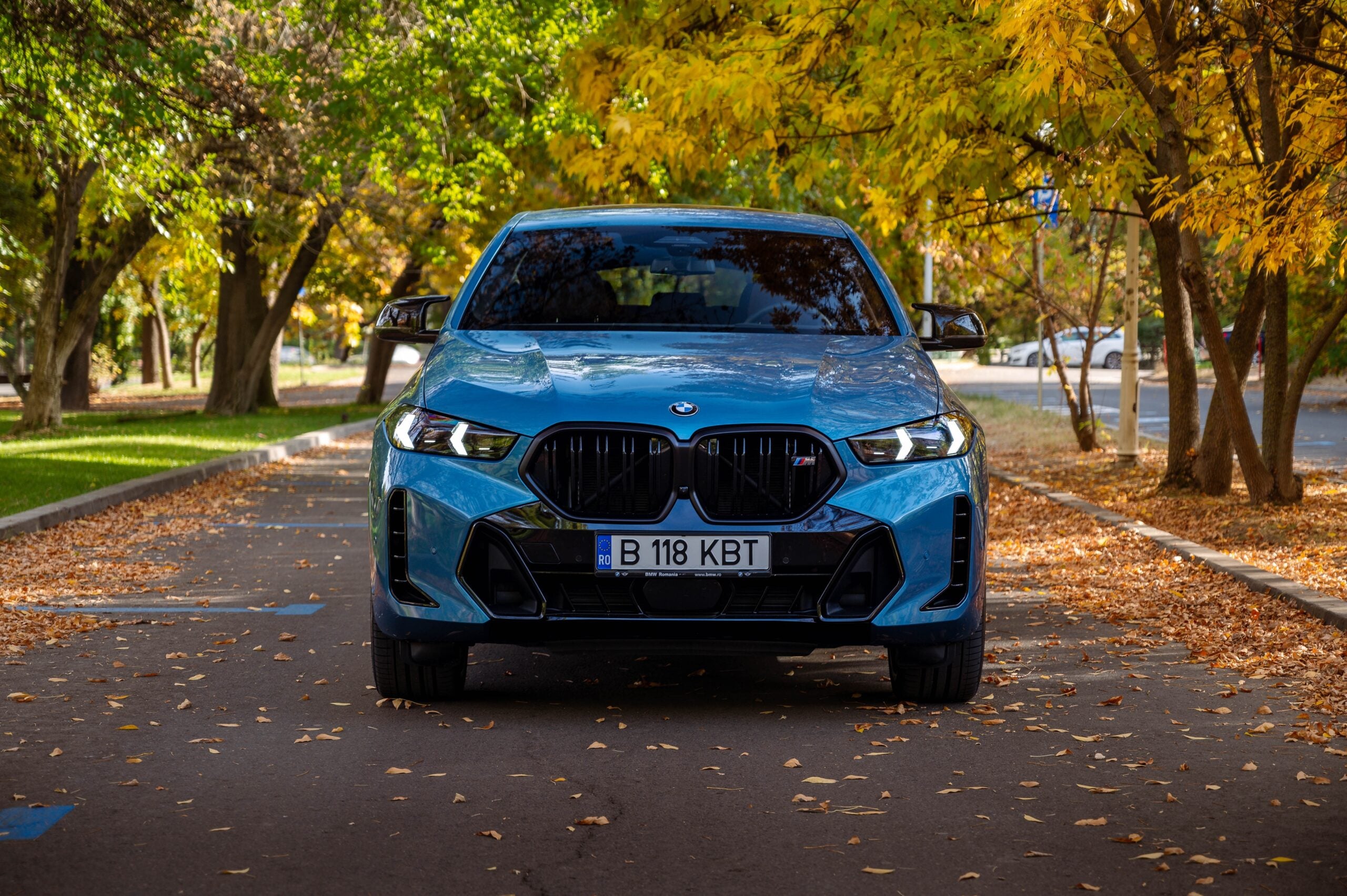
The X6 remains BMW’s long-running argument that SUV utility and coupe-like presence can live in the same body. The formula still divides opinion, but that is also part of its identity.
In the current U.S. lineup, the X6 starts at $77,300 for the xDrive40i, climbs to $98,000 for the V8-powered M60i, and reaches $136,100 in X6 M Competition form. The xDrive40i makes 375 hp, while BMW lists the M60i at 523 hp. Properly equipped, the X6 can tow up to 7,209 pounds.
The X6 shares much of the X5’s mission, then shifts the emphasis toward style and presence. It gives away some visual practicality in exchange for a more sculpted roofline and a more assertive stance. For buyers who want a BMW SUV to make its statement before the engine even starts, the X6 fills that role clearly.
BMW X7
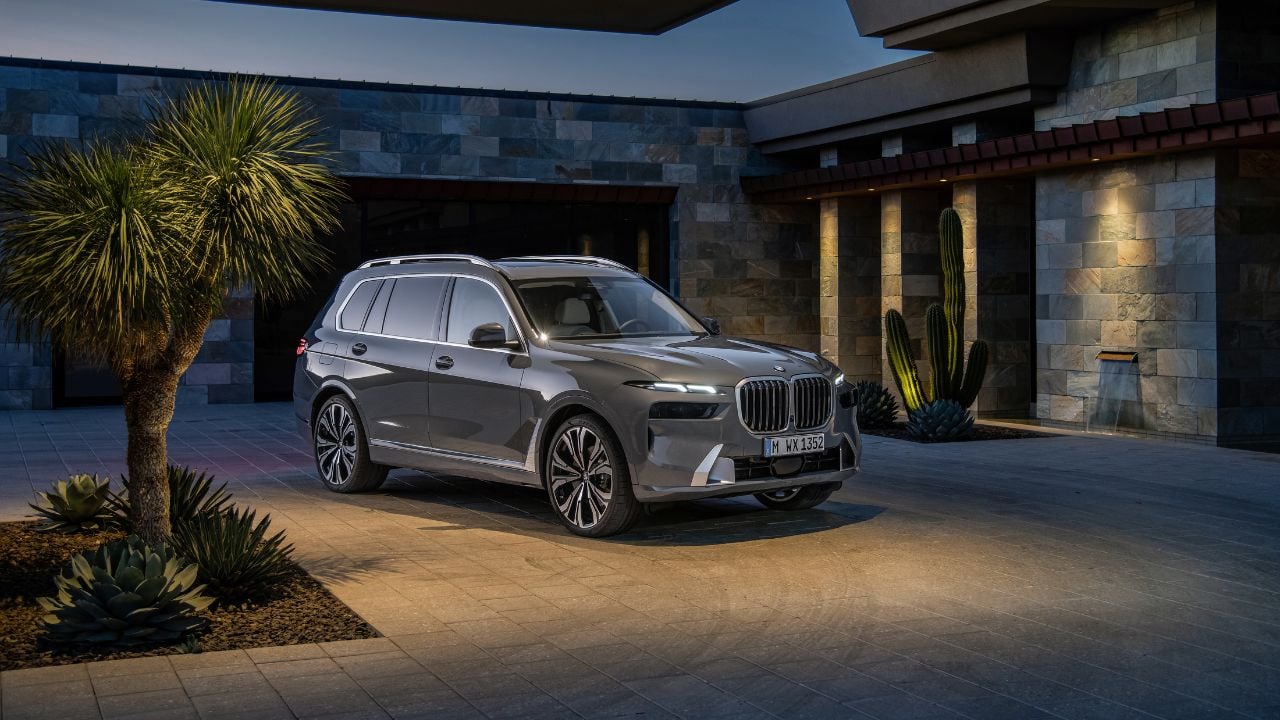
The X7 is the largest conventional SUV BMW sells in the U.S. It is the clearest answer for buyers who need three-row family scale without giving up the luxury, power, and presence associated with the badge.
Pricing begins at $87,500 for the X7 xDrive40i, moves to $115,000 for the X7 M60i, and stretches to $156,000 for the ALPINA XB7. BMW lists the xDrive40i at 375 hp and the M60i at 523 hp.
The X7 can also tow up to 7,500 pounds with the available factory-installed hitch. That combination of space, power, towing capacity, and long-distance comfort places it at the top of BMW’s mainstream SUV hierarchy.
BMW XM
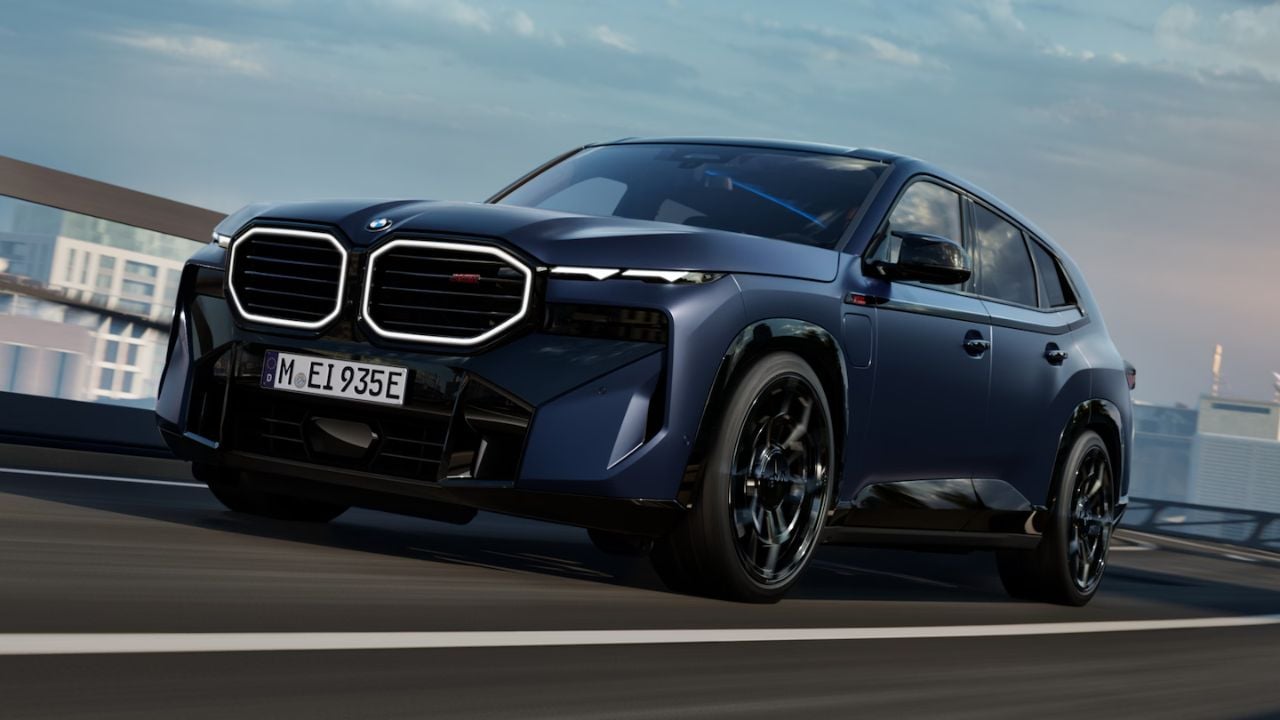
The XM sits apart from the rest of BMW’s SUV range. It is not simply another X model sharpened by BMW M. It is the SUV that most openly announces itself as the brand’s M flagship.
BMW USA currently presents the XM in Label form, with a starting MSRP of $159,600. Its plug-in hybrid powertrain pairs a 4.4-liter M TwinPower Turbo V8 with electric assistance for a combined 738 hp.
BMW lists a top speed of 155 mph, or 175 mph with the optional M Driver’s Package. The XM lives in a very different part of the showroom from the X1 or X3. It is a conspicuous statement of performance, technology, and high-end BMW SUV excess.
BMW iX
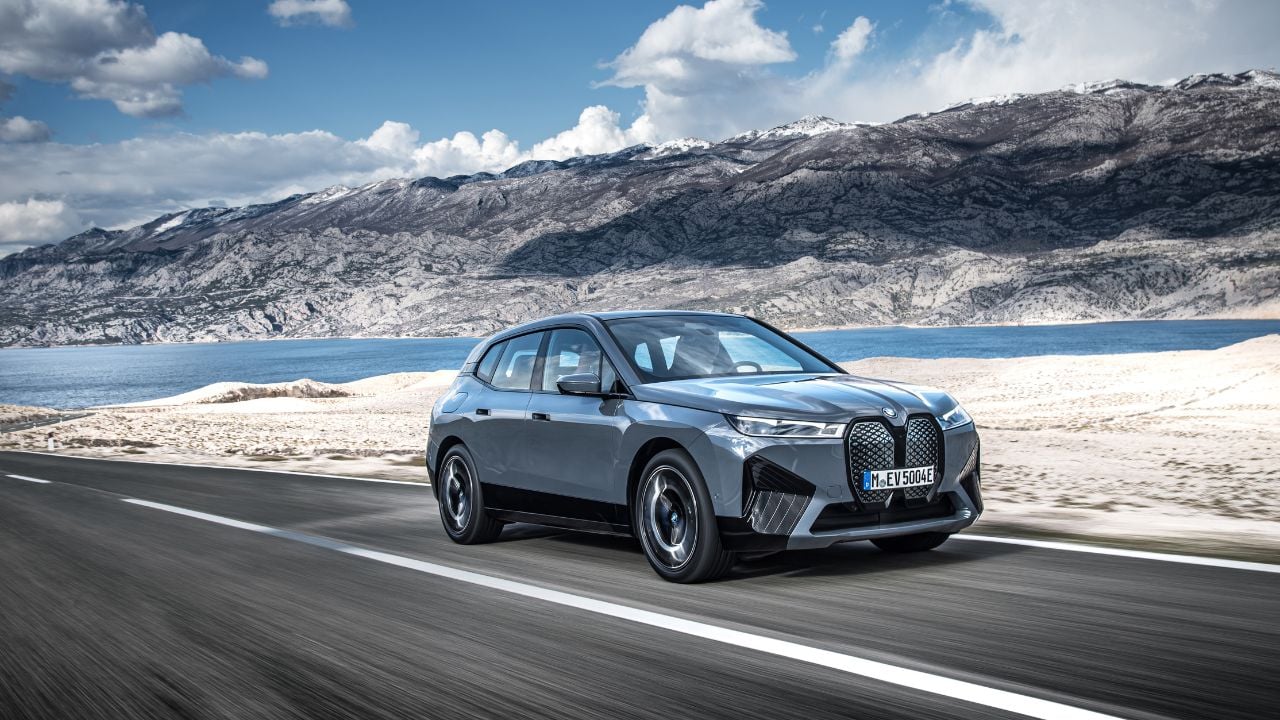
For 2026, the iX remains BMW’s all-electric SUV flagship in the U.S. It fills a different role from the gasoline X models, giving the brand a large, high-tech electric SUV with luxury positioning and serious performance.
BMW’s 2026 update brings three versions to the U.S. market: the xDrive45 at $75,150, the xDrive60 at $88,500, and the iX M70 at $111,500. BMW lists output at 402 hp for the xDrive45, 536 hp for the xDrive60, and up to 650 hp for the M70.
Estimated range depends on version and wheel/tire configuration. BMW lists 279 to 312 miles for the xDrive45, 318 to 364 miles for the xDrive60, and 283 to 303 miles for the M70. That spread makes the iX more than a single electric halo model. For 2026, it functions as a small EV sub-range inside BMW’s broader SUV catalog.
The BMW SUV Range Now Covers Almost Every Kind Of Buyer
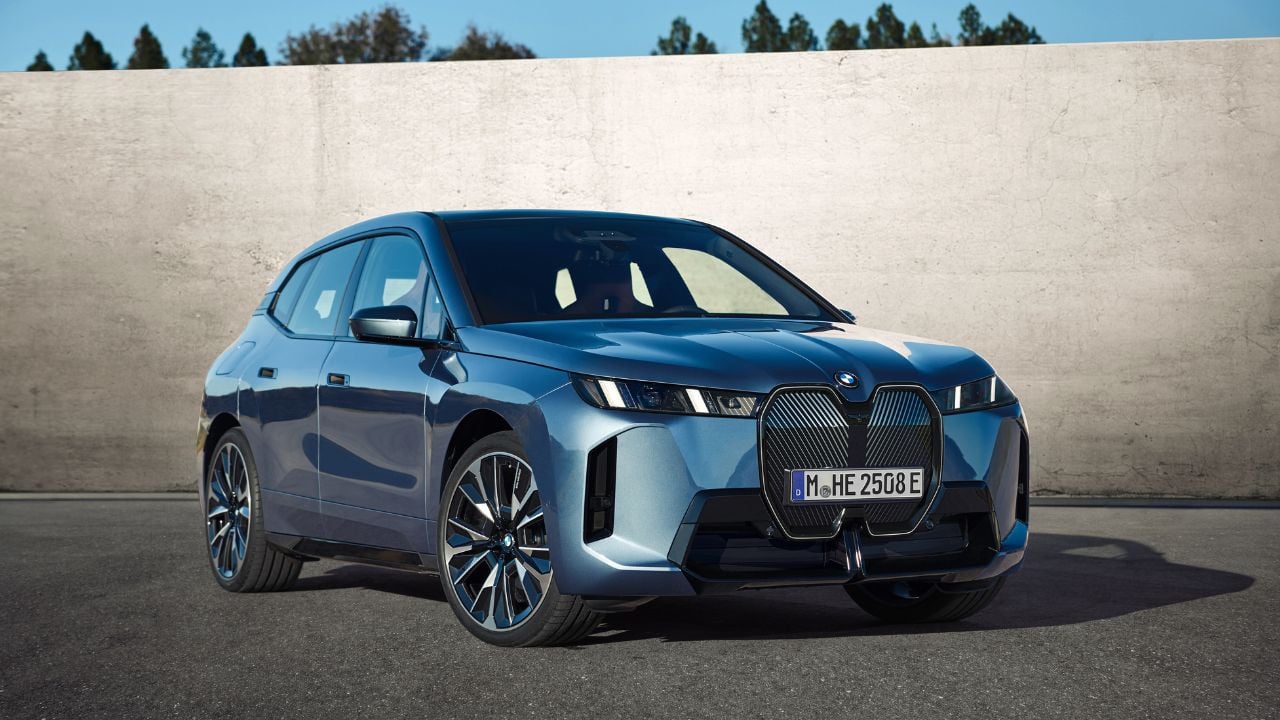
BMW’s SUV range now works less like a simple size ladder and more like a set of parallel identities. The X1 and X2 cover compact luxury from different angles. The X3 carries the broad everyday brief. The X5 and X6 split the premium midsize market by practicality and style.
The X7 stretches the formula into full-size family luxury. The iX gives BMW an all-electric SUV flagship for 2026. The XM pushes the idea of a performance SUV to its most extroverted edge.
That spread explains why BMW’s SUV business now feels less like an extension of the brand and more like one of its main American stories. Practical, stylish, electric, family-focused, or unapologetically fast, there is now a BMW SUV built around almost every version of the modern luxury buyer.