Religious-site visits need clothing planned before the ticket line. A hot-weather outfit that works for beaches, cafés, or long city walks can fail at a basilica, temple, palace complex, or sacred courtyard. The safest packing choice is simple: covered shoulders, covered knees, breathable fabric, and one extra layer that fits in a day bag.
St. Peter’s Basilica requires shoulders and knees covered for men and women. Sagrada Família bans swimwear, see-through clothing, barefoot entry, and trousers or skirts shorter than mid-thigh. Bangkok’s Grand Palace and the Temple of the Emerald Buddha list several common tourist items as inappropriate, including sleeveless shirts, short tops, tight pants, short pants, and mini skirts.
Angkor’s visitor code prohibits shorts or skirts above the knees and bare shoulders in sacred places. Bali’s provincial tourist guidance tells visitors to dress modestly and appropriately, especially at temples and religious ceremonies. Those rules affect real itineraries: Vatican mornings after Rome heat, Barcelona beach-and-basilica days, Bangkok palace stops, Angkor sunrise visits, and Bali temple-gate photos.
A light scarf can help in some places, but it is not a universal fix. Loose trousers, a longer skirt, a short-sleeve or long-sleeve shirt, and a packable wrap create fewer problems than trying to buy coverage at the gate. Footwear, security checks, ceremonies, and local temple requirements should also be checked before arrival.
1. St. Peter’s Basilica, Vatican City
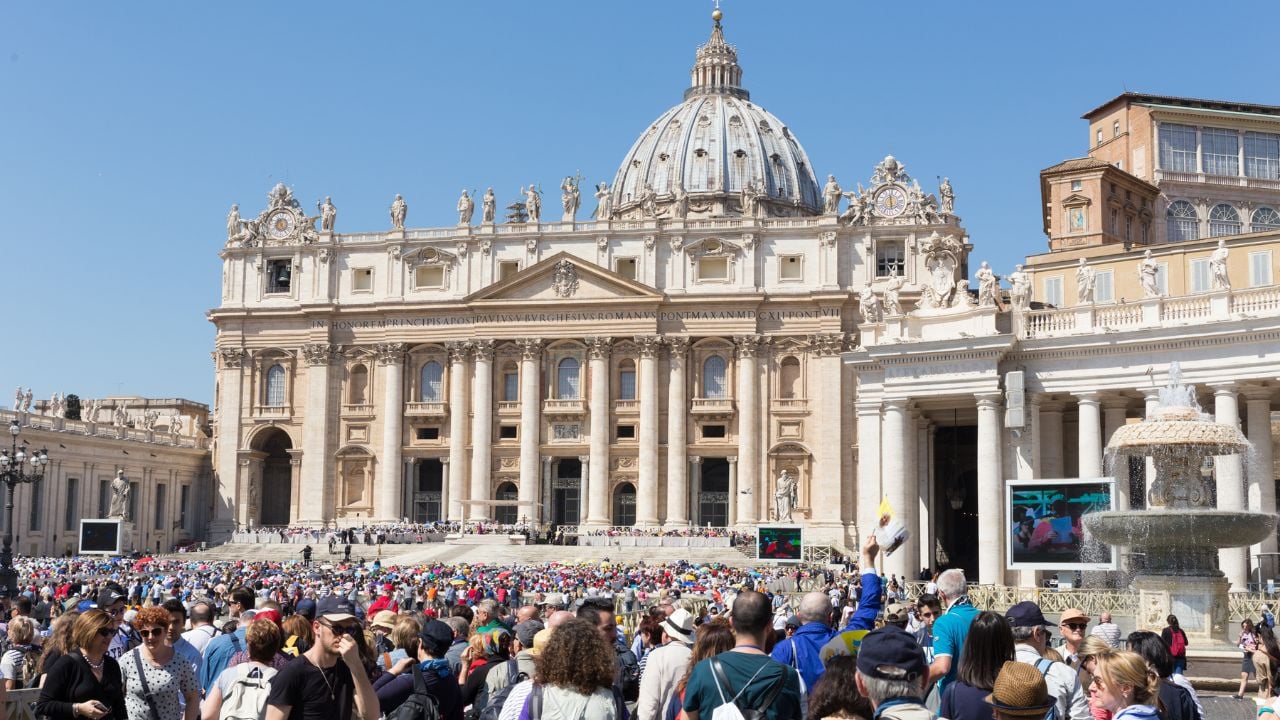
St. Peter’s Basilica has a short rule with a large effect on summer visitors. The official basilica FAQ says shoulders and knees must be covered for both men and women. Short shorts, sleeveless tops, and dresses that leave the shoulders or knees exposed can create problems at the entrance.
Rome heat pushes many travelers toward light clothing, but the basilica visit should set the outfit for the day. A short-sleeve linen shirt, breathable trousers, a longer skirt, or a dress with covered shoulders can work without adding heavy layers. Men should also plan coverage, not only women.
The Vatican-area schedule often involves long lines, security checks, walking, and time inside a major place of worship. A visitor who reaches the square in uncovered clothing may lose time finding a cover-up or adjusting the day’s route.
Pack the coverage before leaving the hotel. A shawl, button-up shirt, or light layer belongs in the bag if the day includes St. Peter’s Basilica, the Vatican Museums area, or other churches around Rome.
2. Sagrada Família, Barcelona

Sagrada Família is a major Barcelona landmark, but its own rules identify it as a Catholic church with dress restrictions. The basilica’s official rules say visitors may not enter in see-through clothing, swimwear, or trousers and skirts that do not reach at least mid-thigh. Barefoot entry is not permitted.
The same rules ban hats inside the nave or museum except for religious, health, or belief-related reasons. Special clothing or decorations intended for festivities, artistic attention, promotion, or similar purposes can also lead to refused entry.
A beach-and-basilica day requires a second layer. Swimwear under a loose cover-up, novelty outfits, very short skirts, and barely-there tops may work near the water but create trouble at the church door. The ticket time should guide the clothing plan before the day starts.
A practical Barcelona outfit can include a light shirt, longer shorts or skirt, breathable trousers, and shoes suitable for security checks and walking. Travelers planning towers, museums, Park Güell, or a later beach stop should keep the basilica standard as the strictest clothing point on the route.
3. Temple of the Emerald Buddha, Bangkok
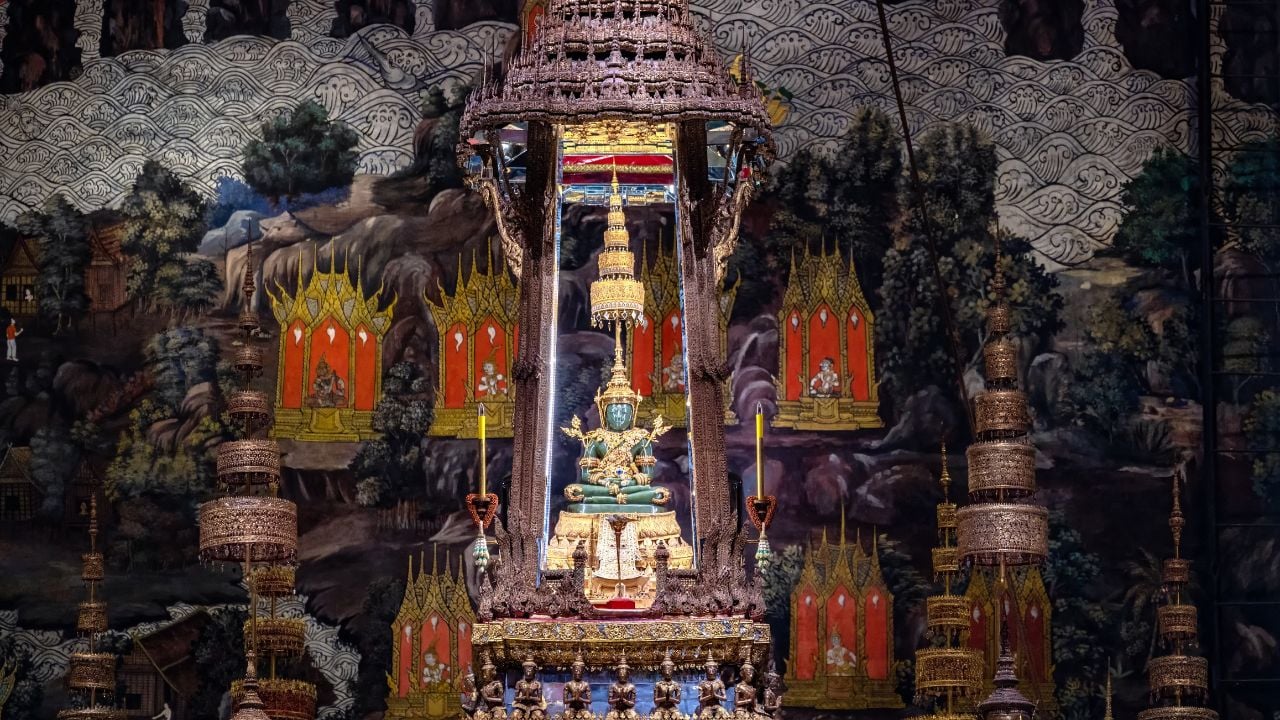
The Grand Palace and Wat Phra Kaew require more coverage than many Bangkok sightseeing outfits provide. The official Grand Palace visitor information lists inappropriate clothing for entry, including sleeveless shirts, vests, short tops, see-through tops, short pants, torn pants, tight pants, bike pants, mini skirts, pants skirts, and sleeping suits.
Loose long pants and a covered upper body are safer than trying to stretch the dress code with short, tight, or transparent clothing. A shawl may not solve the problem if the rest of the outfit is too short or too fitted.
The Bangkok heat makes fabric choice important. Lightweight cotton, linen, or other breathable material can keep the visit manageable while still meeting the palace and temple standard. Visitors should also plan for security, crowds, and walking between palace areas.
Arrive dressed for the gate. Changing plans outside the entrance wastes time, and nearby cover-up purchases may be more expensive or less comfortable than packing the right clothing before leaving the hotel.
4. Angkor Wat, Cambodia
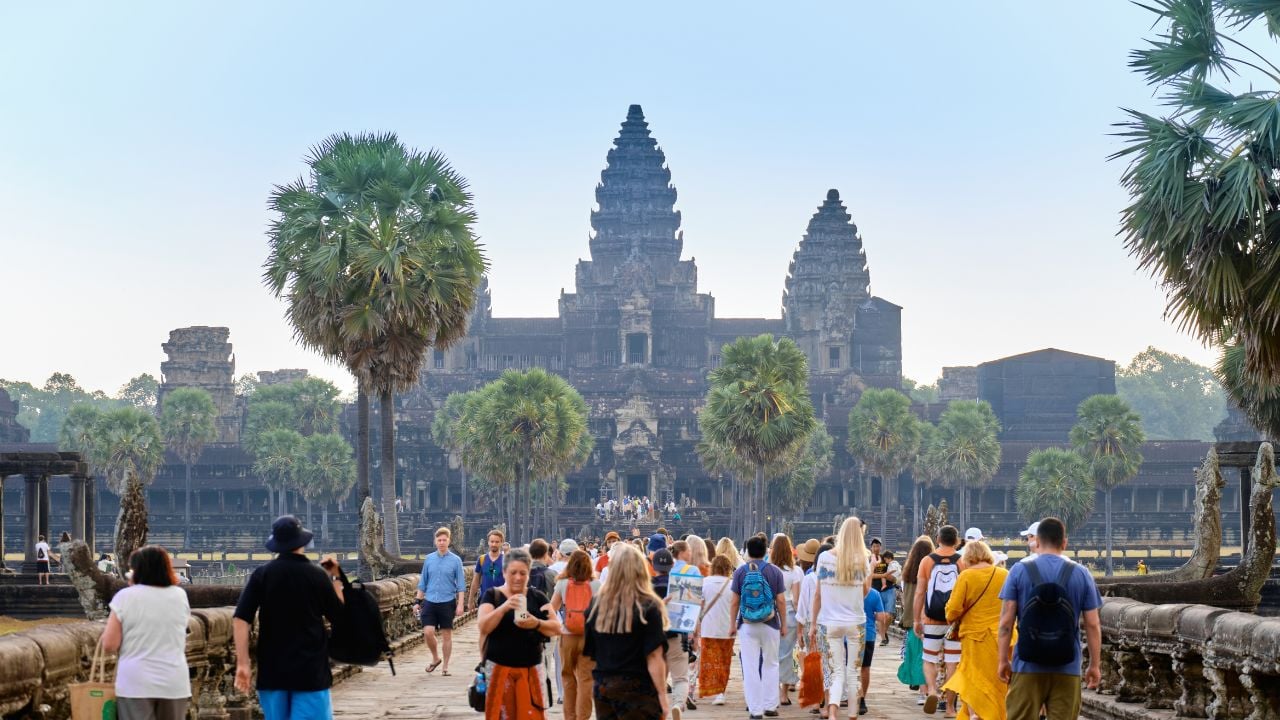
Angkor visits often start before sunrise, when clothing mistakes are harder to fix. The Angkor Visitor Code of Conduct says revealing clothes such as shorts or skirts above the knees and bare shoulders are prohibited in sacred places. Respectful dress is strongly encouraged across Angkor.
Heat-friendly clothing still needs the right cut. Loose travel pants, below-knee shorts, a longer skirt, a short-sleeve shirt, or a breathable long-sleeve shirt can handle sun, stairs, dust, and temple rules better than a tank top and short shorts.
Angkor involves long walks, uneven surfaces, temple stairs, exposed sun, and crowded photo points. Clothing should allow movement without slipping out of place or requiring constant adjustment.
Plan the outfit the night before a sunrise visit. A rushed early pickup leaves little room to replace uncovered shoulders, above-knee shorts, or shoes that do not handle dust and stairs well.
5. Bali’s Temple Gates, Indonesia

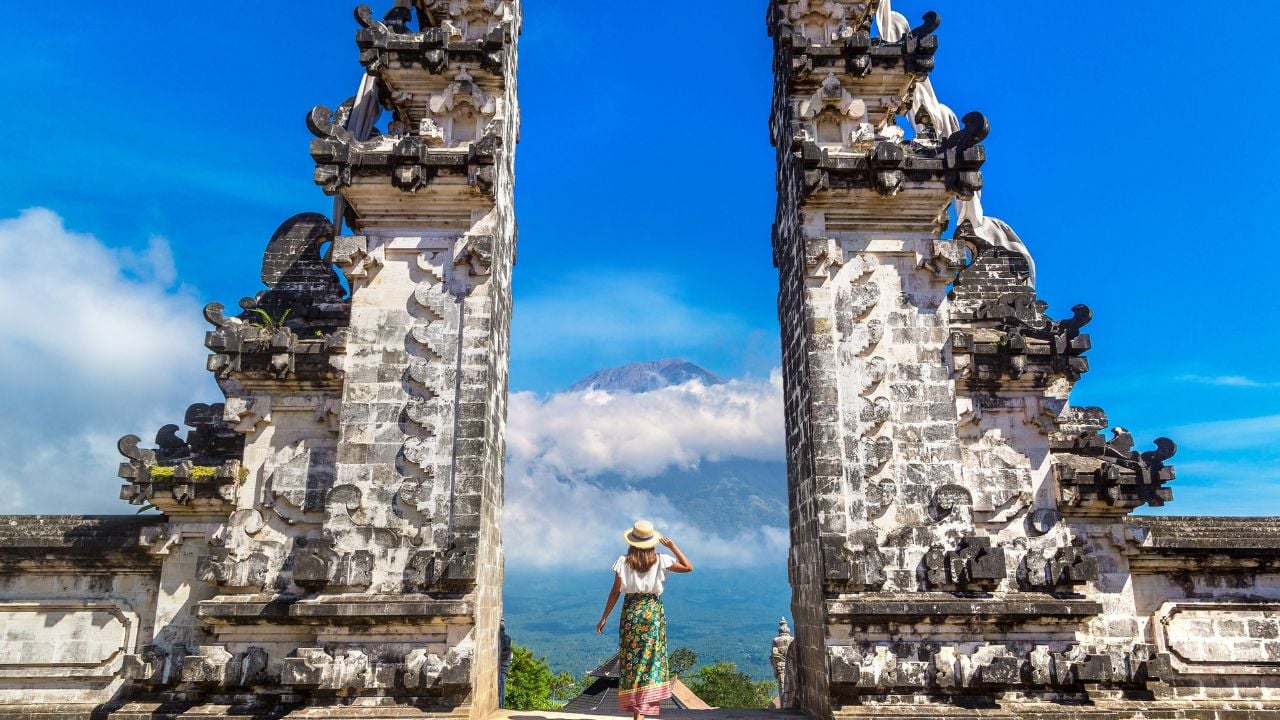
Bali’s beach clothing does not automatically transfer to temples. Official Love Bali guidance from the provincial government tells visitors to dress modestly and appropriately, especially when visiting temples or attending religious ceremonies. The guidance also tells visitors to respect Balinese customs and traditions.
Temple visits may require more than general modest clothing. Many sites expect a sarong or sash, and ceremony days can add local restrictions. Visitors should check the specific temple before arrival, especially at famous photo stops or active religious sites.
A Bali day can move quickly from pool, beach club, or scooter ride to a temple gate. Pack a sarong, a shoulder-covering layer, and clothing that does not rely on swimwear underneath. A small day bag can carry the temple layer without changing the whole outfit.
Guides, ticket counters, or rental stalls may help at some sites, but travelers should not rely on last-minute fixes. Temple clothing belongs in the plan before leaving the hotel, especially when the route includes Lempuyang, Besakih, Tirta Empul, Uluwatu, or another sacred site.