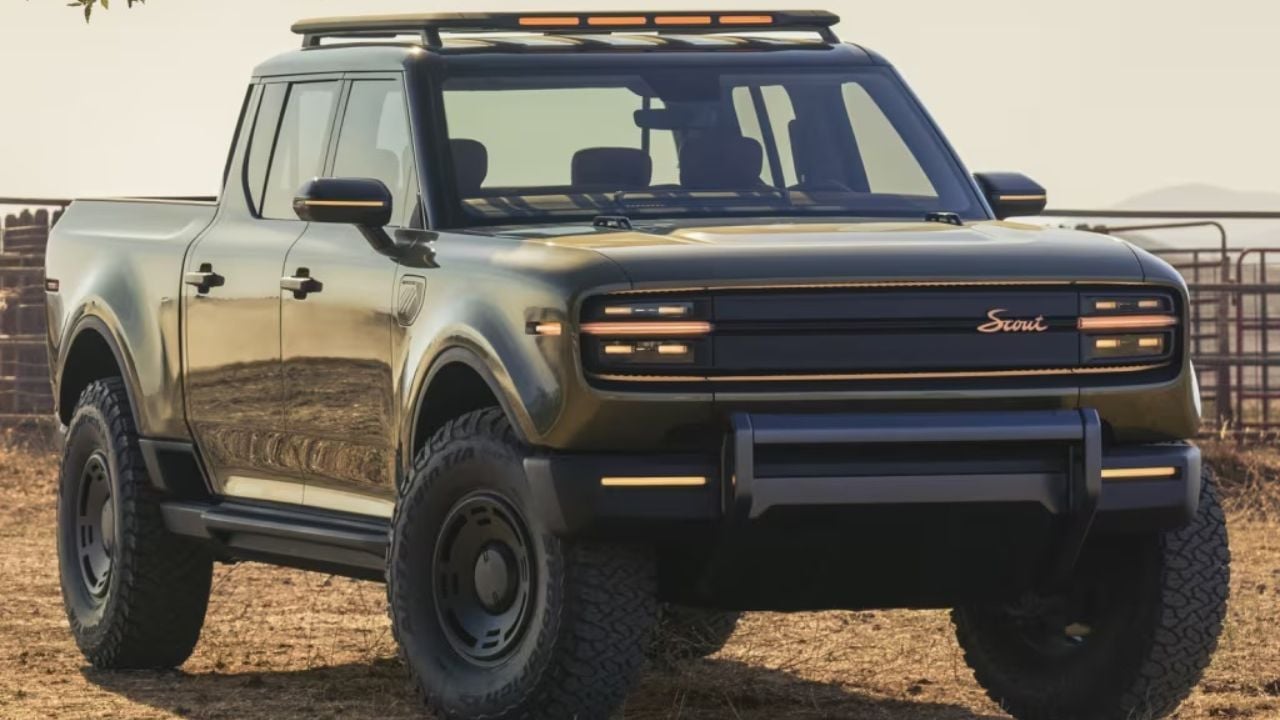
Scout Motors is bringing back one of America’s most beloved off-road names, but it isn’t doing it in the most predictable way.
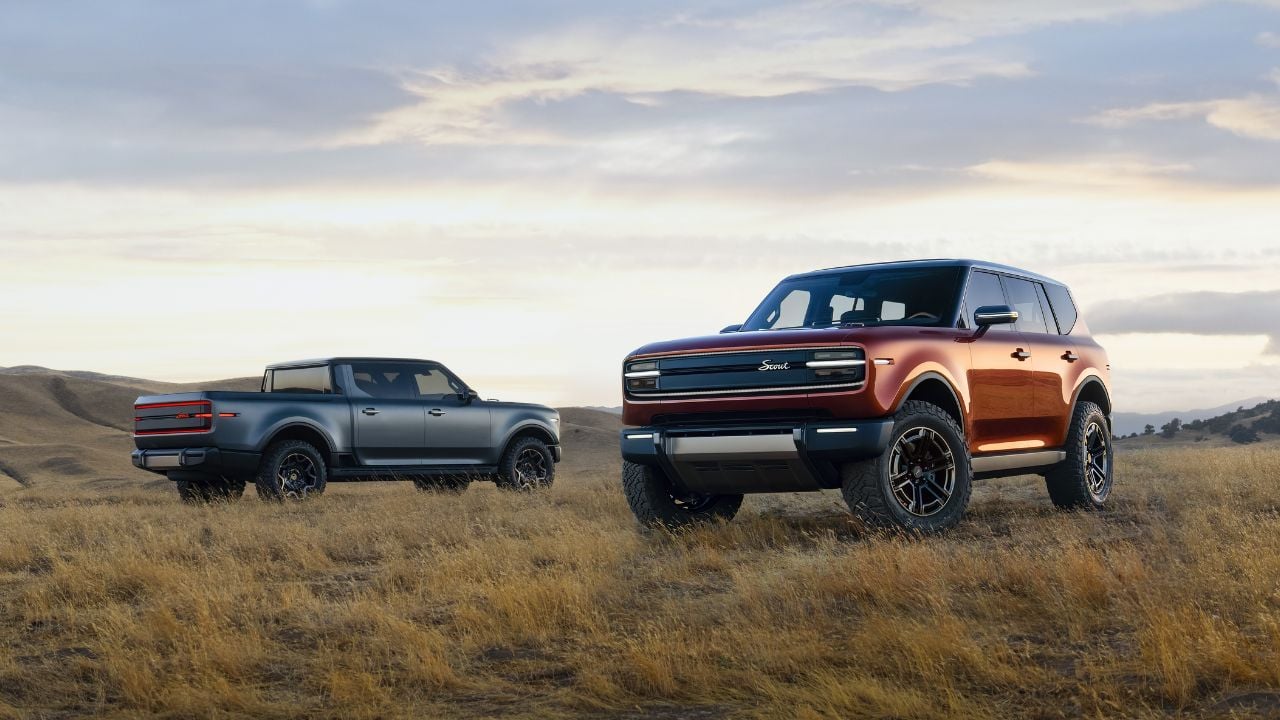
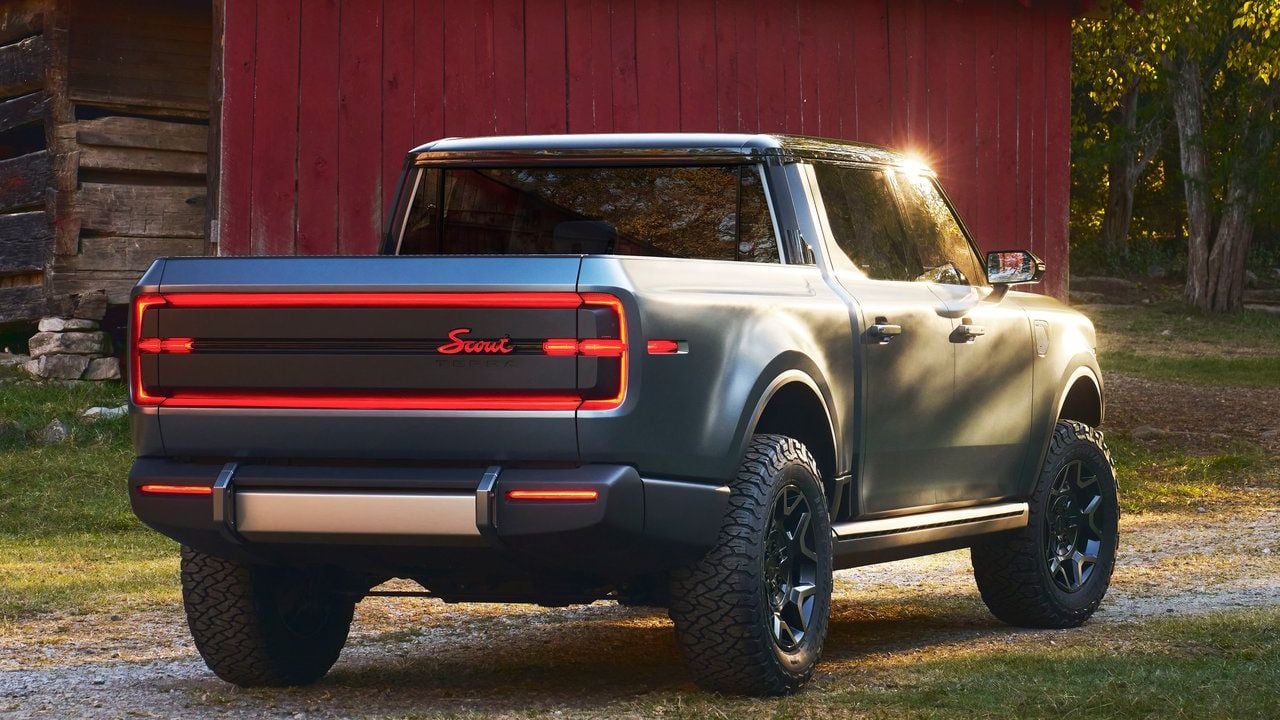
The upcoming Scout Traveler SUV and Terra pickup were first shown as electric vehicles, but Scout quickly realized something important: a lot of truck and SUV buyers still aren’t ready to go fully electric.
That’s where the range-extender version comes in.
Now, newly uncovered patent drawings have given us our first proper look at where Scout plans to put the gasoline engine… and it’s not under the hood.
Scout Is Putting The Engine Behind The Rear Axle
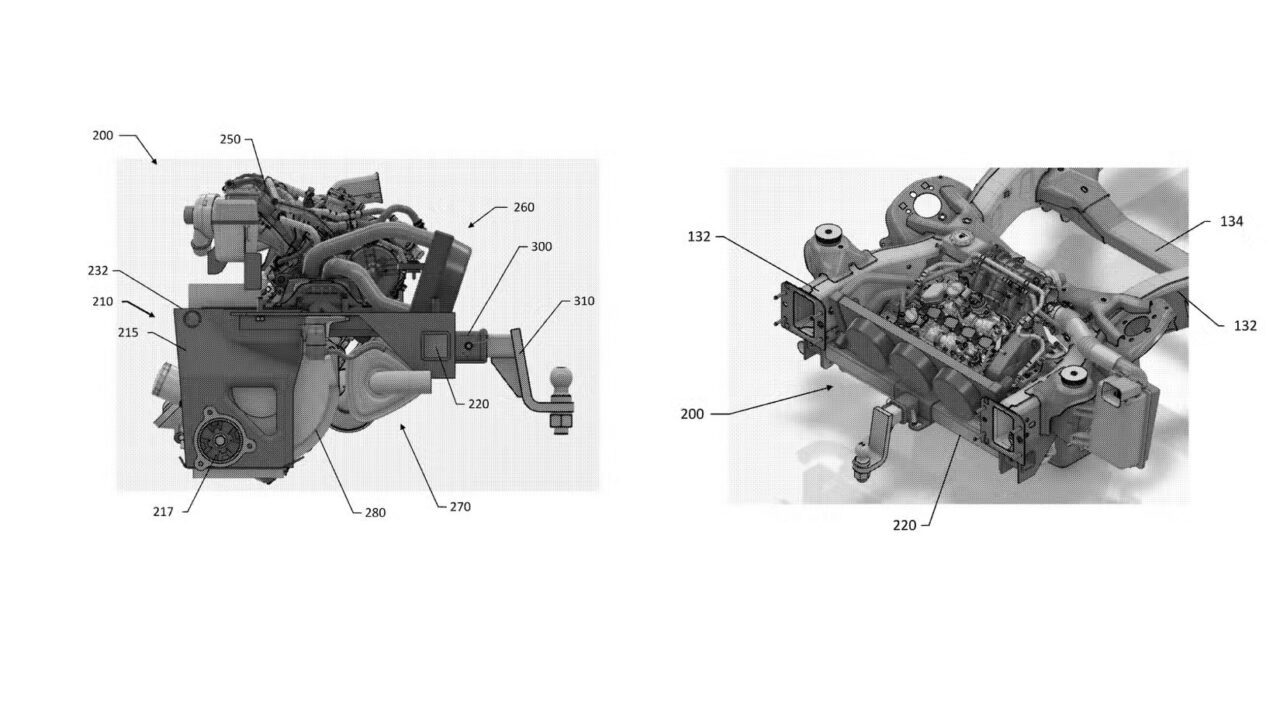
According to the patent filings, Scout’s range-extender engine will sit at the very back of the vehicle, behind the rear axle.
That’s unusual for a modern truck or SUV.
In fact, it sounds more like something from a classic Volkswagen bus or a Porsche 911 than a rugged American off-roader.
The reason is packaging. Since the Traveler and Terra were designed as EVs first, Scout didn’t want to sacrifice the front trunk or redesign the entire vehicle around a conventional engine layout.
The Engine Is Only There To Generate Electricity
This is important: the gas engine won’t drive the wheels directly.
Instead, it works as a generator to recharge the battery while the vehicle continues using electric motors for propulsion.
Scout describes it as a modular power source, mounted to a rear subframe with vibration-isolating mounts, cooling hardware, and a generator attached.
The goal is to add serious extra range without completely changing the EV platform.
Scout Had To Lay The Engine Over
A normal upright engine would create obvious packaging problems at the rear of a truck or SUV.
Nobody wants a pickup bed sitting absurdly high just to clear a gas engine.
So Scout’s patent shows a transverse four-cylinder engine tilted over by as much as 50 degrees to reduce height and fit between the frame rails.
It’s clever, but also slightly strange, which, honestly, makes it more interesting.
There Are Still Some Big Questions
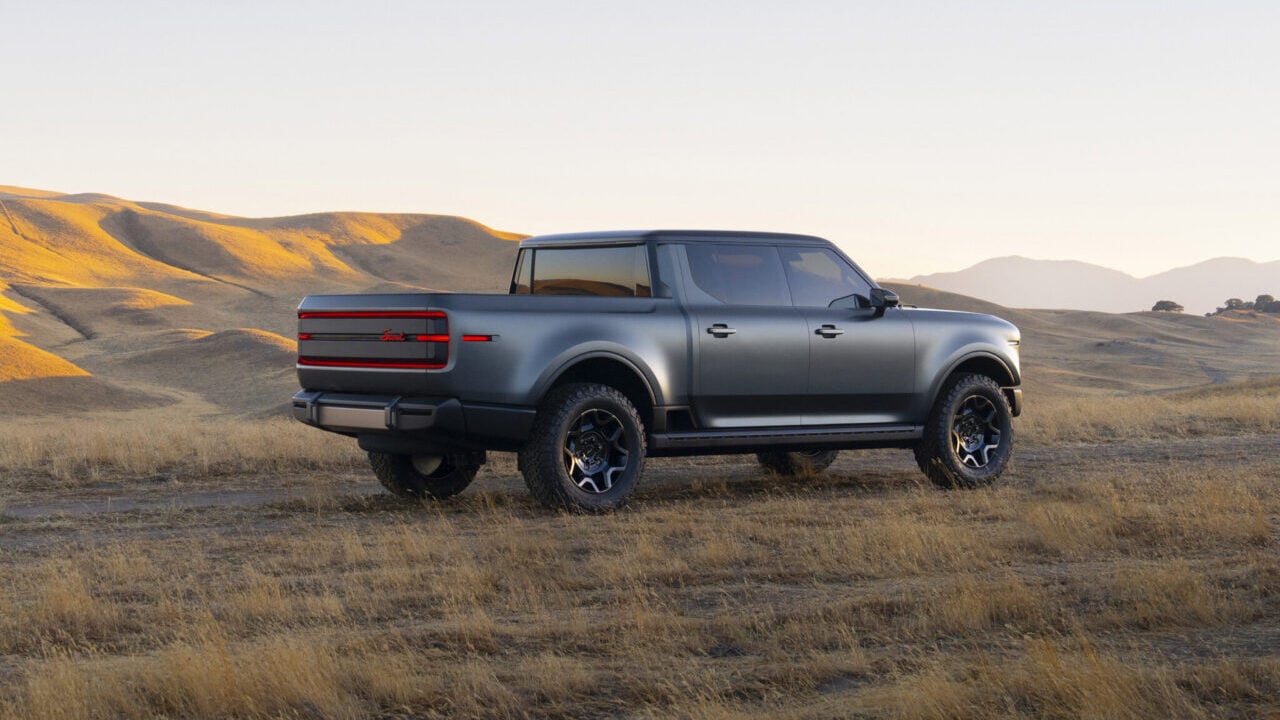
The biggest unanswered question is where the fuel tank will go.
The patent doesn’t clearly show its final location, though Scout has previously shown it ahead of the rear axle and rear motor.
There are also durability questions.
A rear-mounted engine could create extra stress on the frame, especially when towing or off-roading. Add trailer tongue weight, suspension movement, and rough terrain into the mix, and Scout’s engineers clearly have plenty of work ahead.
There’s also the issue of protection. A low rear-mounted engine may need serious shielding if buyers are expected to use these vehicles like proper off-roaders.
Most Scout Buyers May Choose The Range Extender
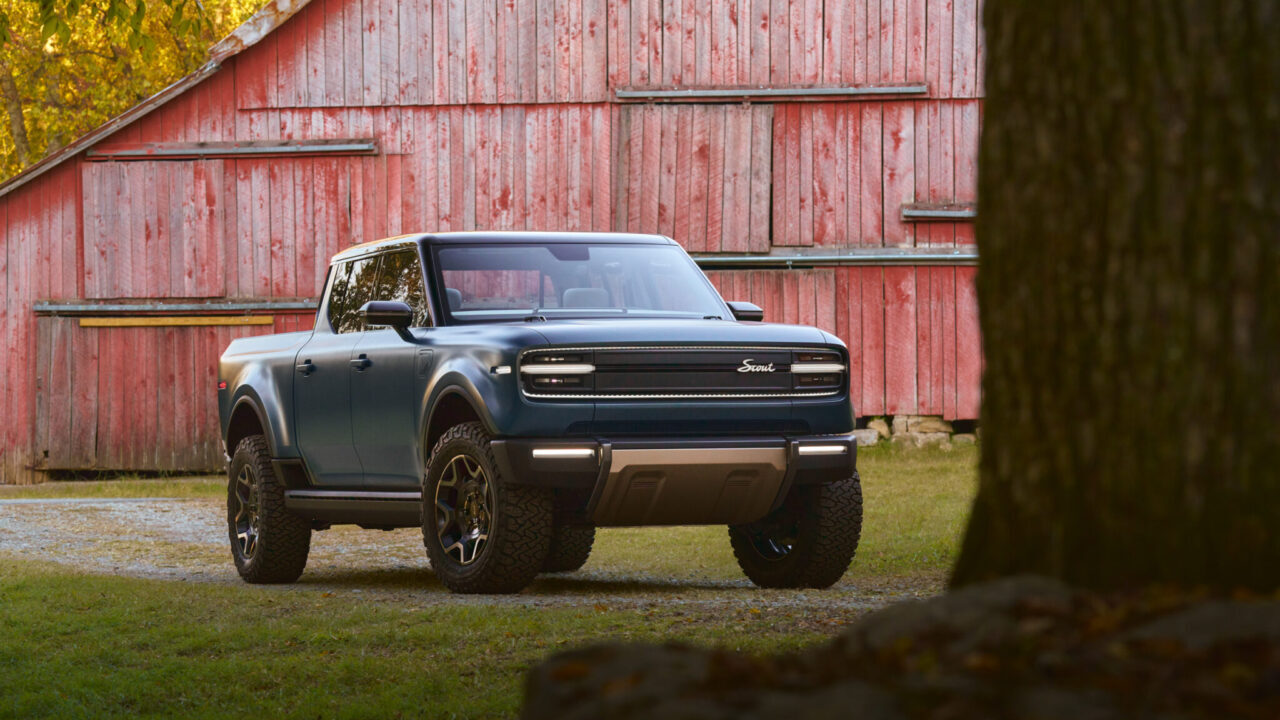
Scout has previously said it expects the range-extended EV version to account for around 70% of sales. That makes sense.
A fully electric off-roader sounds cool, but buyers who tow, camp, travel long distances, or live far from reliable charging infrastructure will want backup.
The range extender gives them that safety net while still preserving the electric driving experience.
Production Is Still A While Away
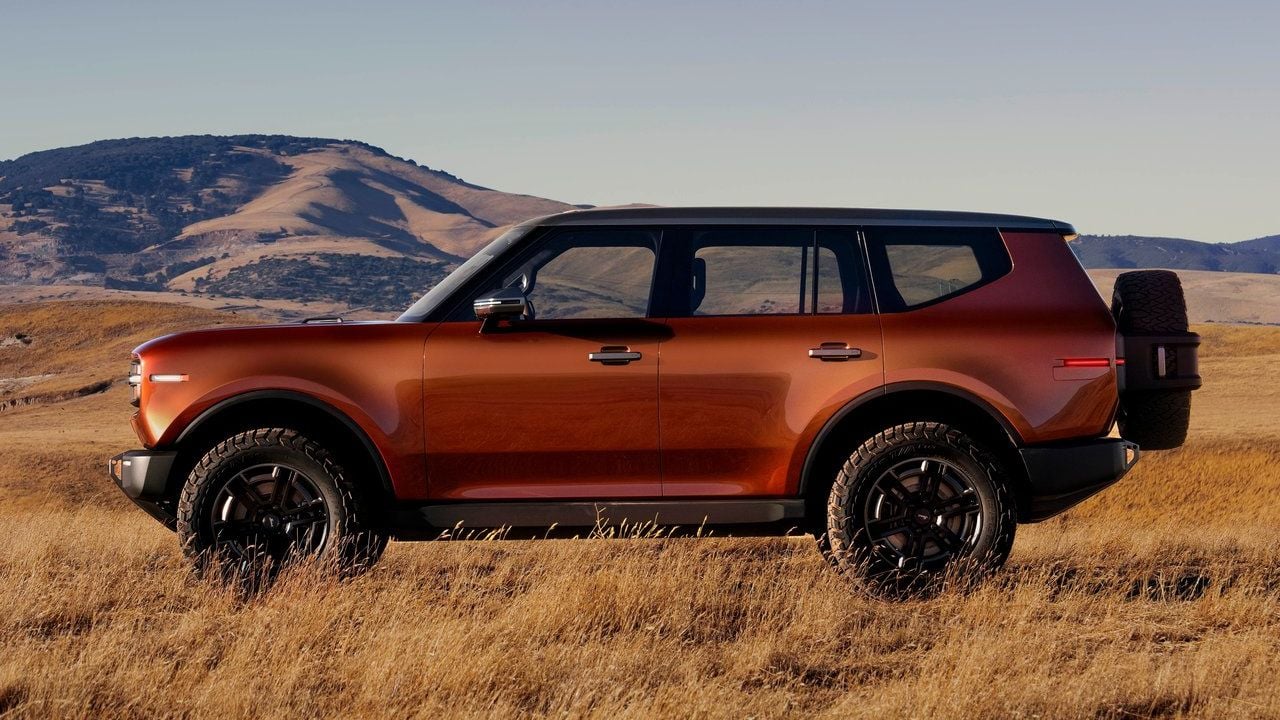
Scout says initial production is targeted to begin in 2027, with customer deliveries expected in 2028.
The company will begin building validation vehicles before that.
Patent filings don’t always guarantee production intent, so this exact layout could still change.
If Scout really does launch with a rear-mounted range-extender engine, it’ll be one of the strangest, and potentially smartest, solutions in the truck market.