
Russia’s own drone war has developed a strange new twist that sounds like a bureaucratic comedy with live ammunition.
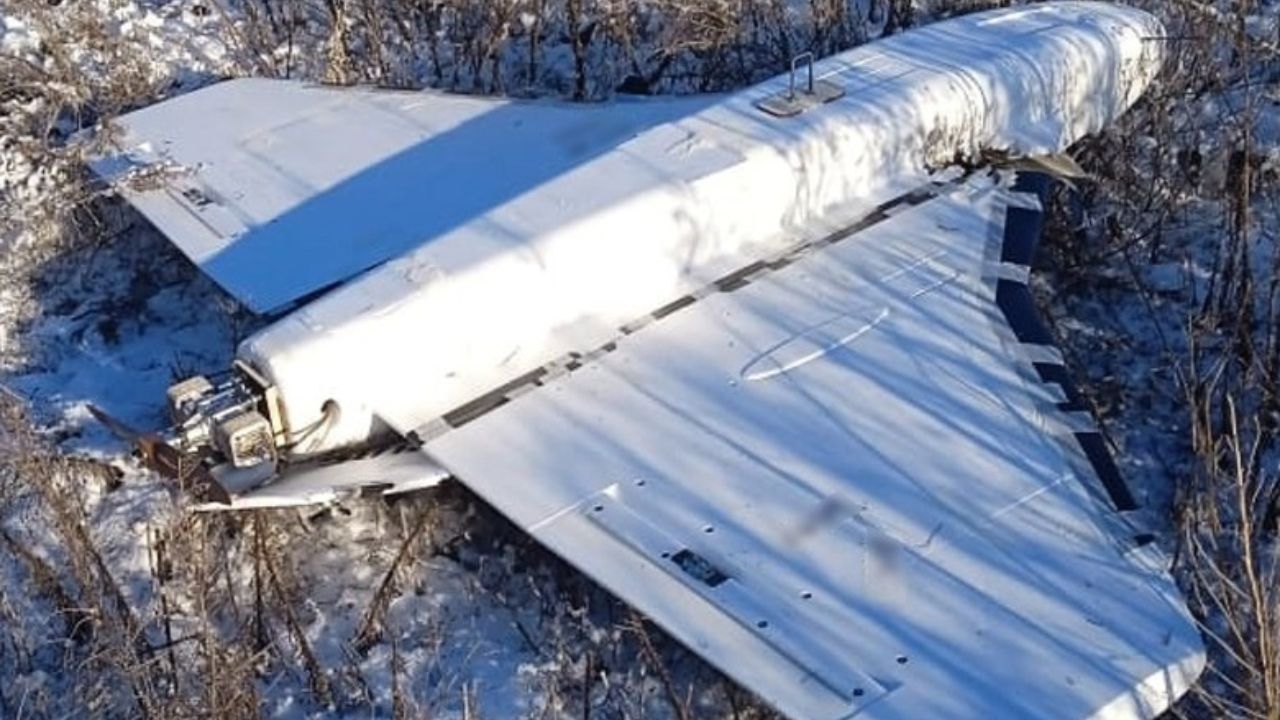
According to reporting from UNITED24 Media, Russian mobile fire groups are increasingly shooting down their own unmanned aircraft, then turning around and presenting the wreckage as enemy kills.
The logic, on paper, is simple enough. Down a drone, claim a reward, earn recognition. The execution, however, is where things begin to fall apart in spectacular fashion.
The core issue appears to be coordination, or rather the lack of it. Units operating anti-aircraft fire groups are not consistently informed about friendly drone flight paths. In the fog of fragmented communication, anything airborne becomes a potential target.
The result is a kind of airborne guessing game where identification takes a back seat to instinct and panic.
A Growing Pattern
Sources cited in the report, including data from the Drone Operator’s Chronicle, suggest that these misfires are not isolated incidents. Instead, they point to a widening structural problem.
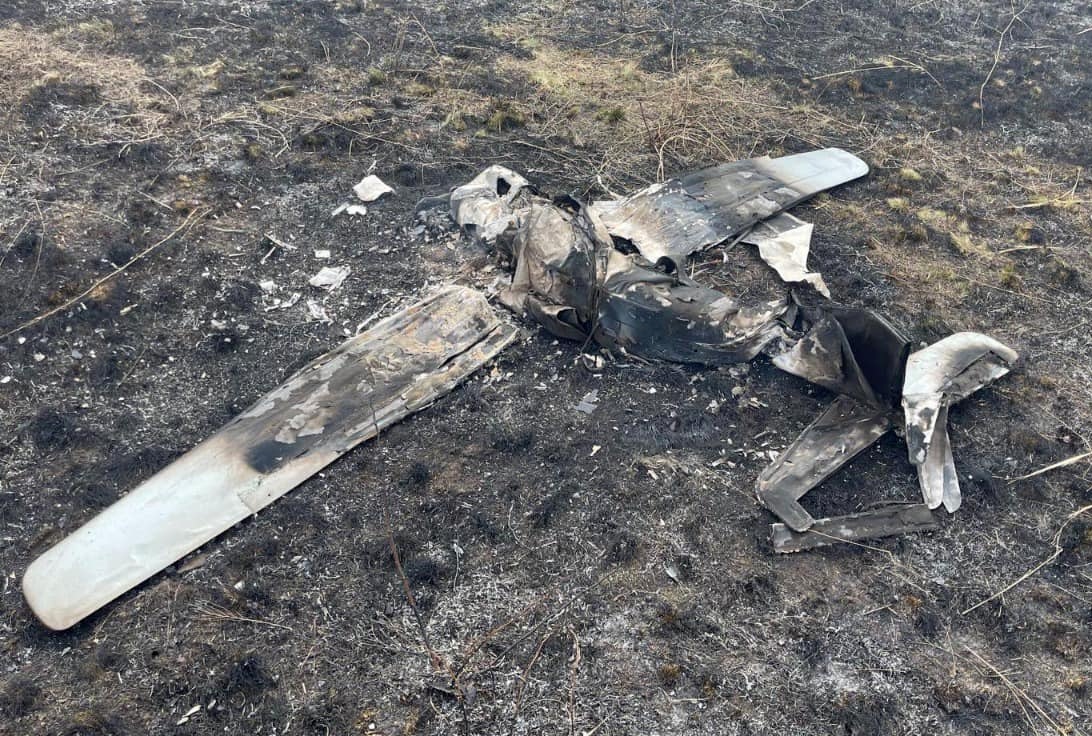
Russian military formations, especially those operating mobile air defense, are struggling to distinguish between their own unmanned systems and those deployed by Ukraine. When drones appear overhead, the default response is increasingly to shoot first and sort out ownership later.
That confusion has created an unexpected secondary problem.
Once the debris hits the ground, the incentive structure kicks in. Soldiers reportedly attempt to classify the downed equipment as Ukrainian in order to secure financial bonuses and official commendations. In a system where rewards are tied to confirmed kills, the identity of the wreckage becomes almost negotiable.
Photographic evidence referenced in the report shows a damaged Russian Molniya drone presented as a trophy. Apparently, if the drone is unrecognizable enough after impact, or if documentation is flexible enough, its origin can be rewritten after the fact.
In some cases, officers are allegedly adjusting markings or adding Ukrainian symbols to wreckage to align with expected narratives. It is battlefield accounting with a creative edge.
The Time Bomb
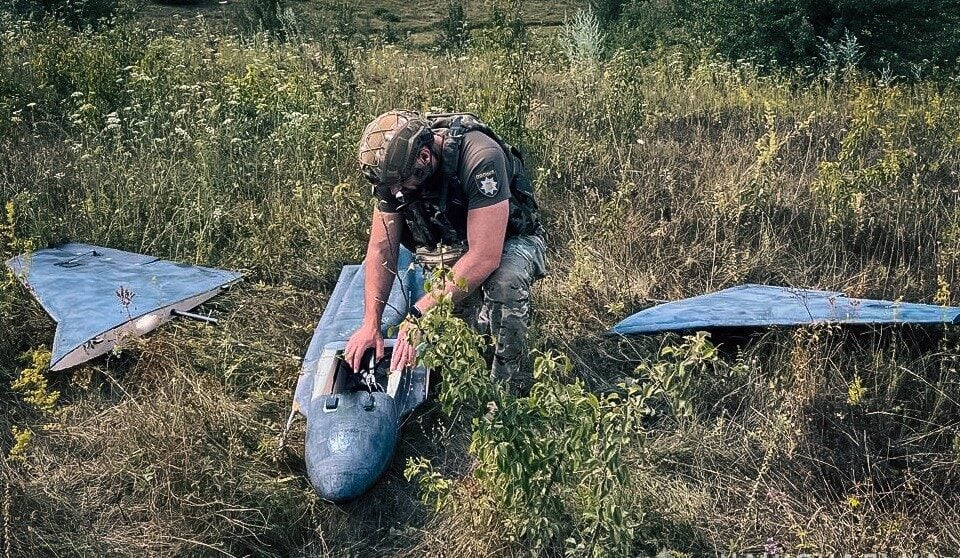
It would seem that Russian media commentary has not turned a blind eye to the issue. One pro military channel described the situation as a “time bomb,” warning that internal fire units may end up targeting nearly everything they see in the air. The prediction is not subtle.
As mistrust grows and coordination remains uneven, friendly skies risk becoming indistinguishable from hostile ones. The whole thing presents a sharp irony is sharp.
While internal systems struggle with identification, external threats continue to evolve. Ukrainian drone operations, particularly fast AI guided systems, are reported to be pushing Russian air defenses into a reactive posture.
High speed unmanned aircraft operating at significant range and through both day and night conditions add further strain to already stressed recognition systems.
Instead of tightening procedures, the system appears to be producing incentives that reward misidentification. When confirmation of a kill carries financial and reputational weight, accuracy becomes negotiable, and confusion becomes profitable.
Behind the Front Lines
Meanwhile, behind the front lines, the machinery of recruitment continues to turn.

The report notes that academic institutions, including Ufa State Petroleum Technological University, have encouraged students to bring in recruits for military contracts.
Promises of financial compensation and future academic benefits are being used as incentives, tying education systems more closely to manpower demands.
The reality of Russian soldiers shooting down own drones unintentionally and then taking advantage intentionally paints a sordid picture of a layered breakdown.
Communication gaps in the field, incentive structures that reward misclassification, and recruitment pressures from behind the lines all intersect in a system that increasingly struggles to distinguish signal from noise, even in its own ranks.
What emerges is not just a story about drones, but about how incentives and confusion can reshape behavior in unexpected ways. In this case, the sky is not only crowded with unmanned aircraft, but also with competing interpretations of who sent them, who shot them down, and who gets paid for the result.
Sources: United24, The Moscow Times