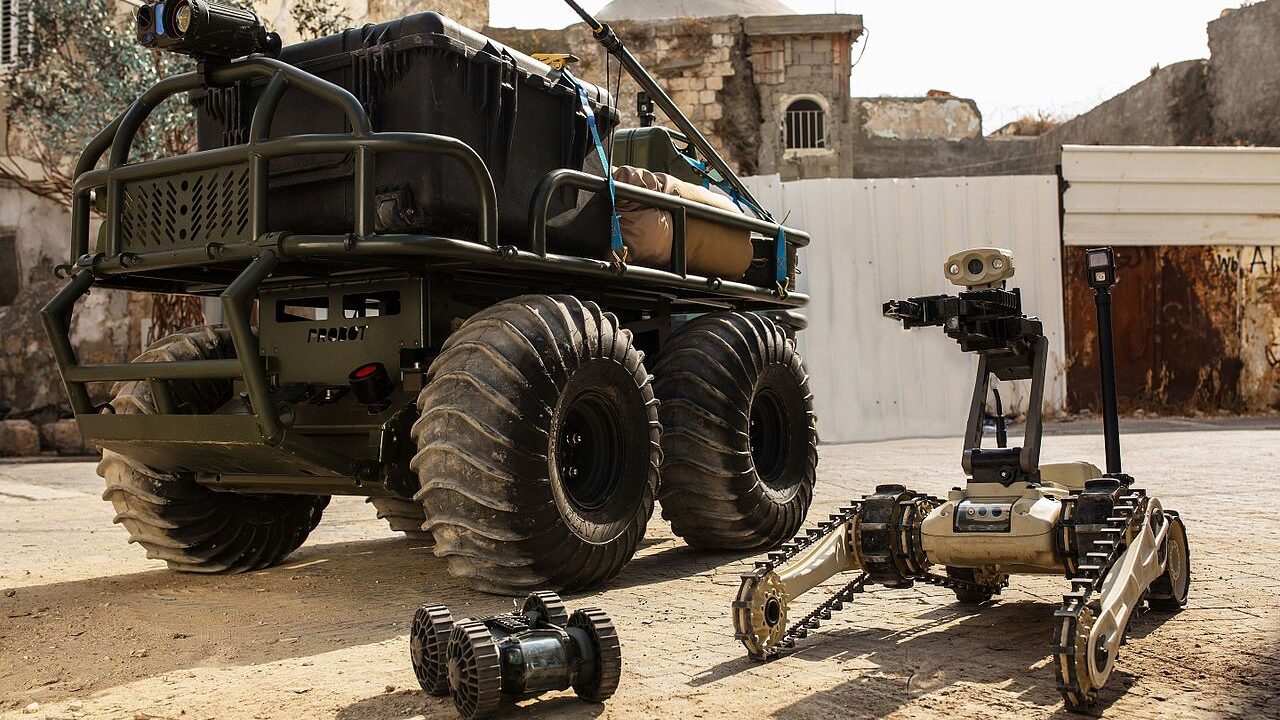

As Ukraine fights to tame the tide of Russia’s invasion, a quiet revolution is underway. Instead of relying solely on soldiers to haul supplies across dangerous frontlines, the country is betting big on machines.
At the center of this push is Mykhailo Fedorov, Ukraine’s minister of digital transformation, who has launched an ambitious procurement drive: 25,000 unmanned ground vehicles (UGVs) are being ordered, backed by contracts worth about $250 million and involving more than 280 domestic companies.
This scale of investment signals a profound shift. Ukraine’s military is reimaging battlefield logistics as a machine-led system.
President Volodymyr Zelenskyy has embraced the initiative, framing it as a life-preserving leap forward. He points to the more than 22,000 robot missions completed in just three months as proof that automation is already saving lives.
These machines are not abstract prototypes; they are actively ferrying ammunition, food, and medical supplies through areas too dangerous for human convoys. In Zelenskyy’s words, every robot that replaces a soldier in a high-risk mission is a step toward survival.
Robots that Fight and Haul
What makes Ukraine’s robotic surge striking is its versatility.
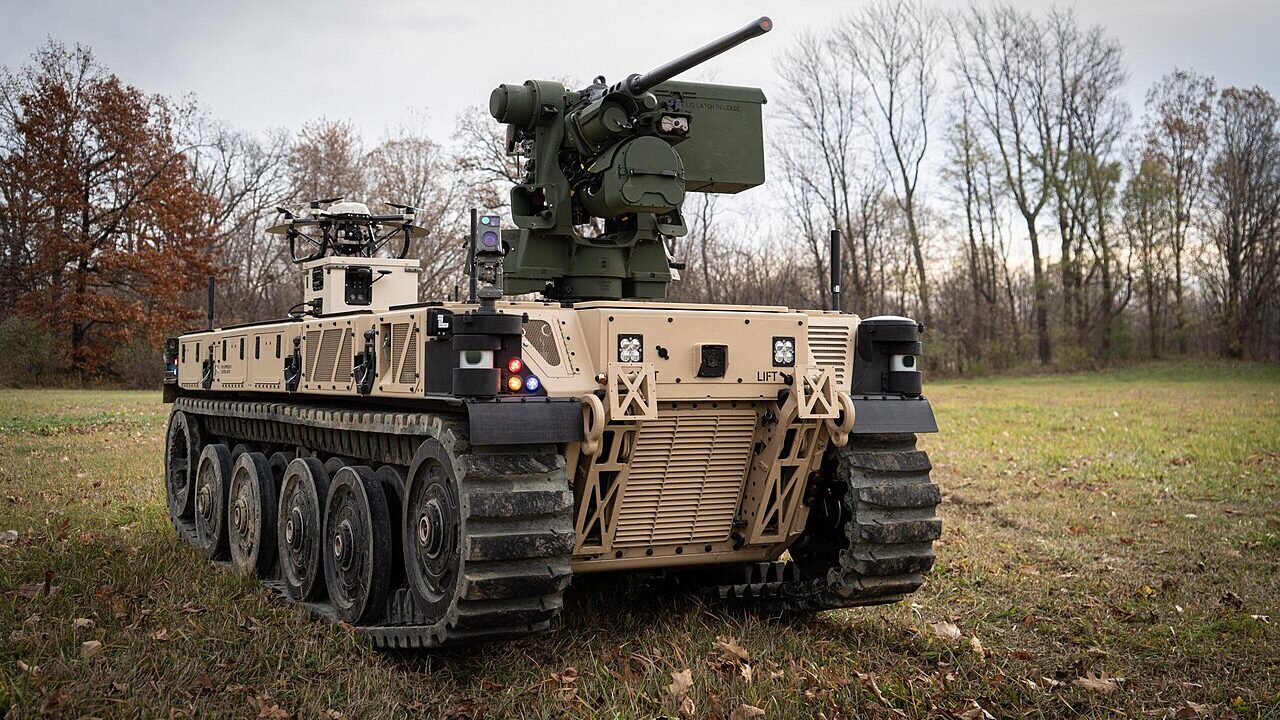
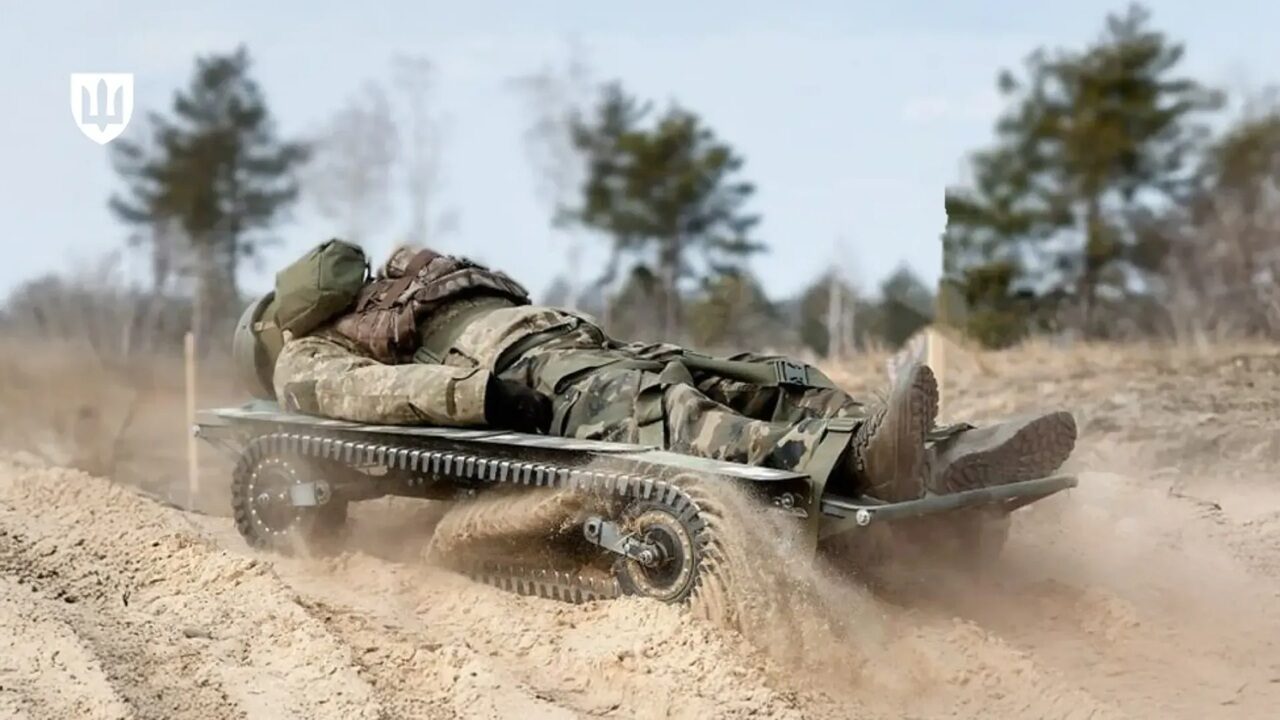
Military planners are not limiting UGVs to transport duties. Instead, they are expanding their role into combat support. Robots are being designed to evacuate wounded troops, lay mines, and even attack fortified positions.
Some are fitted with grenade launchers or machine guns, transforming them into hybrid platforms that can deliver supplies one moment and engage the enemy the next. In effect, Ukraine is building a multi-role robotic fleet that mirrors the adaptability of modern utility vehicles.
Engineers are accelerating deployment cycles by treating these machines like smartphones.
Software patches, bug fixes, and new combat features can be pushed remotely within weeks. This modular, software-driven approach means robots evolve in sync with rapidly changing battlefield conditions.
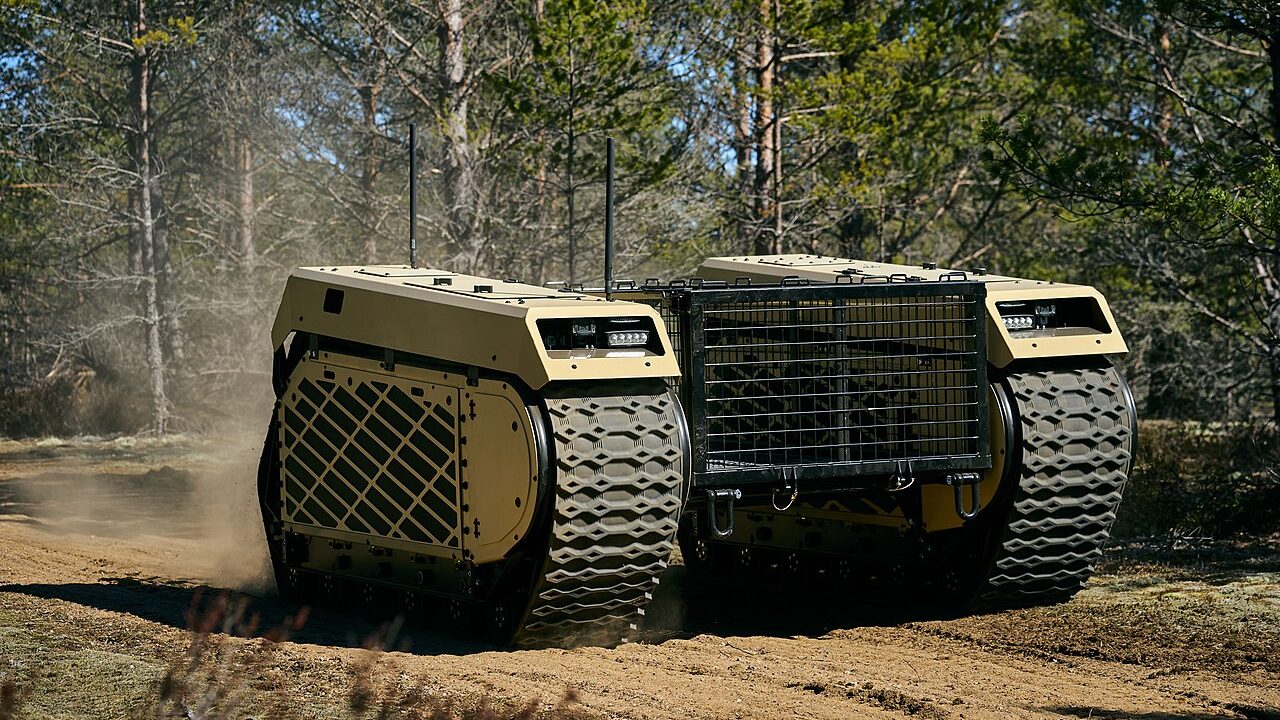
NATO observers are watching closely, seeing in Ukraine’s innovation a possible blueprint for future procurement strategies—one that prizes adaptability over static design.
From 2,000 to 22,000 Missions
The pace of adoption has been dramatic.
In the early months, robot missions numbered around 2,000 over half a year. Now, in just three months, that figure has surged past 22,000. The tenfold increase underscores how quickly automation has moved from experimental novelty to essential infrastructure in modern warfare.
Defense officials envision an end state where 100 percent of frontline logistics are handled by machines, removing humans from convoys that have historically been easy targets for artillery and drones.
Behind the scenes, Ukraine’s industry is mobilizing at scale.
Hundreds of firms are contributing; some specializing in chassis design, others in autonomous navigation, and still others in modular weapon systems. The result is a nationwide manufacturing ecosystem that functions as a real-time laboratory for low-cost, mass-produced military robotics.
Affordability is a deliberate choice.
Rather than investing in a small fleet of highly sophisticated machines, Ukraine is prioritizing large volumes of relatively inexpensive robots. In a prolonged, attritional conflict, quantity and resilience matter as much as cutting-edge sophistication.
The machines themselves are growing more capable.
Some platforms can carry loads equivalent to what ten soldiers might transport. This capability alone fundamentally alters the efficiency of resupply missions under fire.
Others are being tested in offensive roles, where they can be enlisted to capture enemy positions without deploying infantry. This marks a tactical shift: machines initiate assaults while human troops remain at safer distances.
Not a Silver Bullet
Yet challenges remain.
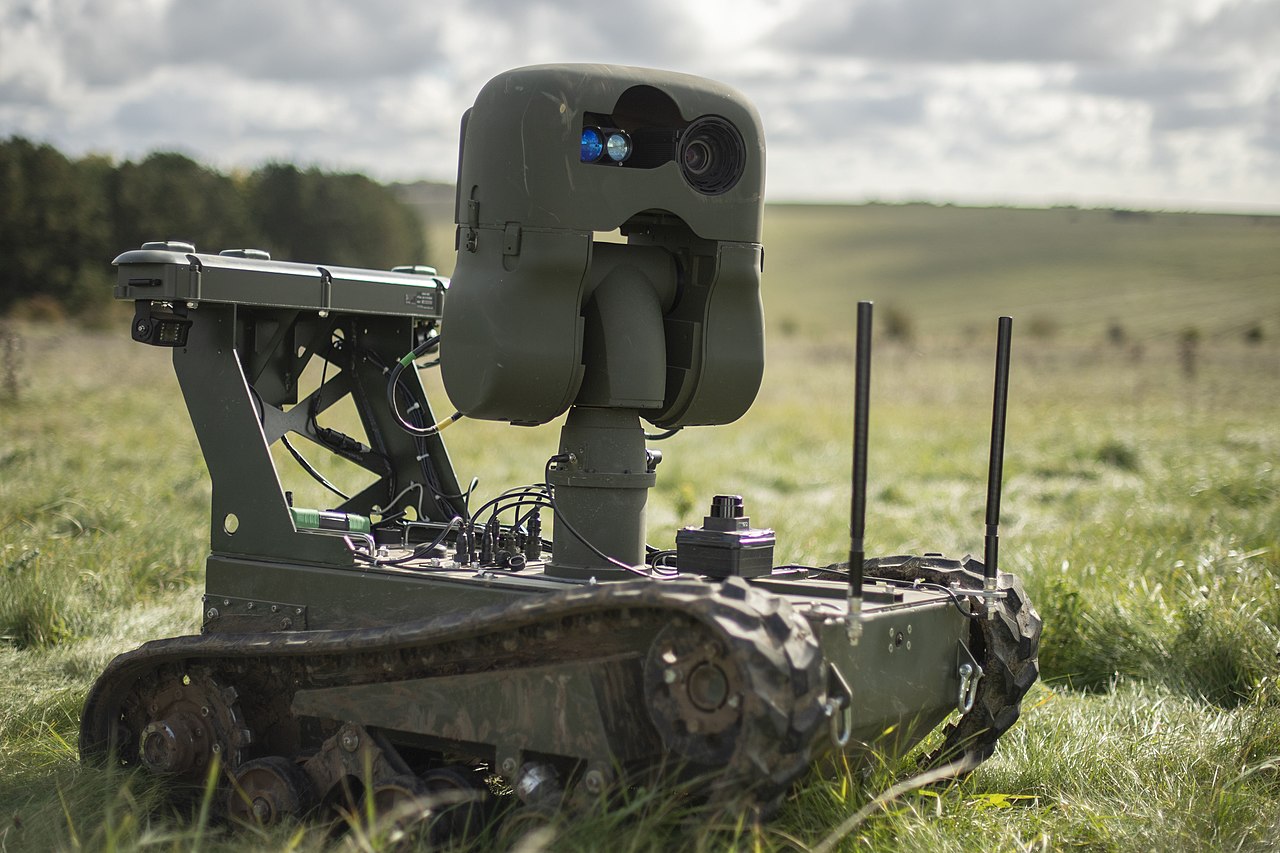
Robots struggle with rough terrain, electronic interference, and vulnerability to enemy drones. Engineers are working to overcome these limitations, but commanders acknowledge that human oversight and hybrid tactics are still critical.
Automation, then, is not a silver bullet, at least not yet. It is, however, a powerful tool that must be integrated carefully into broader strategies.
For Ukraine, the robotic transition is both a wartime necessity and a long-term technological pivot. Facing a larger adversary with limited manpower, automation is suddenly a survival strategy.
Military analysts note that Ukraine’s embrace of robotics reflects a deeper reality: sustaining combat operations over the long haul requires machines to shoulder tasks once borne by soldiers.
Policymakers see beyond the immediate conflict. They frame the robotic surge as positioning Ukraine at the forefront of a global shift in military technology.
The country has become a test case for how autonomous systems can redefine logistics, combat support, and the balance between human and machine on the battlefield. In doing so, Ukraine is not only fighting for survival but also rewriting the rules of modern war.
Sources: Business Insider, Business Insider, The Week