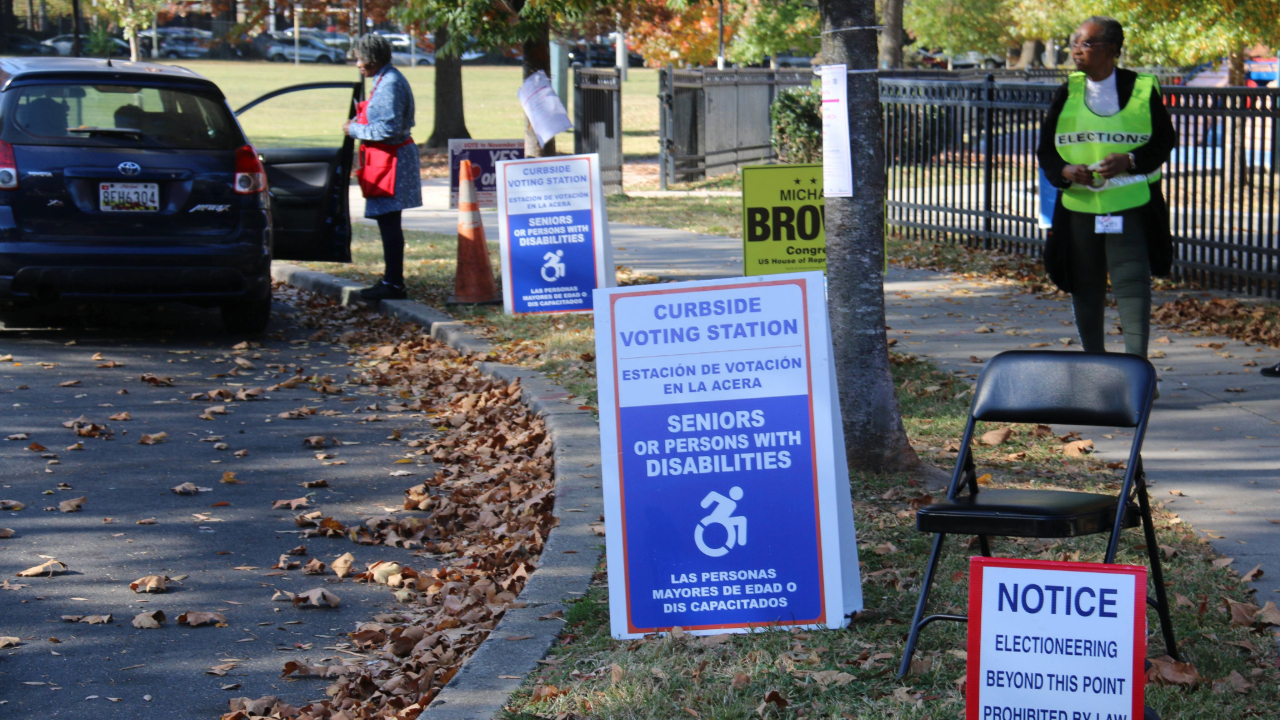
Let’s face it, Americans love doing just about everything without ever leaving their cars. Fast food, banks, pharmacies, oil changes, you name it. Staying behind the wheel is almost a lifestyle. And now, that whole drive-through mindset has reached something pretty serious: voting.
In places like Fairfax County, people can actually vote without stepping out of their car, thanks to curbside voting programs.
At first, it sounds kind of wild, a drive-through democracy, but it is part of a bigger effort to make elections accessible and smoother for everyone. At the same time, it shows just how tightly car culture is woven into everyday American life, even when it comes to civic duties.
How Curbside Voting Actually Works
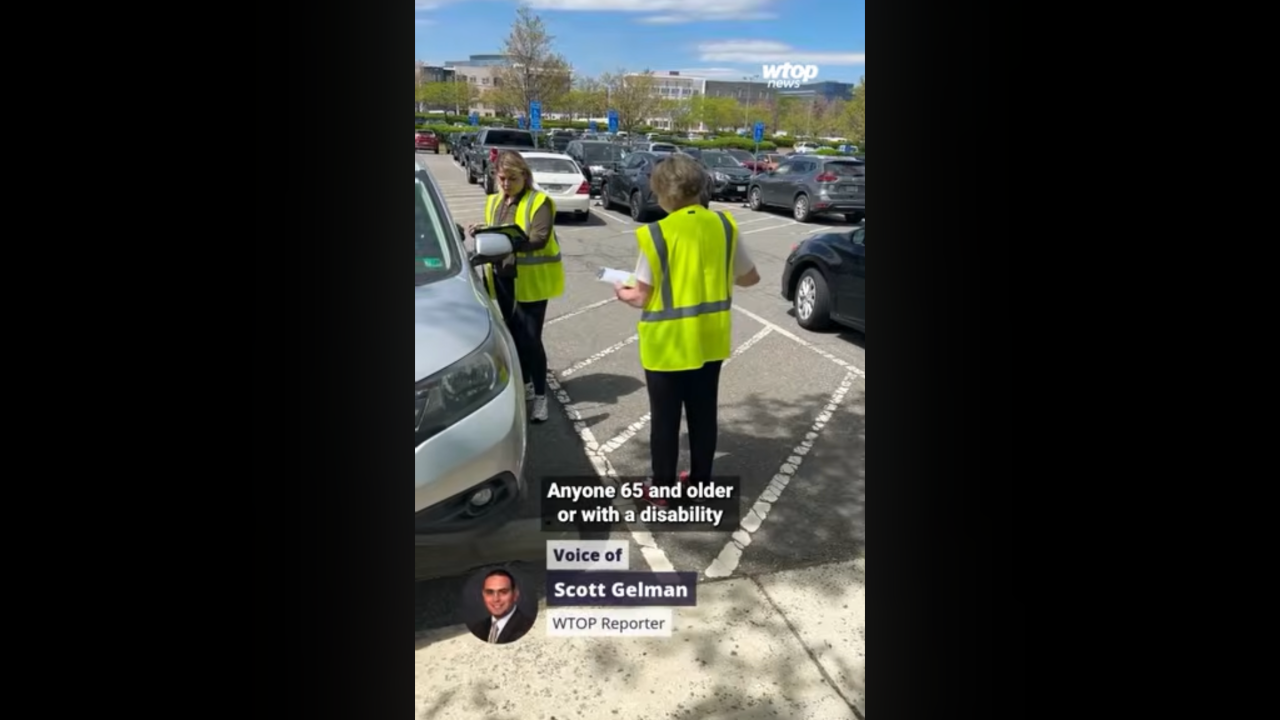
So, how does curbside voting actually work? There is a system to it. Election officials come out to your car, check your ID, and hand you everything you need. You fill out your ballot privately, usually with a secure folder, and then the officials take your ballot inside to make it count.
In some areas, depending on regulations and resources, they will even bring a voting machine right to your window. The whole idea is to help people who might have trouble walking into a polling place, such as older residents or people with disabilities, still get their voices heard.
You will not just find curbside voting in one county, either. Plenty of places around the country have their own versions, tailored to local laws and logistics.
At its center, curbside voting is not just about making things easy, at least not in the typical sense. It is really about breaking down barriers for people who struggle to get to a polling booth.
Accessibility at the Heart of the Program
View this post on Instagram
WTOP News reported on Fairfax County’s program, for example, which targets older residents and those who physically cannot make it inside. By letting them stay in their vehicles, election workers remove the stress of finding parking, waiting in lines, or dealing with complicated layouts.
That makes the system important for boosting participation, aiming to give everyone a real opportunity to vote. It is a sign of how American democracy is becoming more inclusive.
But the optics are interesting. Voting from your car fits almost too perfectly with the stereotype of American car dependency. It makes you wonder if the line between accessibility and convenience is starting to blur.
This all connects to a bigger cultural conversation. America was built for drivers, with large suburbs, extensive highways, and services designed for people who prefer to stay in their cars. Now even voting has taken on that approach, which highlights just how strong that influence is.
A Sign of the Times
Some people are skeptical, saying it reflects an overreliance on cars. Others point to the real benefits for those who genuinely need the support. Both perspectives have merit. Curbside voting is helpful for people with mobility issues, but it also assumes access to a car, which is not the case for everyone.
In the end, curbside voting is a mix of practicality and cultural identity. It solves real problems, but it also reflects how car-centric America has become. The fact that people can vote from their vehicles might sound unusual, but it also feels like a natural extension of existing habits. When so much of daily life happens from behind the wheel, it is not surprising that voting has followed a similar path.
What matters most is how the system is used. If it helps more people take part in elections, that is a positive outcome. At the same time, it raises questions about how infrastructure and daily habits shape important civic processes.
Curbside voting is more than just a quirky headline. It offers a snapshot of modern America, where convenience, accessibility, and car culture intersect.