
A 21-year-old Chinese national was taken into custody at John F. Kennedy International Airport just as he was preparing to leave the United States, closing a case that blends aviation, national security, and the rising strain between Washington and Beijing.
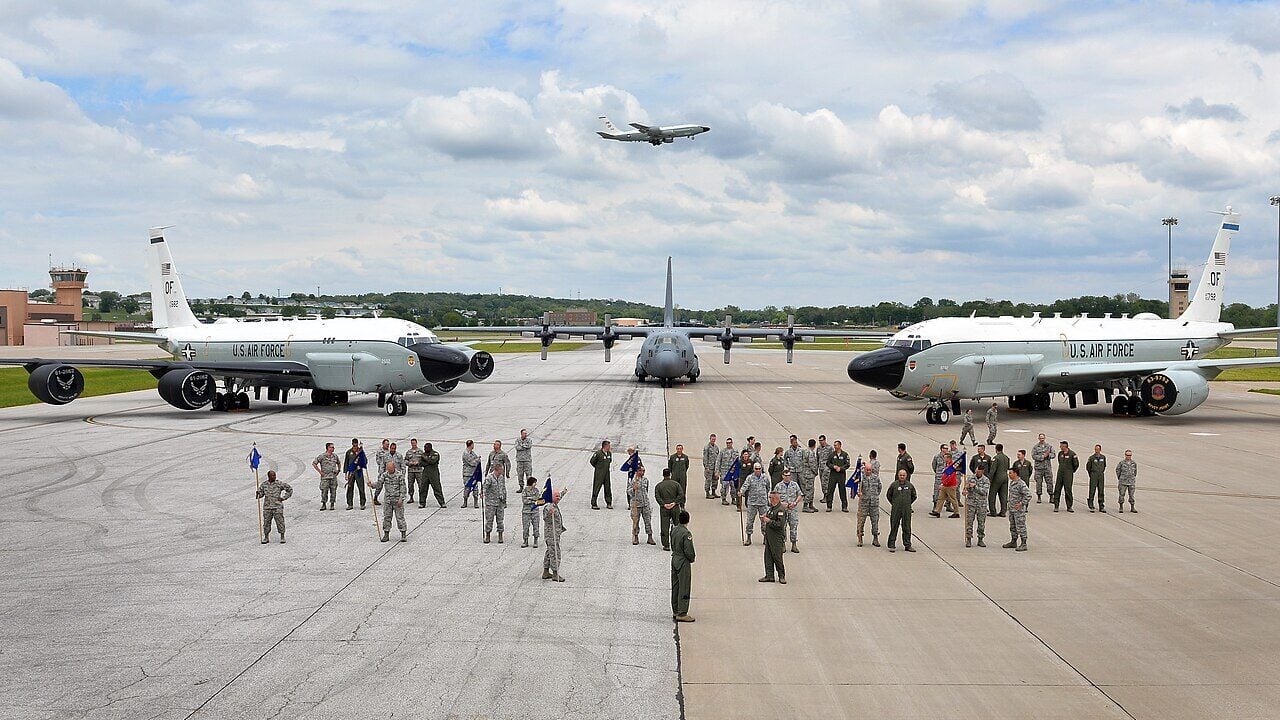
Federal authorities say Tianrui Liang had spent days photographing highly sensitive U.S. military aircraft near Offutt Air Force Base, one of the most strategically important air bases in the country.
Offutt is home to U.S. Strategic Command, which oversees America’s nuclear deterrent and global strike capabilities. That alone elevates any unusual activity near the base into serious territory.
The ‘Doomsday Plane’ in His Viewfinder
According to investigators, Liang used a camera equipped with a long-range telephoto lens to capture detailed images of aircraft operating in and around the base perimeter.
Among the planes photographed were the RC-135, a surveillance platform packed with signals intelligence equipment, and the E-4B Nightwatch, widely known as the “doomsday plane.”
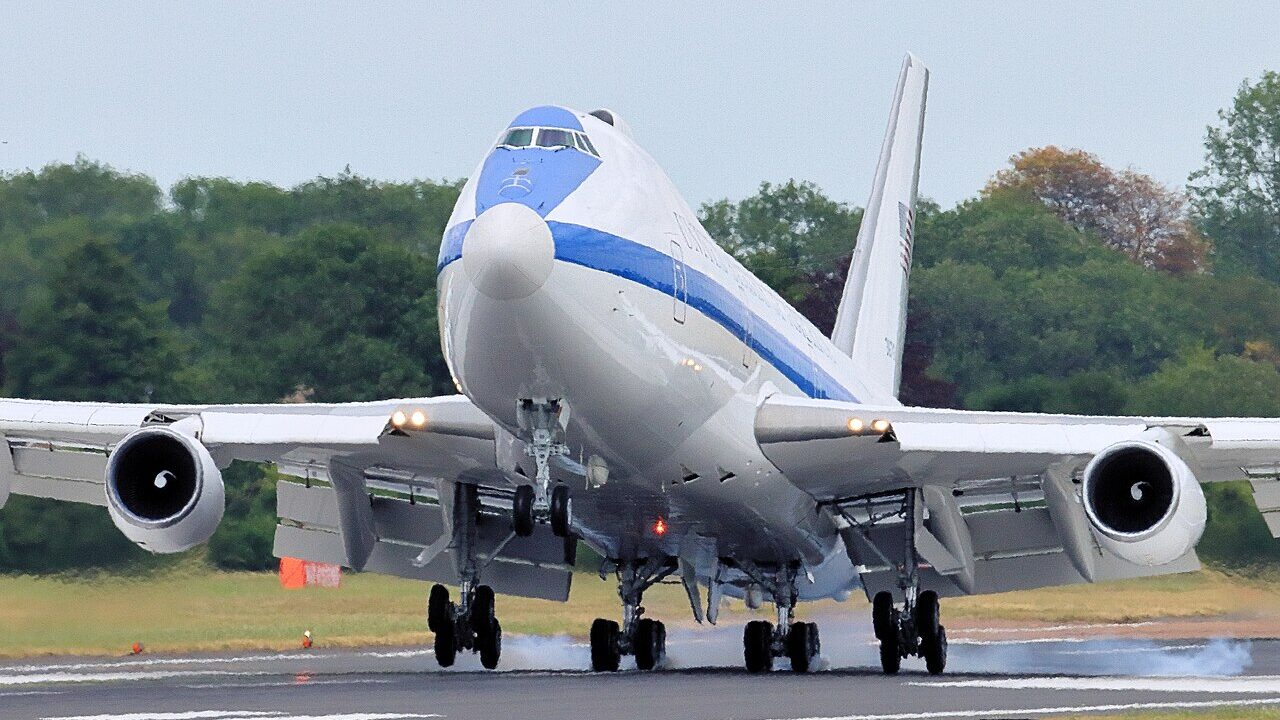
The E-4B serves as a flying command center designed to keep U.S. leadership connected and operational during a nuclear crisis.
A local witness reportedly noticed Liang’s behavior and alerted authorities after spotting him positioned with a high-powered camera aimed toward the base.
That tip set off a chain of events that led federal agents to identify, track, and eventually intercept him before he could board an outbound international flight.
When agents examined his equipment, they found multiple high-resolution images of military aircraft. Prosecutors say Liang admitted to taking the photos and claimed they were for personal interest.
However, officials allege he was aware that photographing certain military assets without authorization is prohibited under U.S. law.
More Than One Base on His List
The timing and context of the incident add another layer of significance. Relations between the United States and China have been under sustained pressure across several fronts, including trade disputes, semiconductor restrictions, military posturing in the Indo-Pacific, and ongoing competition for technological dominance.
Incidents involving surveillance, whether state-backed or individual, are now viewed through a far sharper lens than they might have been a decade ago.
In recent years, U.S. officials have grown increasingly wary of activities that could be tied to intelligence gathering, particularly when they involve critical infrastructure or advanced military systems.
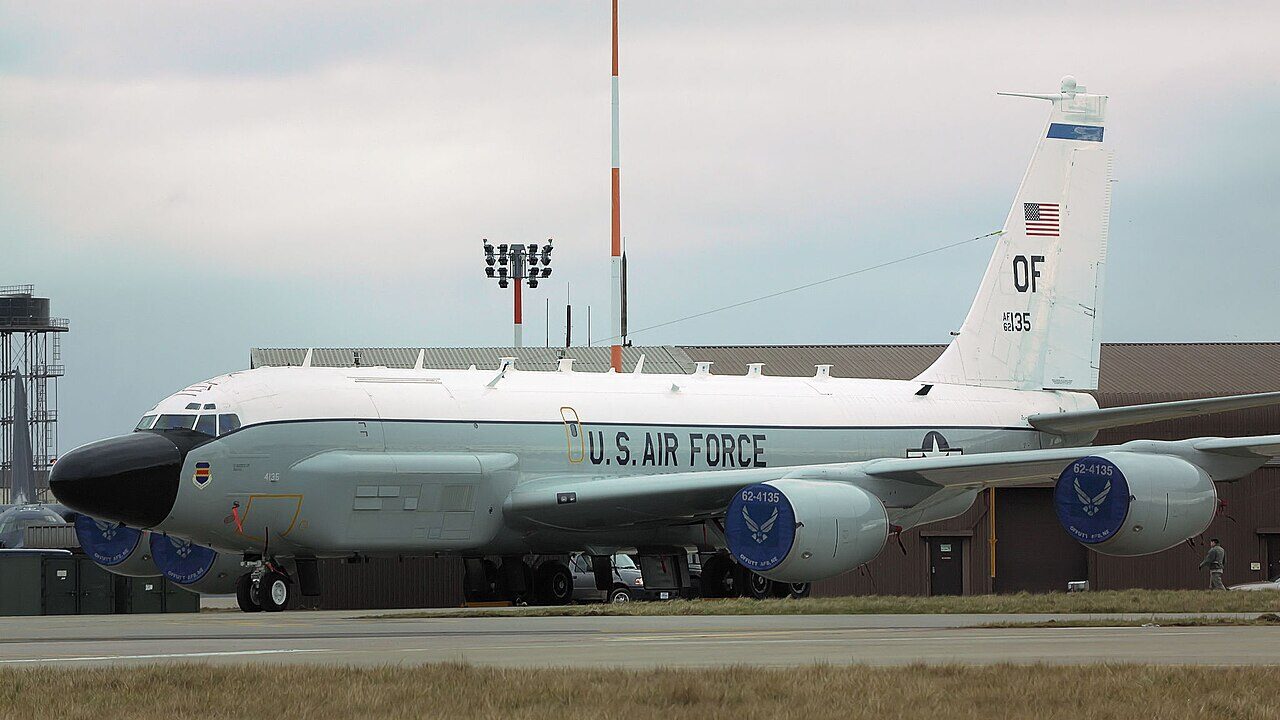
Aircraft like the RC-135 and E-4B represent decades of engineering, classified systems, and operational doctrine that adversaries would find valuable to study.
Investigators also believe Liang had plans to travel onward to another U.S. military installation in Oklahoma, suggesting a broader pattern rather than a single isolated visit. That detail is likely to play a role as the case moves through the legal system.
There has been no formal accusation linking Liang to the Chinese government, and authorities have not presented evidence that he was acting under official direction. Even so, cases like this tend to carry geopolitical weight far beyond the individual involved.
Each incident feeds into a wider narrative of mistrust between two global superpowers that are deeply connected economically yet increasingly divided strategically.
Beyond One Arrest
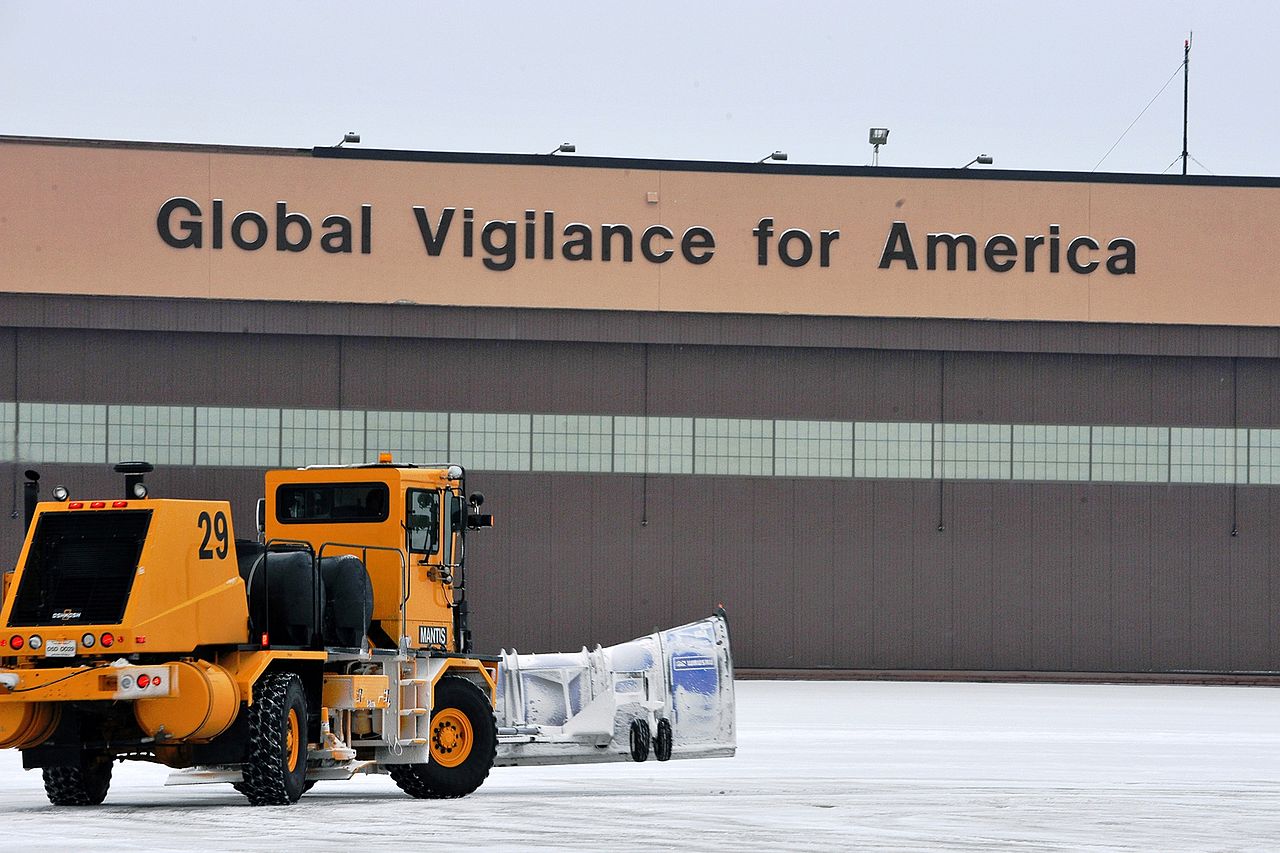
For the aviation and automotive world, the story highlights how modern military aircraft remain highly guarded assets even in an age where satellite imagery and open-source intelligence are widely accessible.
Physical proximity, lens quality, and timing can still reveal details that are not easily captured from space or public data.
Liang now faces federal charges tied to unauthorized photography of defense installations, a legal area that has seen renewed attention as security agencies adapt to evolving threats.
The outcome of the case will likely be watched closely, not just for its legal implications, but for what it signals about how seriously the U.S. is prepared to respond to perceived vulnerabilities around its most sensitive aviation assets.
Sources: FOX News