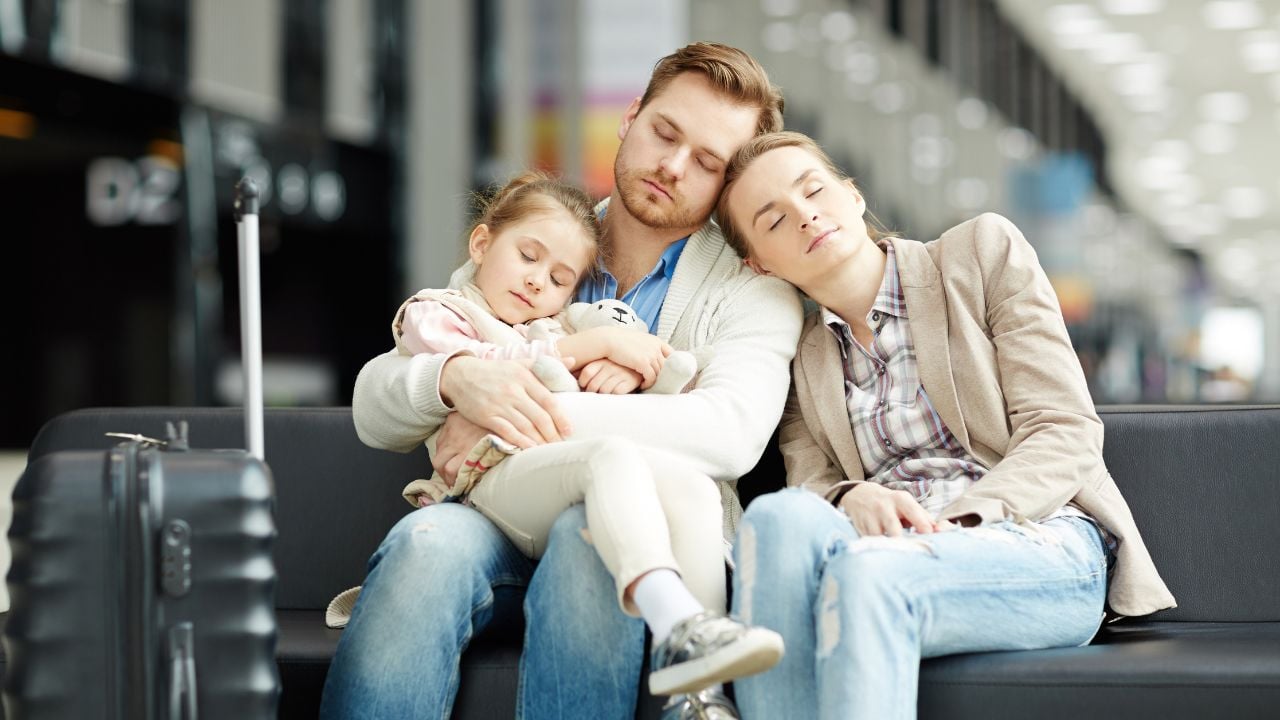
Family vacations are supposed to feel like a reset. In reality, a lot of parents come home needing a reset from the reset. The problem is not that the trip failed. It is that family travel often asks adults to stay “on” the entire time, even when the setting is beautiful and the photos look great afterward.
That is why this finding lands so easily. A June 2025 survey conducted by Talker Research on behalf of Yoto found that parents of children under 12 say it takes them an average of 2.4 days to feel fully like themselves again after a typical family trip. The same research also found that 71% often feel they need another vacation just to recover from the one they just took.
What makes the result feel believable is that the study does not describe family travel as calm, polished, or effortlessly magical. It describes something messier and more familiar than that. Many parents still want the memories, the bonding, and the break from routine, but they are also managing boredom, meltdowns, meals, movement, and the pressure to make the whole thing worth the effort.
That is where the recovery time starts to make sense. A family vacation can still be meaningful and fun while being tiring enough that the re-entry period stretches into the next workweek. The trip may be over once you get home, but the mental unwind often is not.
1. The Short Answer Is About Two and a Half Days

If you want the clean takeaway, it is this: parents said recovery takes a little more than two days. Talker Research’s survey of 2,000 parents with children under 12 found an average of 2.4 days before moms and dads feel fully back to themselves after a family getaway. That number gives the headline its weight because it is specific without sounding exaggerated.
What makes it interesting is that it lands in a believable middle ground. The study is not suggesting that every family trip is a disaster or that parents need weeks to recover. It points to something more familiar than that. Family travel can be meaningful and fun while still being draining enough that the bounce-back period lasts longer than many people would like.
2. The Stress Often Starts Almost Immediately
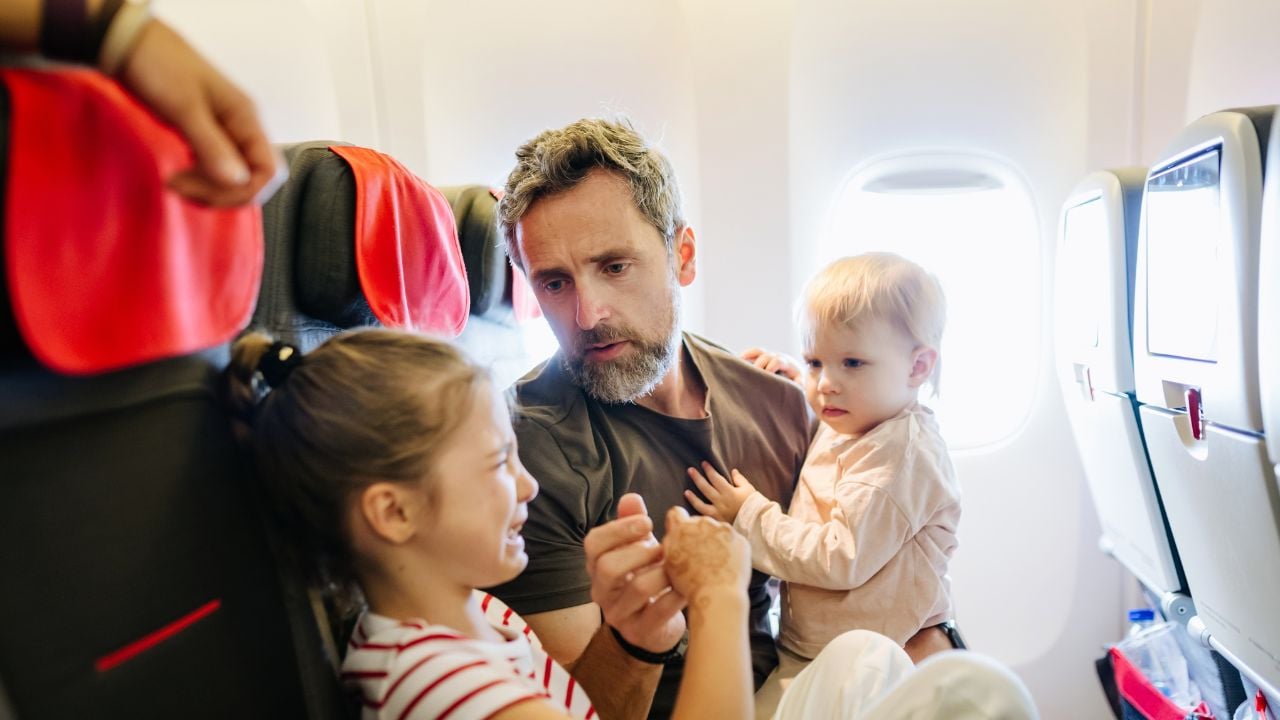
Part of the reason recovery takes time is that the strain can begin long before the vacation settles into its better moments. In the same survey, one in three parents said their family goes less than an hour before the peace is broken while traveling. That sharpens the whole finding because it suggests the pressure is not only about the destination. It starts in transit, when everyone is tired, confined, overstimulated, or already off routine.
That quick unraveling helps explain why the word “vacation” can feel slightly misleading for the adults doing the logistical work. Parents are not just sightseeing. They are managing schedules, moods, meals, movement, boredom, and the emotional tone of the entire group. By the time the family gets home, the trip may have produced great memories, but it may also have burned through a lot of mental energy getting there.
3. Keeping the Peace Takes More Creativity Than People Admit

One of the most revealing parts of the research is how candid parents were about the tactics they use just to get through the trip. Thirty percent said they have bribed their kids with candy or snacks, 28% have bought a toy mid-journey, and 26% admitted to unlimited screen time. Others said they made up games, songs, or stories on the spot, while 25% said they had even let a treat double as a meal.
Those numbers make family travel sound less like a polished postcard and more like controlled improvisation. The survey also found that 62% of parents have used an audio player while traveling and 43% use music as a calming tool. Together, those tactics suggest many adults are not chasing perfection so much as trying to keep the day from sliding off the rails. When that much effort goes into simply holding the mood together, a couple of recovery days back home starts to sound pretty reasonable.
4. A Lot of the Exhaustion Comes From Pressure, Not Just Logistics

The survey points to a second problem beyond tantrums and long travel days. Nearly two-thirds of parents, 64%, said they feel pressure to make every moment magical. That is an unusually telling number because it shows the drain is not only physical. It is emotional too, shaped by the sense that a family trip is supposed to be memorable, seamless, and worth the money and effort.
That expectation can make ordinary travel friction feel heavier than it otherwise would. A delayed meal, a cranky child, or a dull stretch in the airport stops being a small inconvenience. It starts to feel like a failure of the whole experience. The same survey found that 30% of parents say their child has frequent meltdowns while traveling, which helps explain why the gap between the ideal and the reality can wear people down so quickly.
5. The Finding Is Useful, but It Is Still a Survey, Not a Medical Rule

For all its relatability, this is still survey data, not a clinical measure of recovery. Talker Research said the study was commissioned by Yoto, fielded online from May 13 through 20, 2025, and based on 2,000 parents of children under 12. Its methodology page also says the company uses a non-probability frame, online respondents, and unweighted data, while noting that the results may not generalize to people without internet access.
That caveat does not erase the value of the result. It simply puts it in the right category. This is best read as a useful snapshot of how many parents currently describe family travel, not as a hard scientific rule for every household. Even so, the broader picture is hard to miss: for many parents, the family trip is still worth taking, but the comeback period afterward is real, and on average it lasts just under two and a half days.