
Clifford Winston, an economist known for his work on transportation and microeconomic policy, delivers a sharply argued case that the disappearance of the affordable car in America stems from protectionism and policy choices that insulated domestic automakers from global competition.
His central proposal is clear: open the gates, allow cheaper foreign vehicles, particularly from China, and let market forces restore affordability. It is a compelling thesis, grounded in real price pressures and a genuine erosion of entry-level mobility.
Yet it risks mistaking a symptom for the disease.
American Makers Followed the Money
Winston is right to highlight the transformation of the car itself.
The modern vehicle is a rolling network of sensors, software, safety systems and comfort features, most of which are offshoots of regulatory demands and consumer expectations. This complexity inadvertently raised costs in ways that cannot be undone merely by introducing cheaper imports.
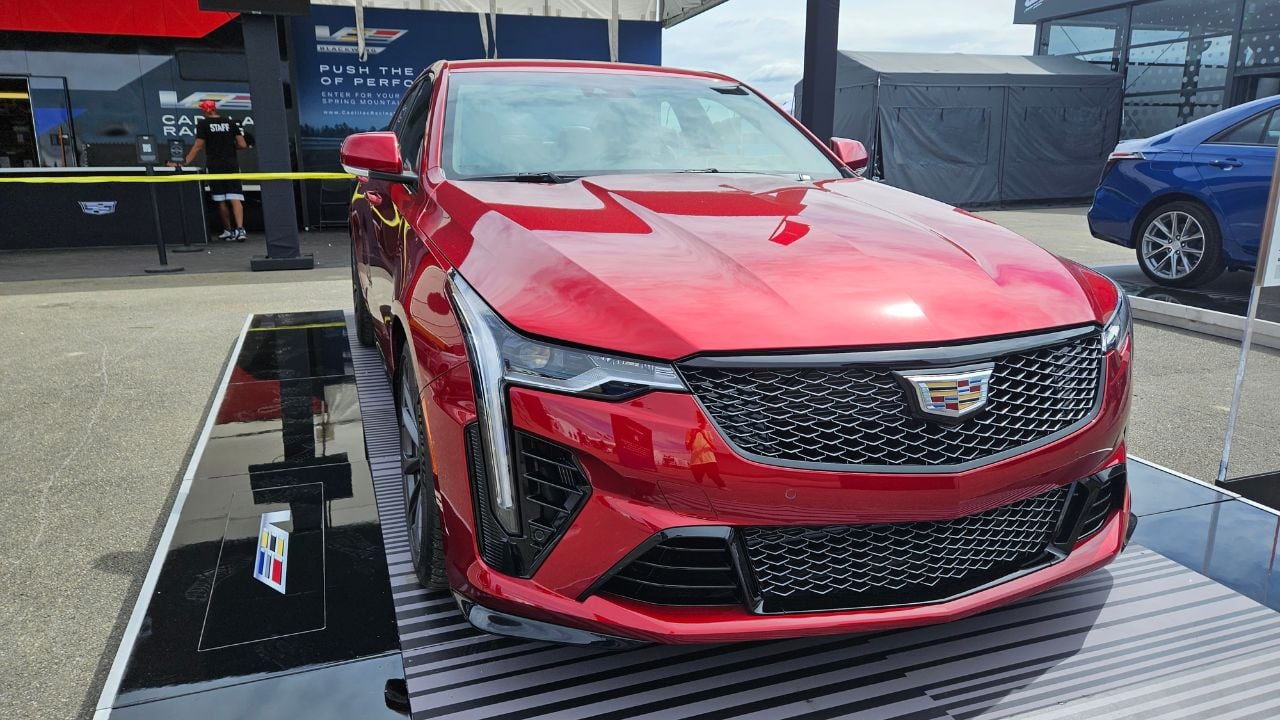
Even if tariffs vanished tomorrow, the baseline for what qualifies as a “car” has fundamentally shifted. A 1970s econobox would not pass modern crash standards, emissions rules, or buyer expectations shaped by decades of technological escalation.
Where his argument narrows too much is in treating affordability as primarily a supply-side failure.
The deeper tension lies in the structure of demand. American households are wealthier at the top and financially strained at the bottom, and automakers have followed the money.
Therefore, this is not simply a story of corporate preference or protectionist comfort. It reflects a bifurcated market where profit margins on low-cost vehicles are thin, while high-end trucks and SUVs generate outsized returns.
Opening the market to foreign competition does not guarantee a reversal of that calculus. It may simply intensify it, pushing domestic firms further upmarket while foreign entrants compete in the same crowded mid-tier segments.
The National Security Concerns are Valid
There is also a strategic dimension that Winston underplays.

The global auto industry is not a neutral playing field. Chinese automakers operate within a state-supported ecosystem that blends industrial policy, supply chain control, and long-term geopolitical ambition.
Allowing broad access to that system, even with conditions, is not equivalent to past waves of Japanese or Korean competition. It introduces questions about technological dependence, data security, and the future of domestic manufacturing capacity.
Contrary online arguments by consumers merely interested in spending less, these aren’t abstract fears. Cars are increasingly defined by software, connectivity, and data flows. The stakes extend beyond sticker prices.
More importantly, the idea that cheaper cars alone will restore mobility ignores how transportation systems have evolved. The American dependence on personal vehicles is itself part of the affordability crisis.
Land use patterns, suburban sprawl, and limited public transit options have made car ownership less of a choice and more of a necessity.
In that context, even a $20,000 car can become a financial burden when combined with insurance, fuel, maintenance, and financing costs. Lowering purchase prices addresses only one piece of a larger economic puzzle.
The Era of Ultra-Cheap Cars the Way We Knew It Is Over
There is a different way to interpret the disappearance of the econobox.

It is not just that cheap cars vanished. It is that the conditions that made them viable have eroded. Manufacturing has become more capital intensive. Safety and environmental standards have raised the floor for quality. Consumers have come to expect durability, connectivity, and comfort that were once luxuries.
Reversing these trends would require more than trade liberalization.
It would involve rethinking regulations, financing structures, urban design, and even cultural expectations about what a car should be.
Winston’s call for competition has plenty of merit. There’s no doubt that greater openness can pressure prices and spur innovation. But framing it as the primary solution risks oversimplifying a complex system.
Affordability is not just about cheaper products entering the market. It is about aligning the entire ecosystem of wages, infrastructure, policy, and technology with the needs of ordinary people.
I think it’s high time we have to face the uncomfortable truth that the era of the ultra-cheap, no-frills car is highly unlikely to return in its old form.
The challenge is not to recreate it, but to redefine mobility in a way that is financially sustainable. That might include smaller vehicles, new ownership models, or alternatives to ownership altogether. Free trade can play a role, but it cannot carry the full weight of that transformation.