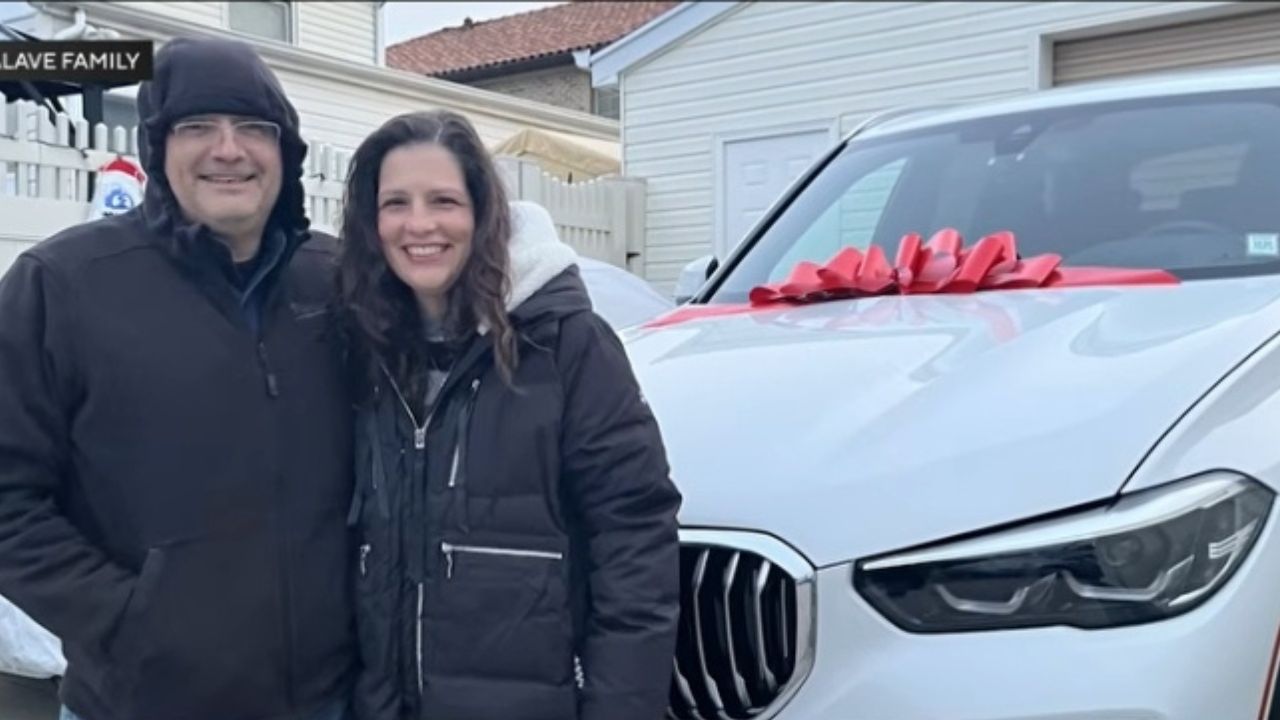

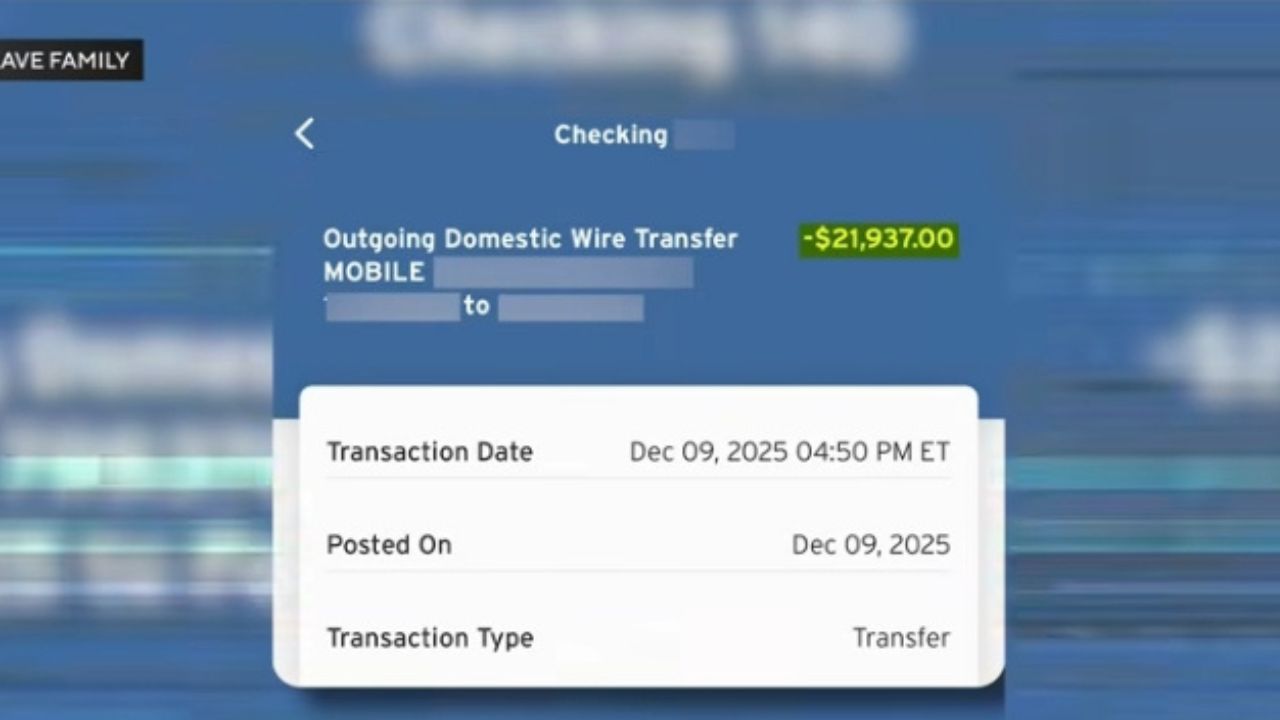
A quiet December purchase turned into a bewildering ordeal for a Queens couple who thought they had done everything right. Jennifer and William Pahlavi bought a used BMW from a licensed dealer in Suffolk County, paying in full through a wire transfer.
It was the kind of transaction many buyers trust, backed by official paperwork and state records that are supposed to confirm ownership and protect against hidden claims.
Weeks later, none of those safeguards held much weight.
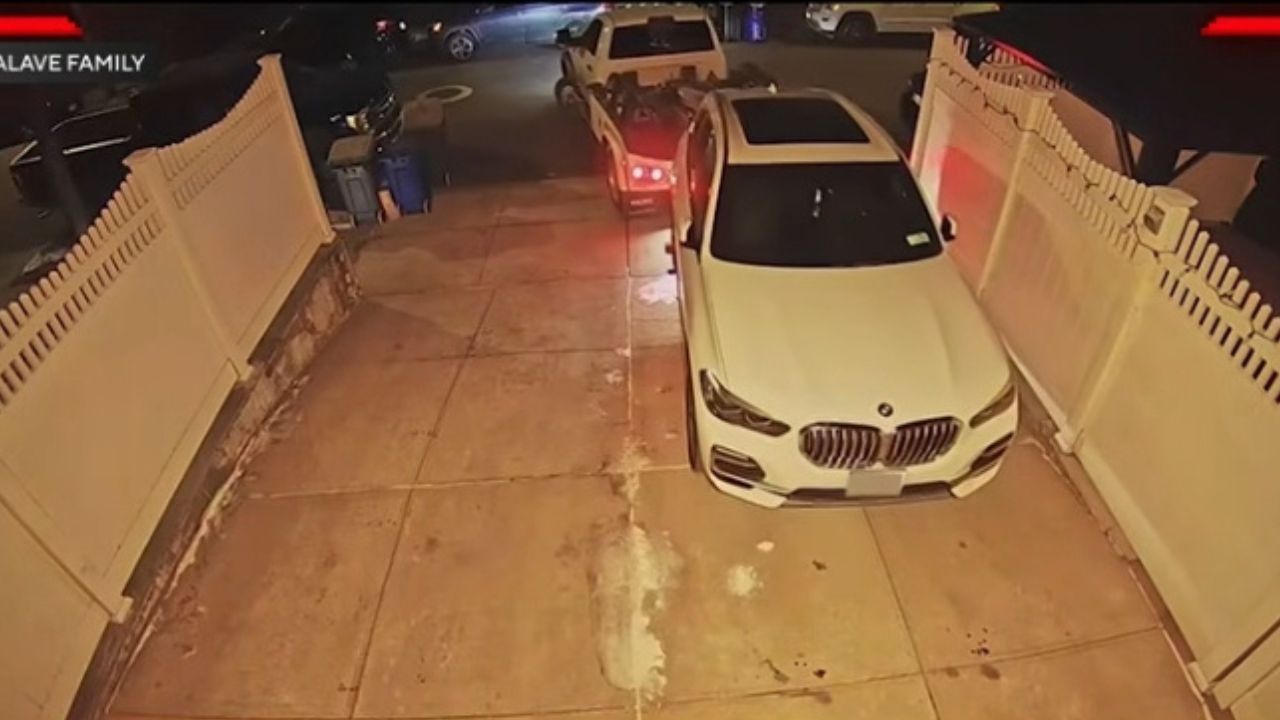
Their Ring camera captured a tow truck hauling the BMW out of their driveway.
No warning. No explanation. Just a sudden, stunning loss. Their first instinct was to call 911, trying to understand how a legally purchased vehicle could be taken without notice.
The Lien that Wasn’t Supposed to Exist
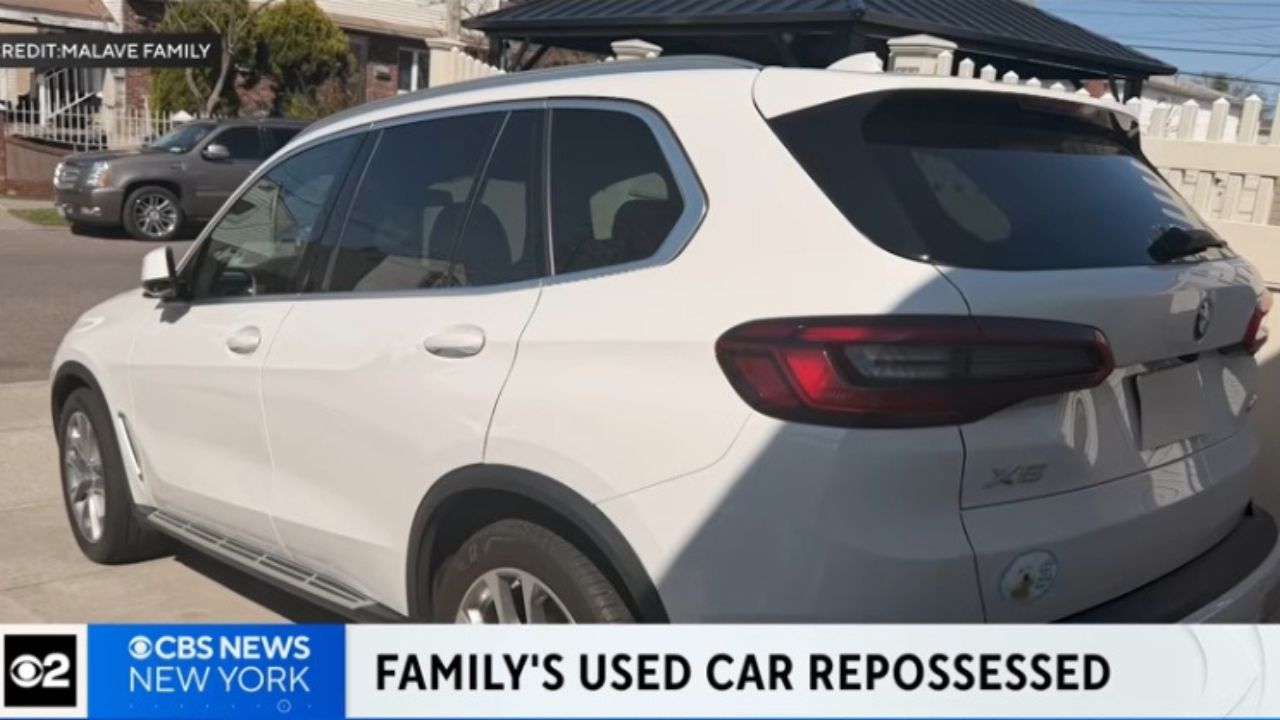
Using a tracking app, they located the car in a nearby lot. That is when they learned the reason behind the seizure. The BMW had been repossessed due to an outstanding lien. This comes on the heel of a story we ran about a woman in Detroit who bought a used car only to discover she couldn’t register it in her name.
A lien is a legal claim placed on a vehicle by a lender or financial institution when money is owed on it. Until the debt is cleared, the lienholder retains a right to repossess the asset if payments stop.
In standard practice, this information is clearly recorded. It appears on the vehicle’s title certificate and is stored in Department of Motor Vehicles records. Buyers rely on these records to verify that a car is free of financial obligations.
In this case, both the title and DMV report showed no active liens. That contradiction is where the story becomes deeply concerning.
Title Washing: How the Lien Disappeared
A car with no recorded lien should not be eligible for repossession. Yet an auto financing company, Santander Consumer USA, confirmed that it did in fact hold a lien on the BMW.
According to the company, the loan was tied to a third party, not the Pahlavis. So, when payments stopped, repossession procedures were triggered. But nothing in this explanation explains how did the lien disappeared from official records.
The answer may lie in a practice known as title washing.
This involves illegally altering or manipulating a vehicle’s title to remove critical information such as liens, salvage history, or prior damage. Once “cleaned,” the car can be sold to an unsuspecting buyer who believes it is free of encumbrances.
In legitimate transactions, title transfers follow strict steps.
When a car is sold, the seller signs over the title to the buyer, and any existing liens must be disclosed and settled. The DMV updates its database to reflect the new ownership and lien status.
Financial institutions also notify the DMV when liens are created or released. These systems are designed to work together, forming a chain of trust.
But when fraudulent documents enter that chain, the system can break.
Resolution but Not Clarity
In the Pahlavis’ case, Santander believes the lien was unlawfully removed from records before the sale. That allowed the vehicle to pass through the dealership and into the hands of buyers who had no indication of any issue.
The identity of the third party linked to the original loan remains unclear.
Following media inquiries to both the DMV and the finance company, events shifted. Two days later, the couple’s Ring camera recorded the BMW being returned to their driveway, nearly a month after it was taken. The resolution brought relief, but not clarity.
To mitigate the damage, Santander released the lien entirely, giving up its legal claim to the vehicle. Industry experts suggest this likely means the company absorbed the financial loss rather than pursuing further recovery, a step sometimes taken when fraud complicates enforcement.
Consumer advocates point out that even well-designed systems cannot fully prevent deception. If someone submits falsified documents, nearly all recommended safeguards can fail. That leaves buyers exposed, even when they follow recommended steps such as purchasing from licensed dealers.
Lessons for Future Buyers
There are, however, additional precautions.
Running a vehicle identification number through a comprehensive paid database can reveal hidden issues that may not appear in standard DMV records. These services aggregate data from insurers, lenders, and salvage yards, offering a broader picture of a vehicle’s history.
For the Pahlavis, the experience left a lasting impression. They had the paperwork, the payment trail, and the confidence of a legitimate purchase. Yet for weeks, they were left without their car, caught in a gap between official records and a hidden financial claim.