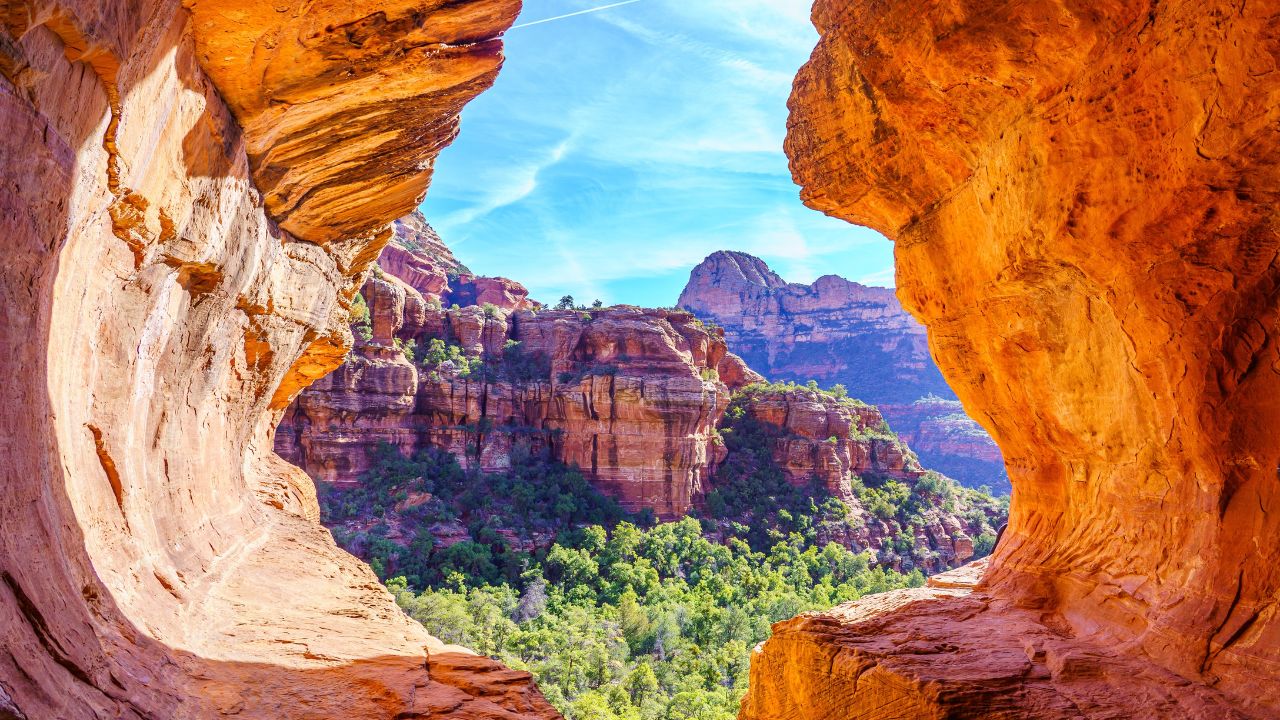
A good one-day plan for Sedona does not try to conquer every trail, scenic pull-off, gallery, and restaurant before dark. That usually backfires. The better version is to let the landscape do the heavy lifting and build the day around a few stops that show different sides of the town without turning the schedule into a race. Sedona is one of those places where the setting lands almost immediately, so you do not need a giant checklist to feel like you have really been there.
The most local-feeling way to handle 24 hours is to follow the natural rhythm of the place. Go up high when the light is soft, keep late morning outdoors but manageable, use the hottest stretch of the day for indoor or low-effort stops, then give the evening back to good food and the sky. That pacing matters here. Sedona is much more satisfying when the day feels balanced than when it feels like a contest to collect viewpoints.
1. Begin With Sunrise at Airport Mesa and a Slow Breakfast
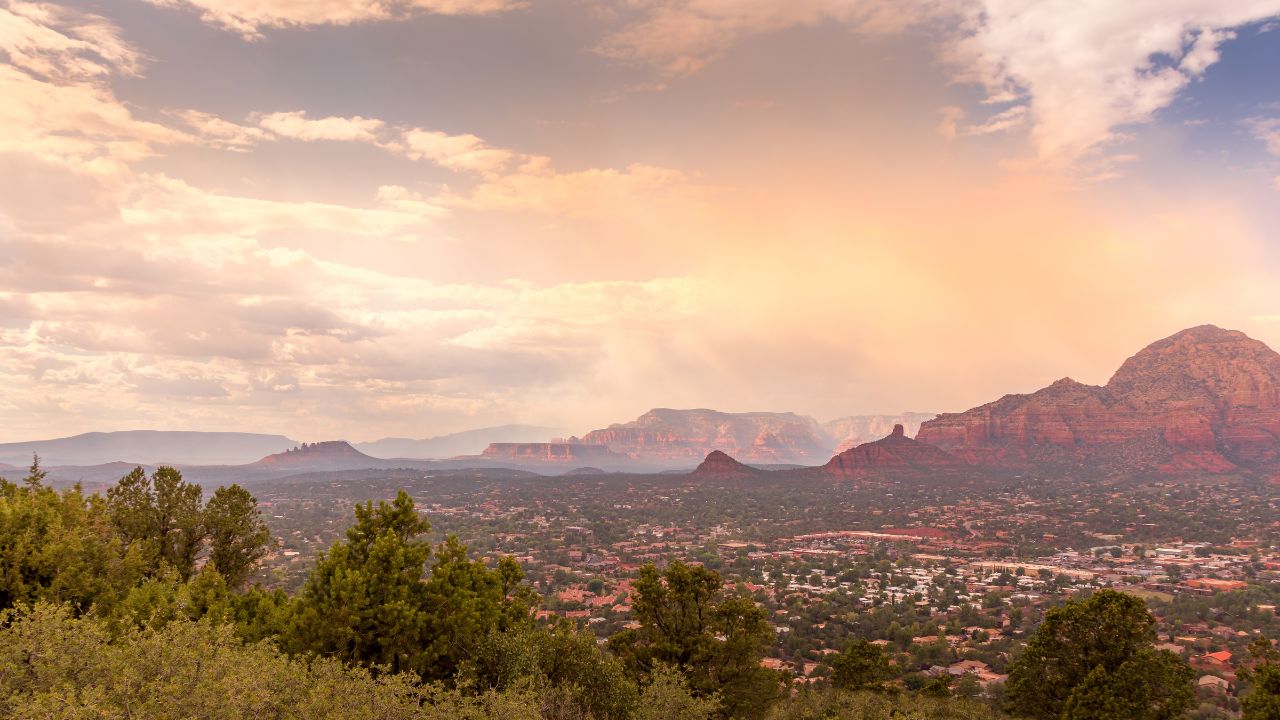
The smartest start is Airport Mesa, because it gives you that first big Sedona payoff without demanding a heroic amount of effort. Early light is when the rock formations look richest, and it is also when the air is kinder and the whole scene feels quieter. Even people who do not want to commit to a full hike can still use the area for a scenic stop, a short walk, and one of those views that instantly explains why Sedona has such a hold on visitors.
After that, do not rush into another major outing. Sedona works better when the first wow moment gets a little room to settle. A relaxed breakfast near the center of town keeps the morning from turning frantic and lets you enjoy the fact that you are actually in red-rock country rather than already hustling toward the next parking lot. A local approach here is rarely about stacking back-to-back landmarks before 9 a.m. It is more about starting beautifully, then easing into the day.
2. Spend Late Morning on an Easy Outdoor Stop, Not an Exhausting Hike
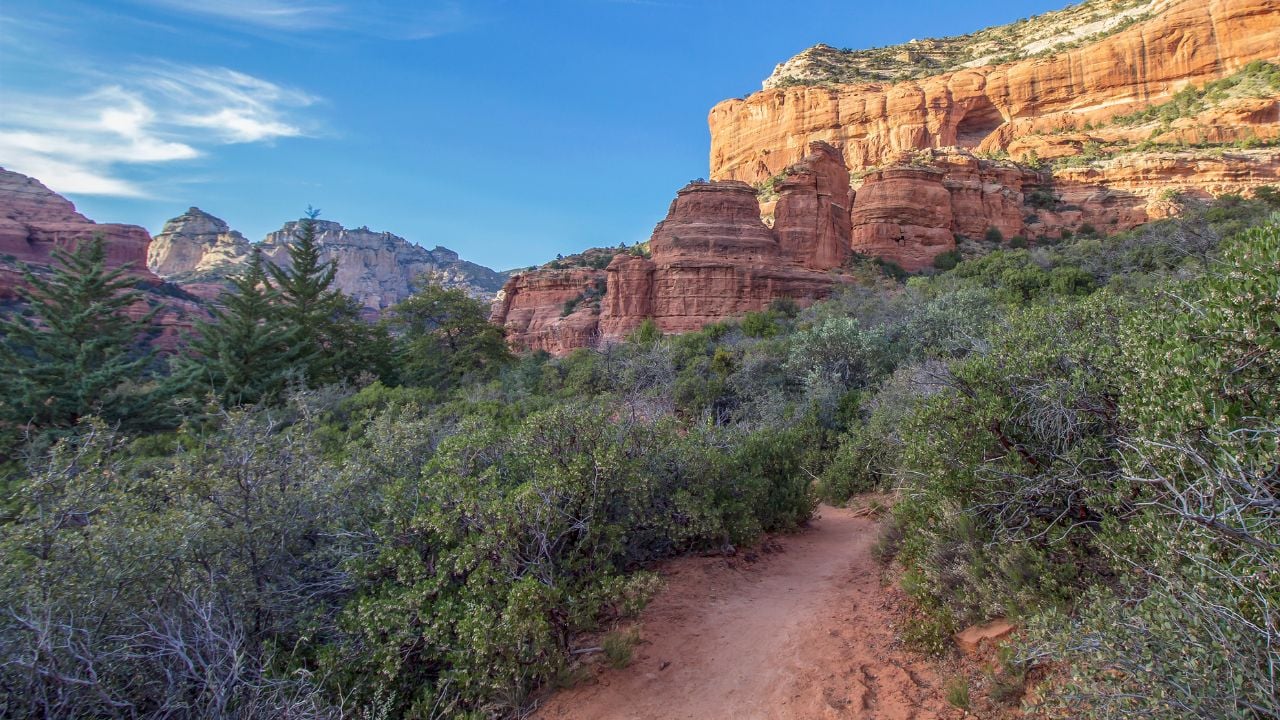
Red Rock State Park fits late morning perfectly because the trails are scenic, manageable, and easier to fold into a one-day itinerary than a more punishing climb. You still get Oak Creek, the formations, the greenery, and the sense of being inside Sedona’s landscape, but without burning half your energy before lunch. On a short visit, one overly ambitious hike can throw off the entire rest of the day.
This is also where a more local style of travel helps. Instead of trying to prove something with mileage, let the stop be about noticing the landscape more carefully. The softer pace gives you room to pay attention to the contrast between the red rock, the water, the trees, and the changing light. Sedona has a way of rewarding people who stop trying to dominate it. A shorter walk with time to look around usually feels better here than a bigger effort done in a rush.
3. Use Midday for the Chapel of the Holy Cross and the Scenic Drive
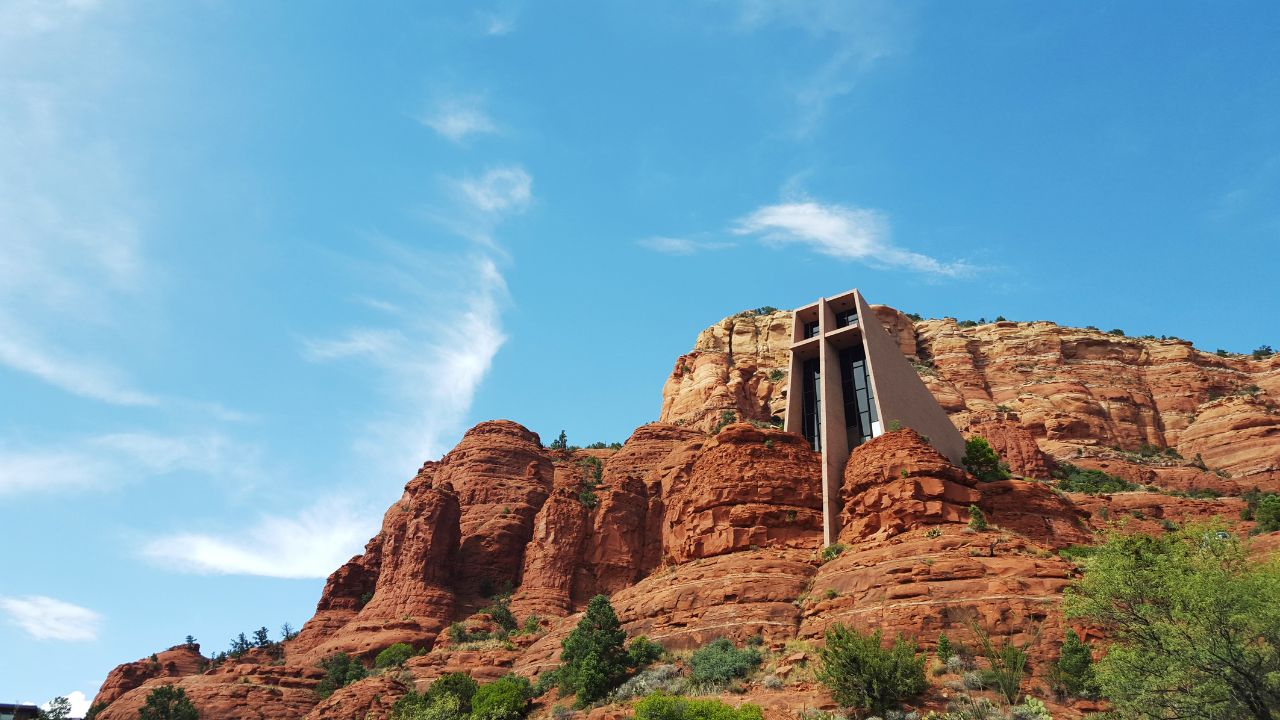
When the sun gets higher, that is a good time to pivot toward one of Sedona’s best-known landmarks. The Chapel of the Holy Cross works well in the middle of the day because it gives you a meaningful stop that is scenic without being physically demanding. The setting is dramatic, but the real charm is the way the building seems to belong to the rock instead of competing with it.
From there, let the road carry the experience forward. A scenic drive through red-rock country keeps the visual spell alive while the temperature rises. Pull over when something catches your eye, take your time at the overlooks, and let the route connect the day together. In Sedona, driving can still feel like sightseeing in a meaningful sense, not just transport between stops.
4. Give the Afternoon to Art, Courtyards, and Local History
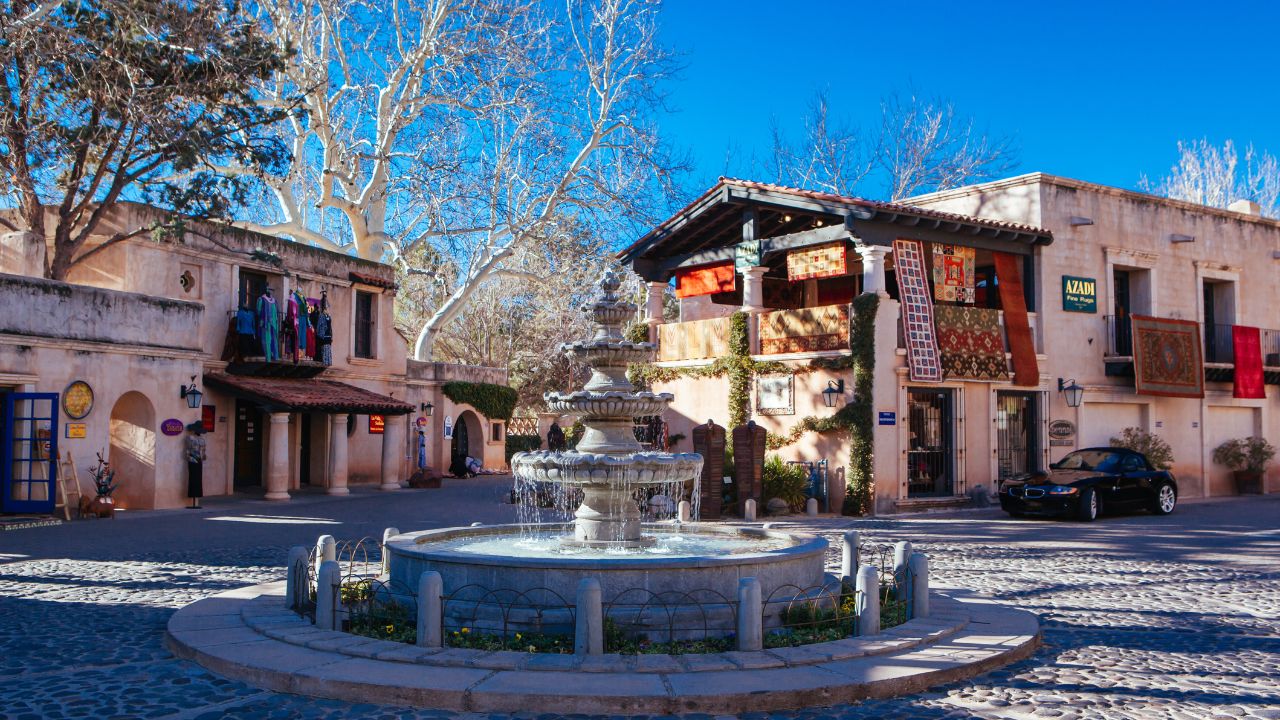
By afternoon, Sedona is at its best when you stop trying to out-scenic the scenery and change the mood completely. That is why Tlaquepaque works so well. The courtyards, walkways, fountains, and galleries create a slower, cooler rhythm that feels welcome after the brighter and more exposed parts of the day. You are still in a highly visual setting, but now the pleasure comes from details instead of panoramas.
This is also the right time to give the town a little more dimension. A stop at the Sedona Arts Center or the Sedona Heritage Museum helps the day feel less like a pretty slideshow and more like a real place with a creative and historical identity. That matters in Sedona because the rocks tend to dominate the story. They should, but they are not the whole story.
5. End in Uptown With Dinner, a Stroll, and the Night Sky
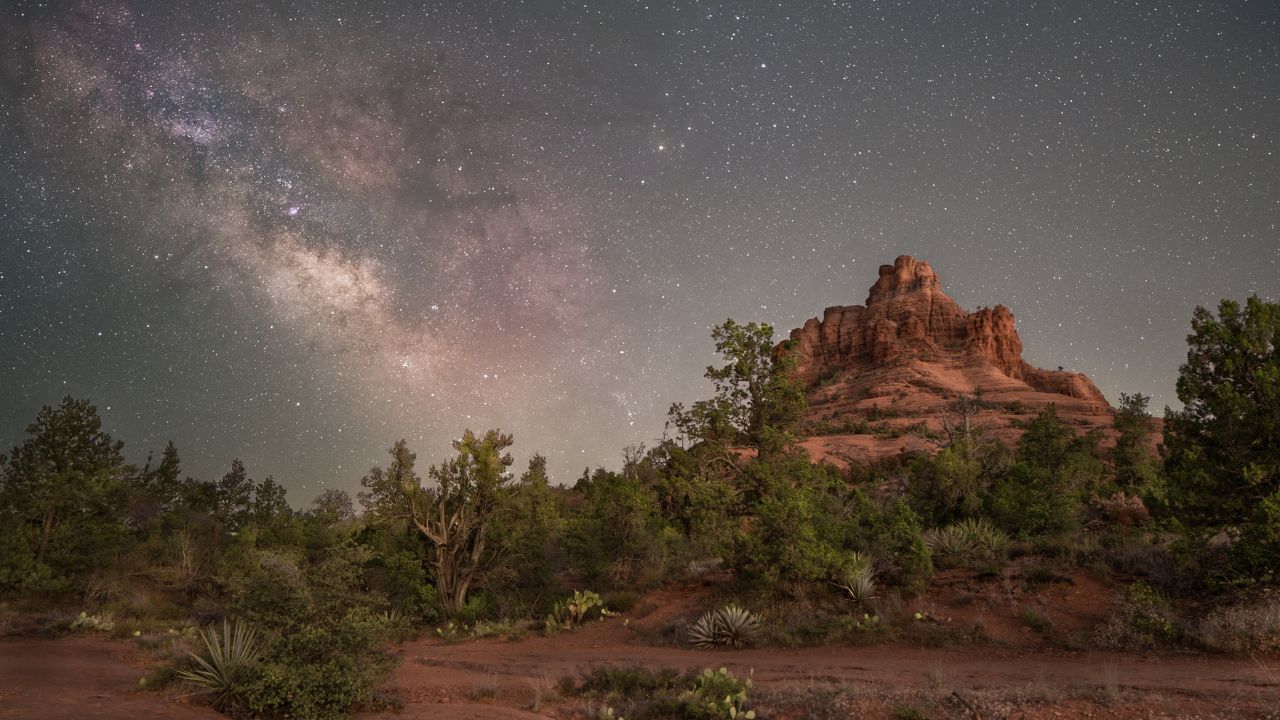
Toward evening, Uptown Sedona is an easy place to settle in because it keeps the final hours flexible. You can browse a few shops, take your time with dinner, and move at whatever pace still feels good after the rest of the day. That kind of loose ending is exactly what a short Sedona stay needs. A hard-scheduled final stretch can make the whole itinerary feel overmanaged.
The best finale, though, is not really a restaurant or a store. It is the sky. Sedona’s dark-sky reputation gives the town a beautiful closing note, and ending outside feels like the cleanest possible way to finish a one-day visit. After all the red rock, heat, and glowing stone, the shift to cooler air and open darkness gives the place one last change of mood. A local would probably put it simply: eat something good, walk a little, then look up.
The secret to a strong 24 hours in Sedona is not doing everything. It is giving the right things enough space. One great sunrise, one easy nature stop, one iconic landmark, one slower cultural stretch, and one memorable evening are more than enough to make the town stick with you. That is what makes this kind of itinerary feel local in the first place. It leaves room for Sedona to be experienced, not just completed.