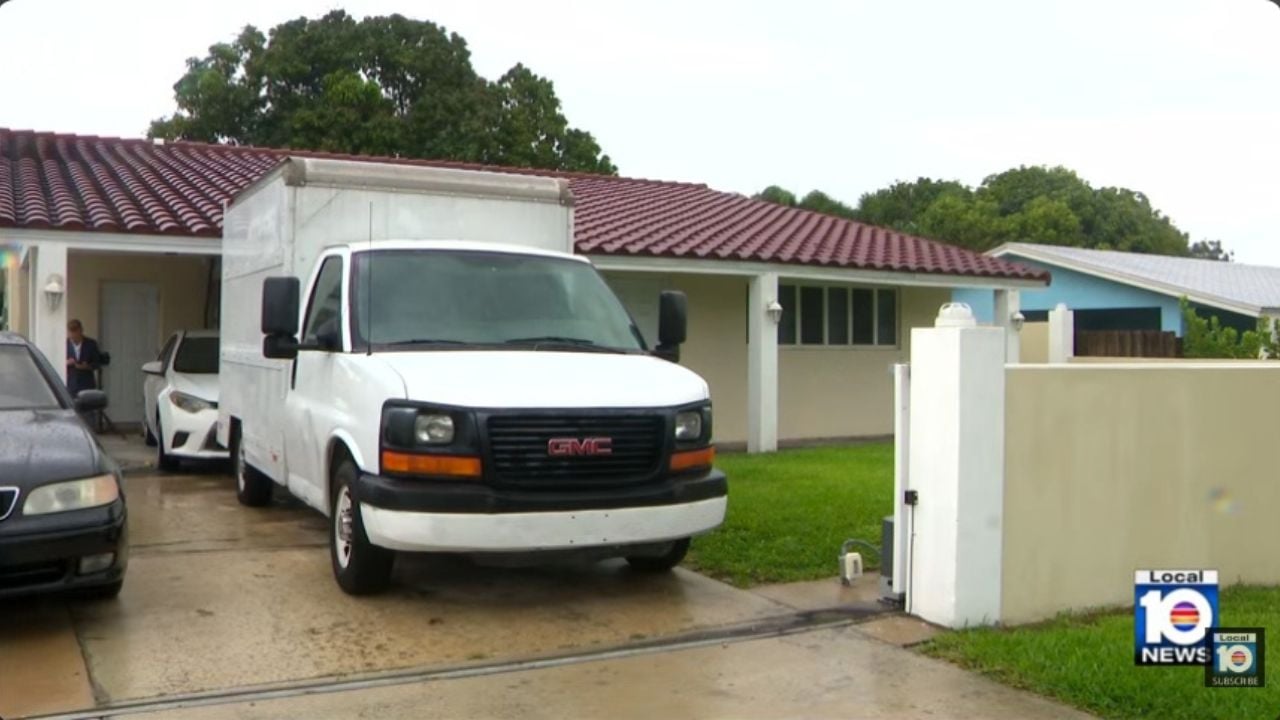

A driveway is supposed to be one of life’s simplest certainties. You come home, you park, you carry on. For one longtime handyman in Boynton Beach, Florida, that simple way of life has turned into a legal headache that no toolbox can fix.
For 45 years, Bali Ramner has parked his work truck in the same spot with no problems. Same driveway, same purpose, same quiet understanding with the neighborhood. The truck is not just a daily driver.
It is his livelihood on four wheels, packed with tools, experience, and decades of hard-earned skill. Every dent and compartment tells a story of something repaired, rebuilt, or rescued from the brink.
A Rule that Changed Everything
Ramner is the kind of man who solves problems for a living. Broken fixtures, faulty wiring, stubborn machinery. If it can be fixed, he will find a way. Yet now he finds himself facing something far more stubborn than a seized bolt. The city has told him that his truck no longer belongs in his own driveway.
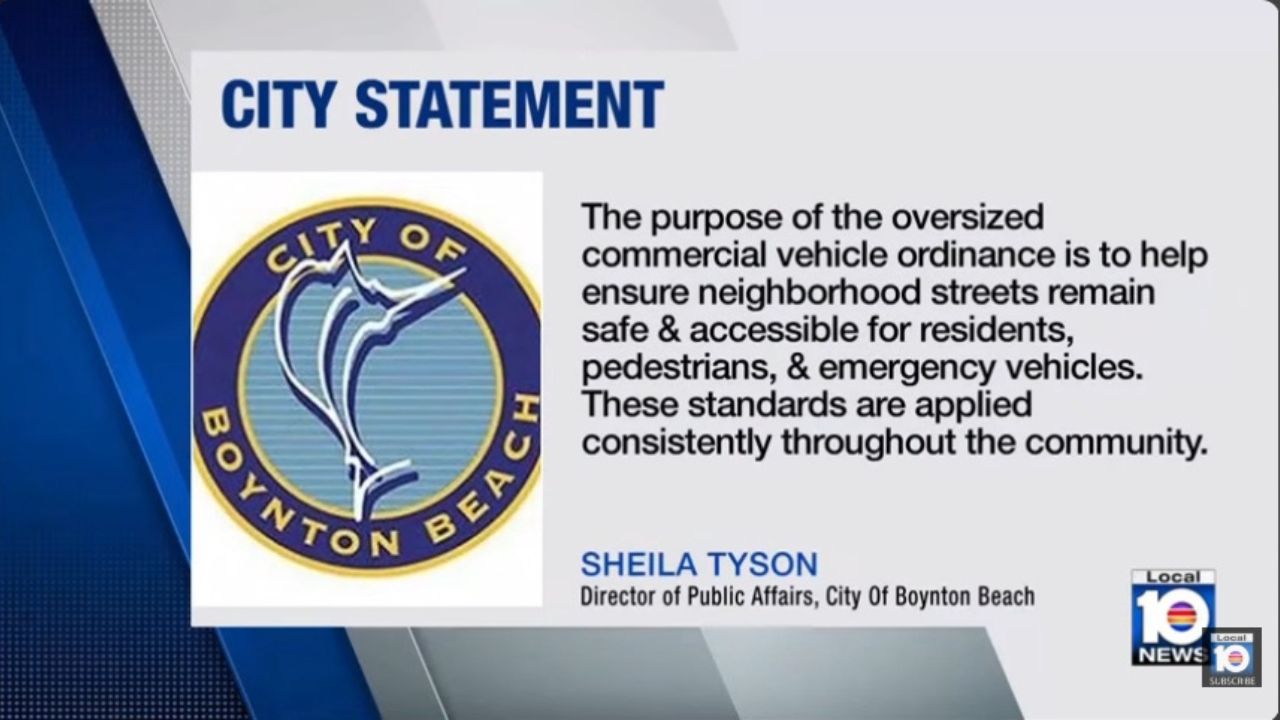
That decision comes from an ordinance introduced in 2019 targeting oversized commercial vehicles in residential areas. According to city officials, the rule exists to keep streets safe and accessible for residents, pedestrians, and emergency services. On paper, it sounds reasonable. But for Ramner, it feels like the ground has shifted needlessly beneath his feet.
Imagine parking in the same place for nearly half a century and then being told, almost out of nowhere, that the rules have changed.
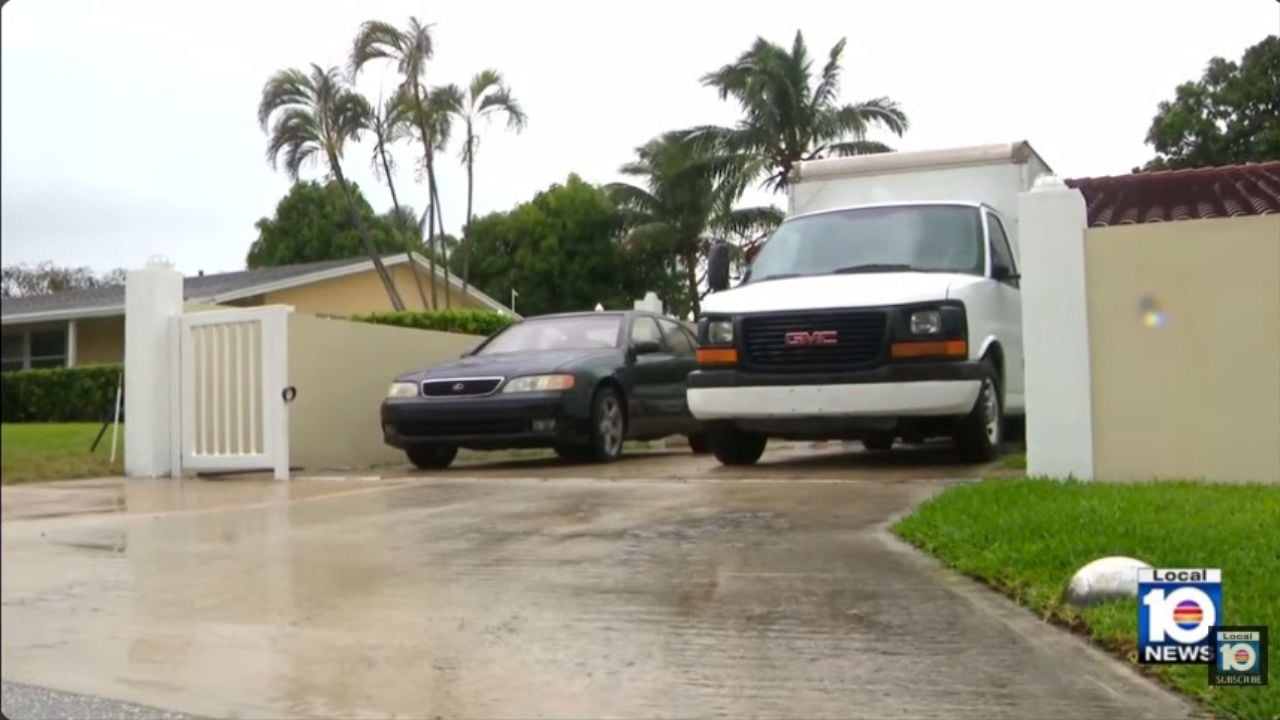
Not only must you move your vehicle, but you are also handed citations and mounting fines for something that had never been an issue before. That is the reality Ramner now faces.
He does not see himself as a disruption. By his account, he works, keeps to himself, and maintains the same habits he has had for decades. His truck has always been there, blending into the background of daily life. To him, nothing has changed. To the city, everything has.
Citations, Fines, and a Courtroom Fight
The financial pressure is building as well. Each citation adds another layer of stress to a situation that already feels deeply unfair from his perspective. And with litigation now in play, the matter has moved beyond neighborhood disagreement into the courtroom.
Ramner’s argument is simple and grounded in common sense.
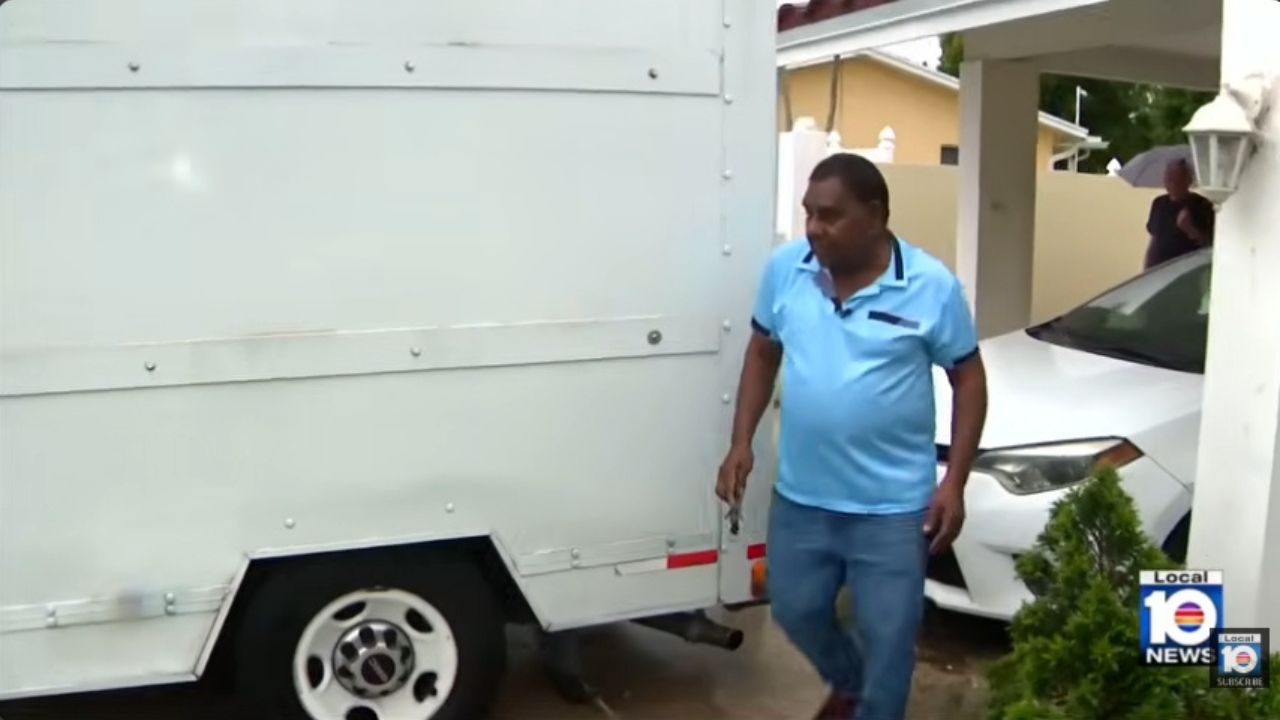
He believes he should be allowed to continue parking in his driveway under what is often called a “grandfather” provision. In other words, long-standing use should count for something. If a practice has existed peacefully for decades, why should a newer rule suddenly erase it?
The city, however, is holding firm. Officials insist the ordinance applies across the board, without exceptions. Consistency, they argue, is key to maintaining order and fairness throughout the community. That stance leaves little room for sentiment or history.
Caught between these positions is a man who just wants to keep working. Ramner says he is still strong, still capable, and still eager to earn a living the way he always has. But without his truck parked at home, that becomes far more complicated.
A Problem No Tool Can Fix
So, the driveway remains, the truck remains, and the dispute rolls on. It is a clash between policy and personal history, between a uniform rule and a very individual story. For now, there is no neat fix, no clever workaround, no tool that can tighten this situation into place.
For a handyman who has spent a lifetime solving other people’s problems, this one refuses to budge.
And as the court fight continues, we’re reminded that sometimes the hardest thing to repair is not what is broken, but what has suddenly been declared out of bounds.