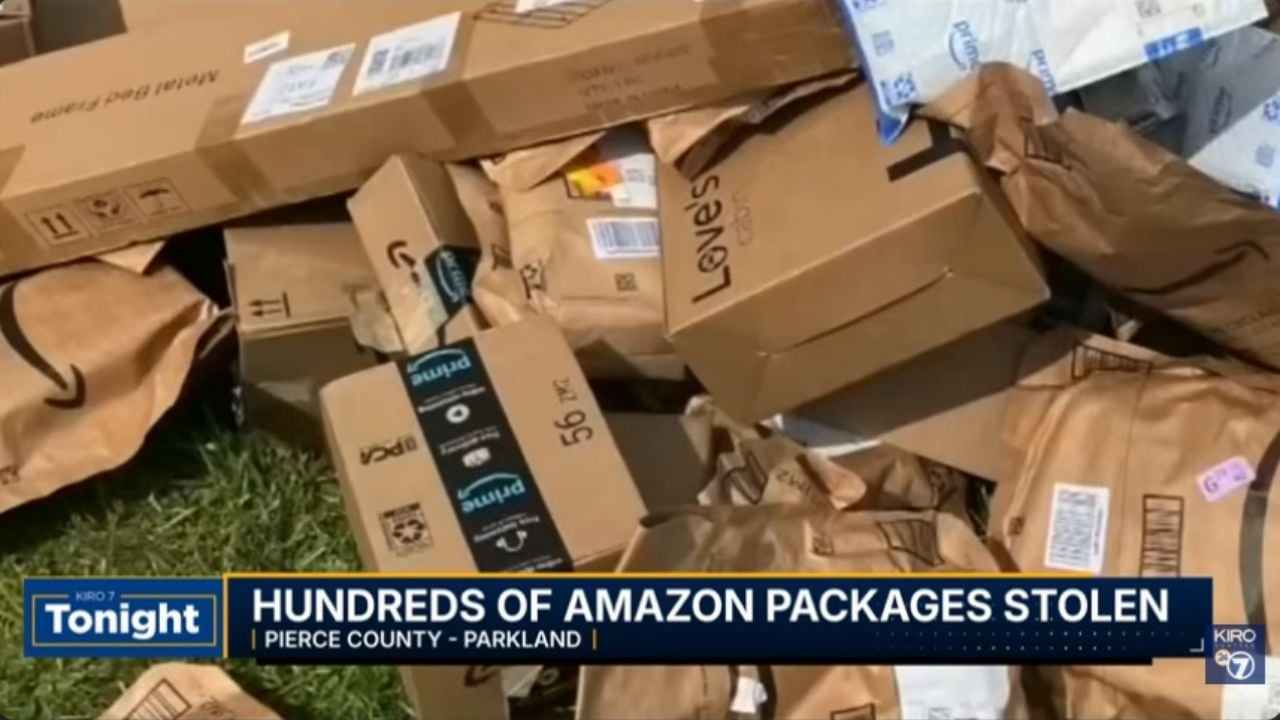

A quiet neighborhood in Parkland, Washington, became the focus of a growing investigation after something unusual caught the attention of residents. Amazon packages had started piling up outside a home, far more than anyone would expect from normal deliveries. At first glance, neighbors assumed a simple explanation.
Maybe someone was preparing for a move or running a small business from home. But as the stacks grew higher, curiosity shifted into concern.
Deputies from the Pierce County Sheriff’s Office arrived at the property after receiving complaints. What they found inside went far beyond a few misplaced parcels.
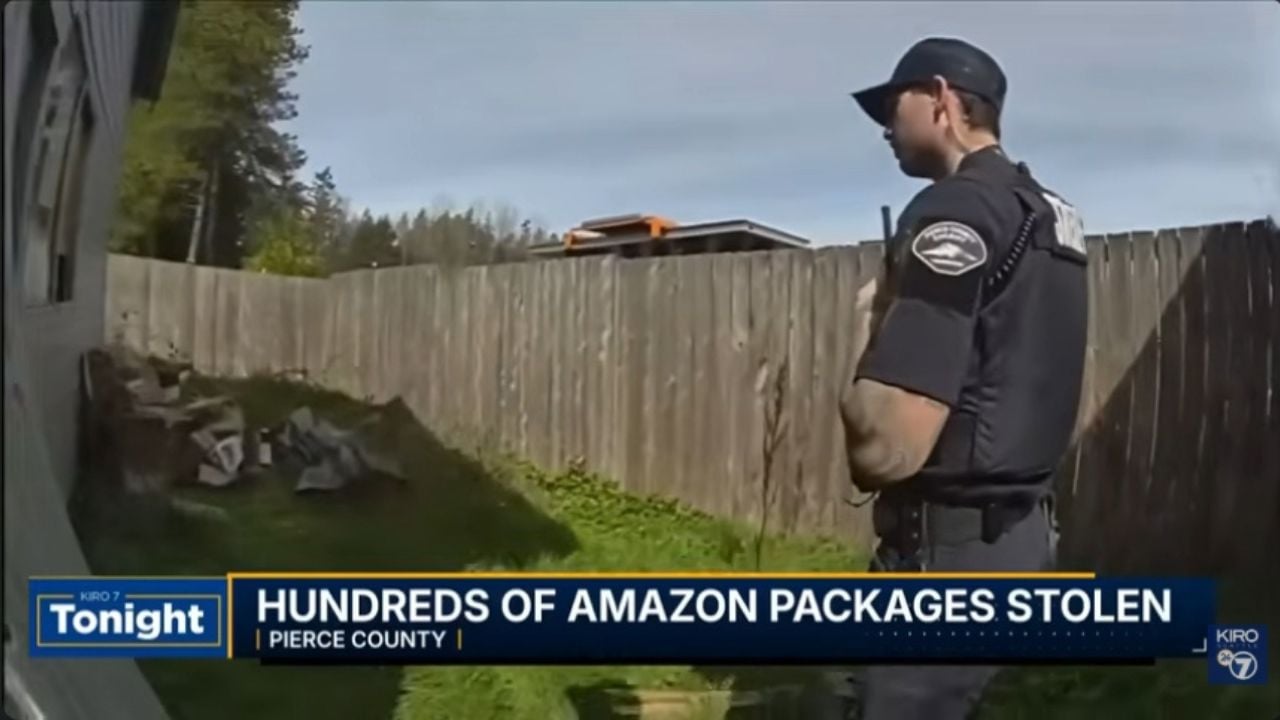
According to investigators, the woman living at the home was working as an Amazon Flex driver, a contractor role where individuals use their personal vehicles to deliver packages. Instead of completing those deliveries, she allegedly kept them.
Authorities say the scheme was deeply troubling in scale. The driver would pick up packages, mark them as undeliverable in the system, and then return home with the items still in her possession. Each time she reported a failed delivery, she could move on to collect another batch and receive additional payment. Over time, that pattern repeated itself again and again.
Inside the Garage
When deputies confronted her, the suspect reportedly cooperated. Body camera footage shows the moment officers stepped onto the property, already sensing that something was not right. Inside the garage, their suspicions were confirmed.
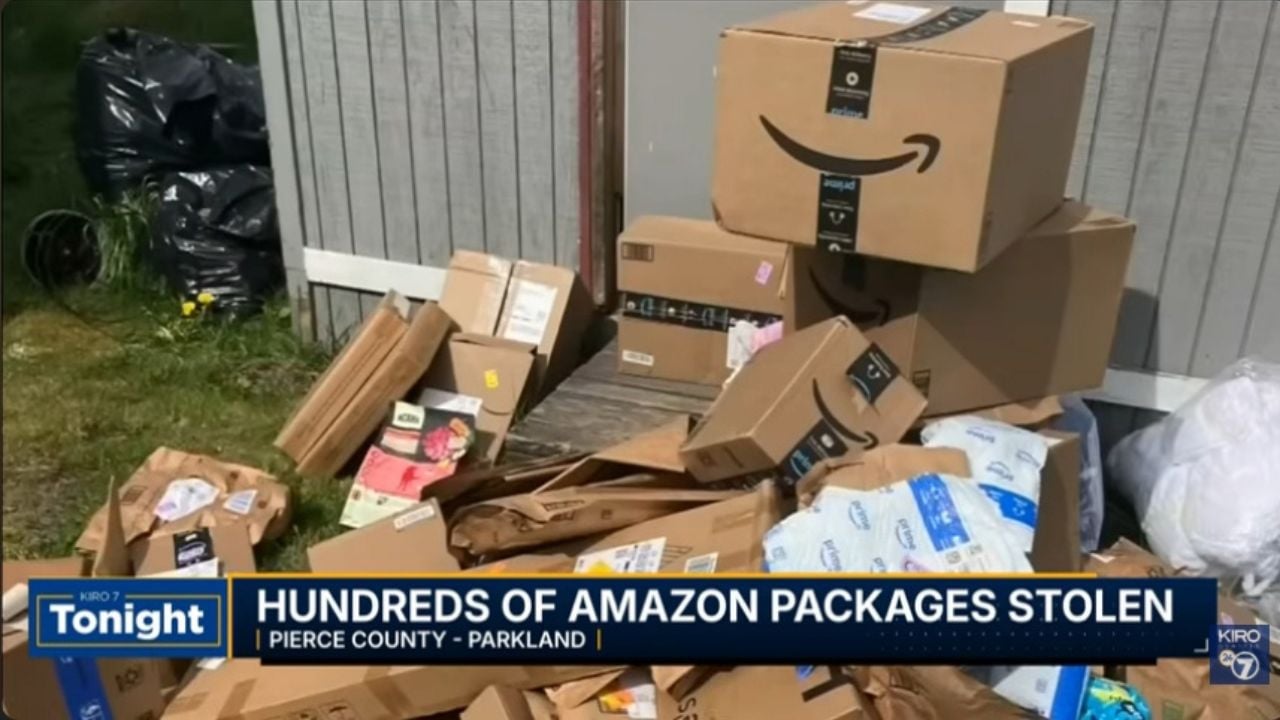
Hundreds of Amazon boxes were stacked and stored, representing deliveries that never reached their intended destinations.
Investigators estimate the total value of the stolen packages at around $20,000. While many of the items were recovered and returned to Amazon, a significant portion remains missing. Authorities say about $8,000 worth of goods could not be accounted for. The suspect claimed those items had been stolen from her home, though investigators are continuing to examine that explanation.
Her reasoning for the scheme paints a picture of how the situation spiraled. She allegedly told investigators that at times she did not have enough gas money to complete her delivery routes.
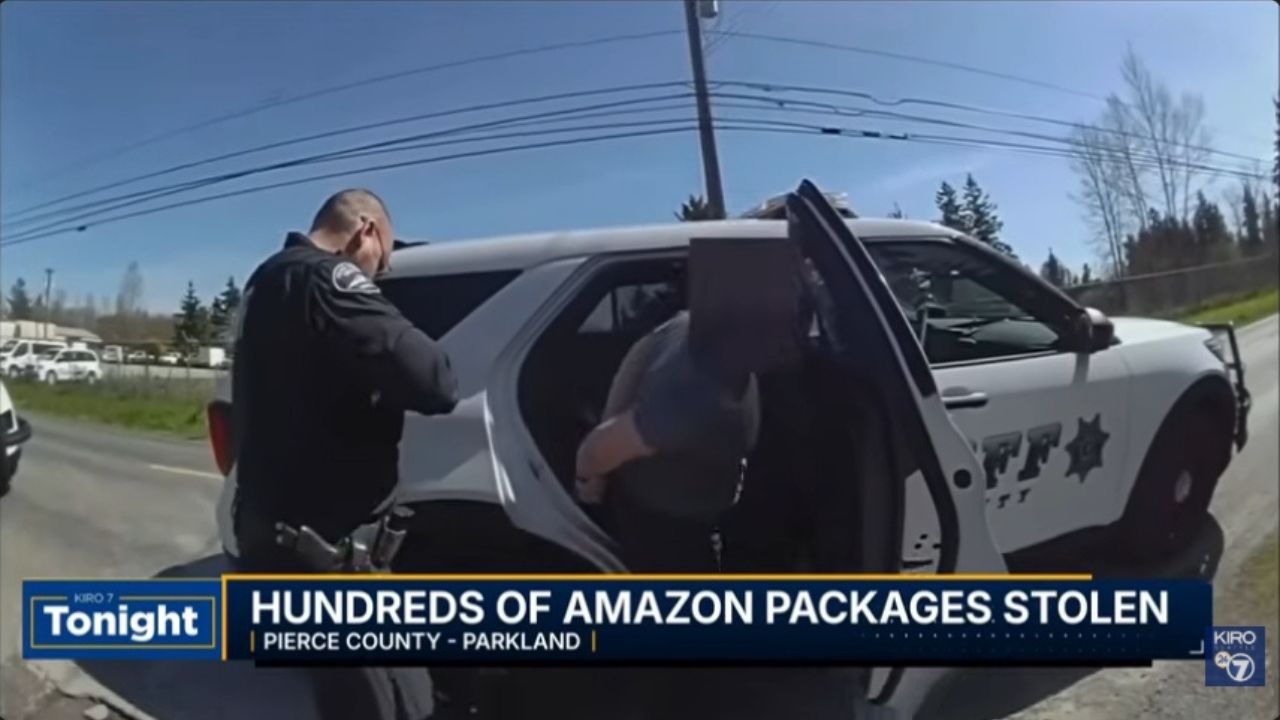
Instead of stopping work, she chose to return home with the packages and pick up more loads to continue earning. Over time, the undelivered items accumulated until the volume became impossible to hide.
The impact stretched far beyond a single neighborhood. Packages found at the home were addressed to residents across a wide area, including Spanaway, Tacoma, Tenino, and Olympia. Authorities believe there are hundreds of victims throughout Western Washington who were expecting deliveries that never arrived.
The Contractor Loophole

Amazon’s reliance on contractors like Flex drivers exposes a structural loophole: accountability gets blurred. When a driver misuses the system or even causes harm, Amazon often distances itself by pointing out that the driver is “independent.” That distinction allows the company to reap the benefits of a vast delivery network without bearing the full weight of liability.
Imagine an Amazon-branded van striking a legally parked car in a driveway. The victim’s instinct would be to hold Amazon responsible—after all, the logo signals corporate ownership. Yet Amazon can deflect, insisting the driver is a contractor, not an employee.
The victim is then left chasing reimbursement through the contractor, who may lack adequate insurance or resources. Each hurdle—paperwork, denials, delays—compounds frustration. This arrangement highlights how flexibility for Amazon doubles as insulation, shifting risk onto individuals and communities while preserving corporate efficiency and profit.
For this Parkland neighbors, the discovery has been unsettling. One resident described the uneasy feeling of realizing something so unusual had been happening just next door. What once looked like harmless clutter now raises questions about trust and the unseen systems people rely on every day.
Amazon Responds
Amazon has been notified of the situation and says it is working to address the fallout. Customers who were affected are being encouraged to contact the company for refunds or replacements. The company has also indicated it is reviewing what went wrong and how similar incidents can be prevented in the future.
The case highlights the vulnerabilities that can exist within delivery networks that depend on independent contractors. While the flexibility of such systems allows for fast and widespread service, it can also open the door to abuse when oversight fails.