Colorado’s new speed camera system is doing more than handing out tickets. It challenges long-held assumptions about how enforcement works and what drivers can expect on the road.
As someone who covers this space every day, I see the worst of what happens on the road. Crashes that never should have happened. Situations where a few miles per hour made the difference between a close call and something far worse. Not every tragedy can be prevented, but the severity of them and the chances of walking away change dramatically with speed.
Colorado’s approach stands out because it is not another camera on the side of the road. It is a different system entirely, one that is already changing how drivers behave and could become a model that other states will likely follow.
At the same time, it is driving a much bigger conversation online. The debate goes well beyond tickets and fines, touching on rights, protections, privacy, and what it actually means to share the road.
Colorado Didn’t Just Add Cameras—It Changed the Game
According to reporting from Autoblog and Motor1, Colorado’s system uses multiple cameras to calculate your average speed across a stretch of road rather than clocking you at a single point.
That difference is bigger than it sounds.
For years, drivers treated speed cameras like a game. Apps like Waze warn you where they are, you lift off the throttle for a few seconds, then go right back to cruising. That approach does not work here. There is no single moment to slow down for. The entire stretch of road is being measured.
If your average speed exceeds the limit by more than 10 miles per hour, a $75 civil penalty is mailed to the vehicle’s registered owner. No traffic stop. No points on your license. That structure is intentional. By keeping violations in the civil category and tying them to the vehicle, the system avoids many of the constitutional arguments that have challenged similar programs in the past.
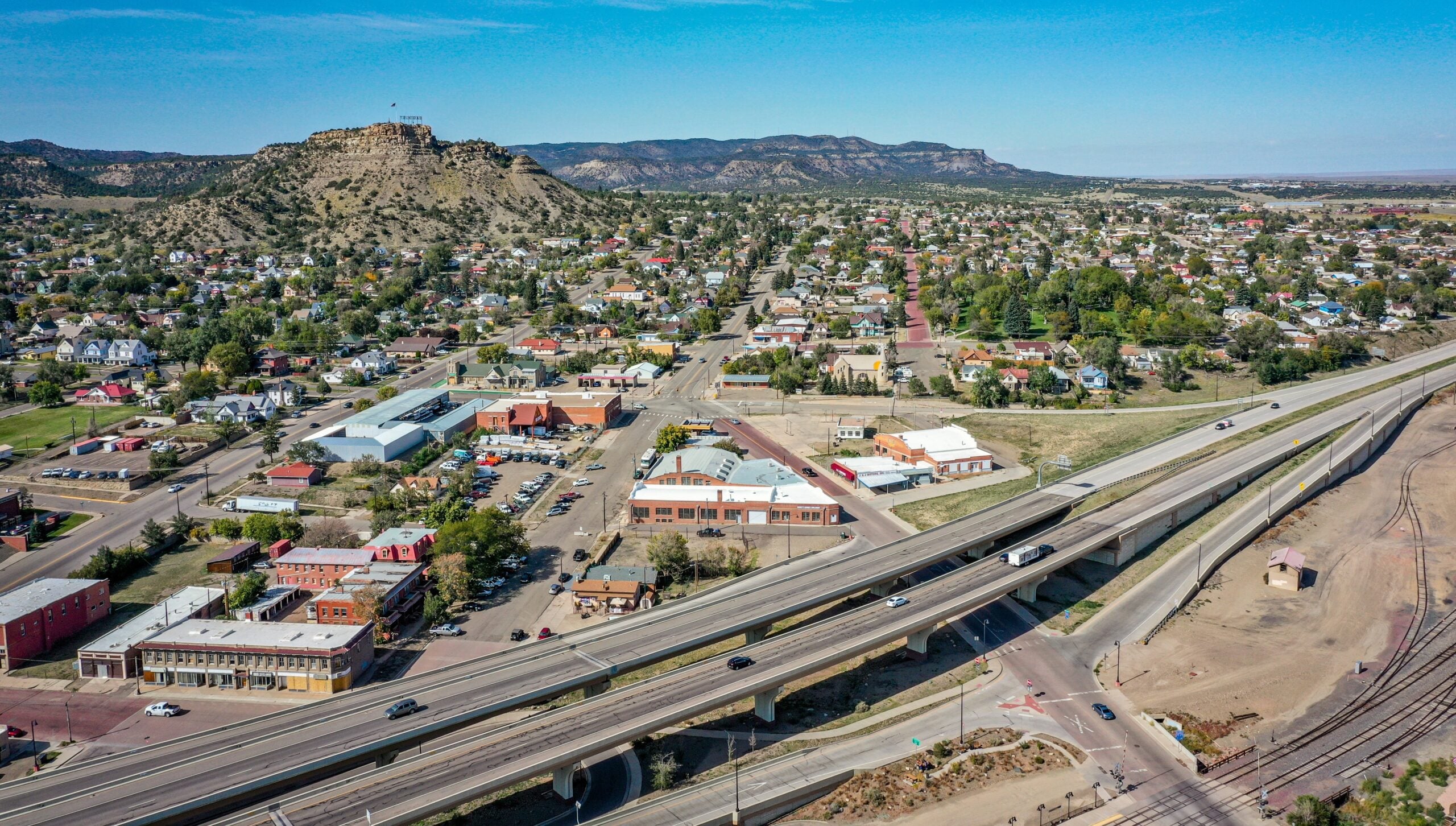
Enforcement is already active in work zones like CO 119 between Boulder and Longmont and along I-25 north of Denver.
Why This Is Getting So Much Reaction
Online, the reaction has been immediate and divided.
Some drivers see a necessary step toward safer roads, especially in construction zones where workers are exposed, and margins for error are thin. Others see something very different, calling it a revenue tool or raising concerns about surveillance and government overreach.
There is also a practical reason behind the skepticism.
Drivers have long criticized speed traps where limits drop abruptly with little obvious safety justification. Situations that feel less like safety and more like a tax on anyone unfamiliar with the area. I have been caught in a few of those myself, and it is hard to walk away from that experience feeling like the system was designed purely for safety.
That tension helps explain why this rollout is being watched so closely.
Let’s Clear up the Biggest Misconception
A lot of the debate centers on one claim that sounds serious but is often misunderstood: that speed cameras are unconstitutional because you have the right to face your accuser.
That argument shows up constantly online, but it does not reflect how the law typically treats these cases.
Most automated speed enforcement tickets are structured as civil penalties, not criminal charges. That distinction matters. Constitutional protections like the right to confront your accuser apply in criminal prosecutions, not in the same way for civil violations.
In many cases, a law enforcement officer reviews the evidence captured by the system before issuing a ticket. The camera is not the accuser. It is a tool used to collect evidence, similar to any other form of recorded proof.
Legitimate concerns still exist. The legal framework behind these systems is more established and more deliberate than much of the online discussion suggests.
Where the Real Debate Actually Is
The more meaningful conversation is not about legality. It is about how these systems reshape the balance between freedom and responsibility.
Driving is often described as a right. It is not. It is a privilege, one that comes with rules because of the risks involved. At the same time, there are valid concerns, especially from a libertarian perspective, about how much enforcement is too much and where government overreach begins.
Those ideas collide here.
Personal freedom has to include the freedom of everyone else on the road, not to be injured or killed by reckless behavior. Speed is not just a personal choice when you are behind the wheel of a multi-ton vehicle. It directly affects the safety of everyone around you.
At some point, the freedom to drive however you want runs into someone else’s right to make it home.
The Bigger Picture
Colorado is unlikely to be the last state to take this approach. The structure is already in place. The legal framework has been tested. Early safety data is strong enough to keep momentum building.
This represents a shift in how enforcement works and how drivers respond to it. A system that removes the loopholes people have relied on for years will always generate pushback.
The debate is not going away. Because in the end, this is not only about speed.
It is about where we draw the line between freedom, responsibility, and the reality of what happens when those two collide.