Time is the hardest design critic in the world. It strips away hype, punishes gimmicks, and reveals which cars were shaped by genuine confidence rather than fashion. That is why certain classics feel more impressive now than they did when they first appeared.
They have outlived trends, survived changing tastes, and emerged with their dignity fully intact. In many cases, they now look cleaner, more elegant, and more purposeful than the latest machines parked beside them. That says something important about great automotive design. The finest classics never chase approval too aggressively, because their proportions, surfaces, and character already know exactly what they are.
A truly well aged car can make a brand new model seem busy, oversized, or strangely temporary. And that raises a fascinating question for modern enthusiasts. How many cars built today will still feel this complete, this desirable, and this beautifully resolved in another 30 or 40 years?
Why Certain Classics Only Get Stronger With Age

A car ages well when its design stays convincing long after its era has passed. The strongest choices here combine proportion, restraint, engineering identity, and a shape that still looks right from every angle.
Greater weight went to models that feel fresh in daylight today rather than merely famous in old photographs. Craftsmanship mattered too, because a lasting classic should still communicate material honesty and mechanical seriousness. I also favored cars whose influence reaches beyond collector circles, since the best automotive design speaks clearly even to people who do not memorize chassis codes.
Variety had a place, though every selection needed a genuine claim to timelessness rather than simple nostalgia. These ten classics still carry themselves with a maturity and confidence that a surprising number of modern cars have not matched.
Mercedes-Benz 300SL Gullwing
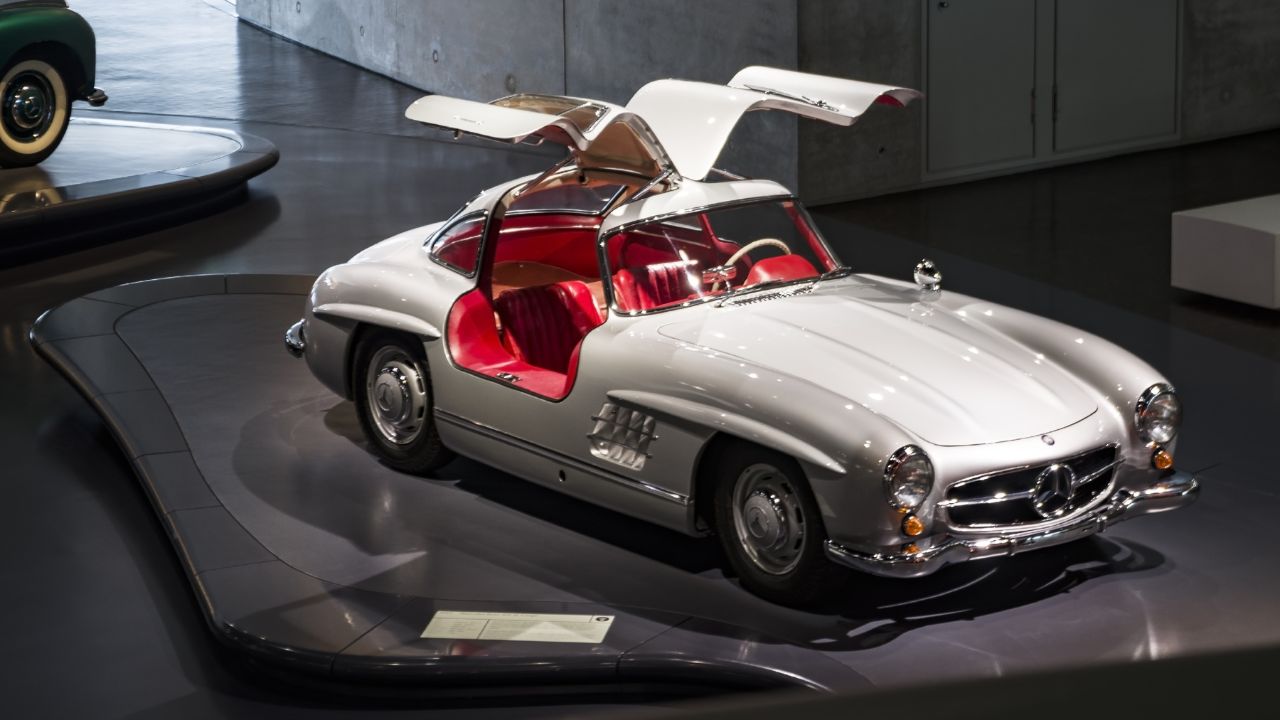
Few cars have aged with more authority than the Mercedes-Benz 300SL Gullwing. Even now, it looks like a machine drawn from a cleaner, more ambitious future. The proportions are exquisite, with a long hood, compact cabin, and an athletic stance that feels precise rather than decorative. Then there are the doors, which remain one of the greatest visual signatures in automotive history, though the real triumph is that the Gullwing would still look extraordinary without them.
It has the kind of engineering led beauty that never needs to shout. Every line feels necessary, every surface feels disciplined, and the whole car carries an air of expensive intelligence. Many modern supercars chase spectacle with greater force, yet very few achieve this level of elegance. The 300SL still looks like genius made visible, and time has only made that more obvious.
Jaguar E-Type

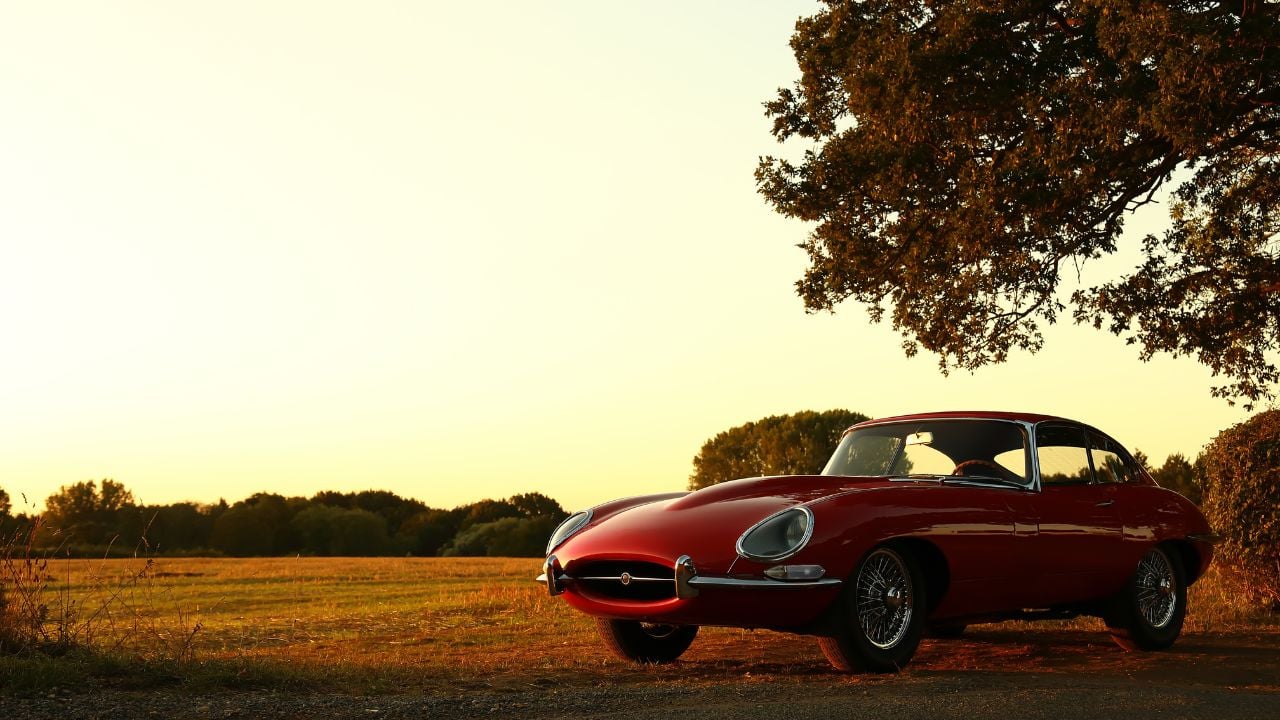
The Jaguar E-Type may be the purest argument ever made for the beauty of a sports car. Enzo Ferrari’s famous admiration became part of its legend, though the shape speaks perfectly well for itself. The hood seems to stretch toward the horizon, the cabin sits with delicate grace, and the rear haunches close the composition with exactly the right amount of tension.
What makes the E-Type so remarkable today is how little of it feels tied to a passing moment. It remains sensual without becoming soft, dramatic without becoming theatrical, and elegant without ever losing its edge. Many current performance cars try to look fast by layering on visual aggression. The Jaguar took the opposite route and came away with something far more lasting. Decades later, it still makes brand new sports cars look unnecessarily complicated.
Citroën DS
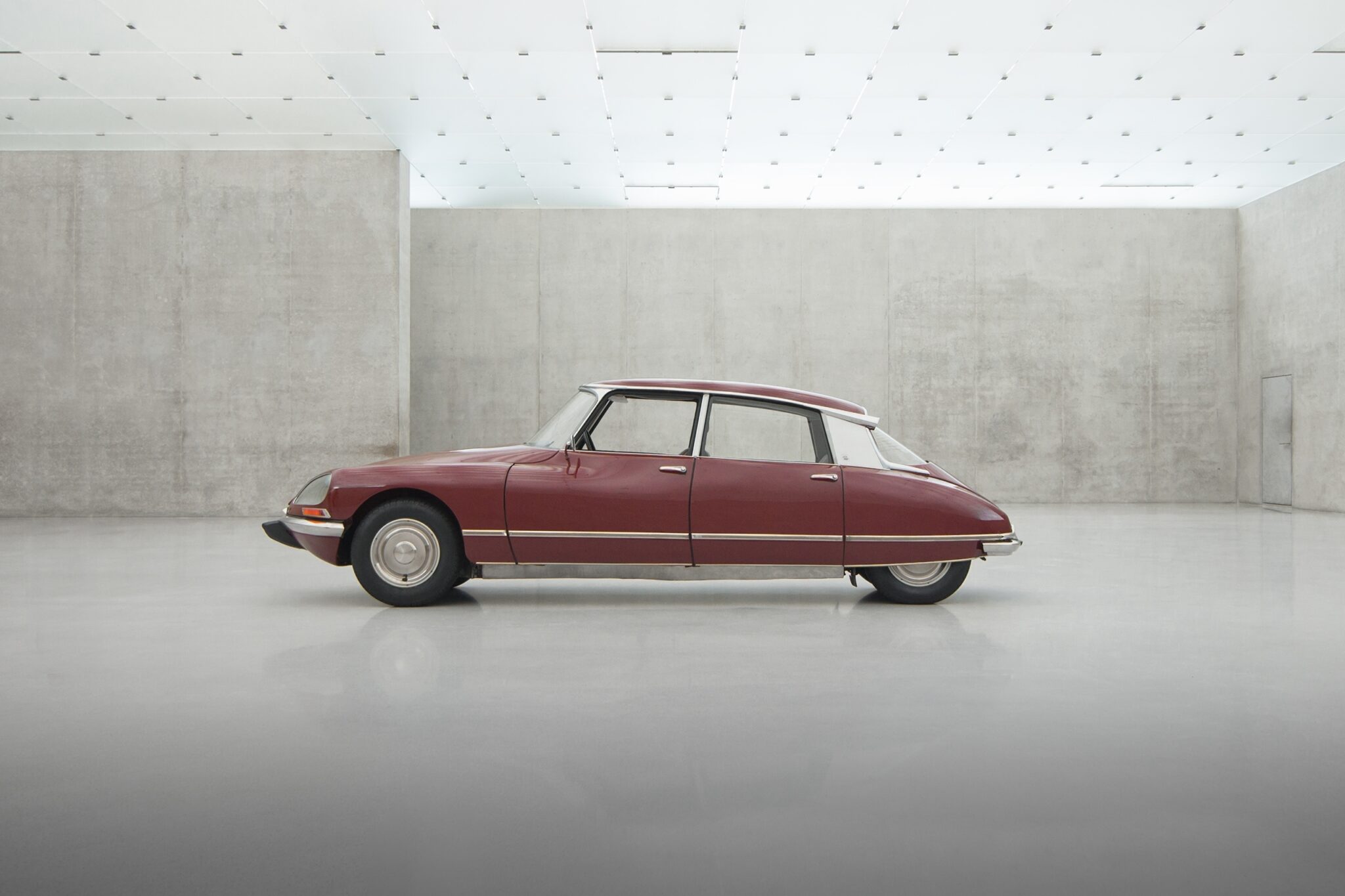
The Citroën DS always looked like tomorrow arriving early, and it still carries that feeling with astonishing ease. That alone explains why it has aged so brilliantly. While many futuristic cars eventually become period curiosities, the DS avoided that trap because its design was rooted in intelligence and clarity rather than novelty. Its smooth, flowing body still feels aerodynamic in a way that most modern sedans struggle to express cleanly.
The glass area gives it a wonderfully airy character, and the whole car seems to float visually even when standing still. Inside, the sense of invention continues, yet the cabin never feels chaotic. What makes the DS special now is how modern its confidence still seems. It was willing to be different with purpose, and purpose almost always ages better than theater. That is why the DS remains so fresh and so quietly radical today.
Alfa Romeo Giulia Sprint GT
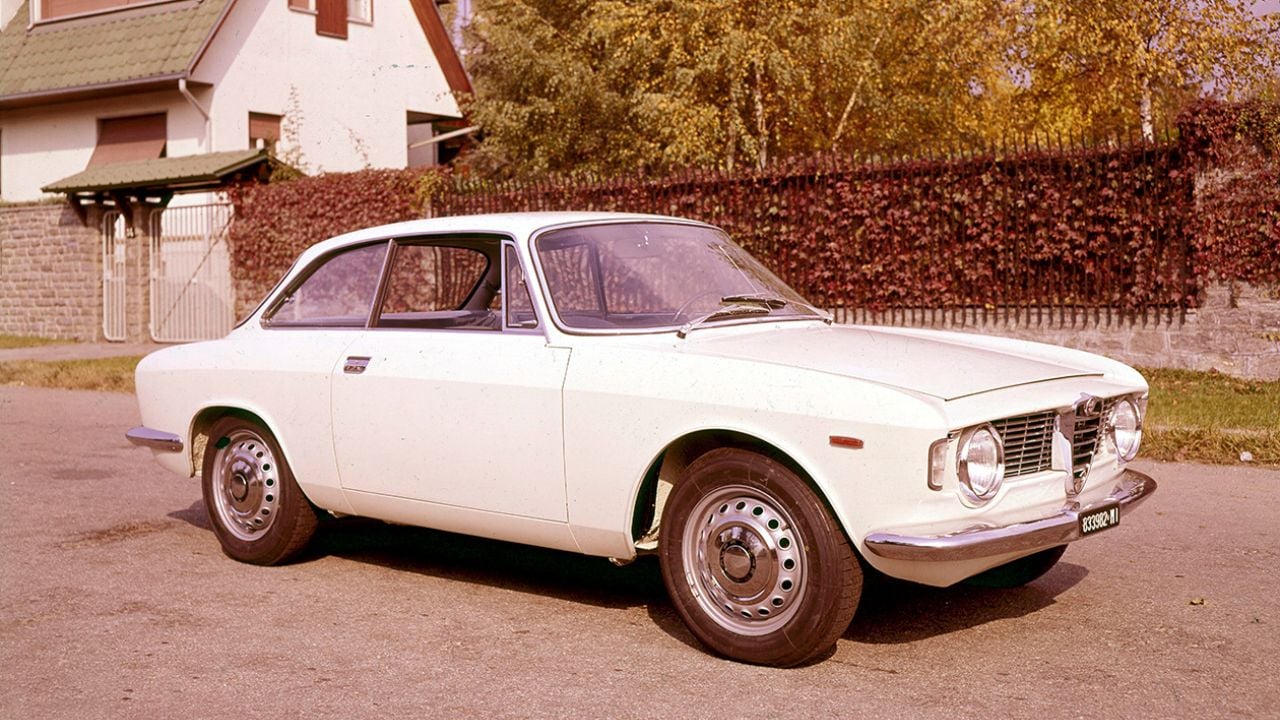
There are prettier Italian cars, and there are more expensive Italian cars, but the Alfa Romeo Giulia Sprint GT may be one of the most perfectly judged of them all. Bertone gave it a crispness and balance that have only become more attractive with time. The body is compact, taut, and wonderfully light on its feet visually, with a roofline and greenhouse that feel almost effortless.
It never relies on excess. Instead, it wins through proportion and rhythm. That is a huge part of why it still looks so good today. The Giulia Sprint GT also carries the right kind of intimacy. It feels like a driver’s car before you even open the door, and that sense of purpose gives the design extra depth. Modern coupes often try very hard to project attitude. This Alfa simply has it, and it wears it with real class.
Chevrolet Corvette Sting Ray Coupe

The Chevrolet Corvette Sting Ray Coupe gave America a sports car shape that still feels bold, memorable, and beautifully self assured. Its sharp fenders, tucked waist, and dramatic roofline created a silhouette that has lost none of its energy. There is muscle in the shape, though there is also discipline, which is what keeps it from slipping into caricature.
A lot of classic American performance cars remain loved more for their spirit than their design refinement. The Sting Ray belongs to a more special category because it offers both. Seen today, it still looks like a serious piece of industrial art. Even its cabin and driving position carry a focused, almost cockpit like charm that modern performance cars sometimes overcomplicate. The best part may be how clearly it expresses its era while still feeling relevant beyond it. That is a difficult balance, and the Sting Ray nailed it.
Ferrari 250 GT Lusso

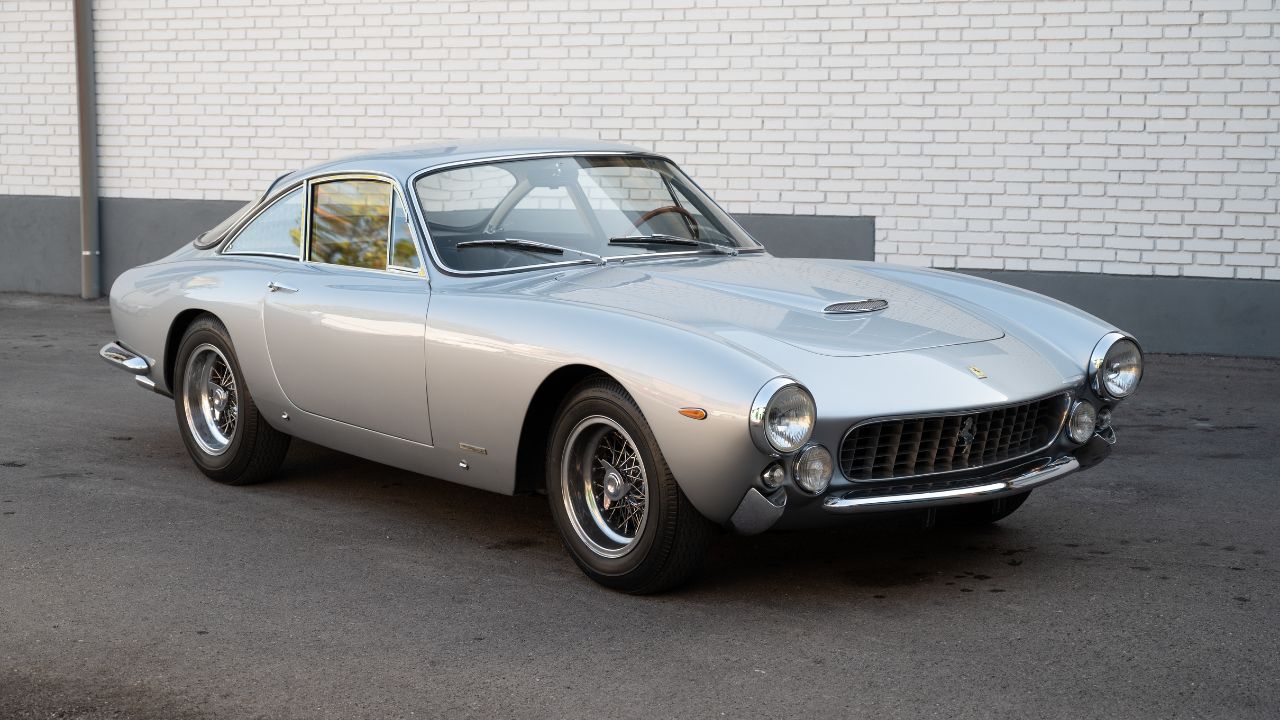
The Ferrari 250 GT Lusso represents one of the great grand touring shapes ever created. It has beauty, of course, though the more impressive achievement is how complete it feels. Nothing seems overworked. The front end carries enough authority, the glasshouse sits with perfect elegance, and the rear of the car tapers away with a calm confidence that makes many newer exotics feel restless.
The Lusso never looks like it is trying to impress you. It simply assumes you will understand. That kind of composure is rare in any era. It is even rarer after decades have passed and tastes have changed repeatedly. The Lusso remains a masterpiece because it captures speed, luxury, and romance in one disciplined form. Plenty of modern performance cars offer greater capability. Very few offer this kind of visual maturity. It looks less like a product and more like a permanent idea.
Porsche 911 Carrera (993)
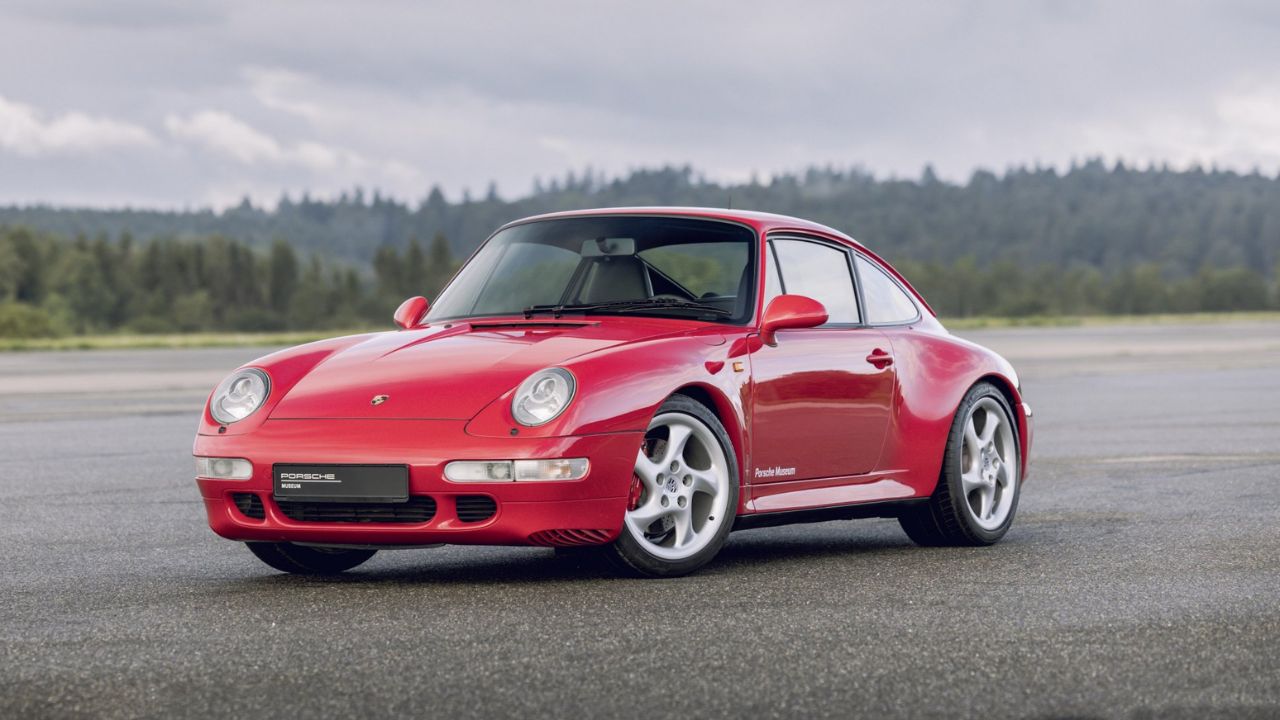
The Porsche 911 Carrera (993) occupies a very special place in automotive history, though its lasting beauty has just as much to do with scale as legacy. It comes from the final air cooled chapter, yet it also represents the last moment when a 911 still looked genuinely compact by modern standards. That compactness matters. The car has substance and presence, though every curve feels tightly controlled and wonderfully resolved. Nothing seems oversized, inflated, or exaggerated.
The proportions remain one of the strongest lessons the modern sports car world could study. From the upright lamps to the clean rear shoulders, the 993 feels like a design refined over decades until very little could be improved. It also avoids the problem that affects many 1990s performance cars, which is looking too tied to the decade that produced them. The 993 still feels like a 911 in its purest, most satisfying visual form.
Acura NSX
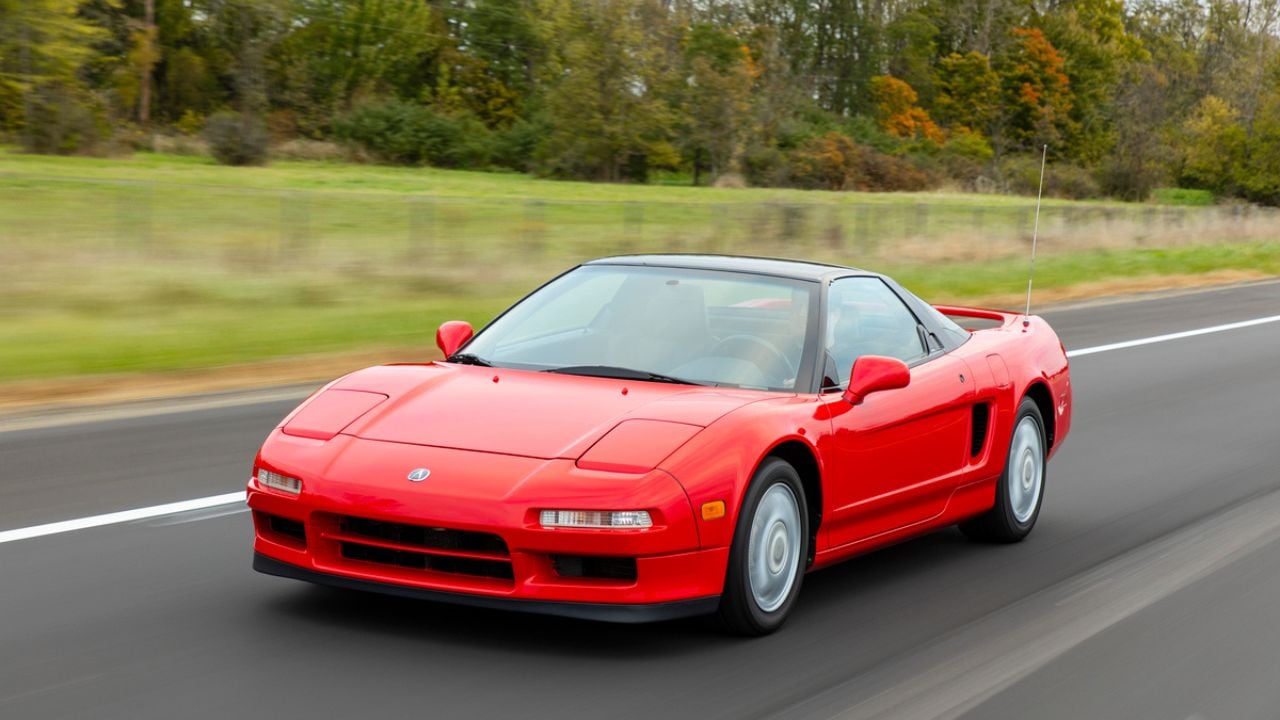
The Acura NSX aged so well because it was shaped around function, clarity, and confidence rather than fashionable drama. You can see that in every inch of the car. The sightlines are clean, the nose stays low and disciplined, and the whole body has a technical elegance that remains deeply attractive. It looks exotic, though it also looks usable, and that balance is a huge part of its enduring charm. A lot of supercars from later years feel visually crowded, as though every surface had to fight for attention.
The NSX never falls into that trap. It understands proportion, and it trusts simplicity. That trust has been rewarded over time. Today, the first generation NSX feels more modern in its restraint than many cars that are decades younger. It still communicates intelligence, performance, and purpose without ever becoming visually loud.
Lexus LS 400
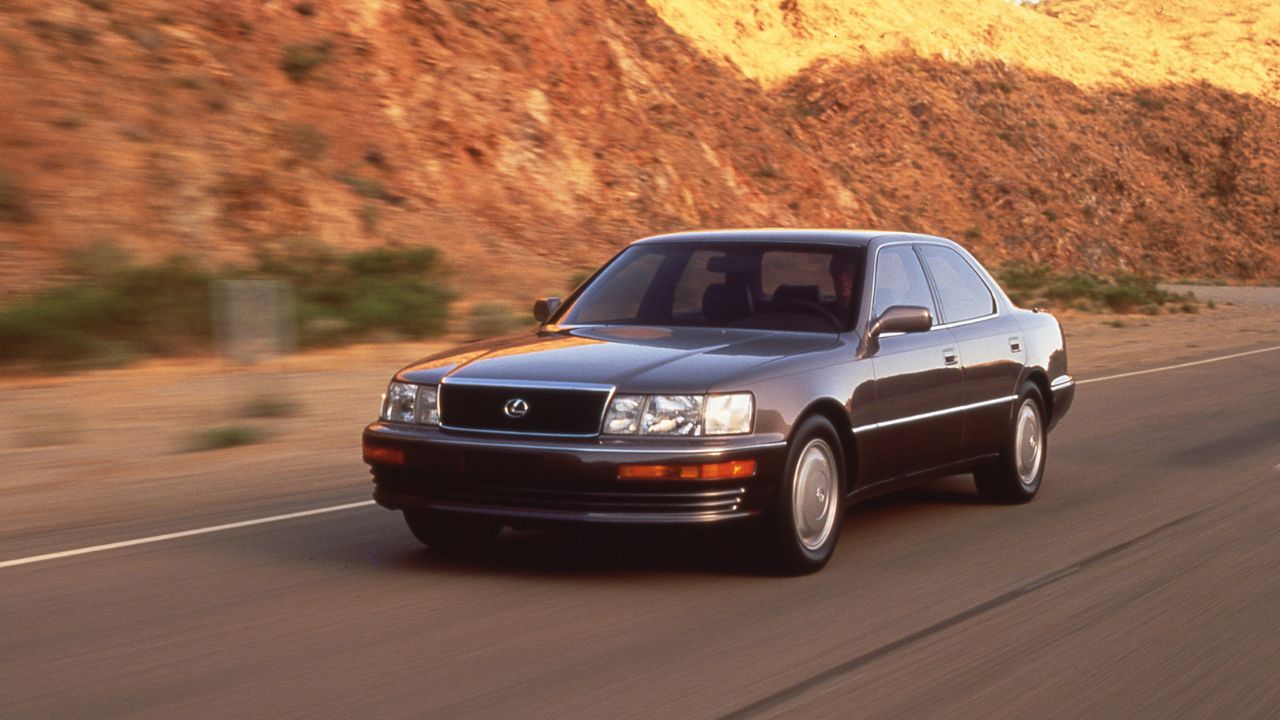
The Lexus LS 400 proves that a car does not need flamboyance to age magnificently. In fact, its restraint is exactly why it now looks so impressive. When it arrived, the LS projected precision, calm, and confidence through proportion and finish rather than styling tricks. Today, that approach looks even smarter. The body is beautifully clean, the greenhouse is open and graceful, and the overall stance has the quiet dignity of a luxury sedan designed by people who believed good taste did not require noise. Inside, the story gets even stronger.
The cabin materials, layout, and build quality still communicate a seriousness that many modern luxury cars struggle to match once the screens fade from view. The LS 400 has become one of the great examples of design aging through discipline. It feels less like an old sedan and more like a reminder of how powerful understatement can be.
Aston Martin DB5

The Aston Martin DB5 remains one of the most universally admired classics for a simple reason: it still looks magnificent without explanation. Its shape captures the exact point where grand touring elegance, British craftsmanship, and restrained confidence came together perfectly. The front end has presence, the side profile flows with uncommon grace, and the rear of the car finishes the composition with just enough formality.
Nothing on the DB5 feels accidental. It has the polish of a hand tailored suit and the warmth of an object made by people who cared about beauty as much as performance. Plenty of legendary cars become prisoners of their own mythology. The DB5 escapes that problem because the design fully deserves the reputation. It is cinematic, certainly, though it would remain deeply desirable even without that association. Time has polished its image further, and that image was already extraordinary to begin with.
Why The Greatest Classics Never Need To Chase Relevance
The best classic cars do not survive because collectors tell us to admire them. They survive because their shapes still feel complete, their presence still lands instantly, and their character still cuts through a world crowded with visual noise. That is what separates a genuinely well aged car from a merely famous one.
The ten cars here still have the power to stop conversations, shift perspective, and remind people that great design usually begins with clarity rather than excess. They also make a useful point about the present. Newer does not always mean richer, more beautiful, or more memorable. Sometimes the older answer is the one that feels calmer, more intelligent, and more deeply finished.
Which classic would you trust to turn heads even in a parking lot full of brand new luxury cars? And when you think about the cars that truly stay with people, do they win through novelty, or through the kind of lasting excellence that only grows stronger with time?