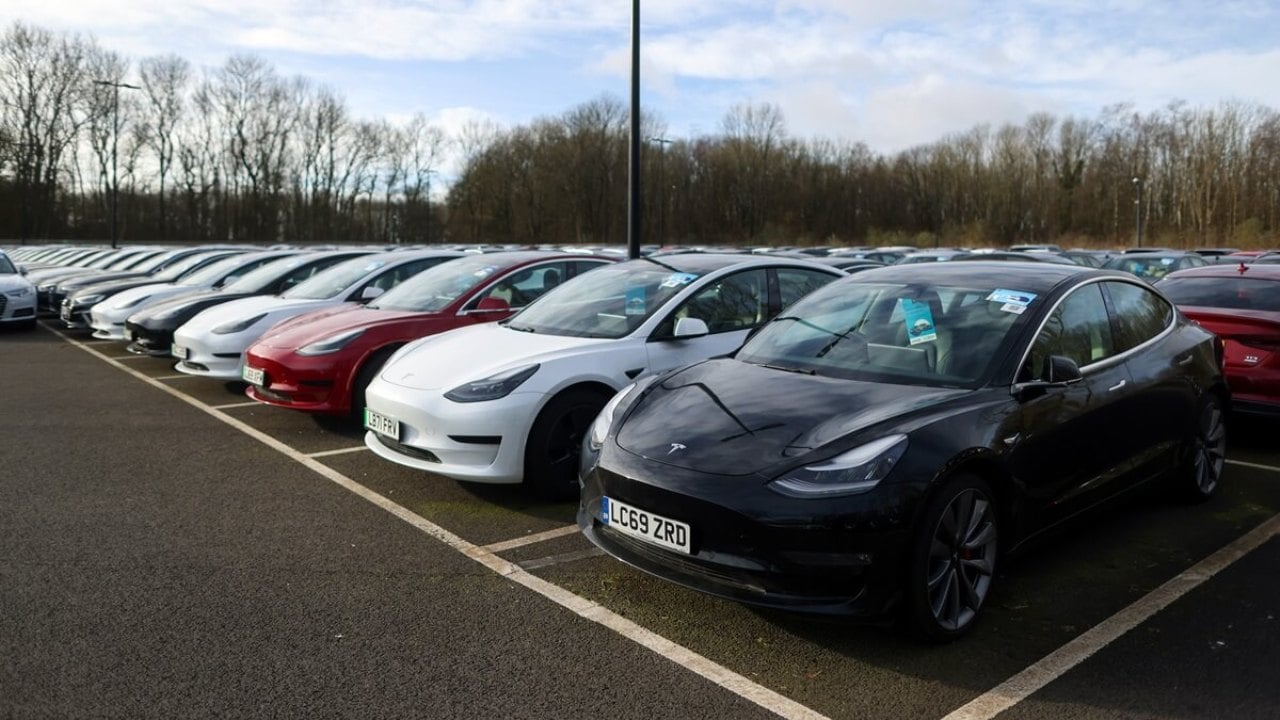
The used-car market has already had a strange few years. Prices went crazy, inventories got weird, dealers started acting like every three-year-old crossover was made of gold, and buyers learned very quickly that “affordable” and “available” were no longer close friends. Now the next disruption is lining up, and it is not small. By 2028, industry estimates suggest nearly 800,000 off-lease EVs could hit the used market, which means a category that still feels new to a lot of shoppers may suddenly have to behave like a fully mature one.
This is not just a story about more used cars showing up. It is a story about more used electric cars showing up at once, carrying all the baggage EVs already bring with them: battery-health anxiety, resale-value uncertainty, charger-network drama, and the simple fact that a lot of buyers still do not know what a used EV is actually worth. Add a giant wave of returning lease cars to that mix, and the whole market starts looking less like a gentle transition and more like an incoming test.
And if you are wondering who really feels the pain first, it is not just the dealers. It is the finance arms, the automakers, the auction houses, the shoppers trying to time a bargain, and the owners who thought their three-year-old EV would still be worth something close to what everyone promised at signing. Instead, this next phase could be the moment where the used-EV market stops being theoretical and starts becoming brutally real.
The Easy Lease Era Is Coming Due
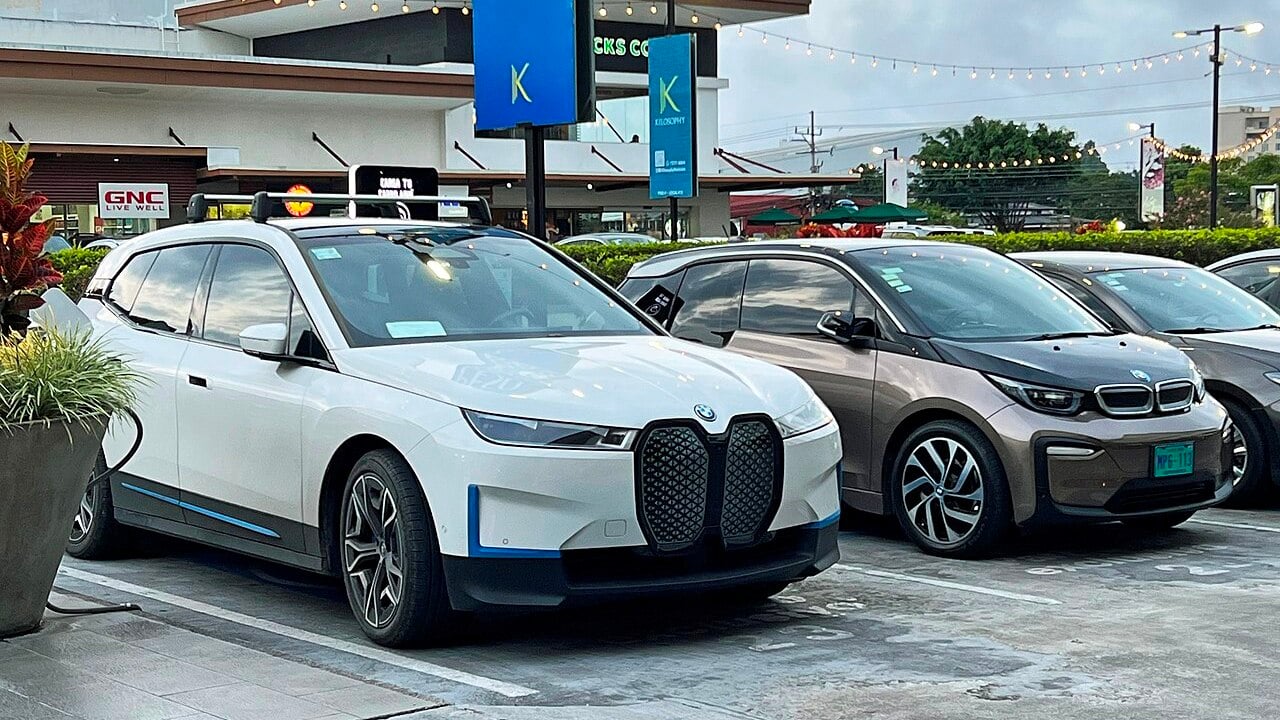
A lot of this was baked in years ago. Automakers pushed EV leases hard because leases helped move expensive electric models with lower monthly payments, tax-credit advantages, and less long-term risk for hesitant buyers. It worked. Plenty of shoppers who were not ready to commit to full EV ownership were happy to try one for 24 or 36 months.
Now those leases are rolling off. That means the market is about to get hit with the kind of supply jump it has not really had to absorb before. And unlike gas cars, where used values tend to move in a more familiar rhythm, EV resale has been all over the place. In some segments, values have dropped hard enough to make the whole category feel unstable, even when the actual cars are perfectly usable.
The Resale Math Is Starting To Look Ugly
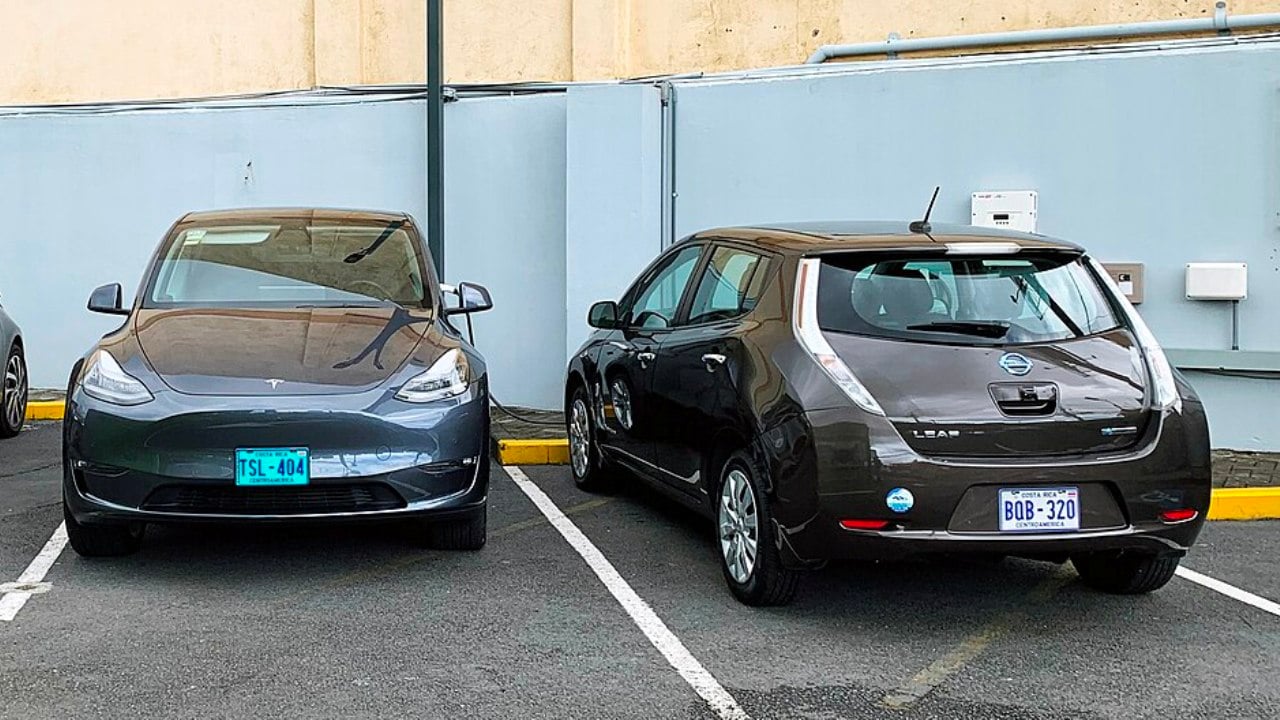
This is where the story gets uncomfortable for the industry. Some recent estimates suggest a three-year-old EV may retain only about 40% of its original value, compared with roughly 90% during the tighter used-car years. That is not a normal correction. That is the sort of drop that turns optimistic lease assumptions into very expensive accounting lessons.
The industry-wide financial hit could be enormous. Analysts have floated figures as high as $8 billion in potential losses tied to these returning EVs if residual values keep underperforming expectations. And that makes sense, because lease economics depend on one basic idea: the car coming back will still be worth enough to make the deal work. If that assumption falls apart at scale, somebody has to eat the difference.
That “somebody” is usually not the person who already handed the keys back.
Buyers May Finally Get the EV Bargains They Wanted
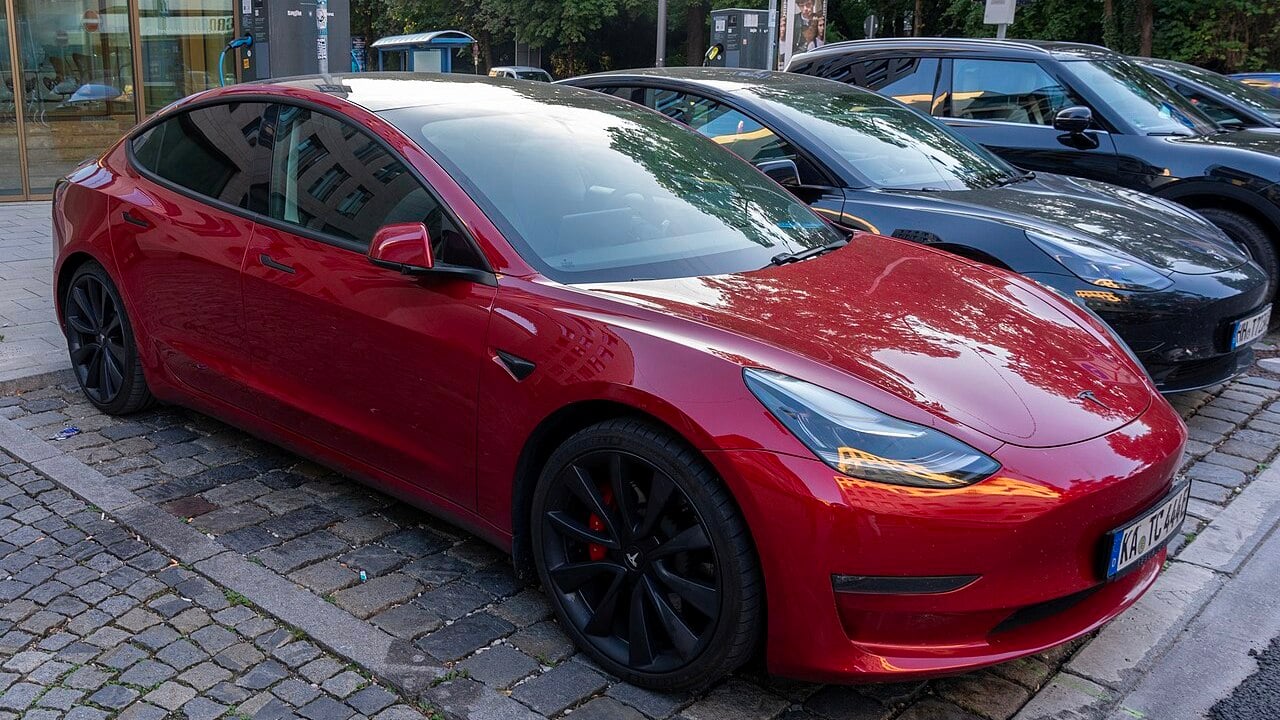
Of course, this same problem could look like an opportunity from the other side of the windshield. For years, buyers kept hearing that affordable EVs were coming. What they mostly got instead were expensive new models, shaky incentives, and a lot of marketing about “the future.” A used-EV glut could be the moment where regular shoppers finally get something that feels like an actual deal.
That does not mean it will be simple. Used EV shoppers still worry about battery degradation, charging speed, software reliability, and repair costs. A cheap EV is only a bargain if the battery is healthy and the ownership experience makes sense. That is why battery-health reports, certification programs, and warranty transparency are about to matter a lot more than they used to.
In other words, lower prices alone will not fix the trust problem. But they will definitely get more people looking.
Dealers May Not Love What Comes Next
This is the part where the used-car market may not be ready. Dealers know how to price gas SUVs. They know how to explain mileage, trim, service history, and trade-in values. Used EVs are different. Two cars that look identical on the lot can feel very different once battery condition, charging performance, and software updates enter the conversation.
That means some dealers will lean harder on auctions just to move metal quickly. Others will try certified pre-owned EV programs or battery-scoring tools to calm nervous buyers. Either way, the days of just parking an off-lease EV next to a used CR-V and hoping for the best are probably over.
And that is why this next wave matters so much. Nearly 800,000 returning EVs is not just a market statistic. It is a stress test. If the industry handles it well, used EVs could finally become the affordable gateway to electric ownership that people were promised. If it handles it badly, the category risks becoming known less for innovation and more for brutal depreciation.
Either way, the used-car market is about to find out what an EV flood really looks like.
Solid state batteries technology comes online and it will be a game changer for EVs!