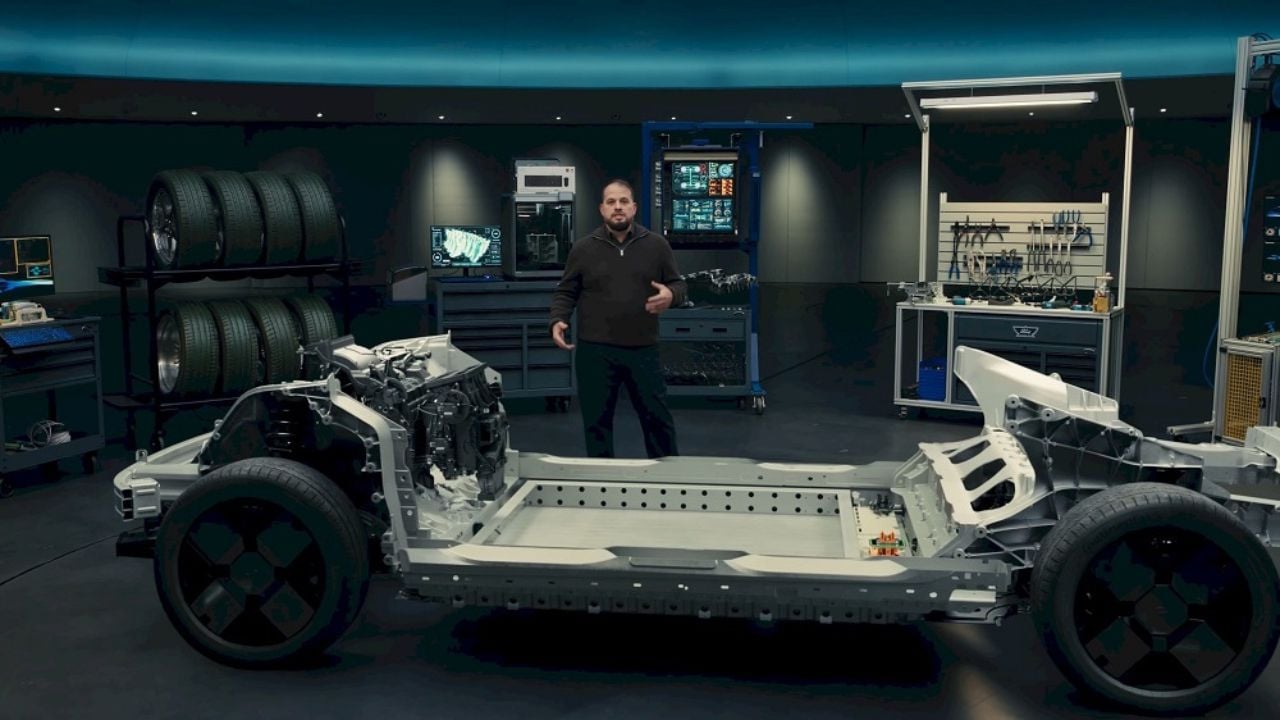

Ford is rethinking how the cars it builds comes together at the factory. That’s news enough, but there’s more: The Blue Oval’s manufacturing rethink could reshape not just factory floors but also what happens after a crash.
At Ford Motor Company, engineers are moving away from the traditional method of assembling a vehicle from hundreds of smaller stamped metal parts. Instead, the company plans to use a handful of large aluminum castings for the front and rear sections of its upcoming midsize electric pickup.
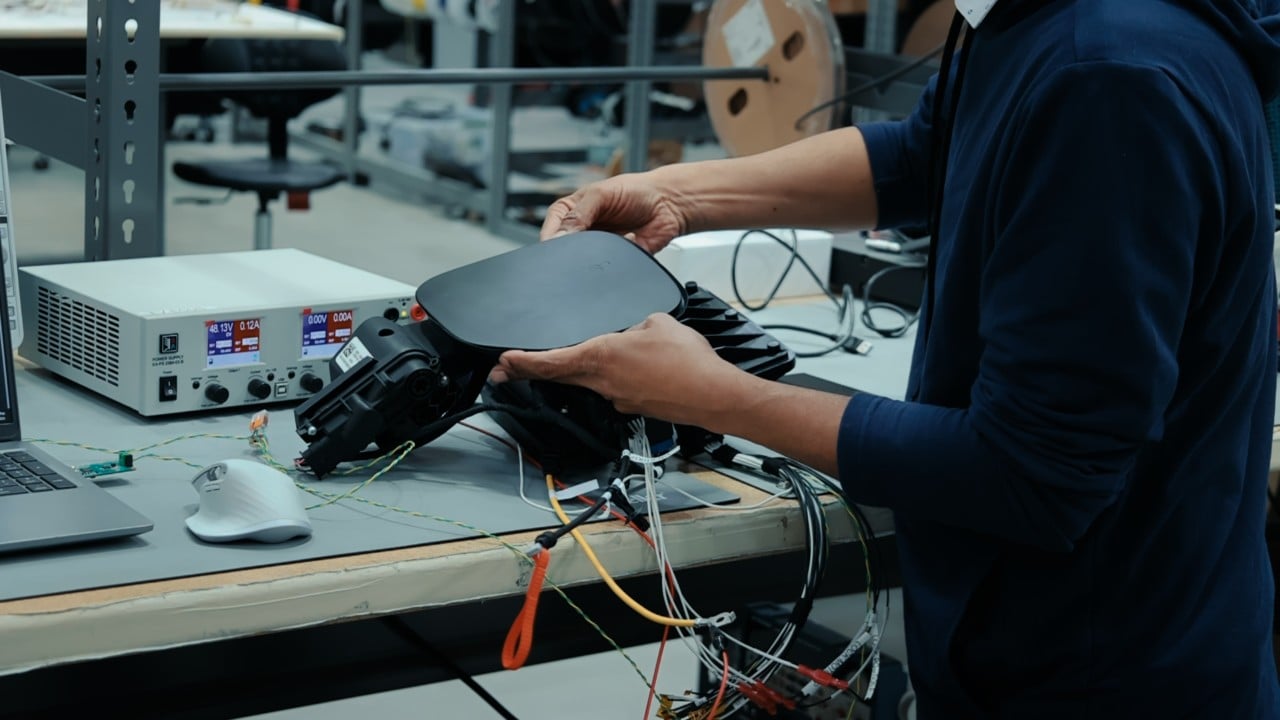
The idea is simple to explain even if the technology behind it is not. Rather than welding together many pieces like a puzzle, Ford wants to create bigger sections in one go, more like pouring a single solid form.
Chief Executive Jim Farley has described the approach as the most radical shift in manufacturing the company has made since the days of the Model T. That is not just executive hype. It signals a deep change in how automobiles are designed, built, and even repaired. Ford sounds optimistic about the repairability; us, we’re not so sure.
Traditional Repairs vs. Ford’s Vision
The way cars are traditionally built today, the front and rear structures are made up of many components. If a crash damages one area, technicians often need to assess a complex network of parts. Repairs can involve cutting, welding, and replacing multiple sections, which adds time and cost. With Ford’s new method, those intricate assemblies are replaced by large cast pieces.
At first glance, that might sound like bad news for repair bills. If one large piece is damaged, would it not be more expensive to replace? Ford’s research suggests the opposite could be true in many cases.
Because the castings are designed with repair in mind, damaged sections may be easier to access and swap out. The simplified structure reduces the number of connections and weld points that need attention. That can translate into less labor time, which is often the most expensive part of a repair job. Fewer parts also mean fewer things that can go wrong during the repair process. Ahem, about that.
The Problem with Gigacast Repairs
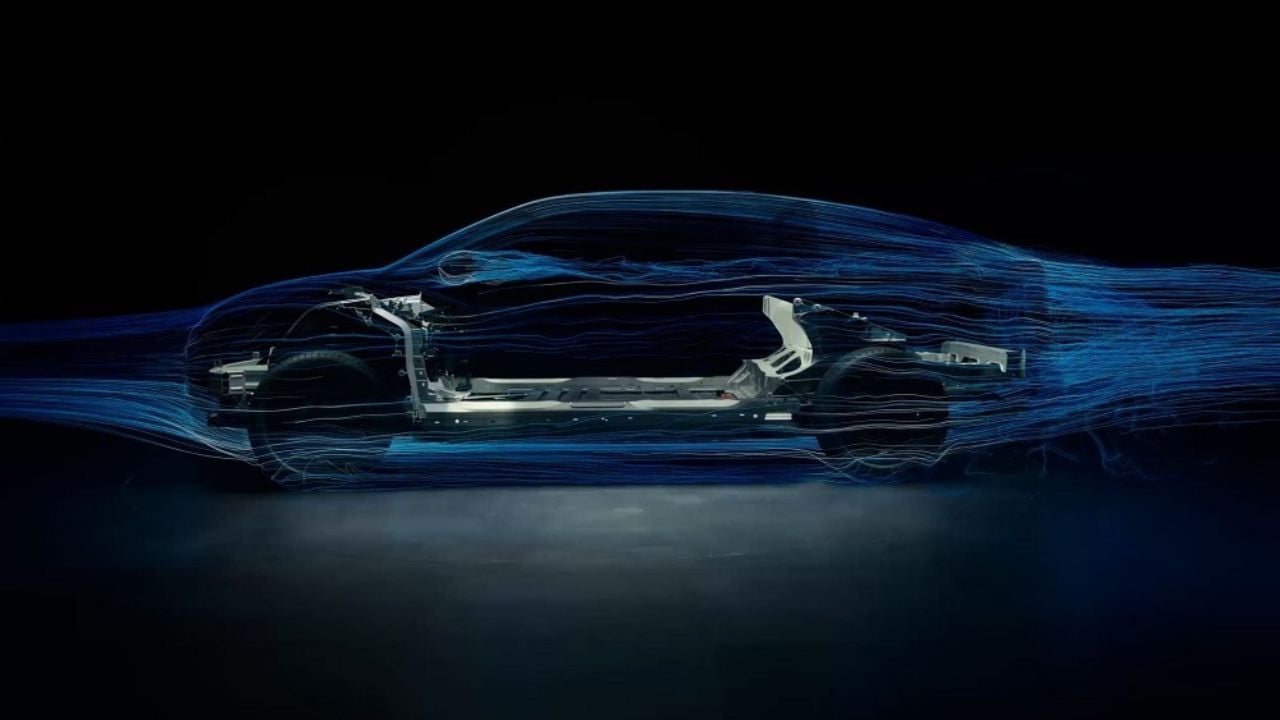
Ford’s optimism about repair costs under a large-casting architecture overlooks several technical realities. First, aluminum gigacast structures are not easily repairable in the field. Unlike steel stampings, which can be sectioned, straightened, or welded, high-pressure die-cast aluminum loses structural integrity when cut or welded due to heat-affected zones and porosity.
Collision shops will often be forced to replace the entire casting rather than repair localized damage, driving up parts costs dramatically.
Second, accessibility is not necessarily improved. A single-piece rear casting integrates suspension mounts, crash structures, and load paths. Damage to one area—say, a suspension pickup point—compromises the entire casting, requiring full replacement. That means disassembling major subsystems, including driveline and battery pack mounts, which increases labor hours rather than reducing them.
Third, supply chain and logistics add cost. Gigacastings are massive, expensive to ship, and require specialized fixtures to install. Independent repair shops may lack the equipment to handle such components. Unless, of course, there’s something Ford isn’t saying; it’s looking to push repairs toward OEM-certified centers with higher hourly rates.
Finally, insurance actuaries already warn that vehicles with gigacast structures (like Tesla’s Model Y) show higher total-loss rates after moderate collisions. The simplified assembly may reduce factory complexity, but in real-world crash repair economics, it risks making vehicles less repairable and more disposable. But let’s play along for the moment.
The Consistency Argument (And Why It Fails)

Ford might point to another benefit that is less obvious but just as important. With fewer components, there is less variation in how repairs are carried out. That consistency can help body shops standardize their work, leading to more predictable outcomes for customers and insurers alike.
Ahem, again, we’re not so sure about this either. The idea that fewer components will yield more consistent repairs stands on shaky foundations. In practice, large aluminum gigacast structures introduce greater variability because repairability depends heavily on damage location, severity, and shop capability.
Unlike modular steel stampings, which allow sectional replacement, a single-piece casting integrates multiple load paths, suspension mounts, and crash structures. A dent in one area may compromise the entire casting, forcing full replacement rather than localized repair.
Moreover, aluminum castings require specialized procedures. Think heat treatment, adhesive bonding, or complete substitution, all of which vary across OEM-certified shops. Independent body shops often lack the equipment or training, and there goes your consistency. The reality is rather the opposite: inconsistent repair outcomes.
Insurance adjusters already note higher total-loss rates for Tesla’s gigacast vehicles, precisely because repair decisions differ widely depending on shop resources. Instead of standardization, fewer components create binary repair paths: either replace the whole casting or declare the vehicle a loss. That variability undermines predictability for both customers and insurers. But let’s still play along.
The EV Platform Connection (And Another Problem)

Ford would posit that its radical manufacturing shift aligns with the broader push toward electric vehicles. EV platforms are already different from traditional internal combustion designs, with large battery packs forming a structural base. Integrating large castings into the front and rear complements that architecture.
It creates a more unified structure that can improve strength and reduce weight, both of which are critical for efficiency and range.
Ahem, there’s another fundamental problem here.
Large aluminum gigacast structures may complement EV platforms superficially, but they introduce structural rigidity that reduces repairability and modularity. EV battery packs already demand service-friendly architectures; integrating massive castings around them complicates disassembly and increases the risk of collateral damage during repairs.
Moreover, aluminum’s lower fatigue resistance compared to steel can amplify stress concentrations at casting junctions, ultimately undermining long-term durability.
Weight savings are not guaranteed either. Large castings require thicker sections to maintain crashworthiness, which just offsets efficiency gains. Practically speaking, this approach risks trading theoretical range improvements for higher lifecycle costs and reduced sustainability.
Why Ford is Doing This Anyway

Ford is not alone in exploring this approach, though. Other automakers have begun experimenting with large castings, sometimes referred to as gigacastings, as a way to simplify production and cut costs.
The difference with Ford is its emphasis on how this design could affect the ownership experience after the vehicle leaves the showroom. But with all the faults in the stars, that emphasis seems more like a cool afterthought they hoped would make a massive selling point. The idea that Ford is prioritizing the ownership experience in walking down this path is highly doubtful.
Ford is essentially telling the everyday driver that, if the company’s projections hold true, a fender bender might no longer lead to a long list of parts and a hefty repair bill. Instead, the process could be more direct, with fewer steps between damage and restoration. We don’t believe this by reason of the arguments we’ve made here.
The Bottomline
But don’t just take our words for it, although you’d be right to do so. The real test will come once these vehicles are on the road and in repair shops. Technicians will need training, and the industry will have to adapt to handling larger structural components. Insurance companies will also be watching closely to see where the wind blows; how repair costs compare in real-world scenarios.
Still, Ford deserves a salute for trying to rethink how cars are made and what that means for drivers long after the purchase. Considering the serious challenges the company has had to weather in recent years, not least the massive, fire-breathing dragons from the east, the company just has to do something.
In fact, those dragons, embodied by the likes of BYD and Geely, are exactly why the Blue Oval is rethinking its thinking. What we refuse to buy is being sold the idea of gigacasting making life simpler for the guy who actually bought the finished product; that car ownership and maintenance will be less complicated and less expensive when things go wrong.
Sources: Ford Authority