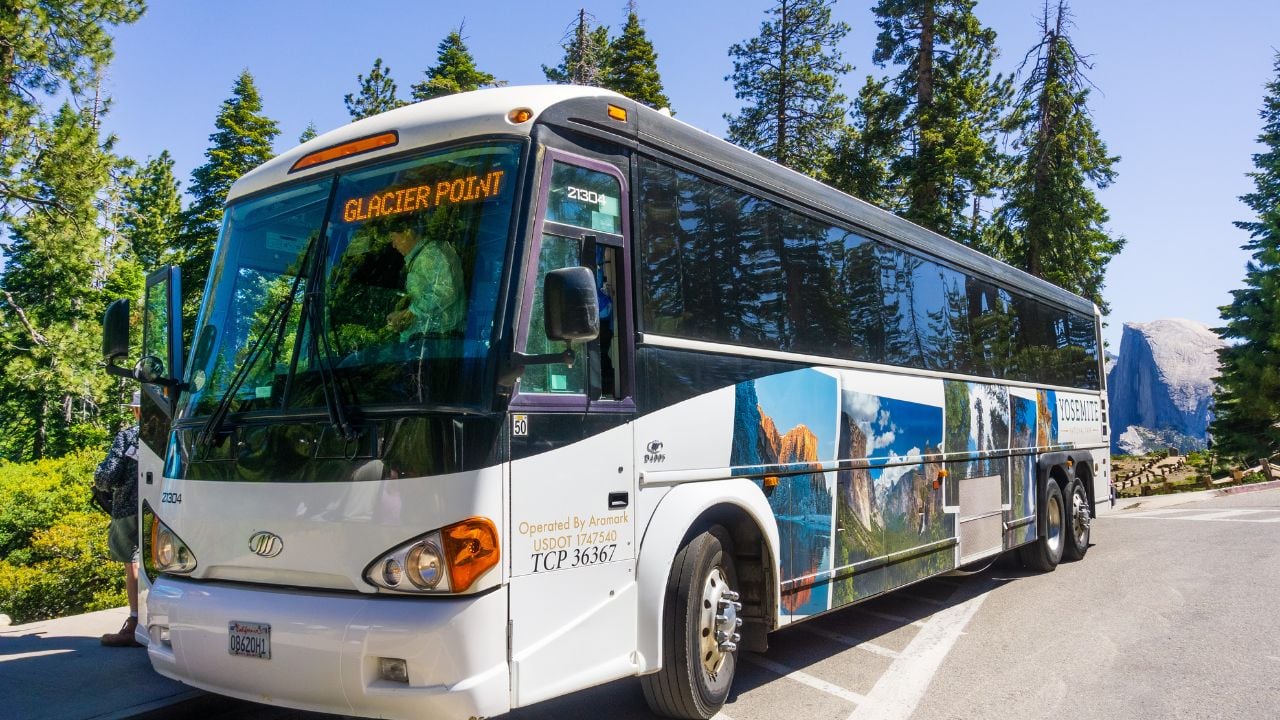
America’s rising gas prices are beginning to reshape how people travel. With fuel costs climbing rapidly following tensions in the Middle East, many drivers are parking their cars more often and turning to trains, buses, scooters, and public transit to save money.
Transportation companies across the country are already seeing the impact. Rail operators, intercity bus networks, and alternative mobility providers all report increased ridership as consumers search for cheaper ways to commute and travel long distances.
The trend comes as experts warn gas prices could soon hit $5 per gallon nationally around Memorial Day. For many households already dealing with expensive groceries, housing costs, and higher insurance premiums, fuel expenses are becoming difficult to ignore.
While higher gas prices usually increase demand for fuel-efficient hybrids and EVs, the latest surge appears to be pushing some Americans away from driving altogether. In many cities, public transportation is seeing its strongest momentum since pandemic-era ridership declines.
Trains And Buses Are Seeing More Passengers
According to CBS News, Amtrak reported a 5% increase in passengers during March compared to the same month last year. Some travelers who would normally rent a car or drive themselves are instead choosing rail travel to avoid high fuel expenses.
Long-distance bus companies are also benefiting from the shift. Trailways, one of North America’s largest bus networks, says ridership climbed 5% in March before jumping another 9% in April as fuel prices continued rising.
Air travel is becoming more expensive as well. Higher jet fuel costs have reportedly pushed airfare prices up roughly 15%, leading some travelers to replace flights with buses or trains for regional trips.
Trailways executives say they are already responding to the increased demand by hiring more drivers and looking to expand their fleet. Interestingly, the company says it has not raised fares yet despite the growing ridership surge.
Alternative Transportation Is Growing Again
The shift extends beyond traditional public transportation systems. Micromobility companies that operate e-scooters and bike-sharing services also report rising usage as commuters search for cheaper alternatives to driving.
According to a survey cited in the CBS report, 68% of riders using scooters and bikes said they were replacing at least some car trips because of higher gas prices. In dense urban areas, avoiding fuel costs altogether can create substantial monthly savings.
Carpooling is also making a comeback in some regions. Sharing rides allows drivers to split fuel costs while reducing wear and tear on individual vehicles, making commuting slightly more manageable financially.
The broader trend highlights how quickly consumer behavior can shift when fuel prices spike. Even modest increases at the pump can dramatically change how people view transportation costs during daily life.
Hybrids Are Benefiting From The Pressure
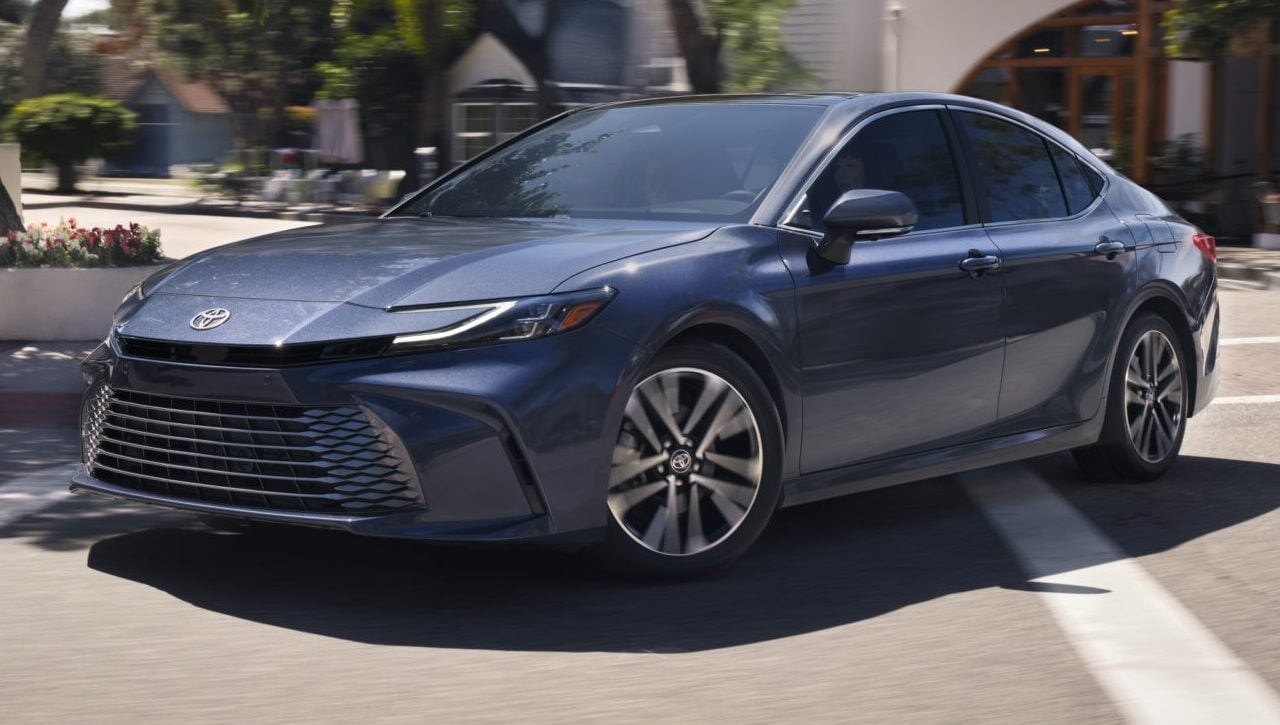
Automakers are closely watching these changing habits because higher fuel prices tend to boost demand for efficient vehicles. Hybrid sales have already surged throughout 2025 as buyers increasingly prioritize fuel economy over outright performance.
Honda recently reported record hybrid sales for models like the CR-V, Accord, and Civic. Toyota continues dominating the hybrid market as buyers gravitate toward vehicles that reduce fuel costs without requiring full EV ownership.
Larger trucks and SUVs could face more pressure if fuel prices remain elevated for an extended period. Consumers who previously overlooked efficiency may start reconsidering vehicle size and operating costs more carefully.
At the same time, EV interest is also growing again, although actual EV sales remain more unpredictable. Many consumers still worry about charging infrastructure, purchase prices, and long-term ownership costs despite rising gasoline expenses.
Public Transit Could Gain Long-Term Momentum
Transportation analysts say sustained fuel prices near $5 per gallon could create lasting behavioral changes. Americans traditionally rely heavily on personal vehicles, but prolonged fuel shocks often force commuters to reevaluate how much driving actually costs.
Public transit systems that struggled after the pandemic may finally regain some lost ridership momentum if fuel prices stay elevated through summer. That could especially benefit major metropolitan regions where trains and buses already provide viable commuting alternatives.
Some drivers are even traveling across state lines to save money on gasoline. California residents are increasingly crossing into neighboring states like Arizona to take advantage of lower fuel prices and avoid steep state taxes.
Whether this becomes a short-term reaction or a more permanent transportation shift remains unclear. Still, one thing is becoming obvious: as fuel prices climb higher, many Americans are deciding their car keys are no longer the cheapest way to get around.