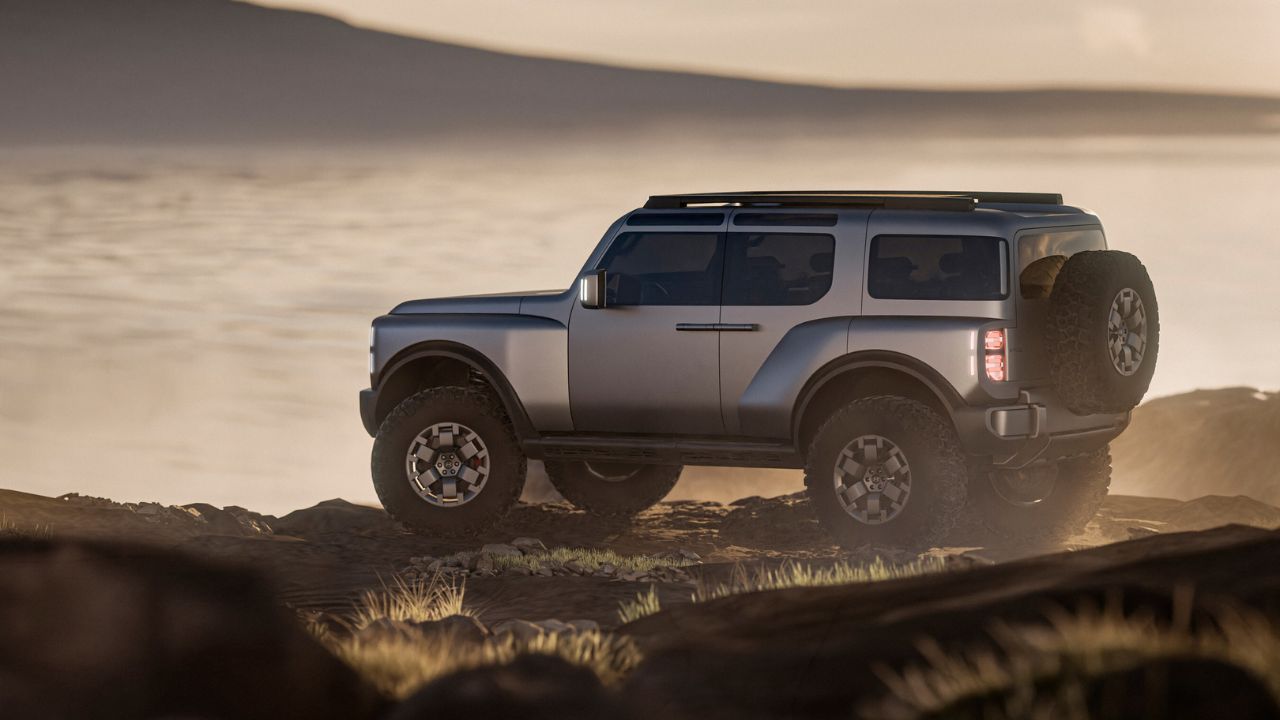
Hyundai capitalized the 2026 New York International Auto Show to unveil one of its most unexpected concept models yet. The Hyundai Boulder Concept arrived without prior teasers, signaling the brand’s ambition to enter the rugged off-road, and pickup-truck market long dominated by American manufacturers.
Designed as an SUV-shaped concept, the Boulder previews Hyundai’s first body-on-frame platform and a future midsize pickup expected before the end of the decade. The concept also introduces Hyundai’s new “Art of Steel” design philosophy, emphasizing durability, capability, and a bold visual presence.
Developed primarily for the U.S. market, the Boulder reflects Hyundai’s growing focus on American buyers. The market typically seeks authentic off-road capability, towing strength, and adventure-ready vehicles. It’s a segment where the company has historically had limited presence.
A New Direction-Hyundai’s First True Off-Road Platform
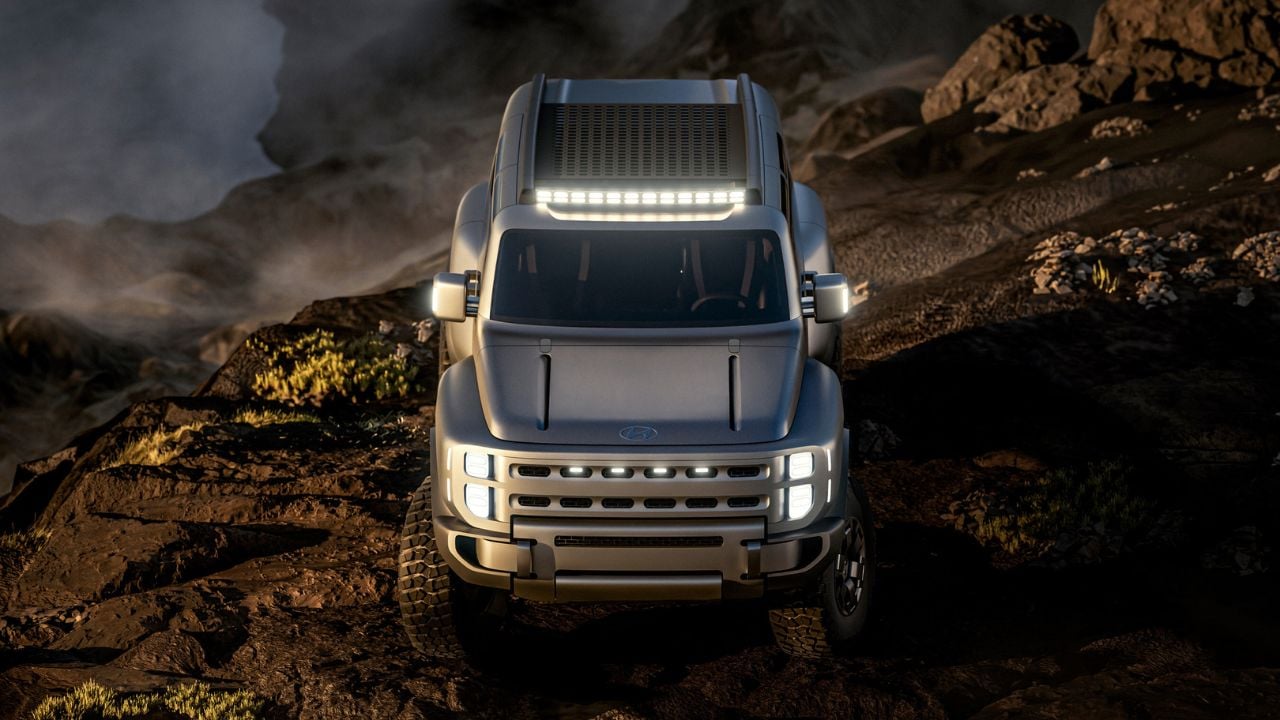
The Hyundai Boulder Concept represents a major shift in Hyundai’s vehicle strategy. Unlike the brand’s traditional crossover-based SUVs, the Boulder rides on a fully boxed, body-on-frame architecture. The same construction is used by traditional pickup trucks, and other off-road vehicles. Hyundai confirmed this platform will underpin a production midsize pickup scheduled to arrive by 2030, marking the automaker’s first entry into the segment.
The Boulder’s rugged proportions, tall ride height, and squared-off styling emphasize durability and trail performance. It also previews the engineering direction of future Hyundai trucks.
The concept’s fully boxed ladder frame is designed to deliver genuine towing and hauling capability. Something Hyundai has not previously offered in a large-scale body-on-frame vehicle. This structural change also opens the door to a broader range of off-road-focused products, suggesting Hyundai intends to expand beyond traditional crossovers into more specialized adventure vehicles.
Hyundai also confirmed that future body-on-frame vehicles based on this platform will be designed, developed, and built in the United States. Using domestically sourced steel, this underscores the company’s long-term commitment to the American market.
Bold Design Introduces “Art of Steel” Philosophy
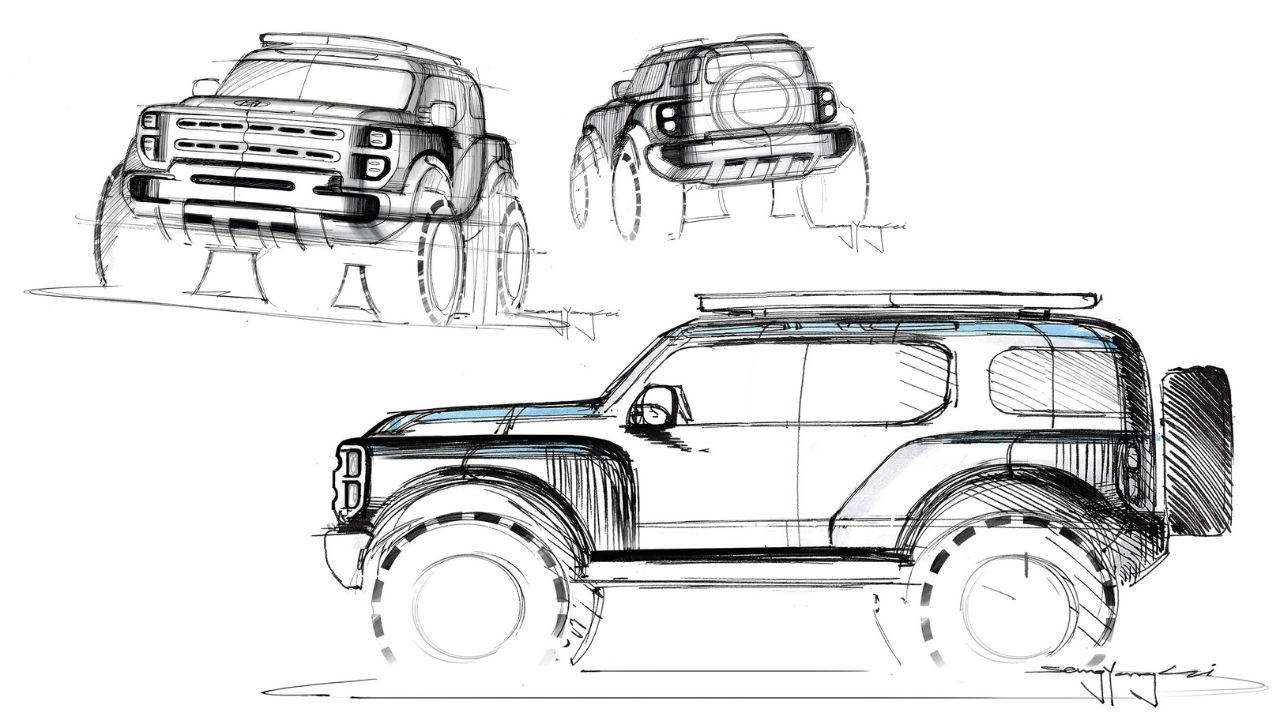
Hyundai’s new “Art of Steel” design language, emphasizes strength, functionality, and sculptural metal surfaces. The SUV’s upright two-box silhouette and vertical stance aim to convey durability while improving driver visibility. This is a key requirement for off-road driving.
The concept features exaggerated wheel arches, a high ground clearance, and large off-road tires. Additional rugged details include skid plates, roof-mounted accessories, and pronounced body cladding, all aimed at positioning the Boulder as a serious off-road contender.
Hyundai also incorporated distinctive elements such as safari-style roof windows, which enhance cabin openness while maintaining structural strength. These windows, along with the upright greenhouse and boxy proportions, give the Boulder a strong visual presence reminiscent of classic off-roaders, while maintaining Hyundai’s modern design identity.
The concept’s liquid-titanium exterior finish further highlights the “Art of Steel” theme, showcasing Hyundai Steel’s material technology. This approach signals Hyundai’s intent to merge engineering strength with expressive design, a combination the company believes will resonate with adventure-focused buyers.
Built for Adventure and Market Expansion
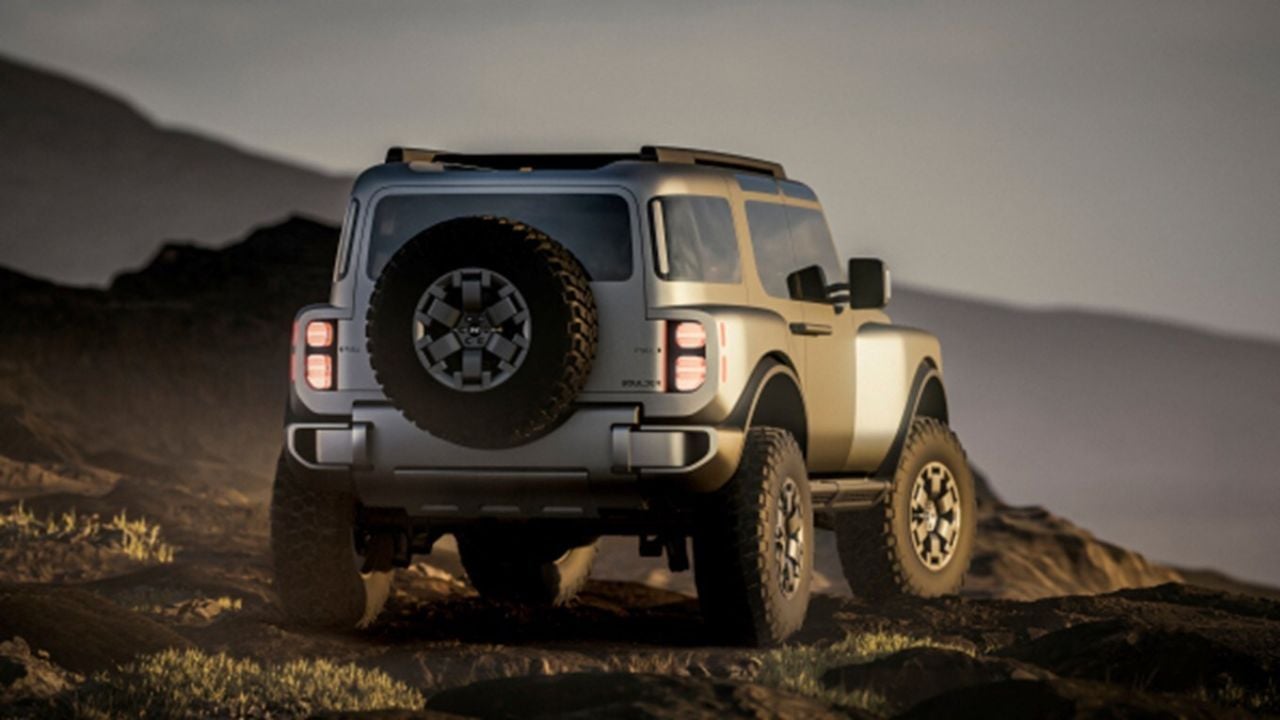
Hyundai positioned the Boulder Concept as a vehicle built around “Freedom of Adventure,” emphasizing capability, durability, and real-world usability. The four-door midsize SUV layout provides practical space while maintaining off-road-friendly proportions.
Beyond capability, the Boulder also signals Hyundai’s broader strategy to expand into new vehicle segments. The company has historically focused on crossovers, sedans, and compact SUVs. Entering the midsize pickup and hardcore off-road market represents a significant expansion aimed at attracting new buyers, and strengthening Hyundai’s presence in North America.
The concept also reflects growing demand for adventure-oriented vehicles, particularly in the U.S., where body-on-frame SUVs and pickup trucks remain among the most popular segments. Hyundai’s decision to develop a dedicated platform for this market suggests long-term commitment rather than a one-off experiment.