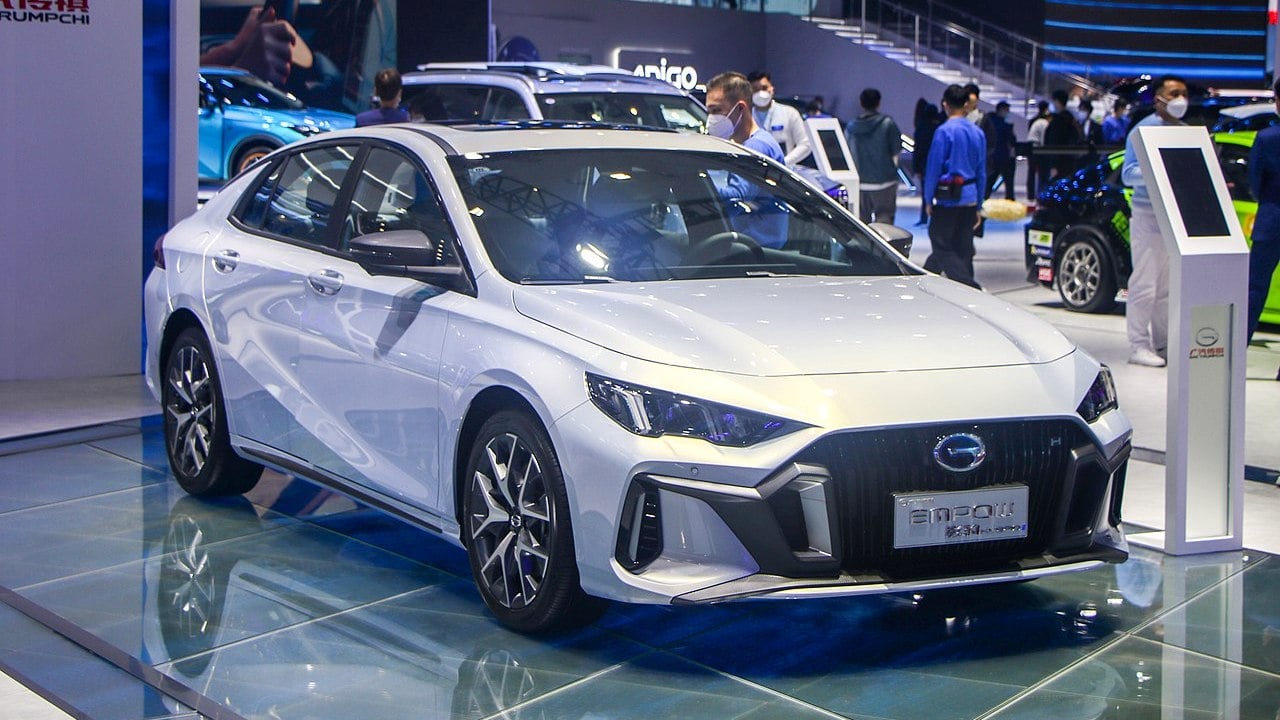
For a while, the North American EV story at least appeared straightforward on paper. The United States erected a tall wall around Chinese cars, Canada followed suit with its own 100% surtax, and everyone pretended the continent had resolved the issue. Then Canada blinked. Ottawa moved to permit up to 49,000 Chinese EVs into its market, and suddenly the border ceased to look like a clear line and began to resemble the kind of policy headache that keeps trade lawyers, automakers, and customs officials very busy.
Washington’s response has not been very subtle. U.S. officials mentioned that those Chinese EVs might go to Canada, but they are not heading south. That detail makes this story more than just another tariff dispute. Once one country in an integrated auto region begins reopening a door that the other insists remains shut, the oddities quickly emerge. Cars, parts, software, batteries, assembly plants, joint ventures, and cross-border supply chains all start clashing in awkward ways.
And because this is the auto industry, there is also a consumer angle lurking beneath the policy jargon. The more loudly the U.S. states these cars cannot enter, the more some buyers begin to wonder what exactly they are being kept from. That curiosity is no longer purely theoretical. Survey data shows American consumers are considerably more receptive to Chinese auto brands than dealers are, especially when value is involved in the discussion. So yes, the blockade is about national security and industrial strategy. It is also becoming a very peculiar form of marketing.
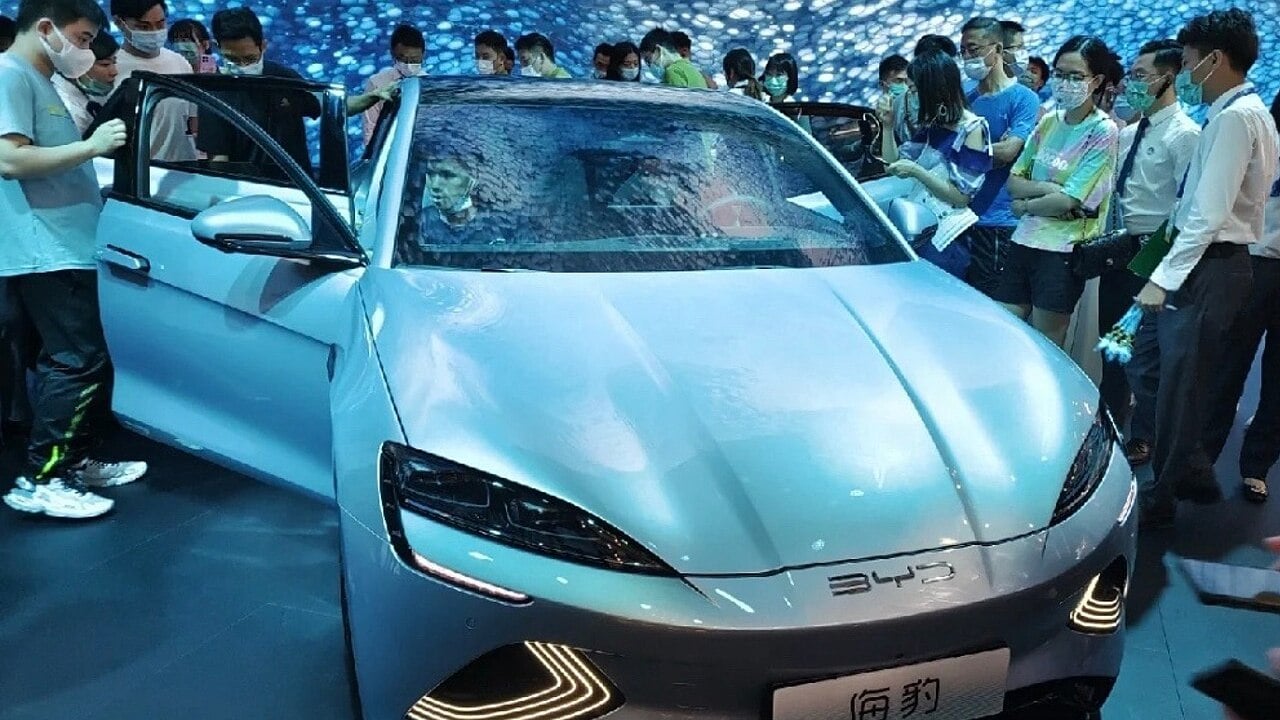
The Border Is No Longer a Loophole
The immediate trigger here is Canada’s decision to permit a limited number of Chinese EVs into its market after having previously imposed a 100% surtax on them in 2024. Reuters reported in January that U.S. officials responded by making it clear that those vehicles would not be allowed into the United States. That matters because it dismantles the easy fantasy some people had of Chinese EVs quietly slipping into America through the Canadian side door. Washington is making it plain that this is not a side door. It is a wall with another wall behind it.
And the legal machinery behind that wall is already in place. The Commerce Department’s Bureau of Industry and Security states its connected-vehicles rule came into effect on 17 March 2025. The rule prohibits the import or sale of certain connected vehicles and related hardware or software with a sufficient link to China or Russia. BIS notes that software restrictions apply starting with model year 2027 vehicles, and hardware restrictions follow for model year 2030 vehicles, or from 1 January 2029, for non-model-year components.
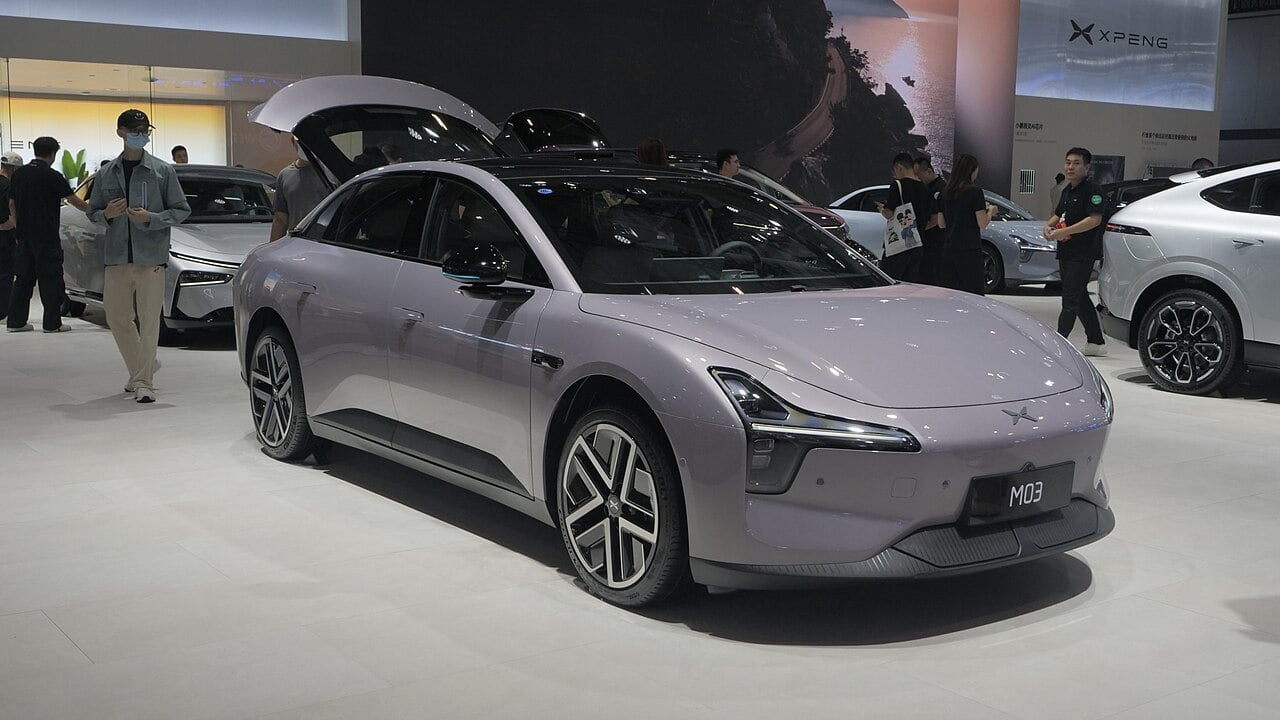
Canada Just Made the Story Messier
This is where the story begins to get genuinely strange. Even as the U.S. is toughening its approach, Reuters reported this week that Stellantis is in early discussions with Chinese EV manufacturer Leapmotor about producing vehicles in Canada at the now-unused Brampton plant in Ontario. Those discussions are still in the early stages, and no official plan has been announced. However, the fact that such talks are taking place highlights how unclear the boundaries of this policy dispute are becoming.
Because once Chinese-branded or Chinese-linked EVs are not just imported into Canada but potentially assembled there, the old arguments about tariffs begin to clash with more complex questions about software, component origins, joint ventures, and what exactly constitutes a Chinese car in an integrated manufacturing region. That is the part nobody has fully clarified yet, and it is why this issue feels less settled than politicians suggest.
Buyers Are Doing the Wrong Kind of Math
This is also where policy conflicts with ordinary shopper frustration. Reuters reported last week that some U.S. consumers are becoming more interested in affordable Chinese EVs, especially as new car prices in America remain painfully high. Cox Automotive found that 49% of consumers rated Chinese auto brands highly for value, while 40% supported Chinese brands entering the U.S. market. Dealers, unsurprisingly, were much more cautious.
That gap matters. It suggests that Washington’s tough stance might be doing two things at once: keeping Chinese EVs out while also making them seem more appealing. The more Americans hear that these cars are cheaper, packed with technology, and available in other markets but not at home, the more it starts to feel like forbidden fruit economics. Not everyone suddenly wants a BYD or a Zeekr, but enough people are asking questions that the issue has shifted from industrial policy to consumer imagination.
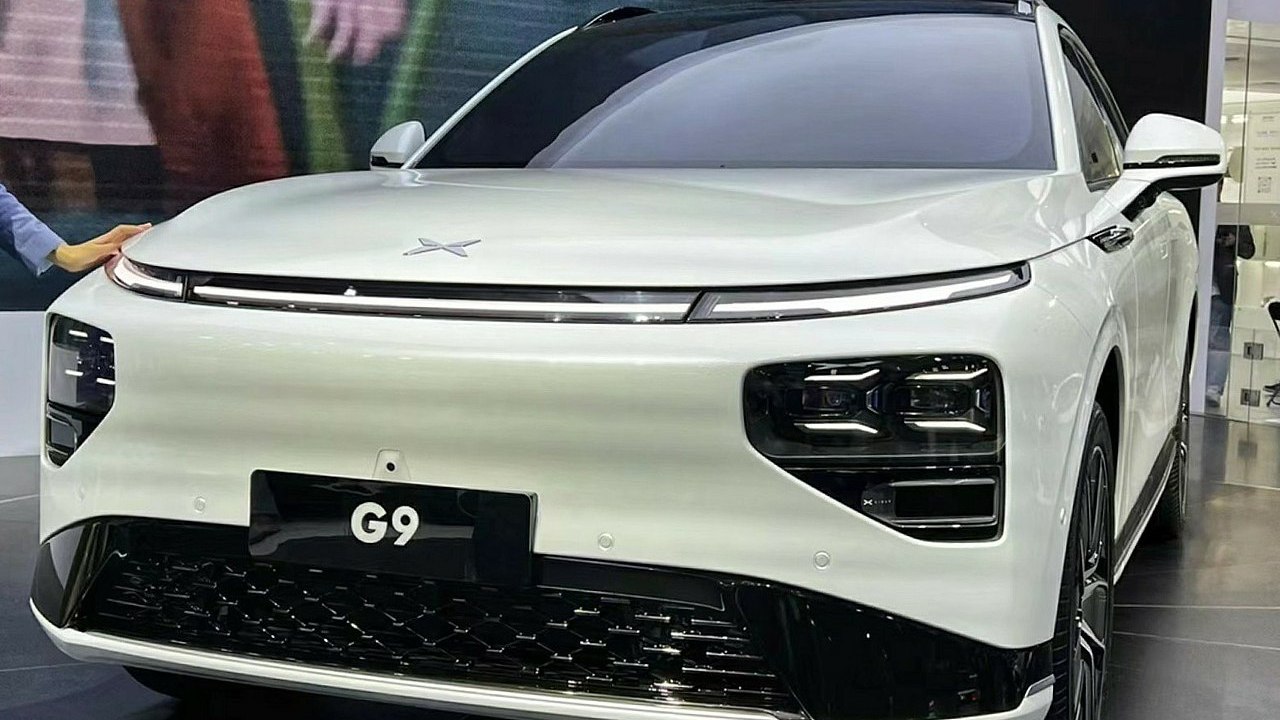
This Could Tighten Even Further
If all of that still seemed temporary, the political atmosphere in Washington suggests otherwise. Reuters reported on March 31 that Senator Bernie Moreno plans to introduce legislation aimed at expanding the current U.S. ban on Chinese autos to include hardware, software, and partnerships more broadly. He also encouraged Canada, Mexico, Europe, and Latin America to adopt the same stance.
That means this is no longer just about whether a few Chinese EVs can cross a border. It is about whether the U.S. wants any meaningful Chinese automotive presence anywhere near its market, even indirectly. And once that becomes the real question, things do indeed get strange fast. Canada may want more flexibility. Consumers may want cheaper EVs. Automakers may seek new partnerships. Washington, at least for now, appears ready to tell all three groups the same thing: not this way.