Some famous attractions look better online than they feel in person. Crowds, heat, long lines, and weak planning can turn a dream stop into a patience test. The places below earn their reputation because the experience stays powerful even when conditions are not perfect. They deliver scenery that feels bigger than a screen, history you can walk through, and natural drama that keeps changing as you watch it.
This list focuses on moments that still work in real life. These are not just attractions with strong photos. They are places that give ordinary travelers a real payoff when they show up prepared, start early, and leave enough room in the day to slow down. Some are best in spring, when water, wildflowers, or softer light add extra drama. Others stay memorable all year because the setting is strong enough to carry the visit even when conditions are less than ideal.
1. Sunrise at the Grand Canyon South Rim
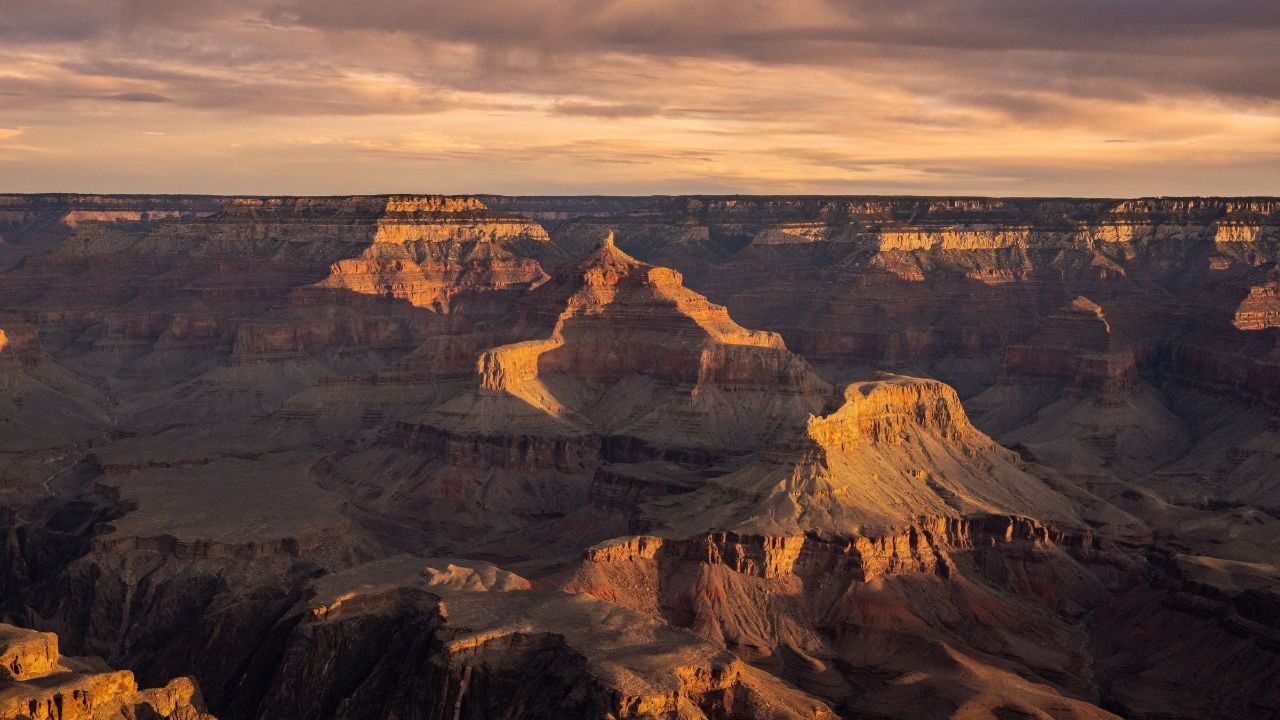
Even people who think they have seen enough views usually go quiet here. As the light moves across the canyon, shadows slide across the rock and the colors keep changing by the minute. The scale can feel hard to process at first, which is part of why sunrise works so well. You are not just looking at one grand scene. You are watching the whole landscape wake up in stages.
Arrive before dawn and bring a warm layer, because rim mornings can feel surprisingly cold even outside winter. The park also warns that South Rim entrance lines can build later in the day, which is another good reason to start early. Pick one viewpoint, then walk a short stretch of the rim instead of trying to drive to every overlook. The slower approach makes the canyon feel less like a checklist and more like a real experience.
2. A Yosemite Valley Day With at Least One Waterfall Stop
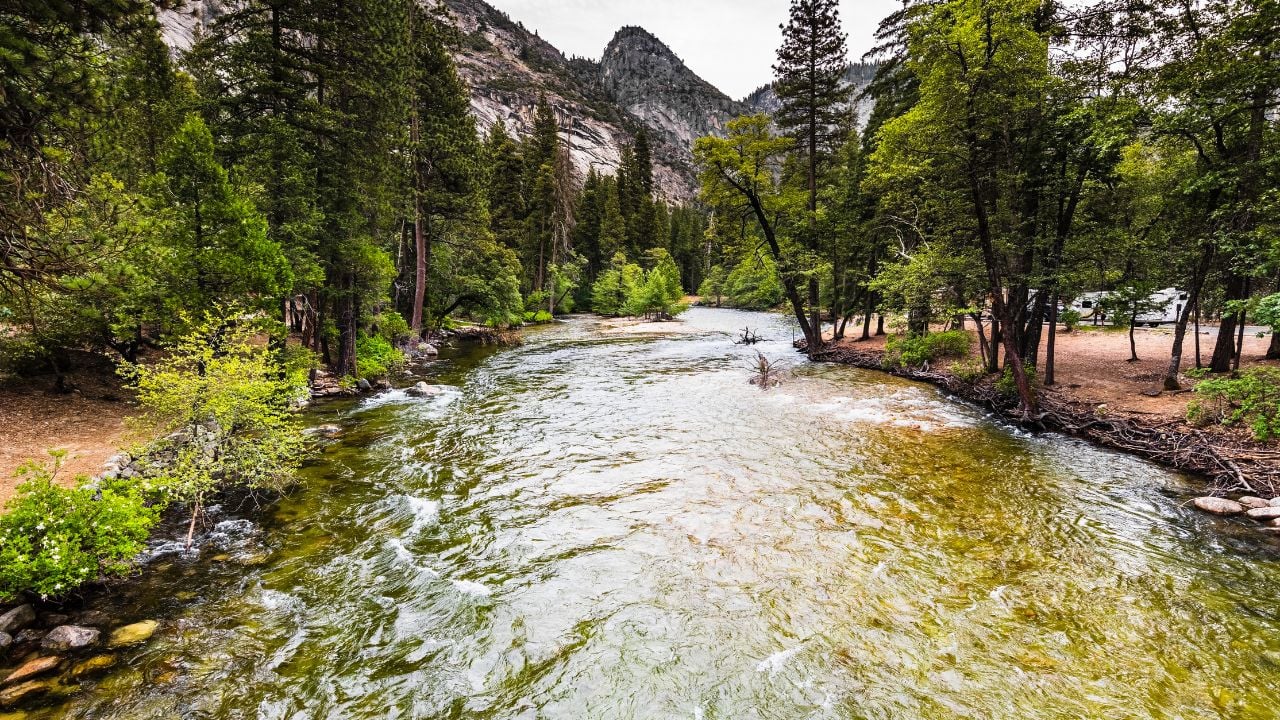
Yosemite Valley has a way of making first-time visitors laugh out loud. Granite walls rise like something invented for a myth, and in the right season the waterfalls turn sunlight into mist. Even a short visit can feel monumental if you choose one walk, one waterfall stop, and one viewpoint instead of trying to conquer the whole valley in a rush.
Go early to avoid parking stress and wasted time. The park notes that millions of people visit from spring through fall, so timing matters. Bridalveil Fall and Yosemite Falls are classic choices when water flow is strong, and even the easier pullouts can feel enormous in person. Pack snacks, leave room for slow stops, and resist the urge to race from sight to sight. Yosemite usually rewards restraint better than over-scheduling.
3. The Road to the Florida Keys, Ending at Key West
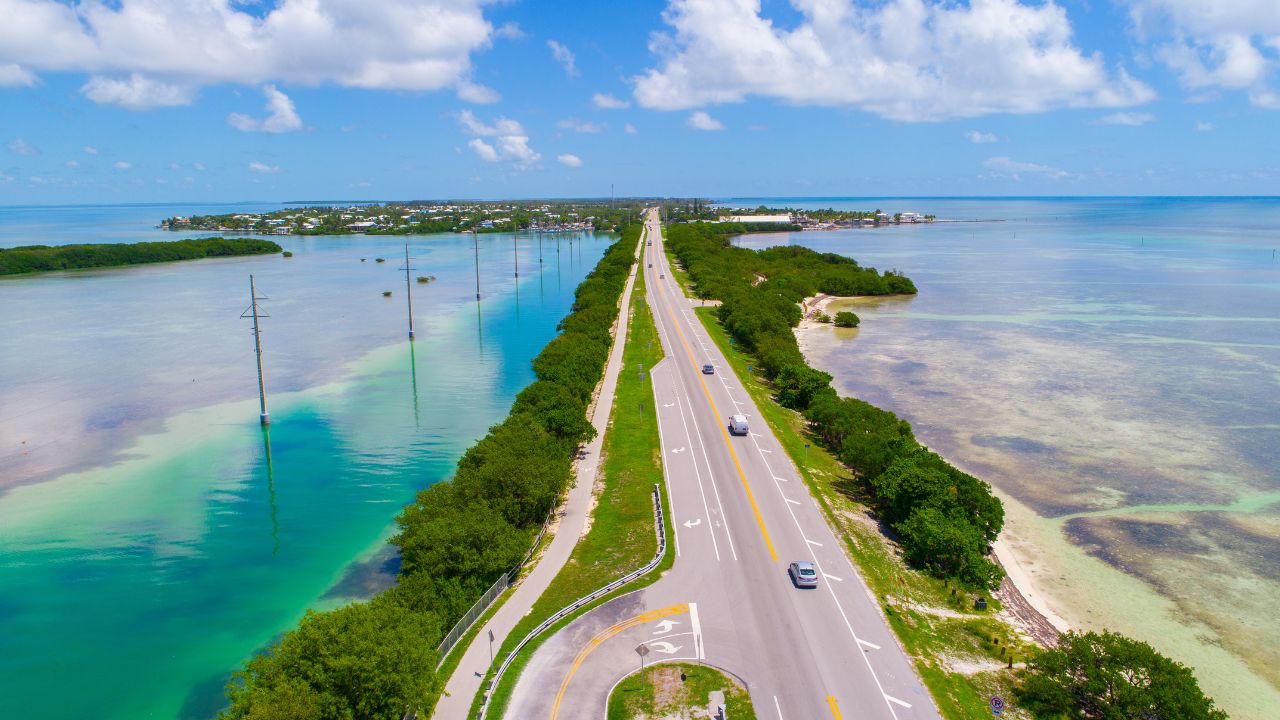
Driving from mainland Florida into the Keys feels like stepping onto a thin ribbon over the sea. The Overseas Highway is part of the attraction itself, with bridge after bridge, open water in every direction, and the kind of horizon that makes the mainland feel very far away very quickly. This is one of those trips where the drive is not filler. It is the emotional center of the day.
Start early so you can stop without turning the whole route into a clock-watching exercise. Pull off at a couple of beaches, parks, or overlooks, then let Key West handle the evening with its looser energy and waterfront light. It is tempting to rush straight to the southernmost photo-op, but the better version of this trip is slower. The water, the bridges, and the changing mood do most of the work for you.
4. Watching Old Faithful, Then Exploring Yellowstone’s Thermal Boardwalks
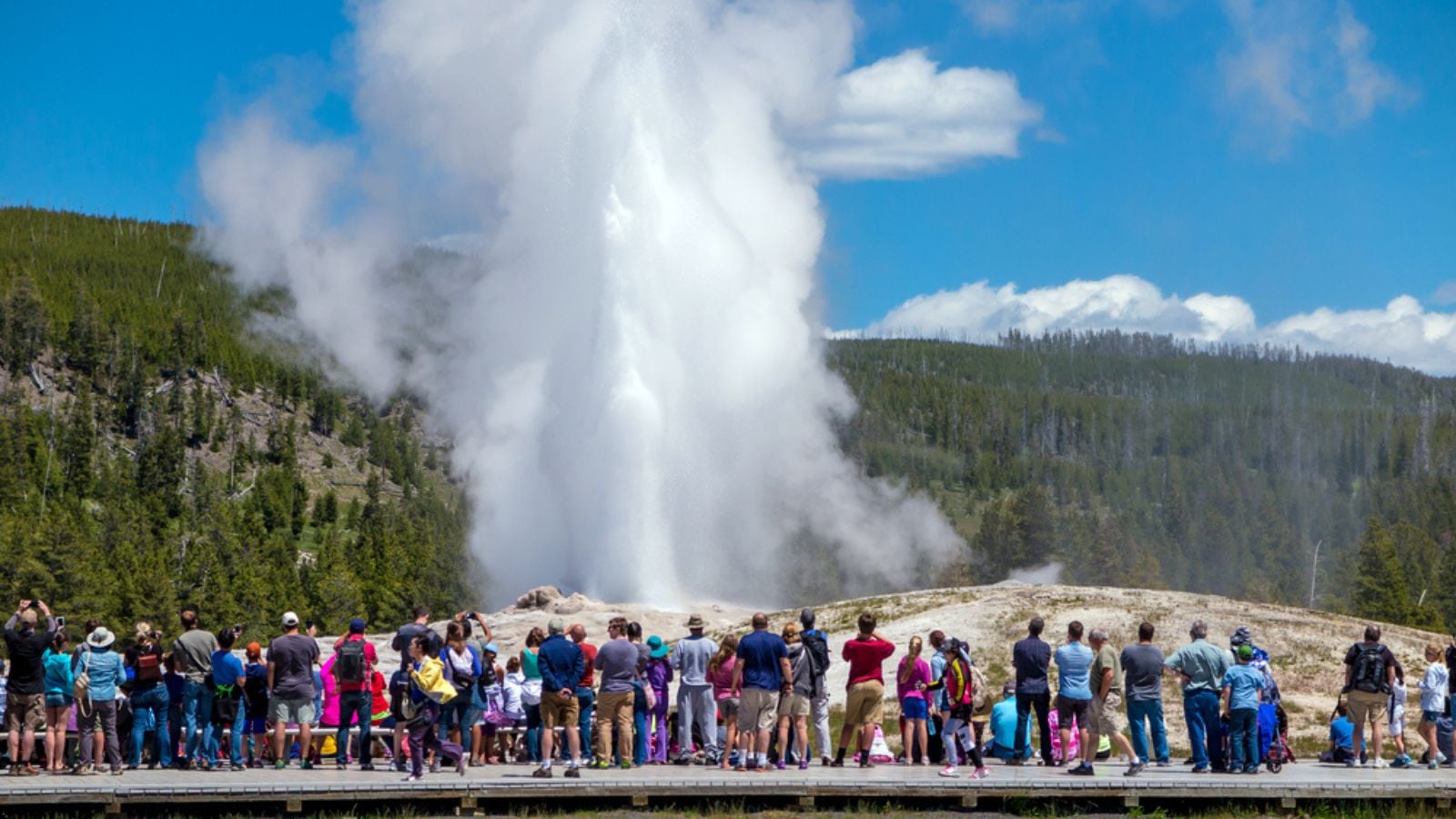
Yellowstone’s geothermal features feel like the planet is showing you its engine room. Old Faithful still works because the eruption creates one of those rare shared moments where strangers stop acting cool and just watch. After that, the real magic is walking the boardwalks through the steaming basins, where every pool, vent, and color shift makes the landscape feel almost experimental.
Stay on the marked paths, because the ground is fragile and genuinely dangerous. Yellowstone does not require vehicle reservations, but that does not mean the day will run smoothly without planning. Bring layers, water, and patience for traffic and wildlife delays. Even half a day around Old Faithful and the Upper Geyser Basin can feel like stepping onto another planet.
5. A Big-City Food Crawl in New Orleans
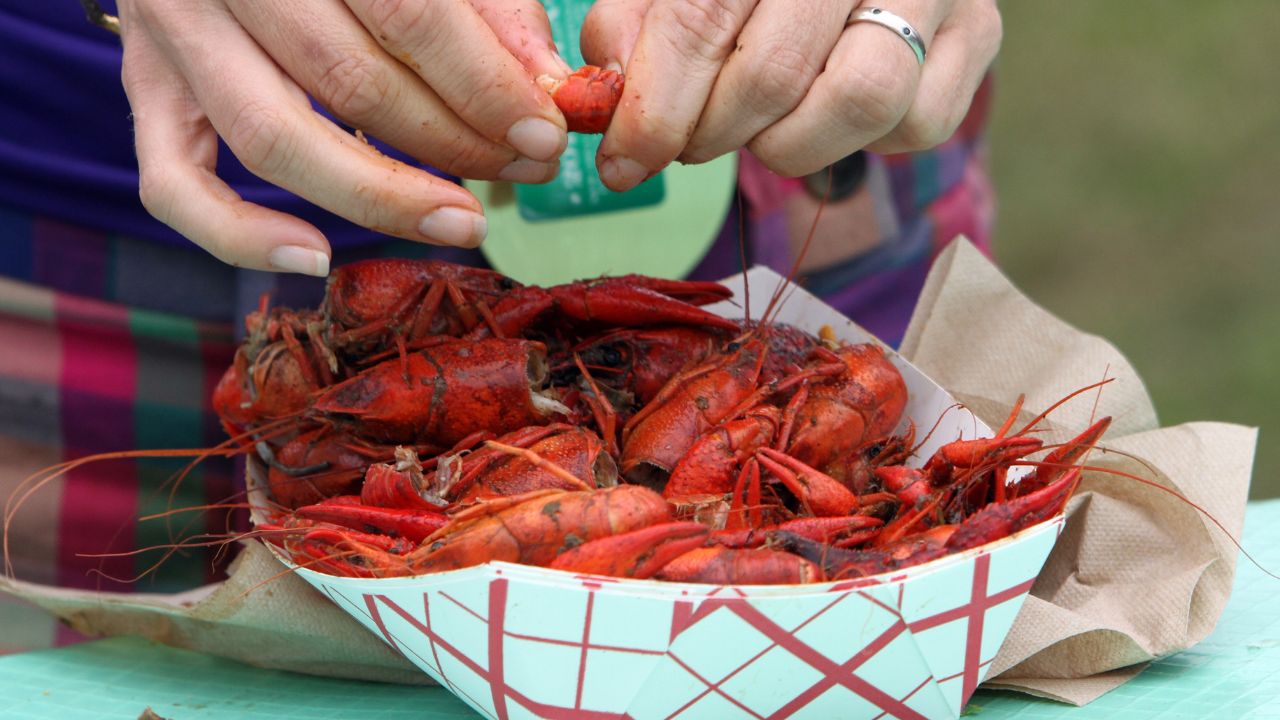
The French Quarter can be busy, but the city’s flavor is deep enough to handle the crowds. A proper day of eating in New Orleans feels like a cultural experience, not just a meal plan. Gumbo, po’boys, crawfish, muffulettas, and beignets are not random tourist staples here. They are part of a city that still feels deeply itself.
Mix a few classic spots with smaller neighborhood stops so the day has range. New Orleans & Company’s French Quarter dining guide is a useful place to start, but the smartest move is to build in walking time between meals and let the city slow you down a little. Music finds you without much effort here, and that changes the whole texture of the day. It stops being a food checklist and starts feeling like you are inside a living scene.
6. Seeing the Statue of Liberty and Ellis Island in One Visit
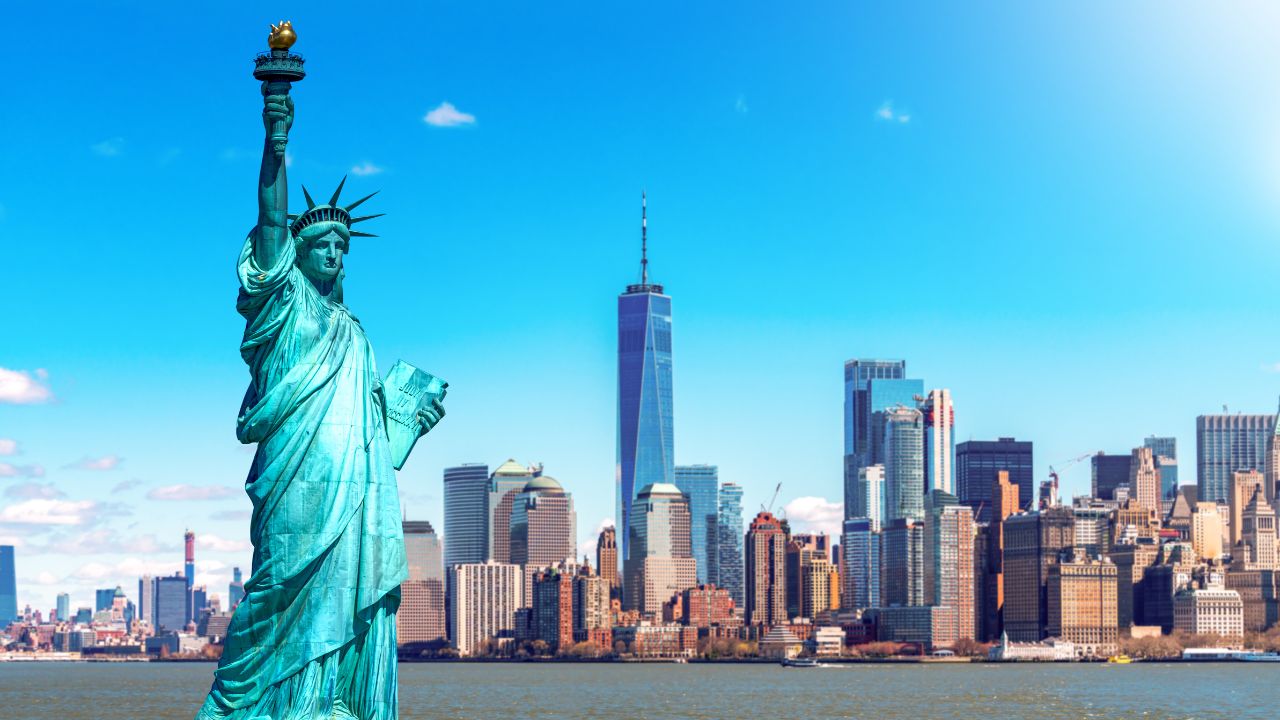
This is a rare tourist day that stays meaningful even when you expect it to feel cheesy. The view from the water still delivers a real sense of arrival, and Ellis Island adds human weight that keeps the whole outing from feeling like a simple photo stop. The Registry Room in particular tends to hit harder than people expect once they slow down enough to take it in.
Buy tickets through the official ferry operator and plan for security screening before boarding. The National Park Service says all visitors heading to Liberty and Ellis Islands pass through airport-style screening, so leaving extra time matters. Start with Liberty Island if you want the iconic views, then give Ellis Island the longer visit. That balance usually produces the better day.
7. Driving Going-To-The-Sun Road in Glacier National Park

This is one of the most dramatic roads in America, and it keeps getting better as you climb. Waterfalls, sharp peaks, hanging valleys, and bright alpine views appear around nearly every turn. Going-to-the-Sun Road is the kind of route that makes even short pullouts feel like major scenic events.
Planning still matters, even in a year with simpler access. Glacier says vehicle reservations are not required in 2026, but congestion can still shape the day. Start early, drive slowly, and stop less often but more intentionally. A short hike or overlook walk afterward usually makes the experience feel complete instead of rushed.
8. A Red Rock Sunrise in Sedona
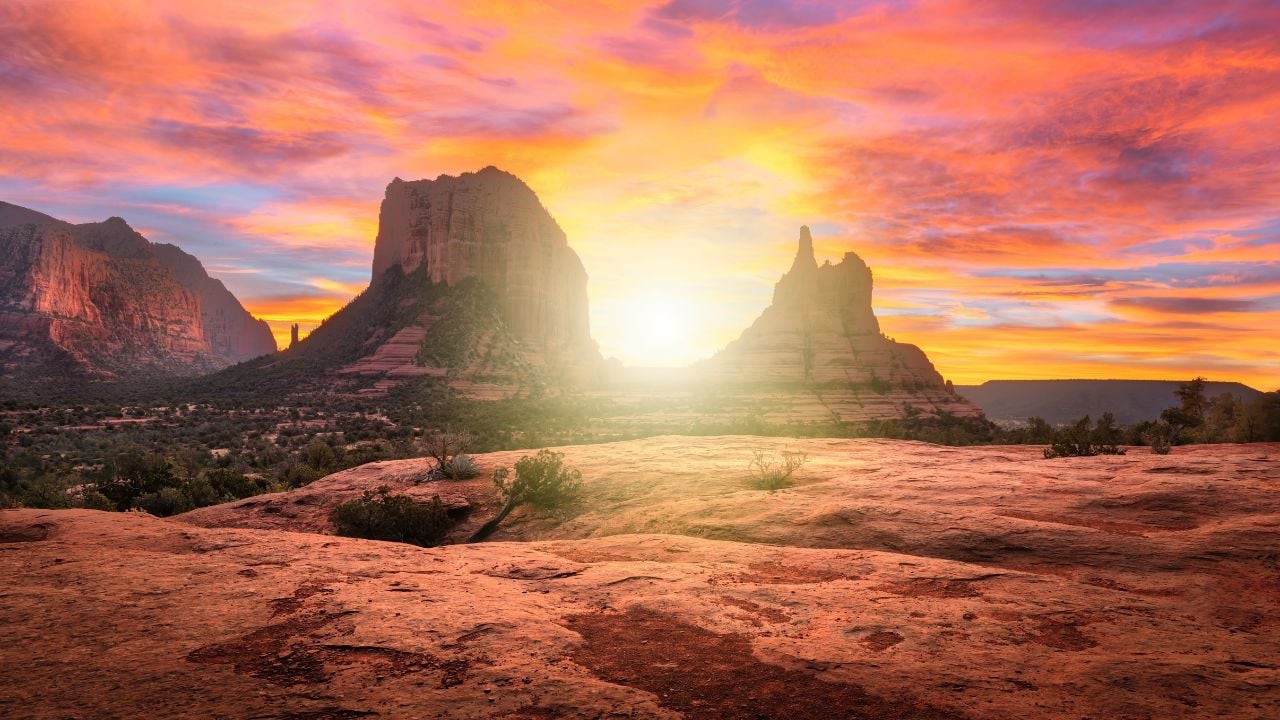
Sedona’s red rocks glow in a way that can seem almost exaggerated until you actually see them in early light. Visit Sedona leans into that sunrise-and-sunset drama for good reason. The cliffs really do turn warm and coppery, and the calm of an early start makes the town feel very different from its busier midday version.
Choose a trail that matches your energy level instead of picking only by Instagram fame. Cathedral Rock is spectacular, but the Forest Service describes it as steep, exposed, and more of a rock climb than a casual hike. Even on shorter outings, carry water and respect the heat. Sedona rewards early starts partly because the views are better and partly because the conditions are kinder.
9. Walking the National Mall From Lincoln to the Capitol

The National Mall is a powerful walk because it stacks symbols, memorials, and museums into one long civic spine. You move from monument to monument and the story keeps shifting as you go. The National Park Service notes that the Mall is open 24 hours a day, and the early morning hours really are one of the best times to feel the place before the midday crowds and school groups thicken the space.
Keep the museum plan realistic. Two is usually plenty if you also want to enjoy the memorial walk itself. The park service also warns that parking can be difficult, which is another reason to start early and stay flexible. Comfortable shoes are non-negotiable here. The day grows larger than people expect, and that is part of the appeal.
10. A Real Alaska Moment: Glaciers or Wildlife on the Water
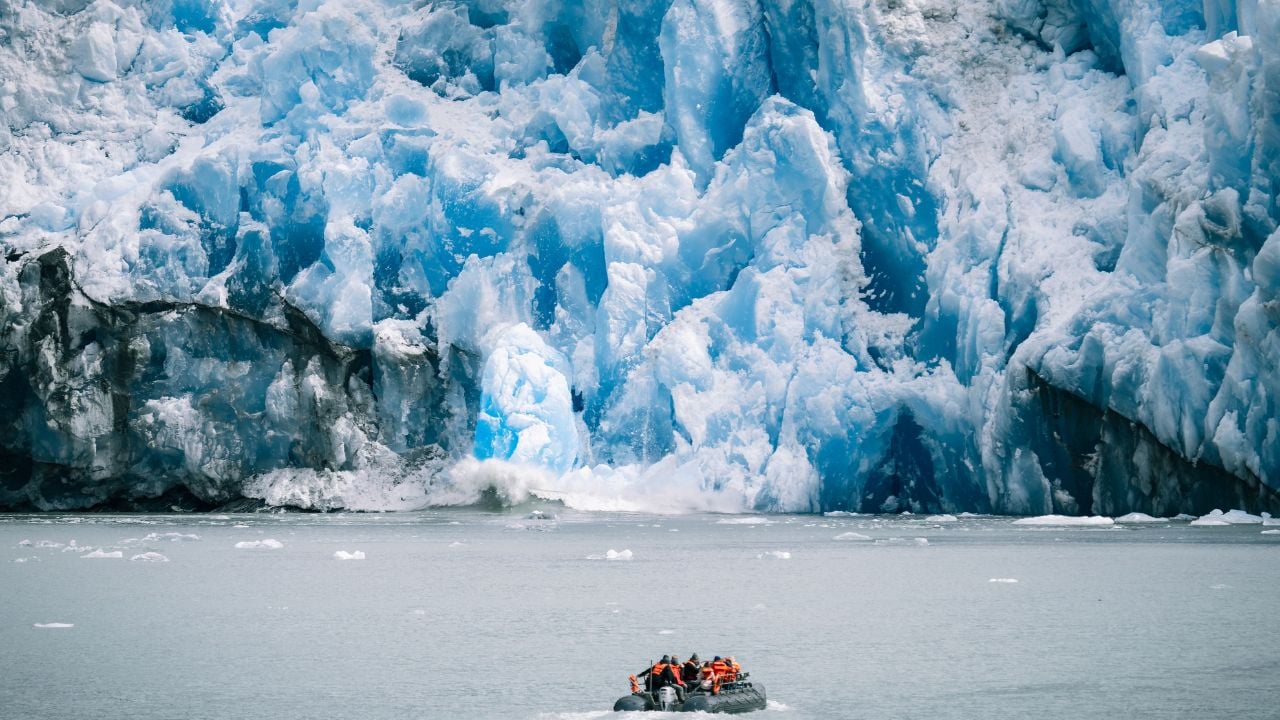
Alaska delivers scale and silence in a way the lower 48 rarely can. Official Alaska travel guidance recommends glacier and wildlife cruises for exactly this reason: they combine fjords, marine life, and tidewater ice in one outing that can feel almost unreal. Hearing ice crack or seeing a whale surface beside dark water does not really translate through a phone screen.
Choose an operation with a strong safety record and dress more warmly than you think you need. Travel Alaska also stresses safe and respectful wildlife viewing, which matters in a place where the scenery is not staged and the animals are not there for your convenience. The best moments often happen suddenly, so it helps to stay ready without spending the whole excursion hiding behind a camera.
11. A Coastal Drive Through Big Sur With Time To Stop
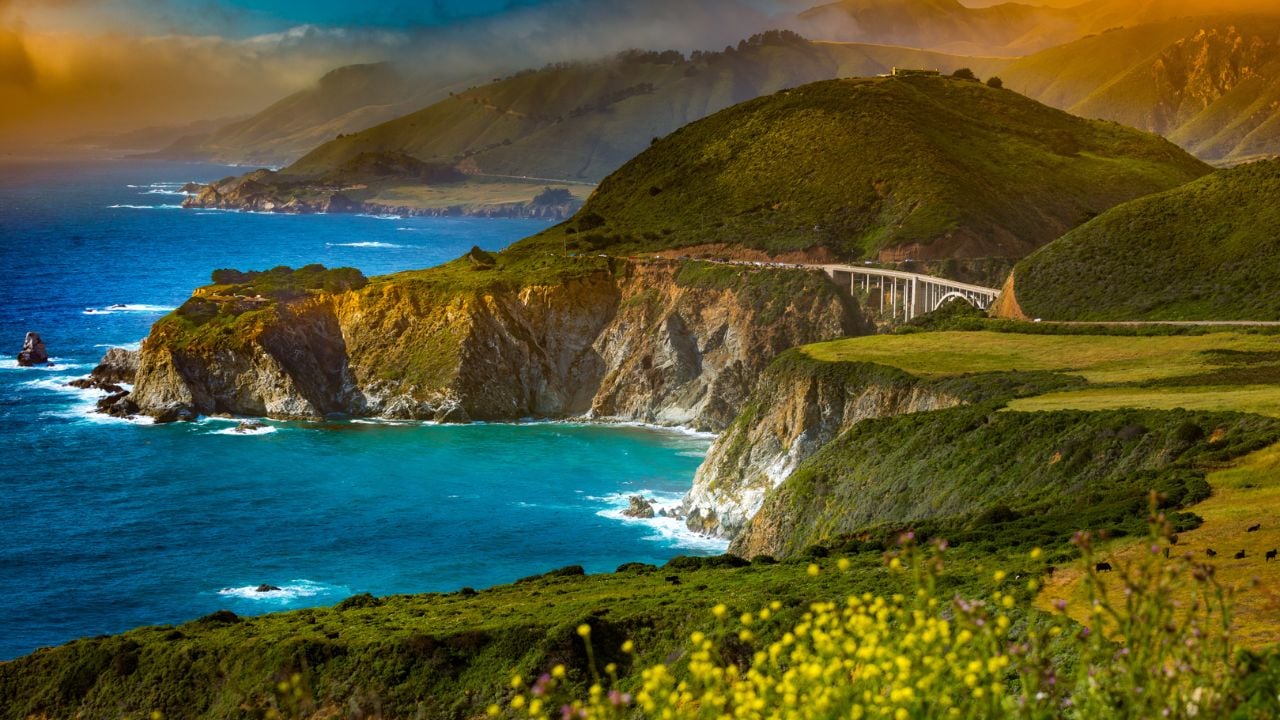
This is one of America’s most famous scenic drives for a reason. Cliffs drop into the Pacific, fog moves in like theater smoke, and even the pullouts can feel cinematic. Visit California notes that Highway 1 through Big Sur is fully open again, which puts one of the country’s most iconic drives back in easy conversation for road-trip planning.
Even so, checking conditions still matters. Caltrans keeps the current Highway 1 road information here, and it is worth looking before you go. Start early, stop fewer times than you first imagine, and choose your overlooks and short walks on purpose. Big Sur is one of those places where less rushing almost always makes the day feel bigger.
12. A Hawaiʻi Beach Day With a Cultural Layer
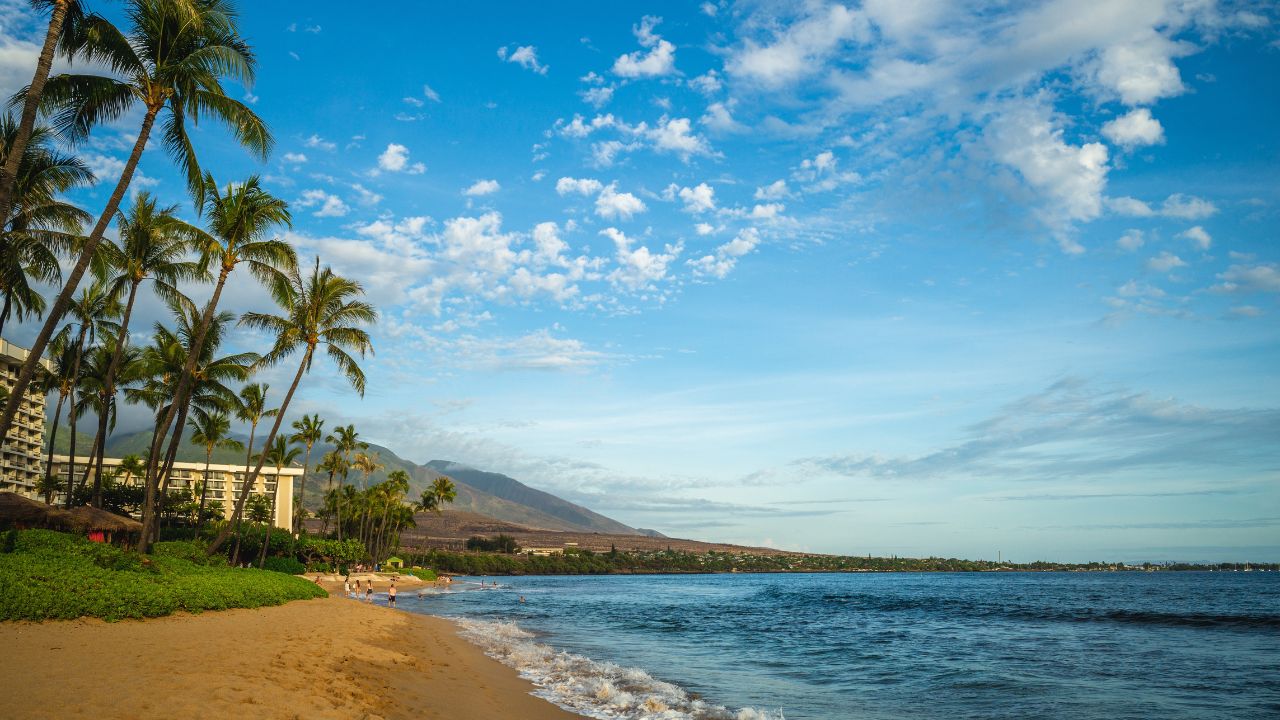
Hawaiʻi’s natural beauty is obvious, but the trip usually becomes deeper when you add culture and history instead of treating the islands as a backdrop for beach photos. The official Hawaiʻi tourism site highlights heritage sites, sacred places, and historic stops across the islands, and that context can change how the beaches, towns, and landscapes feel once you understand a little more about where you are.
Plan one day that is not only about sunbathing. Pair a beach morning with a museum, heritage site, or cultural stop, then bring that fuller perspective back to the shoreline. GoHawaii also emphasizes ocean safety and listening to lifeguards and posted warnings, while Mālama Hawaiʻi frames thoughtful travel as part of caring for the islands rather than simply consuming them. That approach almost always leaves the stronger memory.