
Volkswagen has moved to calm speculation following reports that it plans to abandon car production in favor of defense manufacturing at one of its German facilities.
The story, which has generated widespread attention, centers on the company’s Osnabrück plant and reflects broader shifts within both the automotive and European industrial landscape.
At the heart of the matter is not a wholesale transformation of Volkswagen into a defense company, but rather a targeted effort to secure the future of a single factory facing an uncertain outlook.
The Osnabrück plant currently produces the T-Roc Cabriolet, a niche model whose production is expected to end later this decade. With no clear successor vehicle assigned to the site, Volkswagen has been exploring alternative uses to preserve jobs and maintain industrial activity.
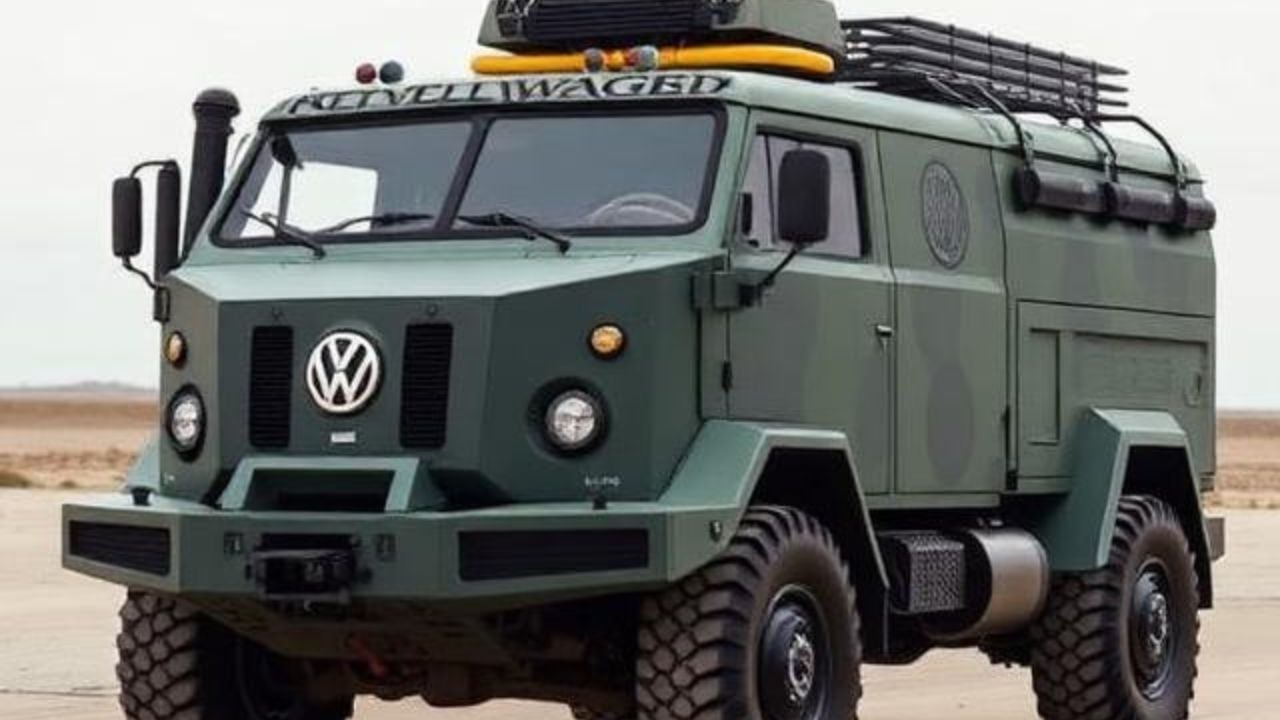
One option under consideration involves collaboration with a defense partner to manufacture non-lethal components used in military systems. Reports indicate that discussions have taken place with an international defense firm regarding the potential production of support equipment for air defense platforms.
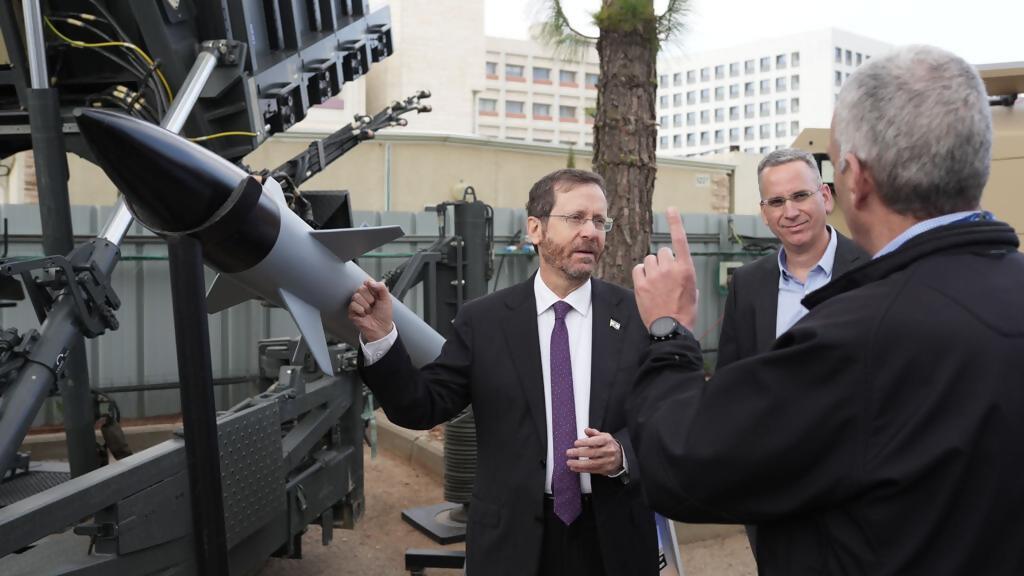
The defense firm is Rafael Advanced Defence Systems, the Israeli company behind the Iron Dome. This would not involve the manufacture of weapons themselves, but rather auxiliary systems such as transport units or launch infrastructure.
Pragmatic Response to Shifting Market Conditions
Volkswagen has been careful to emphasize this distinction. The company has reiterated that it does not intend to produce weapons and remains committed to its identity as an automotive manufacturer.
The exploration of defense-related production is framed as a pragmatic response to changing market conditions rather than a strategic pivot away from cars.
Those market conditions are difficult to ignore. The European automotive industry is undergoing one of the most significant transformations in its history, driven by the transition to electric vehicles, tightening emissions regulations, and intensifying global competition.
Traditional production networks are being reshaped, and not all facilities are guaranteed a role in the new landscape. Plants that once thrived on internal combustion engine models are now at risk if they cannot be adapted for future technologies.
At the same time, Europe is experiencing a surge in defense spending. Governments across the continent have committed to strengthening military capabilities in response to evolving geopolitical tensions.
This has created new industrial opportunities, particularly for manufacturers with advanced engineering expertise and established production infrastructure. For companies like Volkswagen, this presents a potential lifeline for facilities that might otherwise face outright closure.
A Broader Trend in Industrial Flexibility
The situation in Osnabrück highlights a broader trend in which industrial flexibility is becoming increasingly valuable. Rather than shutting down underutilized plants, companies are exploring ways to repurpose them in line with emerging demand.
In this context, the possible involvement of the defense sector is less about a change in corporate identity and more about ensuring continuity in a shifting economic environment.
The Osnabrück plant employs thousands of workers whose future depends on securing new production assignments. Transitioning to defense-related manufacturing, even in a limited capacity, could help safeguard these jobs while preserving technical expertise within the region.
From an industry perspective, the development underscores how interconnected global trends are reshaping traditional boundaries. Automotive companies are no longer operating in isolation from other sectors. Instead, they are navigating a complex ecosystem where mobility, technology, and security increasingly overlap.
Staying Rooted While Adapting to Change
Rafael Advanced Defence Systems has not issued any public statements confirming or detailing the talks with Volkswagen. That said, the narrative that Volkswagen is switching from cars to defense oversimplifies a much more nuanced reality.
The company remains firmly rooted in the automotive sector, but it is also adapting to a world where flexibility and resilience are essential. The Osnabrück case serves as a reminder that survival in today’s industrial landscape often depends on the ability to evolve without losing sight of core identity.
Sources: DW