This headline needs one honesty note before the passport comes out. Clean countrywide figures for tourist-targeted wallet theft are patchy, so the clearest evidence often comes from a mix of police reporting, government security advisories, and attraction-based studies rather than one tidy global database. Even so, the pattern is easy to spot: when visitor numbers rebound quickly and landmark zones fill up again, distraction theft tends to follow.
That is why the countries below made the cut. In some cases, the warning is backed by hard local increases, such as Rome’s 2024 surge in reported pickpocketing and Porto’s 30.6% jump in pickpocketing complaints. In others, the case rests on repeated official advisories and attraction-based rankings that keep pointing travelers toward the same crowded trouble zones.
1. Italy

Italy has one of the strongest cases on this list. Agenzia Nova reported that pickpocketing in Rome reached 33,455 episodes in 2024, while the U.S. State Department says most reported thefts in Italy happen at crowded tourist sites and on public transportation. That is exactly the combination travelers should pay attention to: heavy foot traffic, predictable distraction points, and official warnings that have not softened.
Quotezone’s European Pickpocketing Index still puts Italy first, at 478 mentions per million British visitors across the top attractions it tracked. Rome’s Trevi Fountain, Colosseum, and Pantheon keep surfacing because they create the perfect setup for thieves: people stop, stare, photograph, and briefly forget where their wallet or phone is. Italy is still one of Europe’s essential trips, but it is also one of the clearest examples of how postcard density can become ideal working conditions for pickpockets.
2. Portugal

Portugal’s case is less about sensational national panic and more about a stubborn petty-theft pattern in places visitors use most. Canada’s current travel advisory says pickpocketing and bag snatching are common in major cities like Lisbon and Porto, especially on public transport, in stations, restaurants, beaches, and tourist areas. In Lisbon, it specifically says travelers should be extra cautious on trams 15, 25, and 28.
The 2024 local data adds more bite to that warning. District-level reporting based on Portugal’s Annual Internal Security Report said Porto recorded a 30.6% rise in pickpocketing complaints, even as general crime in Portugal fell 4.6% in 2024. Quotezone also ranked Portugal sixth in Europe, with Lisbon’s Alfama area identified as the country’s worst hotspot in that study. That does not make Portugal unsafe overall, but it does show how a low-violence destination can still be an easy place to lose a wallet if you switch off in the wrong crowd.
3. United Kingdom

The United Kingdom earns its place here mainly because London does most of the damage to the country’s reputation on this issue. The Evening Standard reported in October 2024 that theft-from-the-person offenses in London, including pickpocketing and phone snatching, were up 38% over the previous year. That is not a vague travel cliché. It is a sharp increase in exactly the category tourists tend to notice first.
Separate analysis of Office for National Statistics data found the country’s top 10 pickpocket hotspots were all in London, with Westminster standing out most sharply. That matters because central London is built around the sort of spaces these crews prefer: packed pavements, stop-start movement, tourists looking up at landmarks, and constant distraction around stations, shopping corridors, and street performers. The British problem is not dramatic violence. It is opportunists thriving where the crowd never really stops moving.
4. France

France belongs here because Paris remains one of Europe’s most persistent tourist-theft magnets. Quotezone ranked France second in Europe at 251 pickpocketing mentions per million British visitors, with all five attractions it monitored located in Paris and the Eiffel Tower standing out as the worst hotspot in that dataset. That is a strong sign that the problem is not scattered randomly across the country. It is concentrated where global foot traffic is thickest.
The official warning language lines up with that picture. The U.S. State Department says pickpocketing and phone thefts are common in France, especially in crowded places such as tourist attractions, subways, train cars, and stations. Pair that with Paris landmarks like the Eiffel Tower, the Louvre, the Arc de Triomphe, and other top-traffic zones dominating attraction-based theft rankings, and France remains an easy inclusion on any serious list about countries where distracted sightseeing can get expensive fast.
5. Spain

Spain’s case is less tidy than Italy’s but still strong enough to belong here. Quotezone ranked Spain third on its European index, with Las Ramblas identified as the worst of the five Spanish tourist hotspots it tracked. That should surprise no one who has spent time in Barcelona’s most famous corridor. It is crowded, stop-start, and full of the kind of visual distraction that helps thieves disappear into the flow.
Official travel advice supports the broader caution. Canada’s advisory for Spain says petty crime, including pickpocketing and bag snatching, is common in larger cities such as Madrid and Barcelona and that thieves often target tourists. Spain is a reminder that a country can remain broadly safe while still carrying very predictable petty-theft risks in the places visitors are most likely to cluster, especially around Barcelona’s headline sights and transport-heavy streets.
6. Netherlands
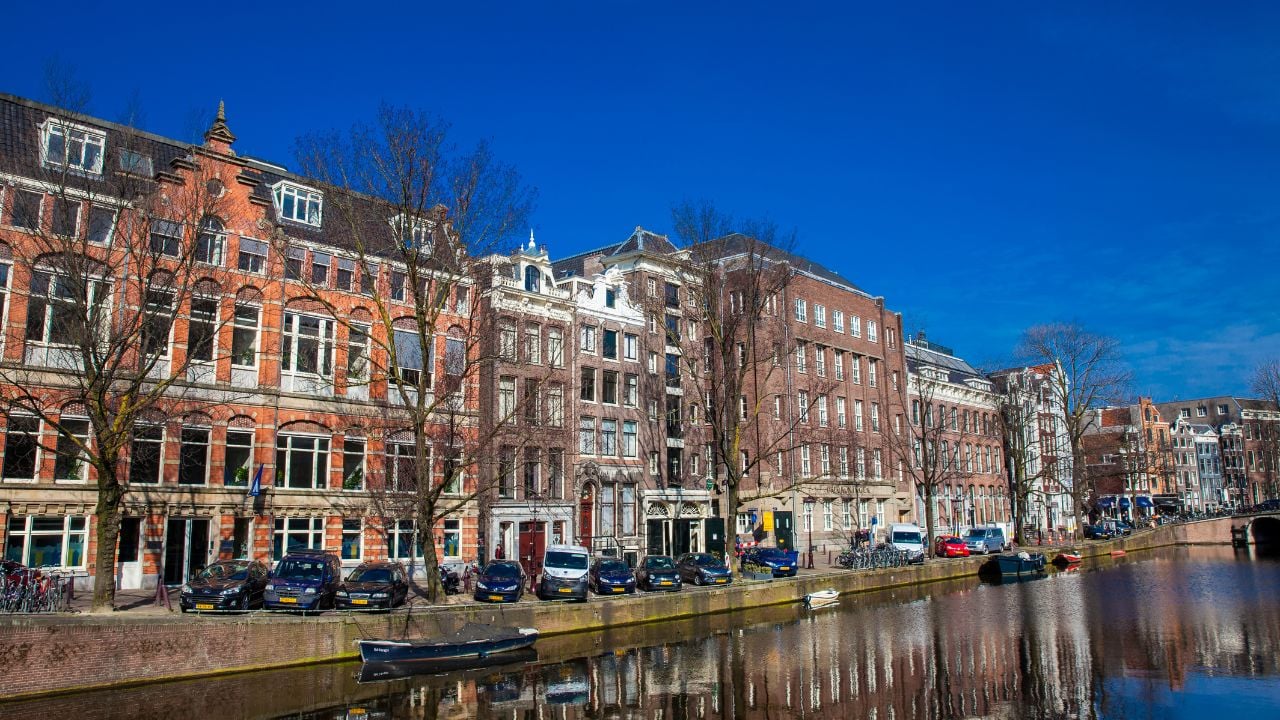
The Netherlands rounds out the list because Amsterdam remains one of Europe’s most theft-prone visitor environments even though the country’s violent-crime image is comparatively mild. Quotezone ranked the Netherlands fifth in Europe, with Amsterdam’s Red Light District listed as the country’s worst hotspot and the national rate at 100 mentions per million British visitors in its dataset.
The official security language is consistent with that. OSAC’s 2026 Netherlands report says visitors in major Dutch cities are vulnerable to theft because of their unfamiliarity with local tactics and adds that pickpocketing and phone theft are the most likely risks on public transport. Amsterdam is still a superb city break, but its central attractions, nightlife strips, tram routes, and station zones create exactly the kind of busy, distracted environment that fast-handed theft crews like most.
The safest takeaway is not to panic. It is to stop assuming that beautiful, walkable, heavily visited destinations are automatically low-friction when it comes to petty theft. Across the countries above, the common thread is simple: crowded landmarks, distracted visitors, and criminals who know exactly how long it takes someone to look up at a skyline and forget where their wallet is.