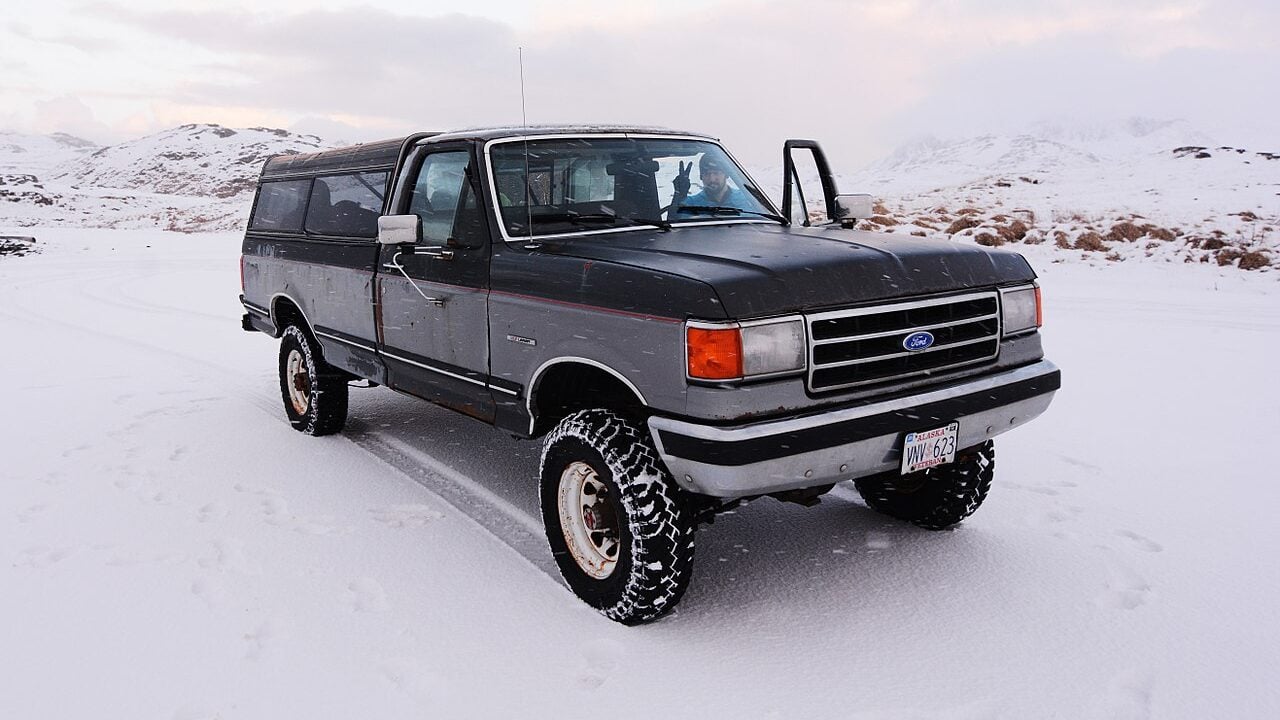

A growing legislative push in the United States is exposing a fundamental tension between environmental regulation and real-world reliability in the trucking industry.
At the center of the debate is diesel exhaust fluid, commonly known as DEF, a critical component in modern emissions control systems that is now being blamed for dangerous failures in extreme cold.
DEF plays a key role in reducing nitrogen oxide emissions through selective catalytic reduction systems. It is one of the technologies that has helped modern diesel engines become significantly cleaner than their predecessors.
However, the chemistry that makes DEF effective also creates a serious limitation. The fluid begins to freeze at approximately 12 degrees Fahrenheit, a threshold that is routinely crossed in northern regions such as Alaska and parts of the Midwest.
When Trucks Shut Down in Subzero Cold
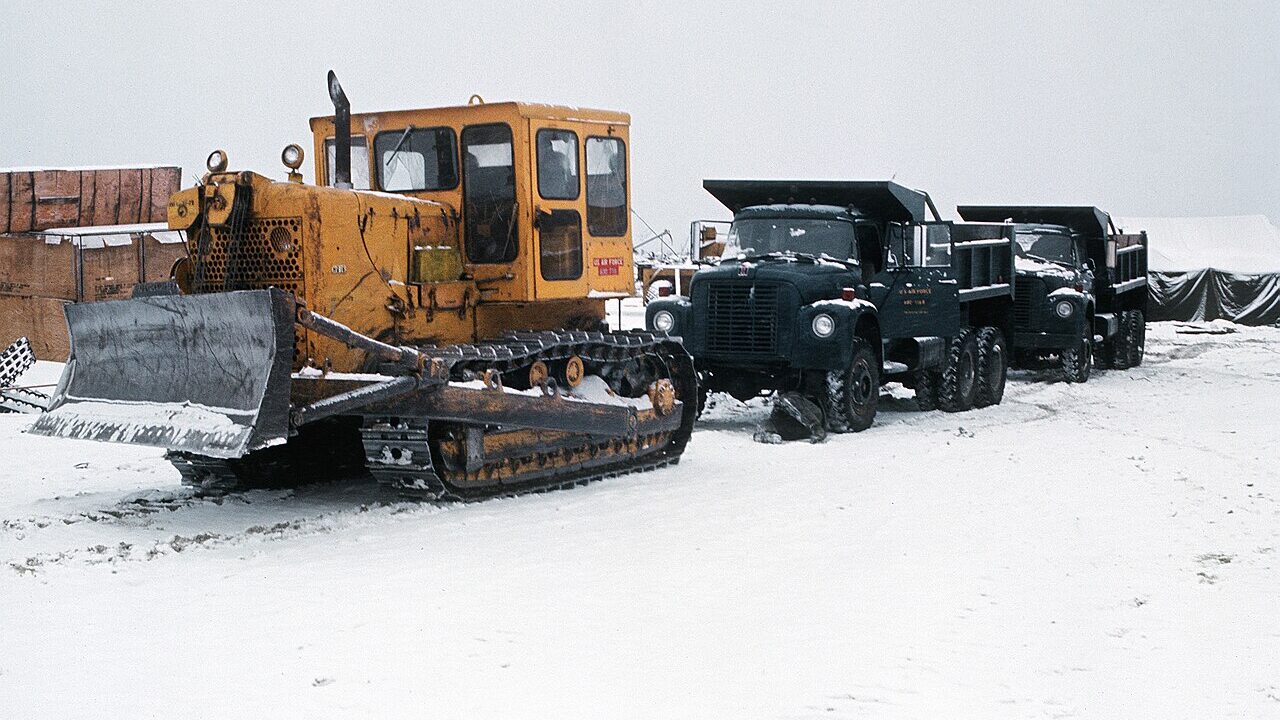
When DEF freezes or fails to circulate properly, emissions systems can trigger automatic safeguards. These include engine derating, which reduces power and speed, or in some cases, full shutdown.
While these mechanisms are designed to ensure emissions compliance, they can create dangerous situations when trucks are operating in remote, subzero environments.
This issue has prompted U.S. Senators Dan Sullivan of Alaska and Cynthia Lummis of Wyoming to introduce the Cold Weather Diesel Reliability Act.
The proposed legislation seeks to allow manufacturers to disable or suspend emissions-related shutdowns and derate functions when vehicles are operating in freezing temperatures. It would also provide broader exemptions for trucks and heavy equipment that operate primarily in extreme northern climates.
Arguments in support of the bill states that current regulations fail to account for the realities of operating in harsh environments. In regions where temperatures can plunge far below freezing, a truck losing power is not simply an inconvenience.
It can quickly escalate into a life-threatening situation. Drivers may find themselves stranded in isolated areas with limited access to emergency services, particularly on routes such as Alaska’s ice roads where conditions are already unforgiving.
Industry Concerns and Regulatory Response
Industry stakeholders have echoed these concerns. Testimony presented to lawmakers highlights how DEF-related failures contribute to increased maintenance costs, equipment downtime, and operational uncertainty.
For fleet operators and agricultural users, the reliability of diesel-powered equipment is critical. When emissions systems fail in extreme cold, it can halt essential activities ranging from freight delivery to time-sensitive farming operations.
At the same time, regulators are not ignoring the problem. The Environmental Protection Agency has already introduced updated guidance aimed at reducing sudden engine shutdowns.
Beginning with model year 2027 trucks, manufacturers will be required to design systems that provide extended warnings and gradual performance reductions instead of abrupt power loss. These changes are intended to give operators more time to address DEF-related issues before a vehicle becomes inoperable.
Even so, critics of existing regulations argue that incremental improvements are not enough. They contend that emissions systems were not engineered with extreme cold in mind and that enforcing uniform standards across vastly different climates creates unintended risks.
The proposed legislation reflects a broader push to align policy with operational reality, particularly in regions where infrastructure is sparse and environmental conditions are severe.
Balancing Safety and Emissions

Viewpoints from the other side of the aisle, however, are likely to raise concerns about the environmental impact of loosening emissions requirements, even on a limited or conditional basis. DEF systems have been instrumental in reducing harmful pollutants, and any rollback could complicate long-term air quality goals.
For now, the Cold Weather Diesel Reliability Act remains under review in the Senate. Its outcome could have significant implications not only for truck manufacturers and fleet operators but also for how regulators approach the balance between emissions compliance and safety in extreme conditions.
Ultimately, the DEF debate goes beyond diesel technology. It highlights a larger question facing the automotive and transportation industries: How to design systems that perform reliably not just in ideal conditions, but in the harshest environments where failure is not an option.