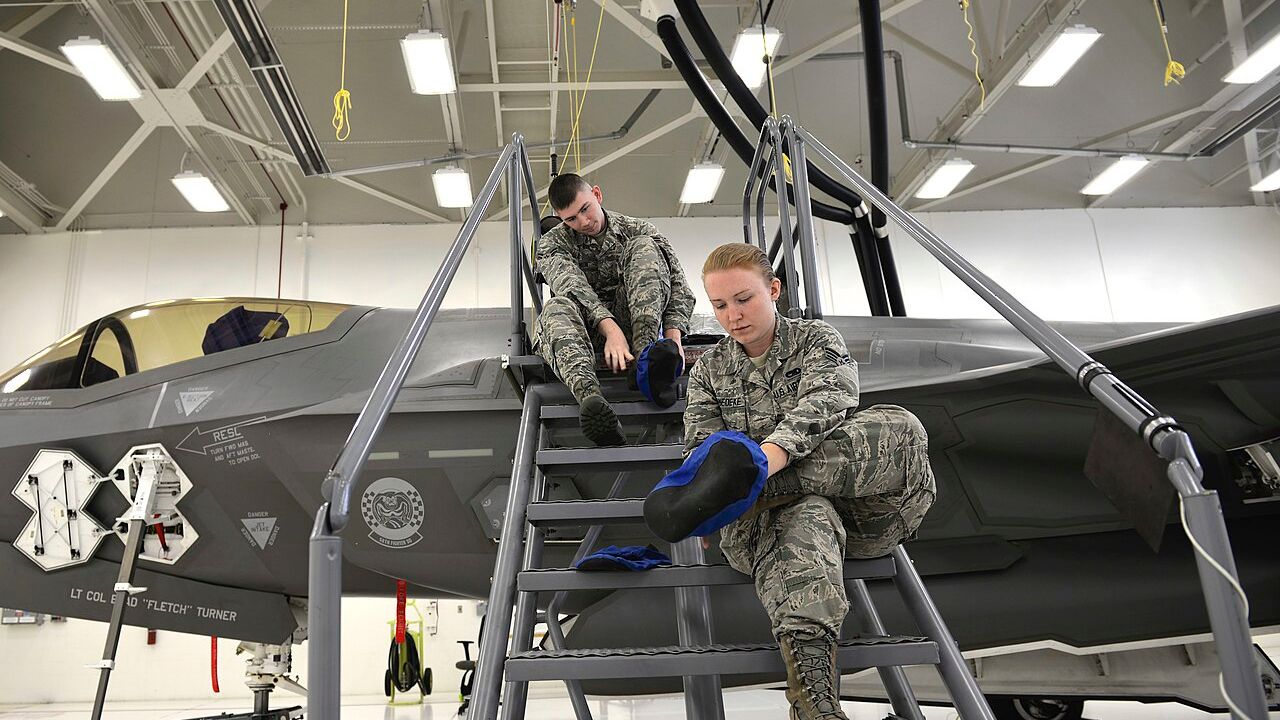

A car that works only half the time would not make it past the dealership gate. It would not earn a glossy brochure or a confident handshake. It would be towed back, argued over, and very likely returned under lemon law. Now imagine that same standard applied to one of the most expensive machines ever built.
That is the uncomfortable thought experiment raised by an attorney who decided to treat the F-35 fighter jet like a consumer product instead of a national security asset.
Strip away the flags, the politics, the classified briefings, and what you are left with is a machine that has struggled to meet the expectations set at birth. The simple, explosive question is: If this were a car, would it even be legal to sell?
How the Auto Industry Handles Failure
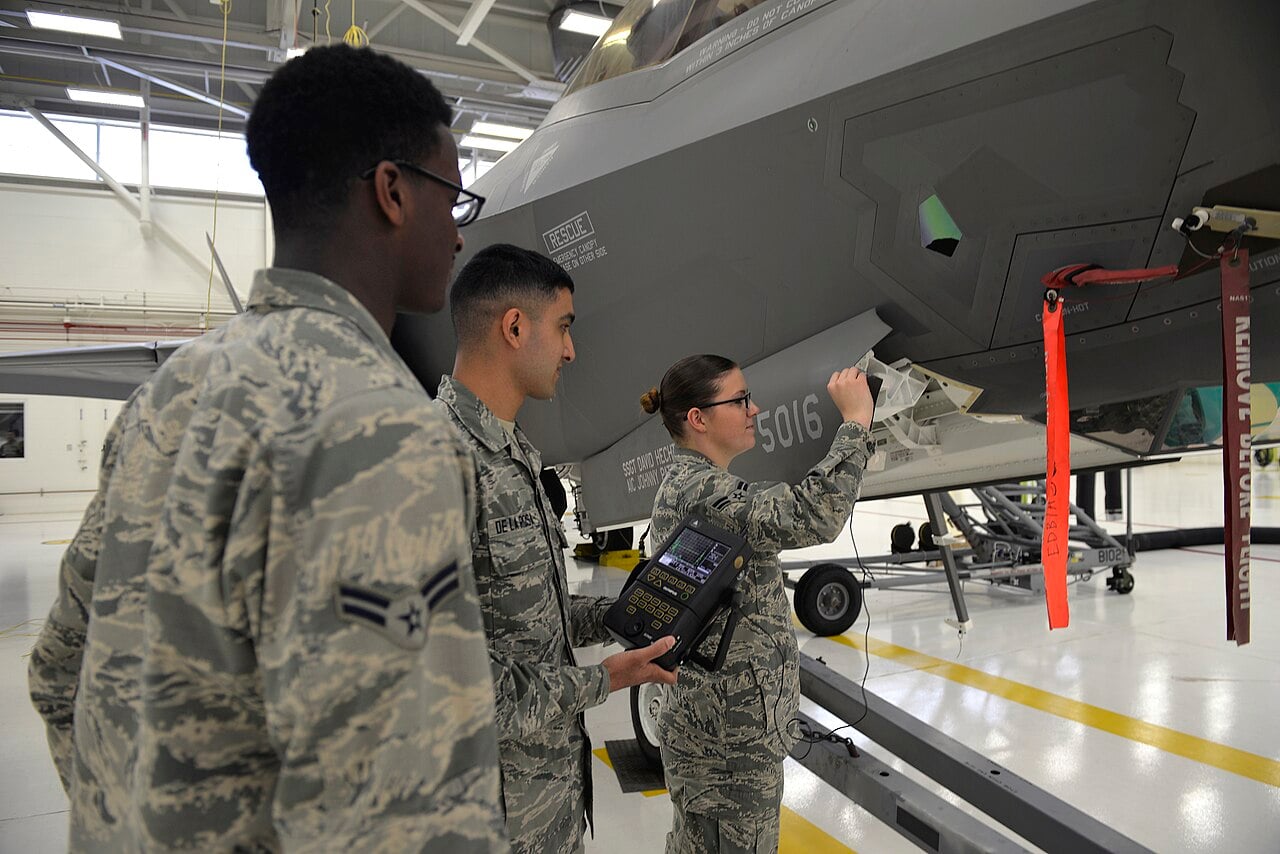
In the automotive world, failure is brutally democratic. A faulty gearbox in a budget sedan and a software glitch in a luxury SUV face the same fate. Owners complain. Regulators step in. Recalls follow. Brands lose trust, sometimes overnight. The rules are clear. Build it right or pay the price.
Now shift that lens to a program that has reportedly cost around two trillion dollars over its lifetime. A program that has battled delays, ballooning budgets, and a long list of unresolved issues. Reports have suggested mission readiness rates hovering around the halfway mark in certain contexts.
Translate that into road terms and you are staring at a vehicle that starts reliably every other day. No brand survives that reality.
Yet this machine does not sit on a showroom floor. It exists in a different universe, one where the usual consequences do not apply. There is no rival dealership across the street offering a better fifth generation fighter at a discount. There is no easy refund.
The buyer and the builder are locked together in a relationship that looks less like a transaction and more like a marriage under pressure.
Accountability vs. Complexity: Two Different Worlds
This is where the comparison becomes fascinating for anyone who lives and breathes cars. The auto industry has spent decades refining the art of accountability.
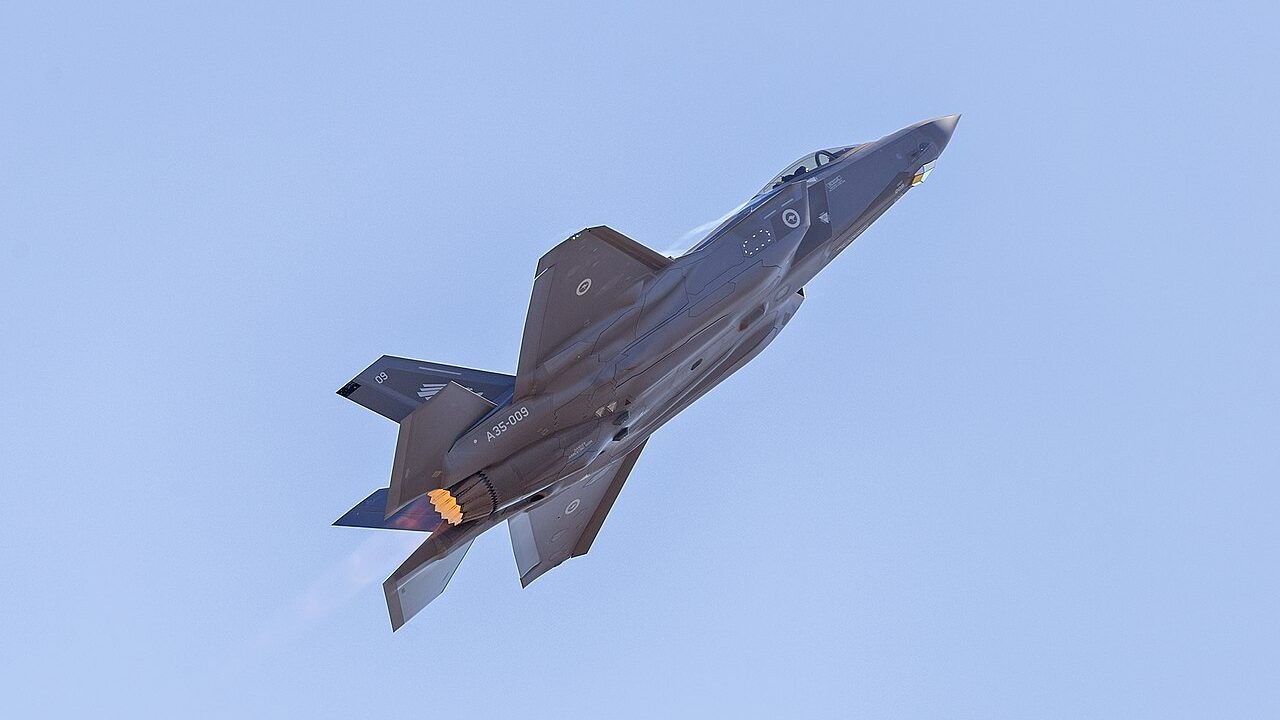
Warranty structures, class action lawsuits, and regulatory oversight have forced manufacturers into a culture of relentless improvement.
Even the biggest brands bend under that weight. When something goes wrong, the system responds.
Defense procurement plays by another script. Complexity becomes a shield. Scale becomes an excuse. The more ambitious the project, the harder it is to unwind. Instead of rejection, the response is iteration. More funding. More updates. More time. The product is never truly finished, only gradually improved.
There is a strange mirror here for modern cars, especially as they become software driven machines. Over the air updates now fix issues long after delivery. Features arrive late. Bugs are patched in the background. The industry is inching toward a world where a car is not a completed object but a work in progress. Sound familiar?
The difference is that car buyers still hold the final card. If a vehicle fails too often, they walk. Sales drop. Reputation suffers. In the defense world, walking away is rarely an option. The stakes are too high, the ecosystem too interconnected.
The Lingering Question
So, the thought experiment lingers. What if we judged every complex machine by the same standard we apply to cars? What if performance promises had to match reality in a courtroom, not just a congressional hearing? The question exposes a contentious truth. Some products are simply too big to fail, even when they stumble.
For car owners, that idea should feel as distant as it is uncomfortably close. Because as vehicles grow more complex, more connected, and more expensive, the line between acceptable imperfection and outright failure becomes harder to define. And somewhere in that gray area, the spirit of the lemon law waits, asking a very simple question.
Does it actually work?