What would you do with $50,000 in today’s SUV market? Chase the biggest badge you can afford? Load up on leather and screens? Pick the safest answer and hope you do not regret it two winters later? That is what makes this price band so interesting in 2026. It is not cheap anymore, but it is still rich with genuinely smart choices.
You can buy hybrid efficiency, three row practicality, off road credibility, or real EV value without crossing into luxury brand territory. The current spread is wide enough to be useful, too, stretching from the 2026 Toyota RAV4 Hybrid’s $31,900 base MSRP to the 2026 Toyota Crown Signia Limited’s $48,890 base MSRP, with plenty of strong options in between.
The trick is knowing what “worth buying” really means. At this money, a good SUV should do more than look expensive in a parking lot. It should make daily life easier, feel well judged from the driver’s seat, and still make sense after the novelty wears off. Maybe that means a compact hybrid that shrinks fuel bills.
Maybe it means a boxy family hauler that can swallow luggage and opinions at the same time. Maybe it means something tougher, something quieter, or something electric. The 10 models below are here because each one gets an important part of the modern SUV equation right, and because none of them needs a luxury badge to feel like a smart place to spend real money.
What Makes An SUV Worth Buying In This Price Range
A headline like this can go soft very quickly if it just turns into a price list. That was not the goal here. To make this article, an SUV needed to clear a few hurdles at once. It had to stay under the $50,000 line in a real trim, not in some hypothetical version no dealer ever seems to have. It had to offer something distinctive, whether that was efficiency, room, capability, refinement, or value. And it had to feel like a vehicle you could recommend to an actual buyer with a straight face, not just a nice spec sheet with flattering photography. All prices cited here are manufacturer-listed starting prices or base MSRPs from official U.S. pages, before destination or freight and other fees.
Variety also mattered. Ten copies of the same compact crossover would not be much help to anyone. This list reaches across several types of buyer, from the person who wants a no stress hybrid commuter to the family that needs a useful third row, the outdoorsy driver who wants a real trail companion, and the EV shopper who still cares about value.
The point is not that there is one perfect SUV under $50,000. The point is that the market still gives thoughtful buyers several strong answers, and these are the ones that make the most convincing case right now.
Honda CR-V Hybrid

The CR-V Hybrid remains one of the easiest SUVs to recommend because it understands the basics so well that you stop thinking about them. Honda starts the 2026 CR-V Hybrid at $35,630, and even the more adventurous TrailSport Hybrid shown on Honda’s site comes in at $38,800. Efficiency is still a major part of the appeal, with the hybrid rated at 43 mpg city and 36 mpg highway in 2WD form. Those are the obvious numbers.
The less obvious strength is the way the whole vehicle feels resolved. The CR-V is roomy enough for family use, calm enough for a long commute, and polished enough that nothing about it feels half finished or budget trimmed.
That makes it one of the best all around buys in the class. The CR-V Hybrid does not need a dramatic hook because its talent is making normal life easier. It is the sort of SUV you buy when you want to stop worrying about whether you chose wisely. The packaging works, the fuel economy matters immediately, and the cabin feels mature without trying to cosplay as a luxury brand product. If your needs are broad and your patience for nonsense is low, this is still one of the safest smart buys in the segment.
Toyota RAV4 Hybrid
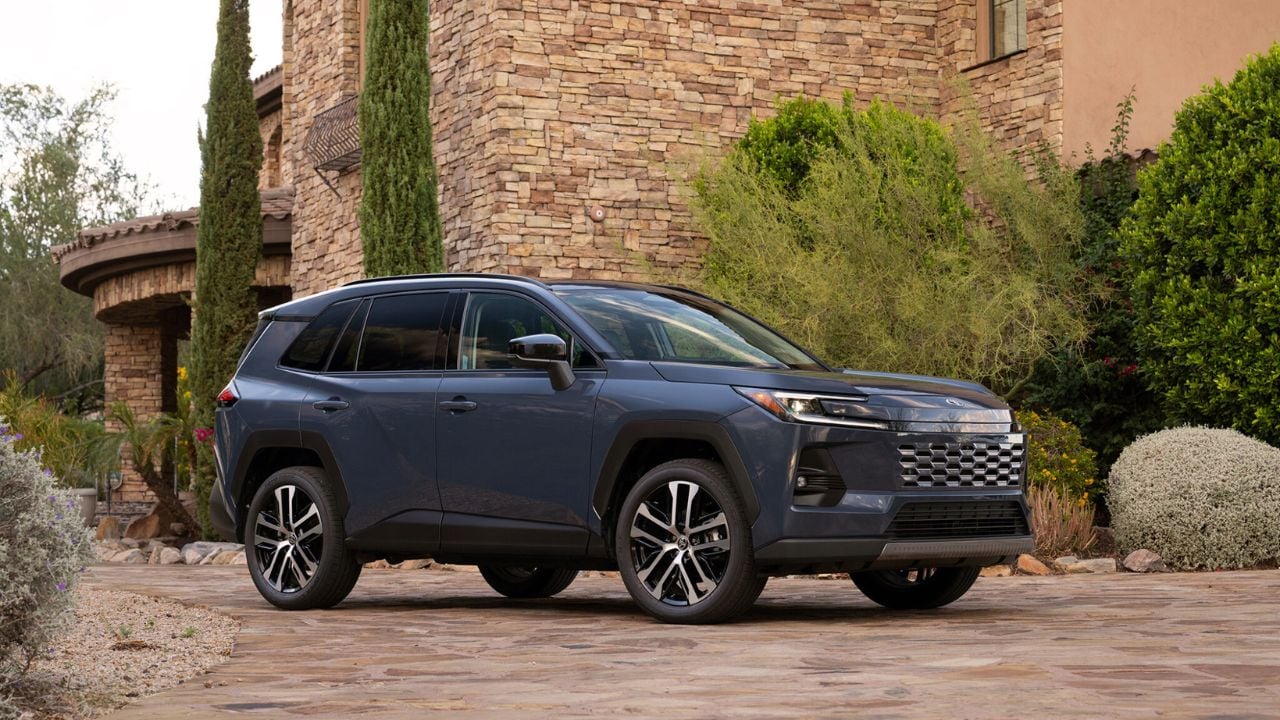
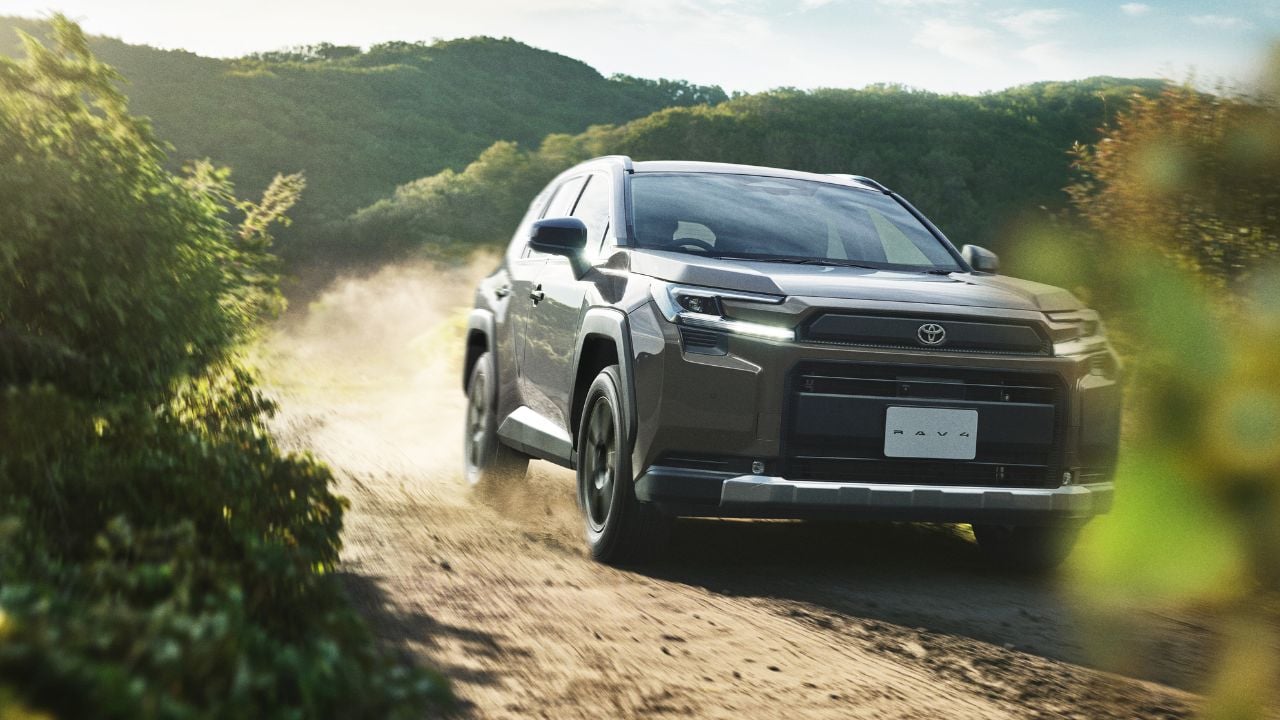
The 2026 RAV4 Hybrid earns its place here because Toyota has not tried to reinvent the reason people buy RAV4s. It simply keeps refining one of the market’s most dependable formulas.
Toyota said the new-generation 2026 RAV4 would begin arriving at dealerships in December 2025, starts at $31,900 for a hybrid FWD model, and keeps electrification at the center of the lineup with hybrid and plug-in hybrid powertrains rather than a plain gas base version. That alone says a lot about where Toyota thinks the segment is heading. The RAV4 is still meant to be practical first, but now its efficiency story feels less like an option and more like the foundation of the product itself.
What keeps the RAV4 on lists like this is not charm. It is trust. Buyers know what this SUV is for, and Toyota knows not to get cute with the answer. You buy one because you want a vehicle that can handle commuting, shopping, weather, family duty, and resale value without making any of it complicated. The 2026 redesign gives that old argument fresher styling and a broader lineup, but the core appeal stays the same. It remains one of the cleanest, most rational ways to spend new SUV money in America, and there is a reason that sentence still matters.
Mazda CX-50 Hybrid
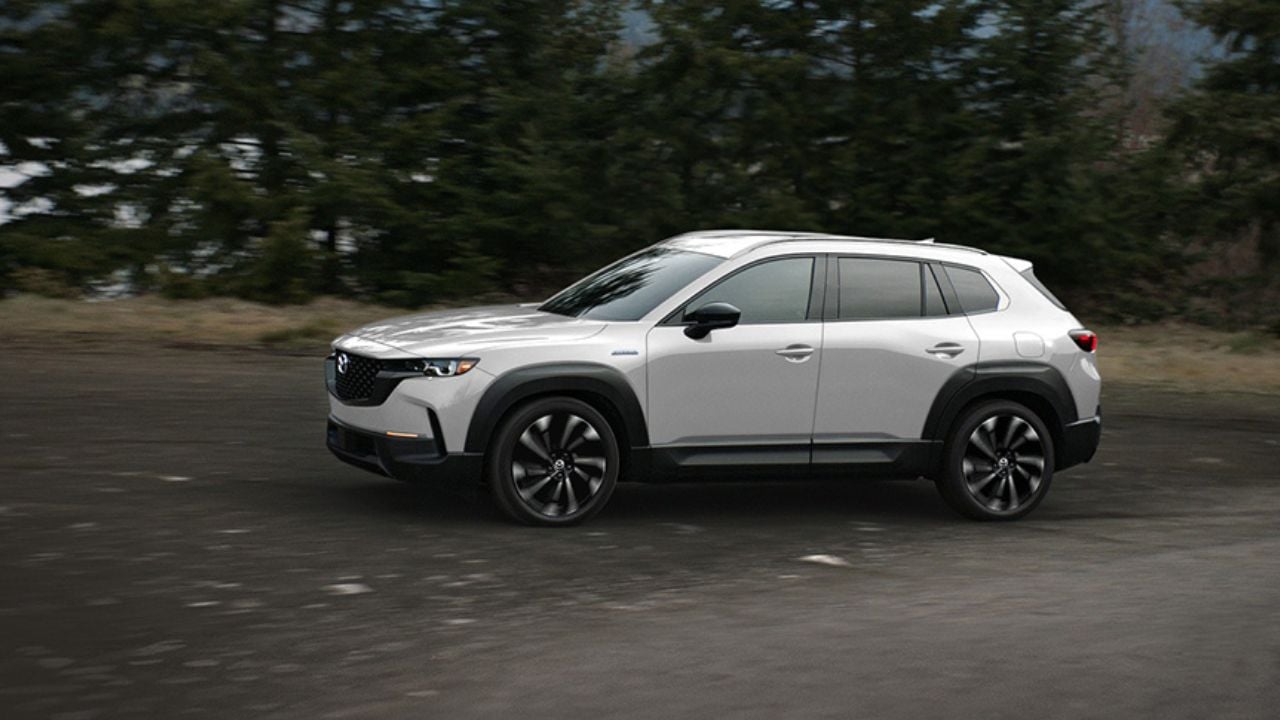
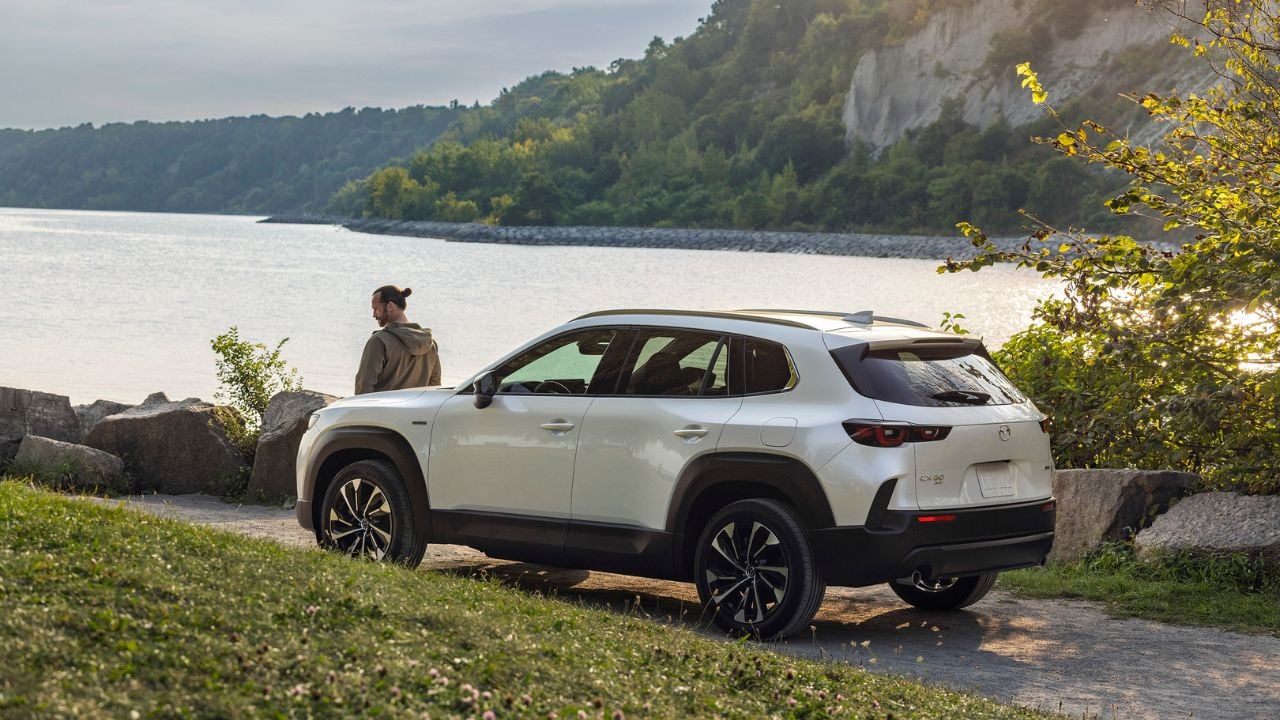
The CX-50 Hybrid is the pick for buyers who want efficiency without losing visual character. Mazda starts the 2026 CX-50 Hybrid at $34,750, quotes a 551 mile total driving range, and rates it at 38 combined mpg. Those are strong credentials on their own, but the bigger reason to care is the way the CX-50 presents itself. This is not a generic hybrid appliance wearing a crossover body. It looks lower, wider, and a little more intentional than much of the compact SUV field, which helps it stand out before you ever start talking about numbers.
That edge in personality is why the CX-50 Hybrid fits this headline so well. A smart SUV does not have to be boring, and Mazda keeps proving that point. The hybrid version brings sensible fuel economy and long range, but it also keeps the tougher outdoor themed identity that made the regular CX-50 appealing in the first place.
If you want something under $50,000 that still feels like it was designed by people who care about proportions and atmosphere, this one has a lot going for it. It is useful, efficient, and just a little less anonymous than the average rational choice.
Hyundai Santa Fe Hybrid
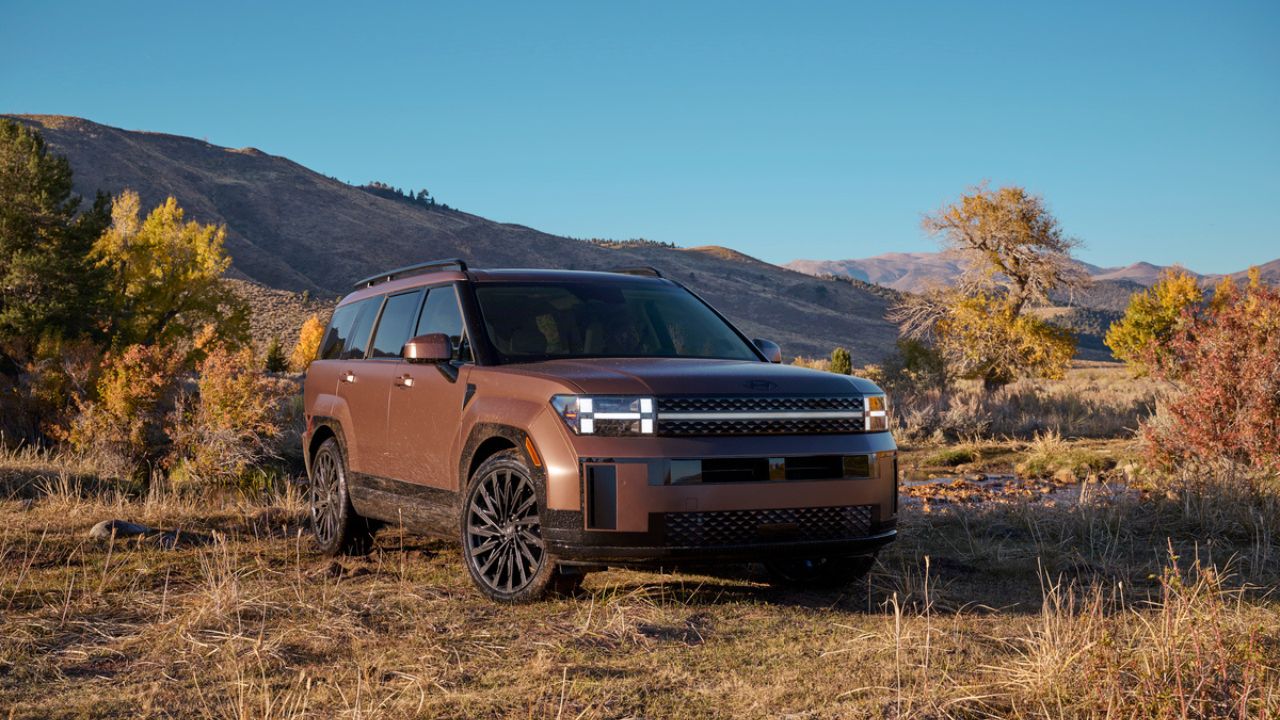
The Santa Fe Hybrid is one of the most convincing family SUV answers in this whole price range because it makes practicality look interesting again. Hyundai currently lists the 2026 Santa Fe Hybrid from $36,400, and the trim pages show the SEL and Limited both comfortably inside the budget.
Underneath the boxier shape is a 231 horsepower hybrid setup, standard third row seating, and the sort of broad utility that families notice immediately. The design helps too. Hyundai did not build the Santa Fe to disappear. It looks upright, squared off, and deliberate in a market full of smooth, samey crossovers.
That shape matters because the Santa Fe’s personality finally matches its function. This feels like an SUV designed for real trips, real luggage, and real households rather than a crossover designed mainly to look aerodynamic in ads. The hybrid system adds another layer of sense by lowering the ownership burden without taking away the room or usefulness buyers are actually here for.
If you need family scale but do not want to drift into luxury pricing, the Santa Fe Hybrid makes a very persuasive case. It feels modern, spacious, and self assured, which is more than can be said for a lot of similarly priced three row vehicles.
Kia Sorento Hybrid

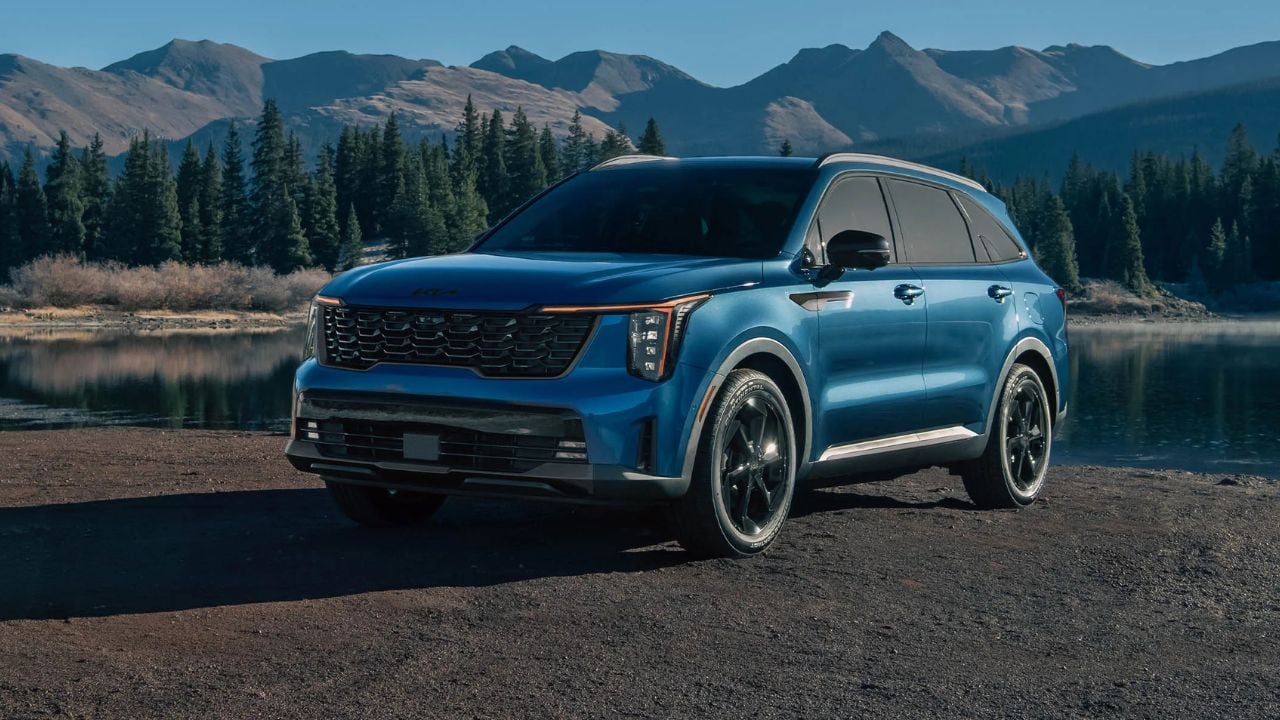
The Sorento Hybrid is a quietly brilliant answer for buyers who need three rows but do not want the size, thirst, or bulk of a full size family SUV. Kia starts the 2026 Sorento Hybrid at $38,890, rates it at an EPA estimated 34 mpg combined, and says it can travel 602 miles per tank.
It also keeps standard third row seating and offers available second row captain’s chairs, which means it understands the family brief without requiring minivan scale. That balance is exactly what makes the Sorento Hybrid so easy to like. It is large enough to matter, but not so large that every parking lot becomes a geometry lesson.
What I like most about the Sorento Hybrid is that it feels disciplined. Kia did not chase maximum size or maximum flash here. It aimed for the middle, and sometimes the middle is where the smartest product lives. You get genuine flexibility, useful efficiency, and enough comfort and tech to make the vehicle feel current without forcing you into a bloated flagship trim.
For buyers with growing families, weekend travel plans, or simply more stuff than a compact SUV wants to handle, the Sorento Hybrid is one of the most sensible answers under $50,000. It solves a real problem without creating a bigger one.
Toyota Crown Signia
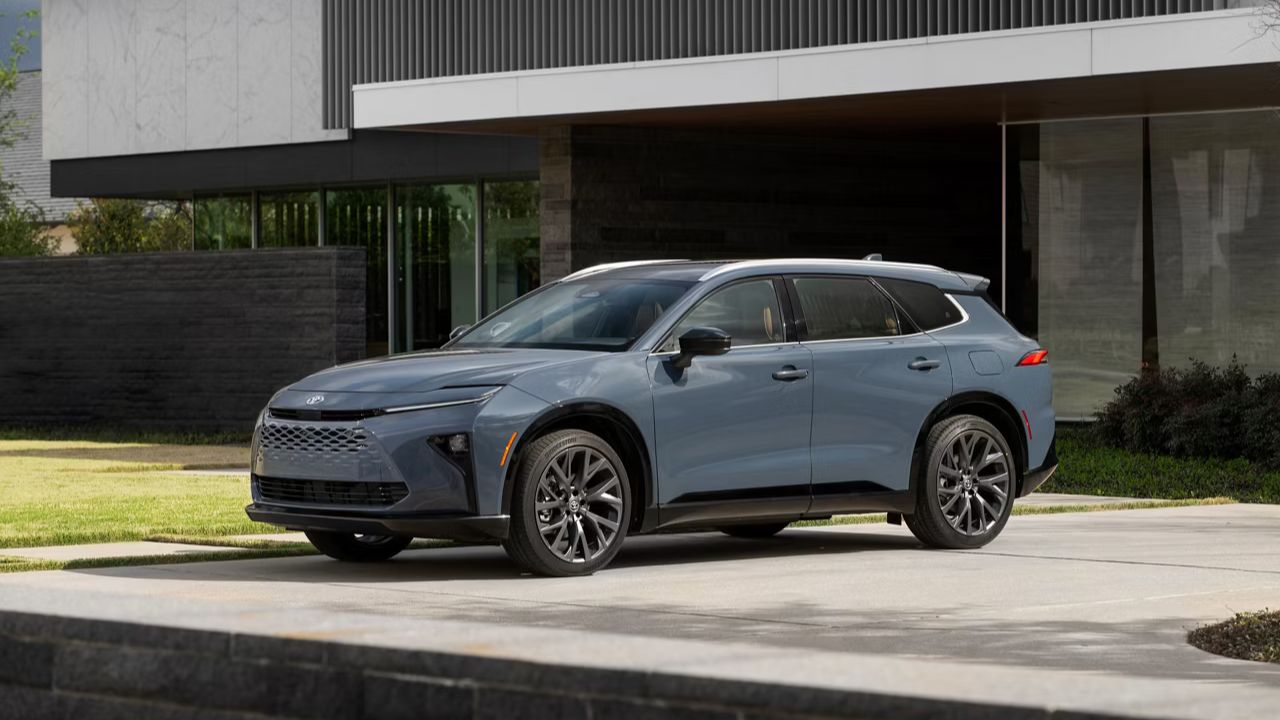
The Crown Signia is the choice for people who want their practical SUV to feel a little more polished and a little less obvious. Toyota’s current consumer site lists the 2026 Crown Signia at $44,490 for the XLE and $48,890 for the Limited, and every version comes standard with hybrid power and all wheel drive.
The payoff is not just efficiency, though the Signia is rated at 39 mpg city, 37 highway, and 38 combined. The bigger story is atmosphere. Toyota talks about style, comfort, and easy conversation in the cabin, which sounds like brochure language until you realize that most mainstream SUVs in this price band are not even trying to feel graceful.
That is where the Crown Signia separates itself. It does not shout for attention and it does not pretend to be rugged when it would rather be elegant. This is the one for buyers who want calm, quiet, and a sense that somebody actually thought about how the vehicle would feel after two hours on the highway. The Signia is not the cheapest choice here, but it may be one of the most grown up. If your tastes lean more toward refinement than flash, this Toyota is easy to appreciate. It feels like a mainstream brand vehicle built for people who are quietly tired of mainstream brand habits.
Subaru Forester Wilderness
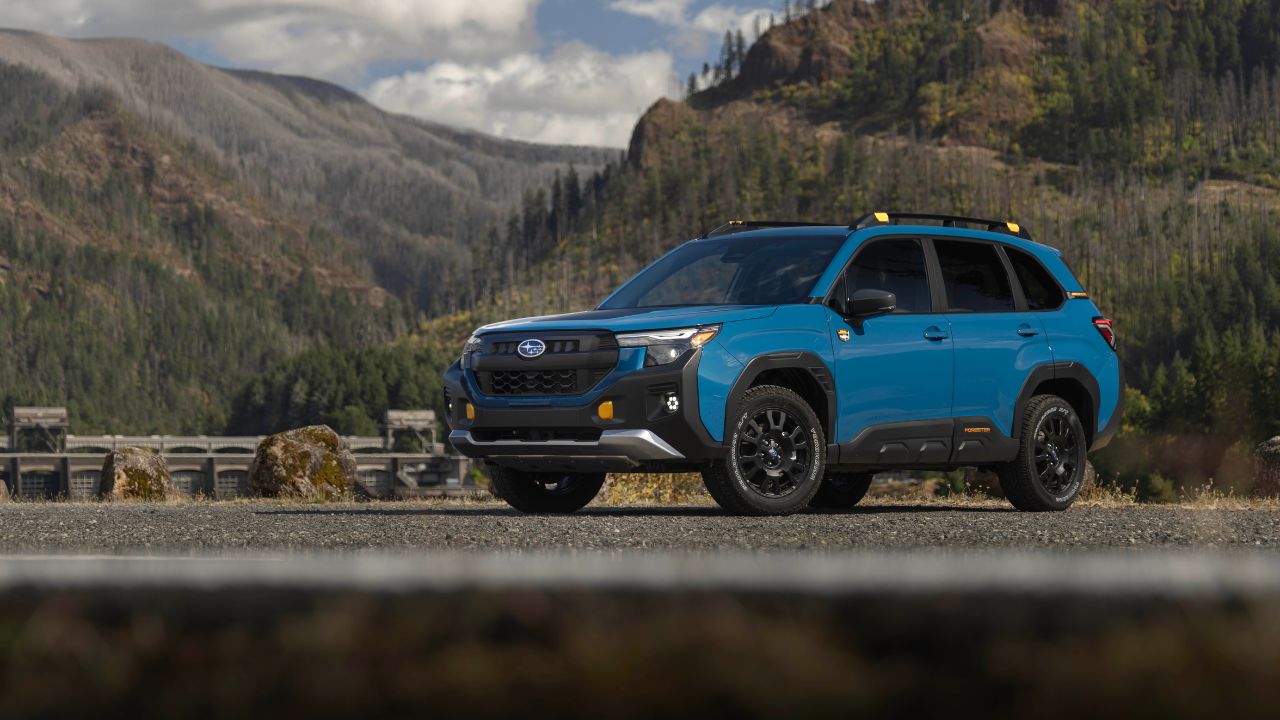
The Forester Wilderness is here because not every smart SUV needs to be soft, sleek, or hybridized into civility. Subaru prices the 2026 Forester Wilderness at $38,385, and the package comes with exactly the sort of hardware that gives the name meaning: revised gearing for improved low speed climbing, a 3,500 pound towing capacity, reinforced roof rails rated for up to 800 pounds of static weight, and the standard all wheel drive confidence people come to Subaru for in the first place. Subaru also notes that 96% of Foresters sold in the last ten years are still on the road, which speaks directly to the durability minded buyer.
This is not the plushest SUV on the list, and that is fine. The Forester Wilderness is for the buyer whose weekends are messier than average and whose idea of usefulness includes mud, snow, bad pavement, and gear that does not fit neatly into city life. It still gives you a civilized cabin and the easy visibility that has long been part of the Forester’s appeal, but the real magic is that it feels ready before you ask it to be.
If your lifestyle leans more trailhead than valet stand, this Subaru makes more sense than a lot of dressier alternatives that cost the same money.
Chevrolet Equinox EV
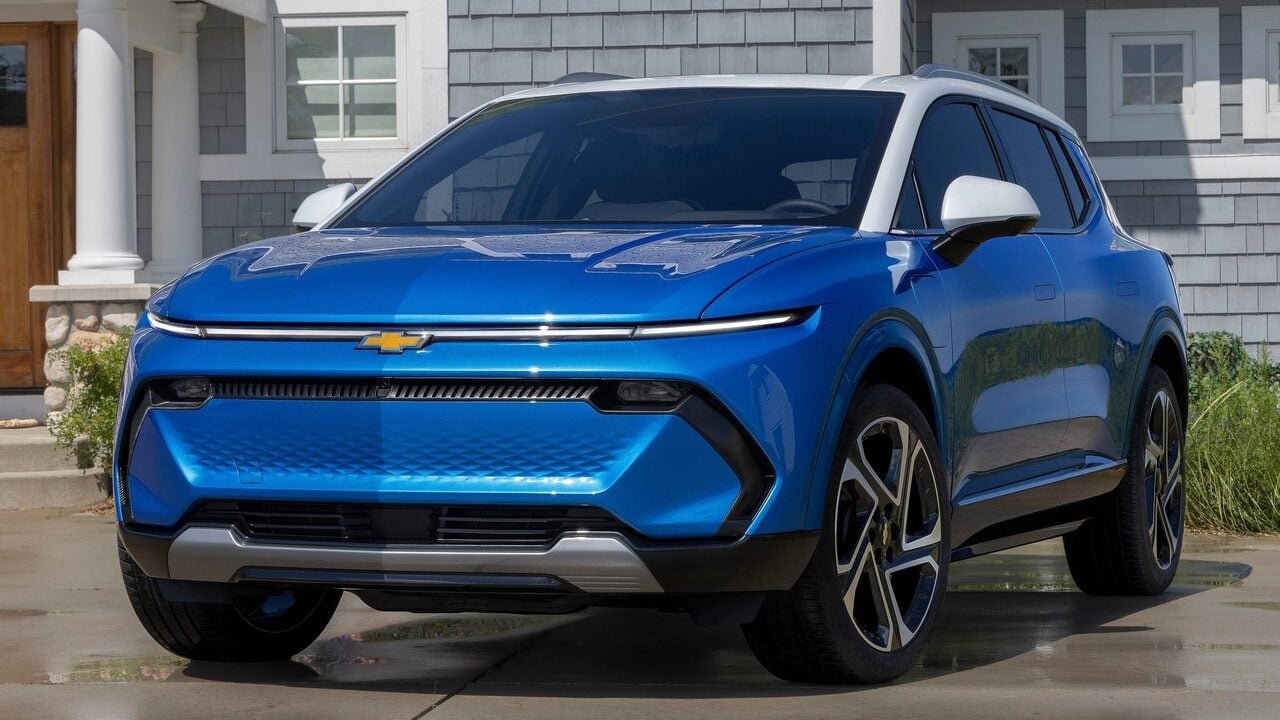
The Equinox EV may be the single biggest value story in this article. Chevrolet starts the 2026 model at $34,995, gives front wheel drive versions an EPA estimated 319 miles of range, and includes a 17.7 inch center screen plus more than 20 standard safety and driver assistance features. That combination is hard to ignore. Most affordable EVs ask you to compromise somewhere obvious.
The Equinox EV does not erase compromise entirely, but it hides it better than most. It looks normal enough not to alienate mainstream buyers, useful enough to replace a gas compact SUV, and advanced enough that the cabin still feels like part of the EV future rather than a discounted experiment.
What makes it worth buying is the shape of the value. This is not just “cheap for an EV.” It is genuinely competitive as a family vehicle once you account for range, tech, and cabin presentation. Chevrolet has finally made an electric SUV that feels aimed at the center of the market instead of the edges, and that matters. If you have been EV curious but unwilling to spend premium brand money for the privilege, the Equinox EV is exactly the kind of product that could change your mind. It feels like a real answer, not a rehearsal.
Honda Passport
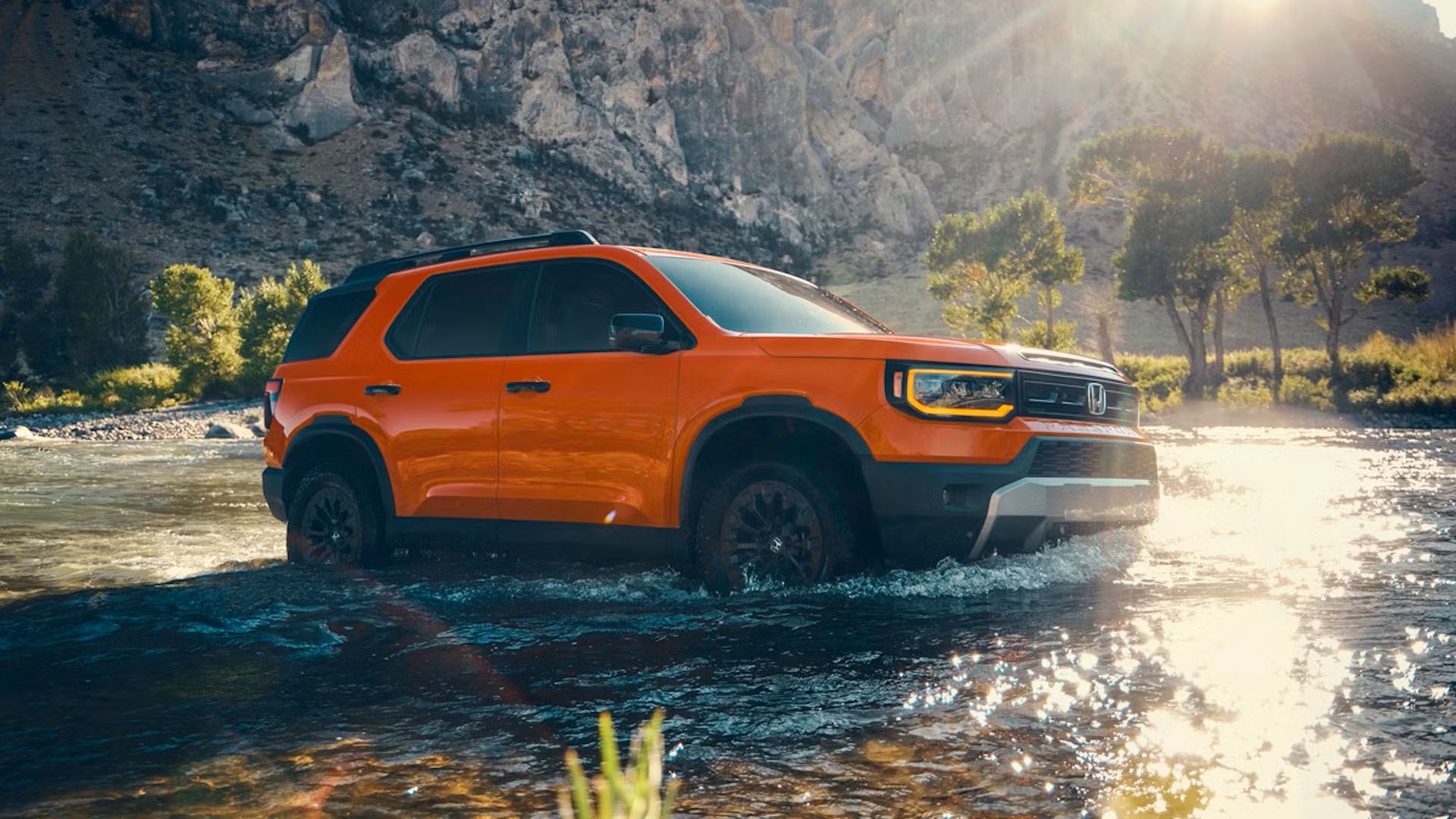
The Passport is the SUV for buyers who still want a naturally aspirated V6, real towing muscle, and a straightforward sense of purpose. Honda starts the 2026 Passport at $44,950, gives it a 285 horsepower V6, standard all wheel drive through the i-VTM4 system, and a towing capacity of up to 5,000 pounds.
Those are not exotic numbers, but they tell you exactly what the Passport is trying to be: a rugged midsize SUV that skips the complexity and just gets on with the job. In a market increasingly obsessed with downsized engines and softer personalities, there is something refreshing about that.
The Passport’s appeal is its blunt honesty. It is roomy, useful, and built for people who actually plan to haul, camp, tow, or disappear onto rougher roads without turning the outing into a social media theme. Honda has also made the 2026 redesign more visually confident, which helps the vehicle feel less like the forgotten cousin in the lineup. If you want one SUV under $50,000 that can play family duty all week and still feel ready for a dirt road by Saturday morning, the Passport remains one of the strongest traditional choices left.
Toyota 4Runner

The 4Runner makes this list because there are still buyers who do not want their SUV translated into crossover language, no matter how polished the result may be. Toyota’s current consumer site lists the 2026 4Runner SR5 at $41,870 base MSRP, and the new generation still leans heavily on its old strengths: authentic capability, strong design identity, and the sense that it was built for harder use than most owners will ever throw at it.
This is the SUV you buy because you care about trails, towing, tough weather, and the sort of long term ownership story that starts with a truck based foundation.
What keeps the 4Runner relevant is not refinement. Toyota has other products for that. The 4Runner works because it gives buyers something many modern SUVs only imitate: credibility. It looks right, feels right, and comes with the kind of reputation that makes people picture national parks before they picture school pickup.
The new generation has become more advanced and more livable, which only strengthens the case. Under $50,000, there are more efficient choices and quieter ones too. There are very few with this much built in character, and character still counts for a lot when you are signing up to live with something for years.
The Smart Buy Depends On The Life You Actually Live
That is the real lesson of this market in 2026. A good SUV under $50,000 is not hard to find. The right one is harder, because the category has finally grown broad enough to reflect very different kinds of lives. The CR-V Hybrid and RAV4 Hybrid make a strong case for sensible efficiency. The CX-50 Hybrid adds more design personality.
The Santa Fe Hybrid and Sorento Hybrid bring family flexibility without immediate luxury pricing. The Crown Signia offers a calmer, richer experience. The Forester Wilderness, Passport, and 4Runner pull the category back toward real capability. The Equinox EV shows how much value the electric side has gained in a short time.
So the better question may not be “Which one is best?” It may be “Which one would still feel right after a year of ordinary use?” That is where smart buying actually begins. An SUV does not earn its keep with one good test drive or a flashy feature list. It earns it in the school run, the weekend escape, the parking lot, the fuel stop, the rainy commute, and the unexpected detour.
These 10 are worth buying because they all have a believable answer to those moments. The rest comes down to which version of daily life looks most like yours.