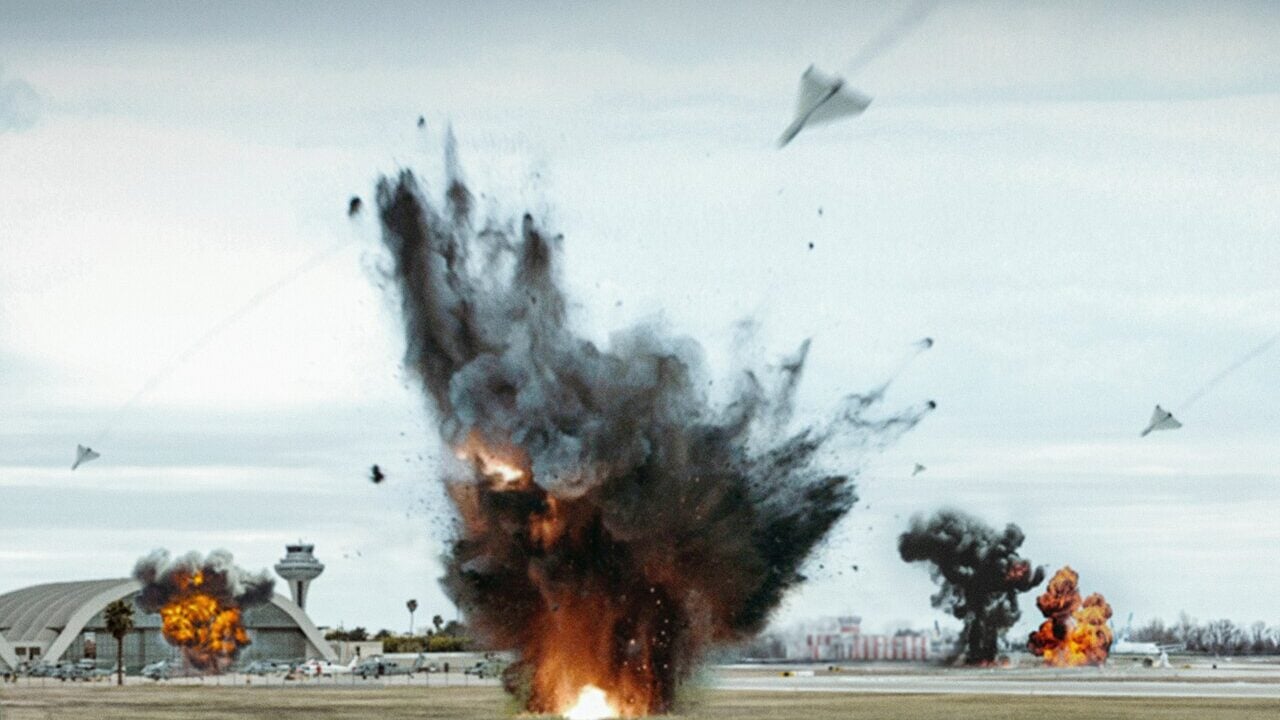

A new report by The Wall Street Journal has revealed a deepening military relationship between Russia and Iran, with Moscow allegedly sharing sensitive satellite imagery and advanced drone expertise with Tehran.
The development signals a notable shift in cooperation between the two countries, moving beyond arms transfers into the realm of real time intelligence and battlefield strategy.
According to the Journal, Russia has been providing Iran with high resolution satellite imagery that could significantly enhance its ability to monitor and potentially target United States military assets across the Middle East.
The intelligence is said to include detailed observations of bases, troop movements, and naval deployments. Such data, especially if delivered with minimal delay, would allow Iran to sharpen its operational planning and improve the accuracy of drone or missile strikes.
A Two-Way Flow of Technology and Tactics
The report, which cites sources familiar with the matter, suggests that this intelligence sharing is not occurring in isolation. It is paired with the transfer of drone technology and tactical knowledge that Russia has refined during its ongoing war in Ukraine.
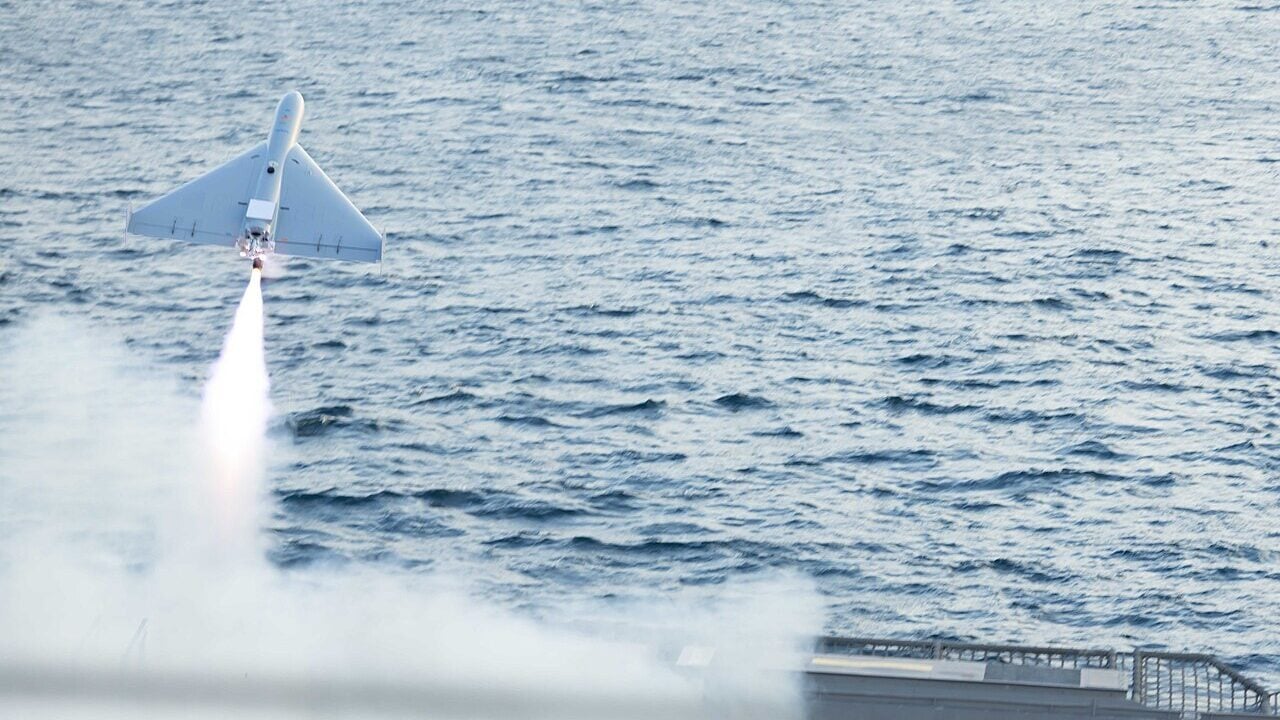
Over the past two years, Russian forces have relied heavily on Iranian designed drones, particularly loitering munitions, and have adapted them for more effective use in combat. Those adaptations are now believed to be flowing back to Iran, effectively upgrading Tehran’s drone warfare capabilities.
Reuters, which reported on the Journal’s findings, noted that it has not independently verified the claims. However, the agency highlighted that if confirmed, the cooperation would represent a significant escalation in military alignment between the two nations.
Military analysts say the implications could be far reaching. Iran has already demonstrated its ability to deploy drones through allied groups and proxy forces in regions such as Iraq, Syria, and Yemen.
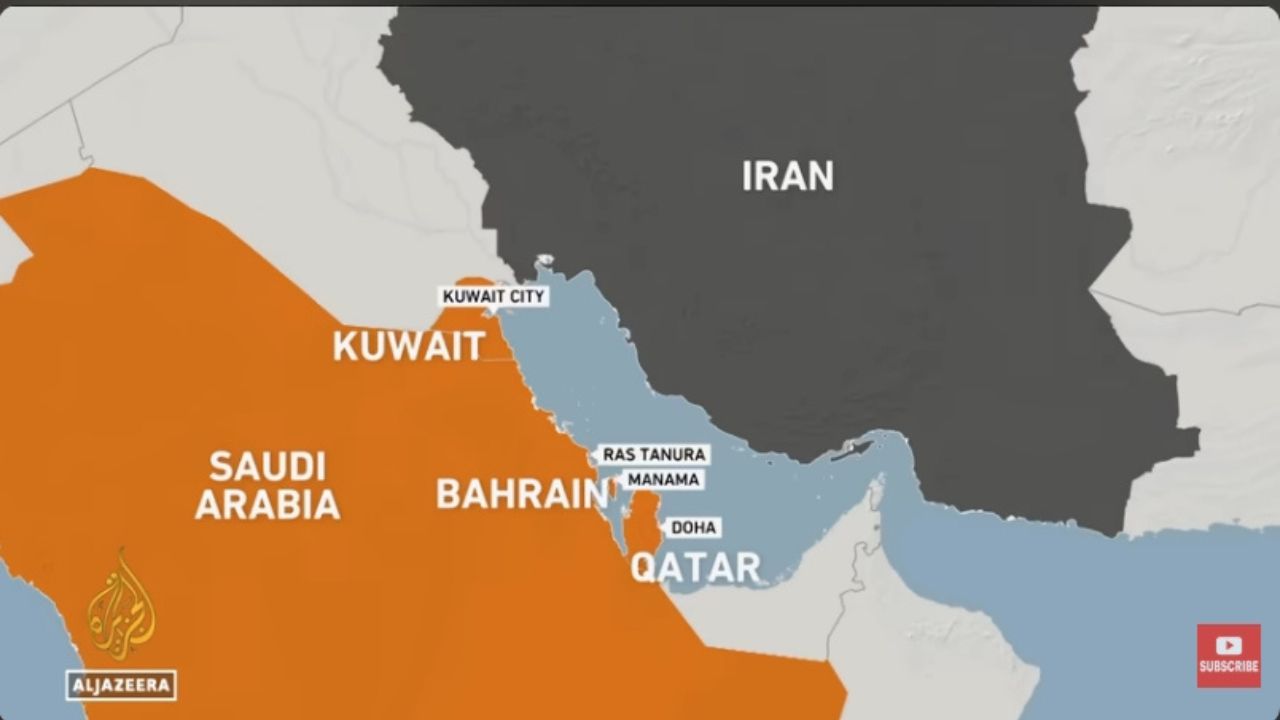
Access to improved targeting intelligence and refined drone tactics could increase both the precision and frequency of such operations. This raises concerns for United States forces stationed in the region, as well as for allied infrastructure and shipping routes in strategic waterways.
The cooperation also underscores a broader trend of interconnected conflicts. Technology developed and tested in Ukraine is increasingly influencing military dynamics elsewhere.
In this case, lessons learned by Russian forces on drone coordination, navigation under electronic warfare conditions, and strike optimization may now be applied in Middle Eastern theaters. This creates a feedback loop where innovations in one conflict rapidly shape outcomes in another.
What This Means for Global Power Dynamics
For Russia, the relationship offers a way to solidify ties with a key partner at a time of continued isolation from Western nations.
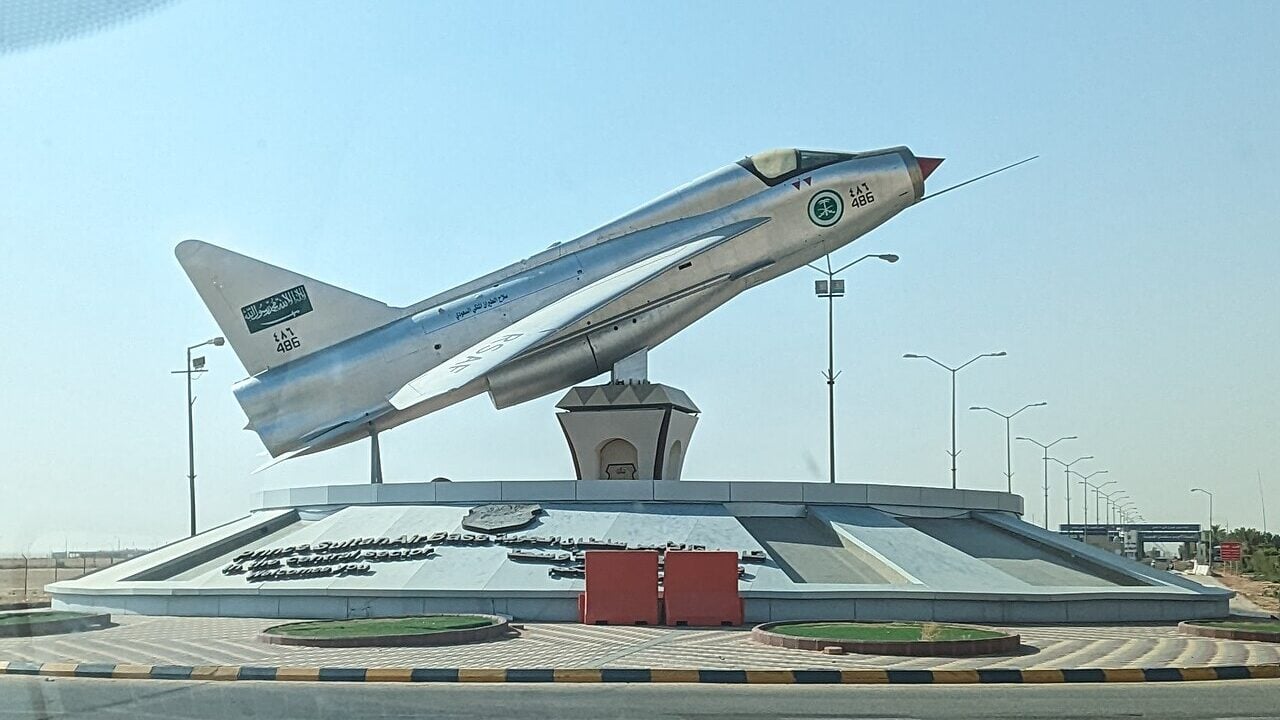
For Iran, the benefits are equally clear. Access to advanced intelligence and battlefield experience from a major military power could accelerate its efforts to modernize its armed forces without direct large-scale procurement.
The United States has not publicly detailed any response to the specific claims in the report, but officials have previously warned about growing defense cooperation between Moscow and Tehran.
Washington has also emphasized its commitment to protecting its personnel and assets in the region, particularly amid rising tensions involving Iran backed groups.
While questions remain about the full scope and immediacy of the reported intelligence sharing, the story points to a changing landscape in global military partnerships. A transactional relationship once centered on weapons supply is evolving into a more integrated exchange of technology, data, and operational expertise.
If the claims are accurate, the consequences could extend beyond the Middle East. They may signal the emergence of a more coordinated approach among countries seeking to counterbalance United States influence, using modern warfare tools that are rapidly advancing and increasingly interconnected.
Sources: WSJ