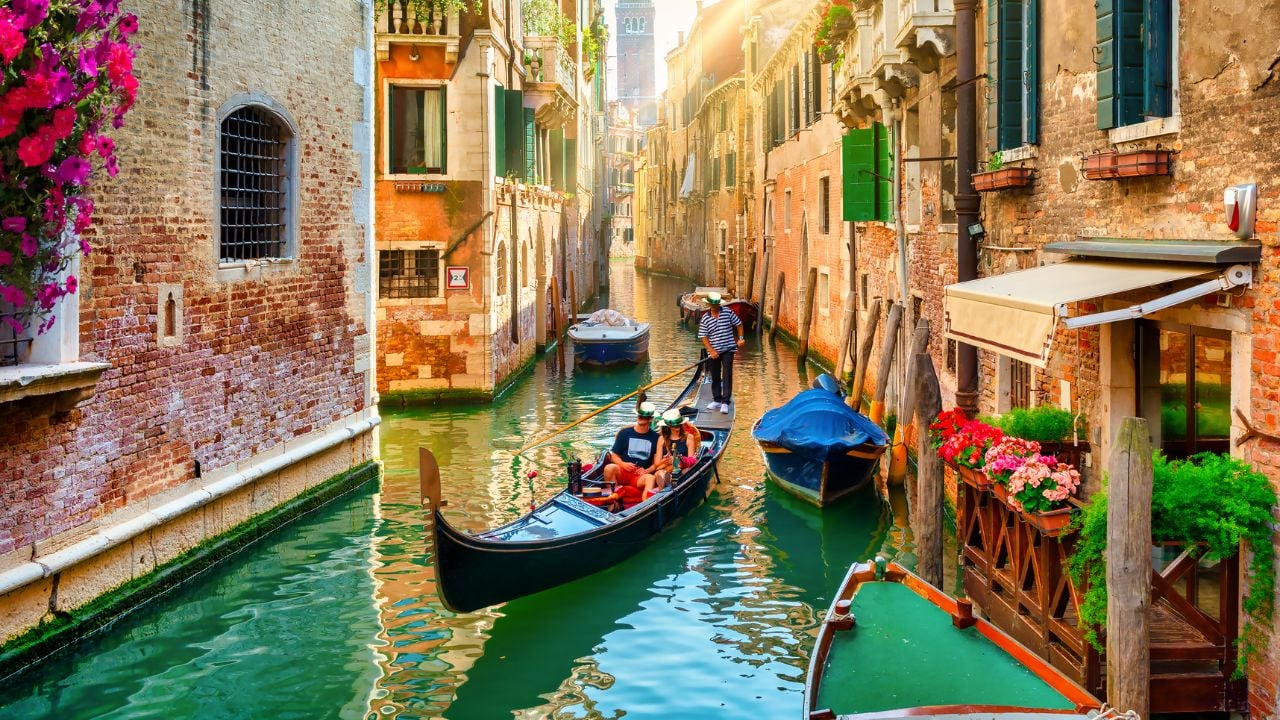
Europe’s most crowded destinations are getting less shy about charging visitors for the privilege of showing up. The old model was to complain about overtourism while still quietly counting the money. The newer one is blunter: raise a levy, add a day-tripper fee, or tack on a surcharge and openly say the city needs help paying for the strain. Venice, Barcelona, Greece’s busiest cruise islands, and Edinburgh all reflect that shift, even if each place is using a slightly different tool.
That does not mean every fee will magically solve overcrowding. Some are aimed at behavior, some at infrastructure, some at housing pressure, and some at all three at once. Even so, the direction is hard to miss. Europe’s best-known hotspots are moving away from the idea that tourism growth should stay cheap and frictionless forever, and travelers now have to budget for costs that barely existed a few years ago.
1. Venice Is Making Spontaneous Day Trips More Expensive
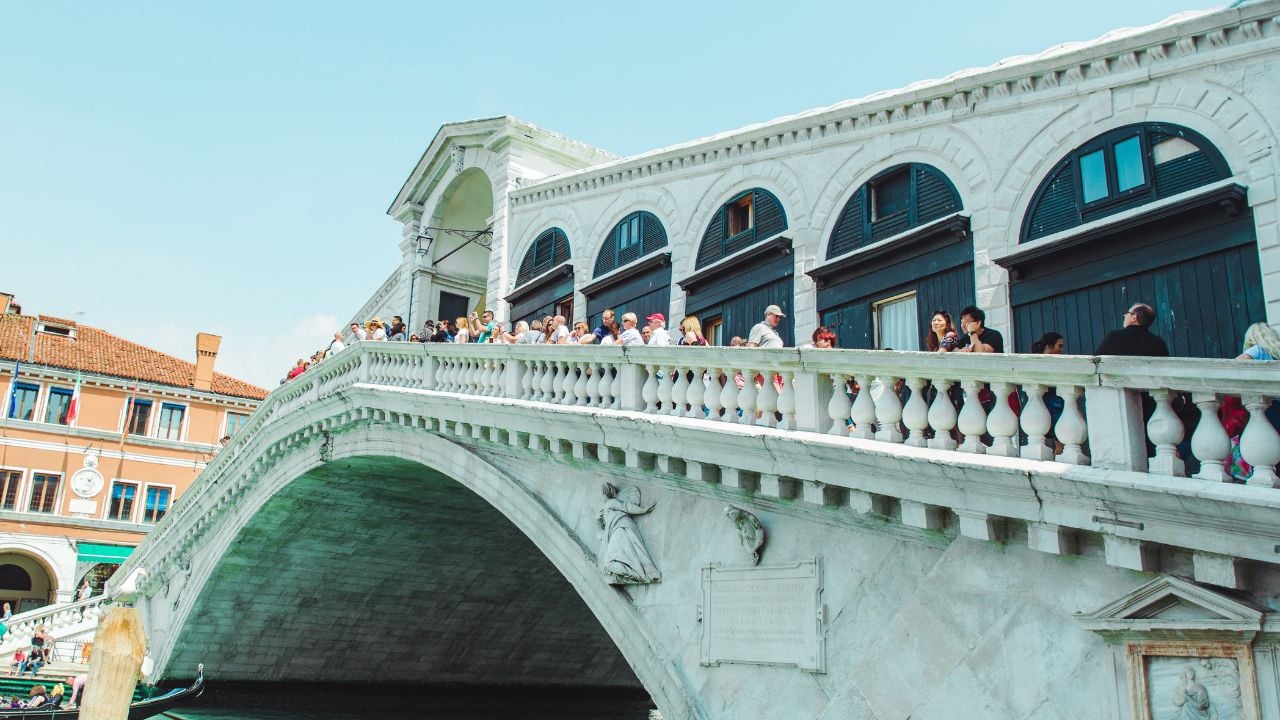
Venice remains the most theatrical example because it has turned overtourism into an actual entry-charge experiment. The city’s official Access Fee portal says the 2026 fee starts on April 3 and applies only on selected days, generally during the busiest spring and early-summer windows, from 8:30 a.m. to 4:00 p.m. The aim is not to charge everyone all the time. It is to target the crush periods when the historic center gets swarmed by day visitors.
The pricing structure also pushes people to plan ahead instead of descending on the lagoon in a last-minute stampede. Venice’s official fee page says the charge is €5 when paid by the fourth day before arrival and €10 after that. In plain English, Venice is trying to make spontaneity a little more expensive when spontaneity arrives in giant crowds.
2. Barcelona Is Turning the Hotel Bill Into a Housing-and-Crowds Argument
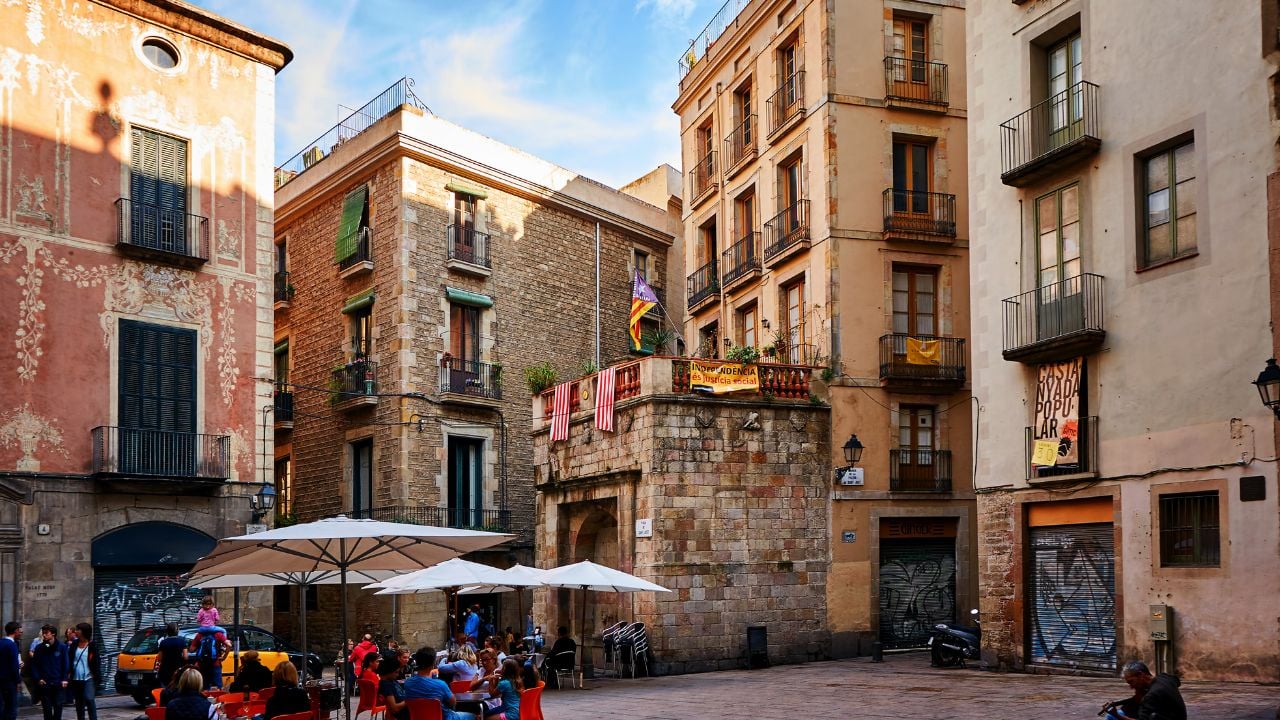
Barcelona’s approach is less about a gate and more about a steadily fatter overnight bill. Catalonia’s official 2026 tax sheet says that from April 1, 2026, visitors staying in Barcelona city can face combined regional and city charges of €12 a night in a five-star hotel, €8.40 in a four-star hotel, and €9.50 in a tourist apartment. The same sheet shows Barcelona city cruise rates of €9 for stays over 12 hours and €11 for stays of 12 hours or less. That is no longer a rounding error tucked into the bottom of a receipt.
The politics behind the increase are very much part of the story. Reuters reported in February 2026 that Catalonia doubled the tourism tax in a move framed as a way to regulate visitor numbers and help finance affordable housing, with a quarter of the revenue intended for housing policy. After years of resident anger over overcrowding and rents, Barcelona’s tax is no longer just a travel-budget issue. It is also a local pressure valve disguised as a hotel surcharge.
3. Greece Is Targeting Cruise Pressure Where It Hurts Most
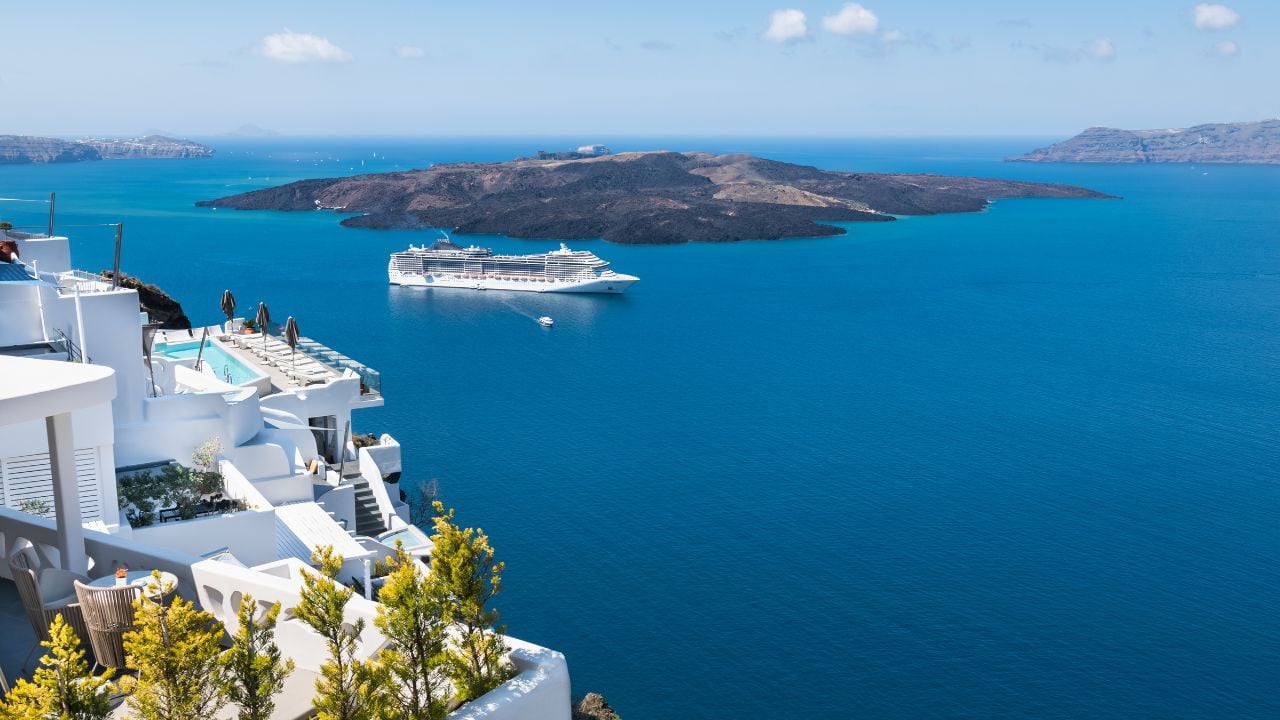
Greece chose a very specific pain point: cruise crowds piling into islands that were already groaning in summer. Reuters reported in 2024 that the government planned a €20 levy on cruise visitors to Santorini and Mykonos during peak season specifically to address overtourism. By summer 2025, cruise operators were already warning passengers that the new Greek government fee had come into force.
The current fee structure is seasonal and destination-based. MSC’s passenger guidance says that from June 1 to September 30 the fee is €20 per person in Mykonos and Santorini and €5 at other Greek ports, with lower charges in the shoulder and winter seasons. The message from Athens is fairly clear: the busiest islands in the busiest months are no longer supposed to feel like free-for-all parking lots for floating cities.
4. Edinburgh Is Joining the Club in 2026
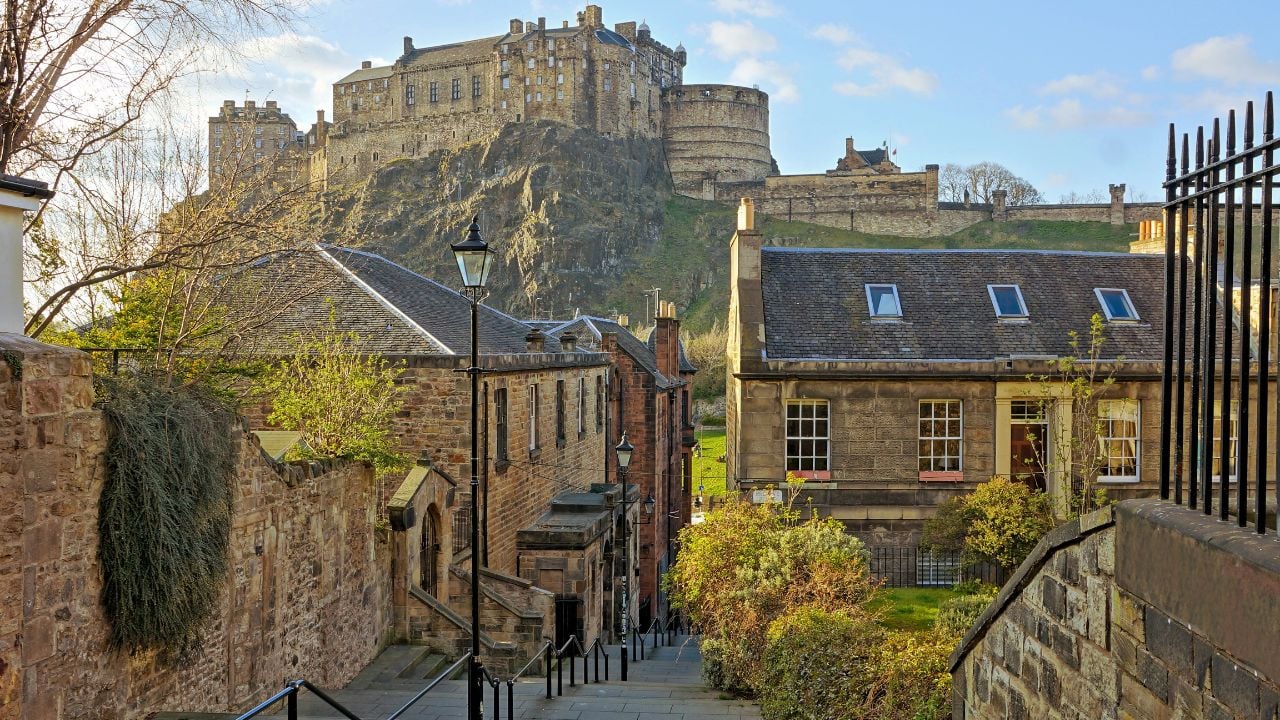
Edinburgh’s levy is different from the Mediterranean examples, but it belongs to the same broader movement. The City of Edinburgh Council says its Visitor Levy is a 5% charge on paid overnight accommodation, applied before VAT, capped at the first five nights, and due on stays from July 24, 2026 onward, unless the stay was booked and paid for before October 1, 2025. It applies across hotels, self-catering apartments, hostels, guest houses, short-term lets, and several other forms of paid overnight accommodation.
The council is not pretending the money is just a handy little bonus. Its official levy page says the goal is to sustain public services, infrastructure, culture, heritage, and responsible tourism in a city that wants to remain attractive to both residents and visitors. That is the polite civic version. The underlying message is simpler: if millions of people want to use Edinburgh as a festival-and-castle stage set, the city wants them helping to pay for the wear and tear.
5. The Wider Message Is That Europe Is Done Pretending Crowds Are Free
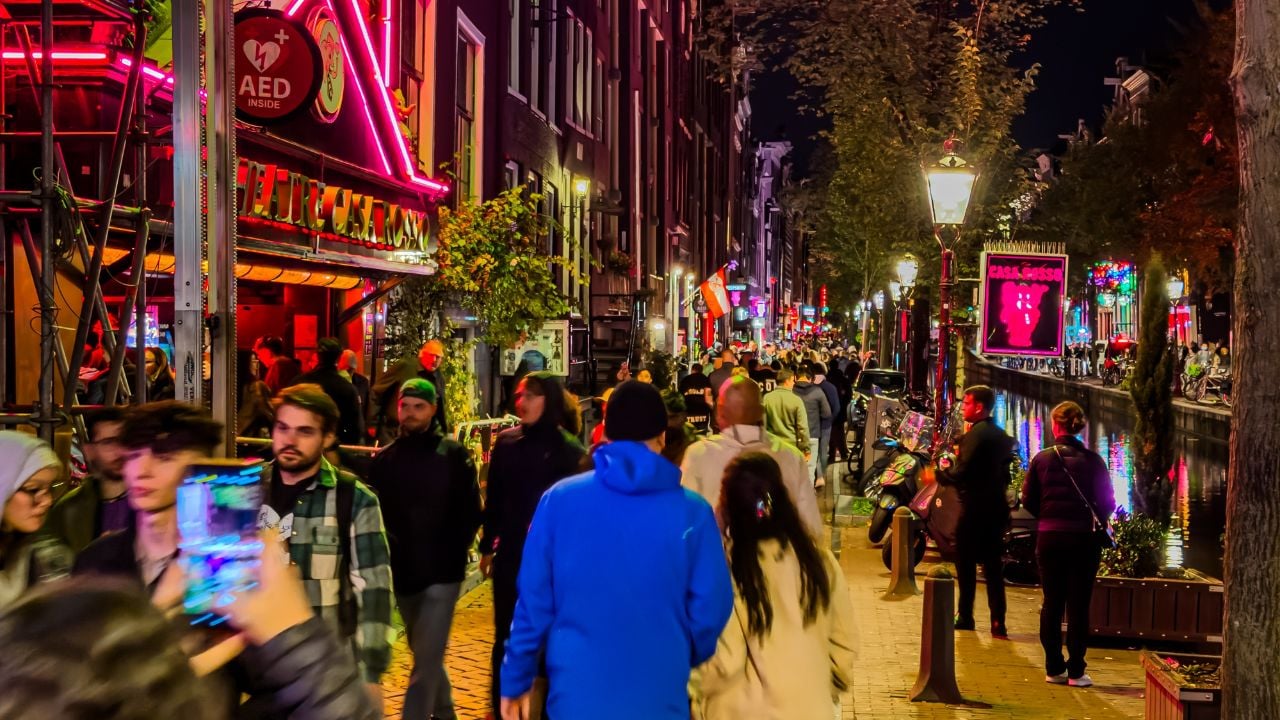
Not every city is inventing a brand-new fee this year, but the trend line is obvious. Amsterdam’s official tax page shows an overnight tourist tax of 12.5% of the room price, excluding VAT, plus a €15 day tourist tax for cruise passengers. On top of that, Reuters reported in 2024 that Amsterdam moved to ban new hotel construction unless another hotel closes, the number of sleeping places does not increase, and the replacement is an improvement. That is what advanced-stage anti-overtourism policy looks like: not one measure, but a whole toolkit.
For travelers, the practical lesson is not that Europe is closed. It is that you need to budget more carefully and stop assuming the old cheap-access model still applies in the most pressured places. For destinations, the gamble is whether higher fees will actually change behavior or simply raise more money while the crowds keep coming. Either way, the era of treating overtourism as somebody else’s problem is looking shakier by the month.