

The war in Ukraine has turned the country into an unlikely laboratory for drone warfare. Now Kyiv is trying to turn that hard-earned experience into something more tangible: money, technology, and strategic partnerships in the Middle East.
Speaking recently, Ukrainian President Volodymyr Zelenskiy said Ukraine is offering its expertise in countering Iranian-designed drones to several Middle Eastern countries. In return, Kyiv wants compensation and access to advanced technology.
It is a striking twist in the geopolitics of modern warfare. Ukraine, which has spent more than two years defending its skies from waves of Iranian-built drones deployed by Russia, now finds itself in a position to export its knowledge.
And there is plenty of knowledge to export.
Lessons from the Front Lines
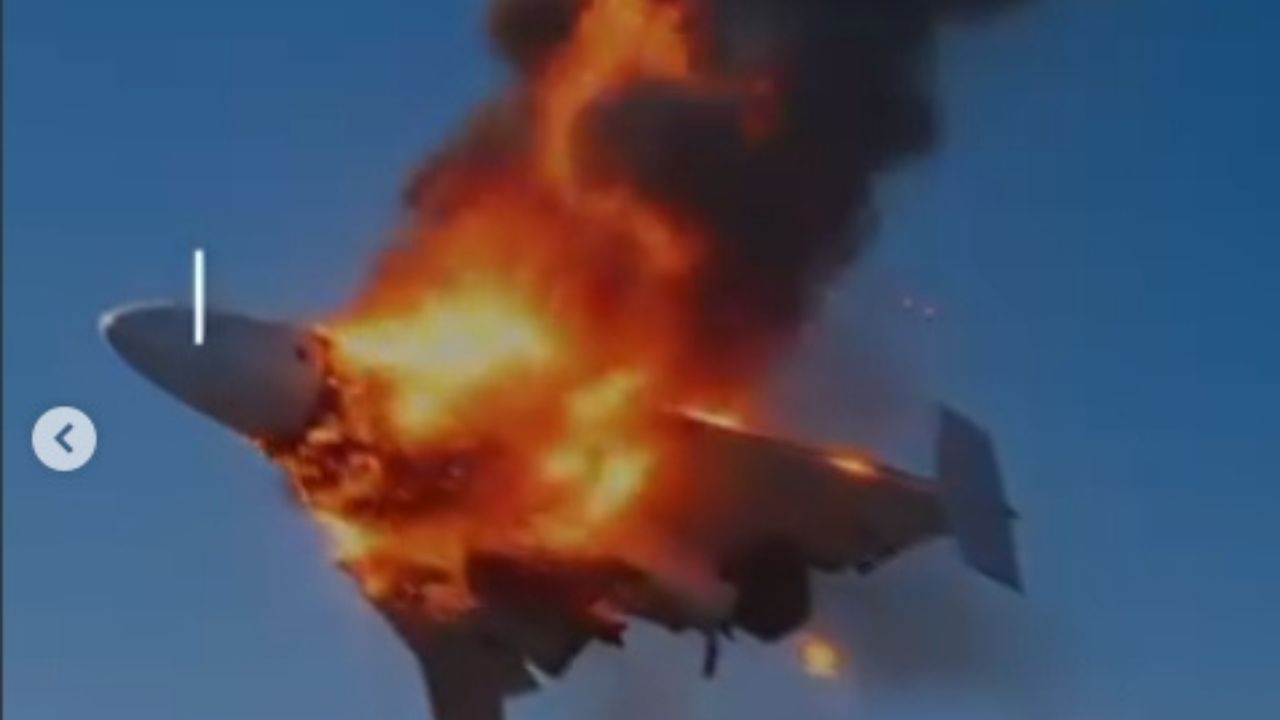
Since Russia’s invasion, Ukrainian forces have been battling the notorious Shahed drone. These long-range loitering munitions, supplied by Iran, have become a defining feature of the war. They buzz across the sky like oversized lawnmowers before diving toward infrastructure, cities, and military targets.
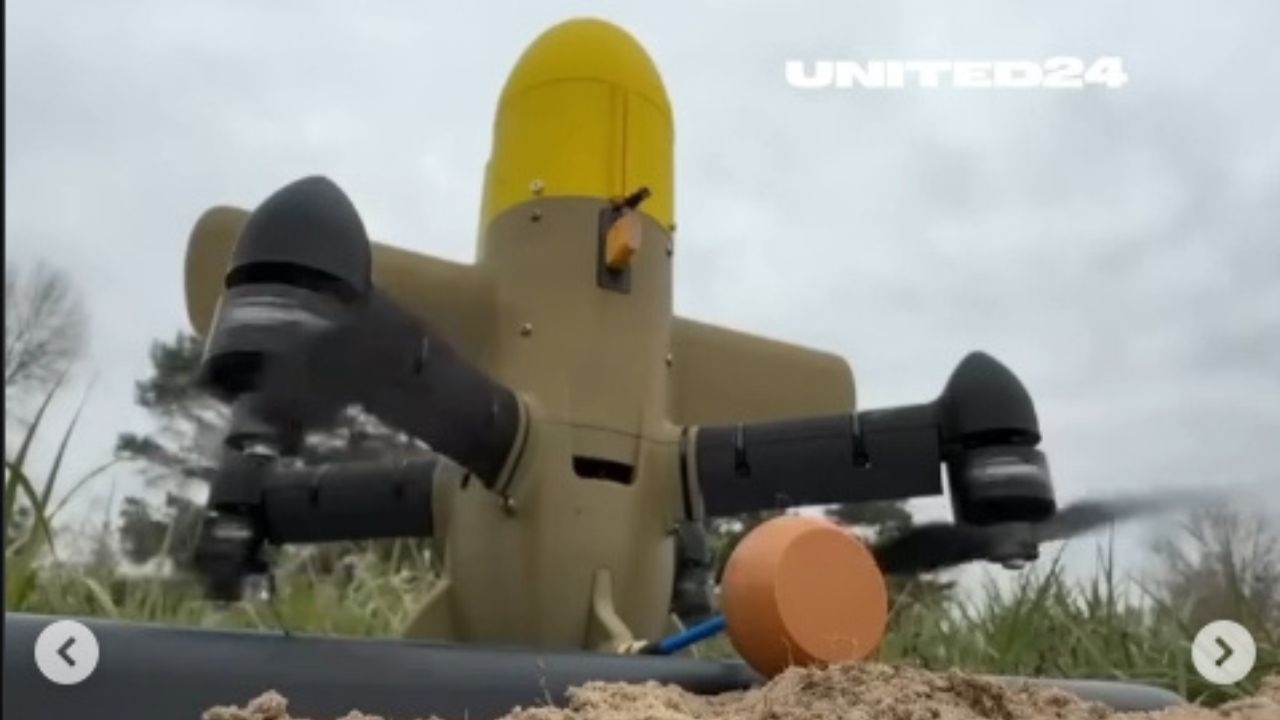
To stop them, Ukraine has built an improvised but highly effective system. It mixes radar networks, mobile anti-aircraft teams, electronic warfare, and even machine gun units hunting drones from pickup trucks. When a threat appears, a web of sensors and spotters springs into action.
It is not elegant. It is not glamorous. But it works.
Now several Middle Eastern countries want to learn the same tricks.
According to Zelenskiy, Ukraine has already sent specialists to multiple locations in the region. Teams have visited Qatar, Saudi Arabia and the United Arab Emirates, as well as a United States base in Jordan. Their mission is simple: assess drone defense systems, share lessons learned from the battlefield, and demonstrate ways to stop Iranian-style attacks.
A Knowledge Transfer, not a Combat Mission
Importantly, Kyiv insists it is not taking part in combat operations in the region. Ukraine is not at war with Iran. What it is offering is technical knowledge and practical experience gained under relentless real-world conditions.
Think of it as the difference between a driving simulator and the Nürburgring.
The experience Ukraine has gained is difficult to replicate in training exercises. For months on end, its air defenses have had to respond to waves of drones flying at low altitude, often at night and sometimes in swarms. The result is a crash course in modern air defense that few countries can match.
For Middle Eastern states that worry about drone strikes against oil facilities, military bases, or cities, that expertise suddenly looks very valuable.
Ukraine, however, is not offering it for free.
Turning Tactics into Currency
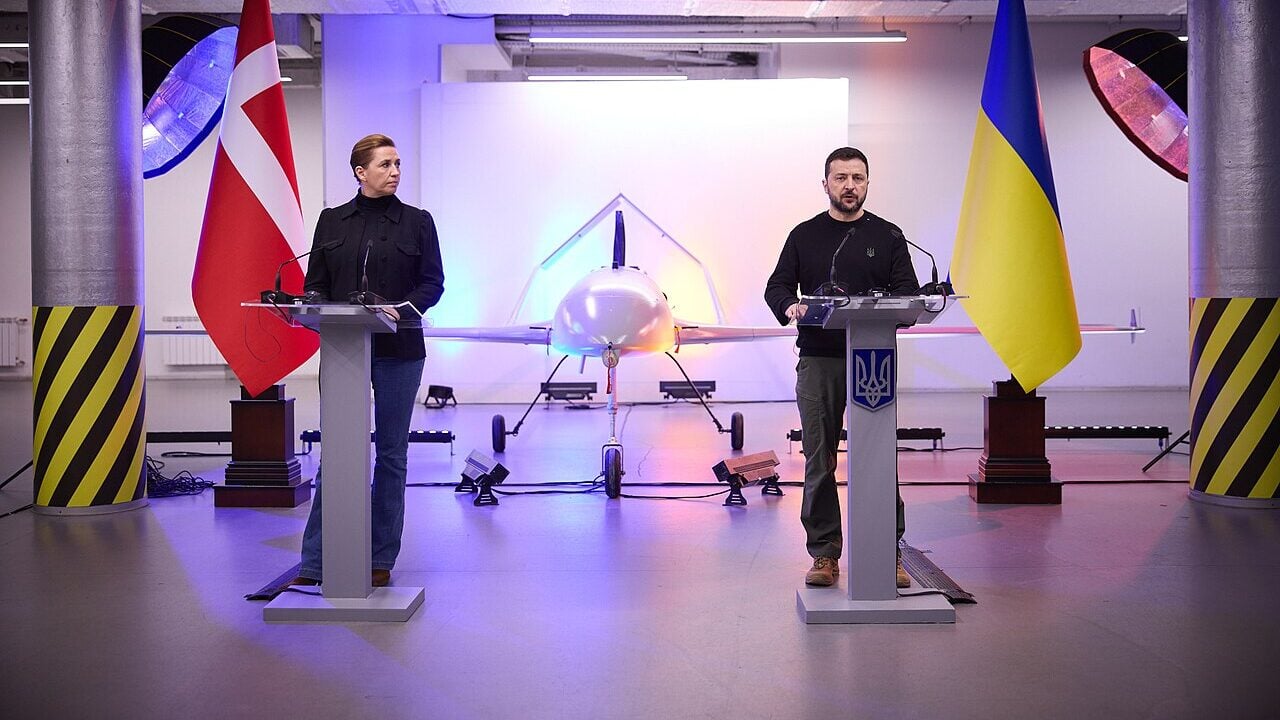
Zelenskiy made it clear that Kyiv expects tangible benefits in return. Financial support is one possibility. Technology transfers are another. Ukraine is particularly interested in gaining access to advanced defense and industrial technologies that could strengthen its own military capabilities.
In other words, Kyiv wants to turn battlefield know-how into strategic currency.
The move also reflects a broader concern. As tensions escalate in the Middle East and the United States confronts Iran, Ukraine fears the global spotlight could drift away from its own war with Russia. Military aid, political attention, and defense resources are finite. If another major conflict demands them, Ukraine could find itself competing for support.
By offering drone defense expertise, Kyiv is positioning itself as part of the solution rather than a distant observer.
It is also a reminder that modern warfare is becoming a global exchange of ideas as much as weapons. Lessons learned over the skies of Kyiv or Odesa can quickly become relevant to oil fields in the Gulf.
War, grim as it is, tends to accelerate innovation. Ukraine is now attempting to export that innovation, turning survival tactics into diplomatic leverage and perhaps a new stream of strategic partnerships.
Sources: Reuters