Some coastal places become victims of their own photographs. A cove gets edited into impossible turquoise, a bay is framed from one flattering angle, and suddenly reality has no chance. Spain has several stretches of sand that survive that test extremely well. Their water really is that clear, their settings really are that dramatic, and, in several cases, the official tourism pages sound almost amused to be confirming what the pictures already suggest. These are not beaches that rely on filters to seem desirable. In person, they usually look even more convincing.
For this list, the strongest picks are not simply famous. They also have something structural working in their favor, whether that means protected status, controlled access, dramatic low-tide geology, a wild setting that has not been over-domesticated, or a city backdrop elegant enough to make an ordinary seaside walk feel cinematic. In other words, these are beaches where the scenery is doing the heavy lifting, not the camera.
1. Ses Illetes, Formentera
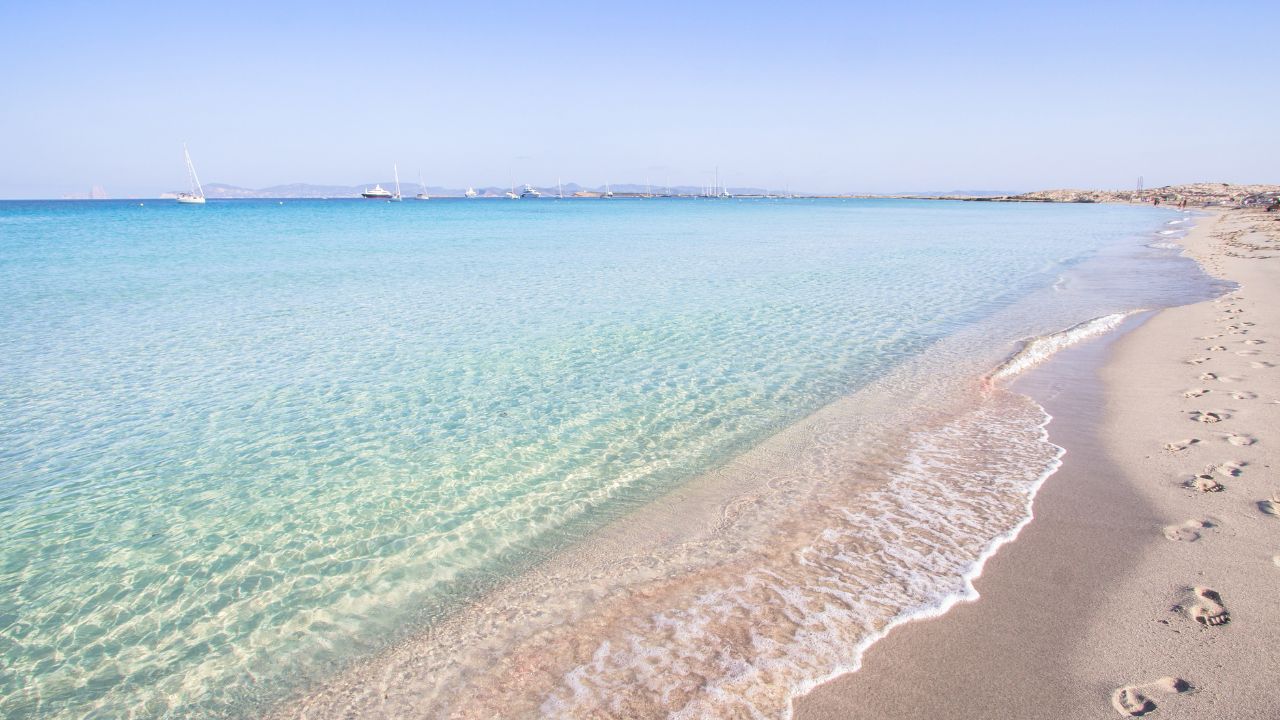
Ses Illetes looks like someone tried to smuggle the Caribbean into the Balearics and nearly got away with it. Spain’s official tourism site highlights its white sand and crystal-clear water, while Formentera’s own tourism page calls it one of the island’s most spectacular beaches. That narrow northern setting near the Trucadors peninsula does a lot of the visual work before you even step into the water.
There is also a practical reason it stays so photogenic. Formentera says entry into the natural park by car or motorbike requires a small fee, while access on foot or by bicycle is free. A beach that makes people slow down before arrival usually knows exactly what it is protecting.
2. Rodas Beach, Cíes Islands, Galicia
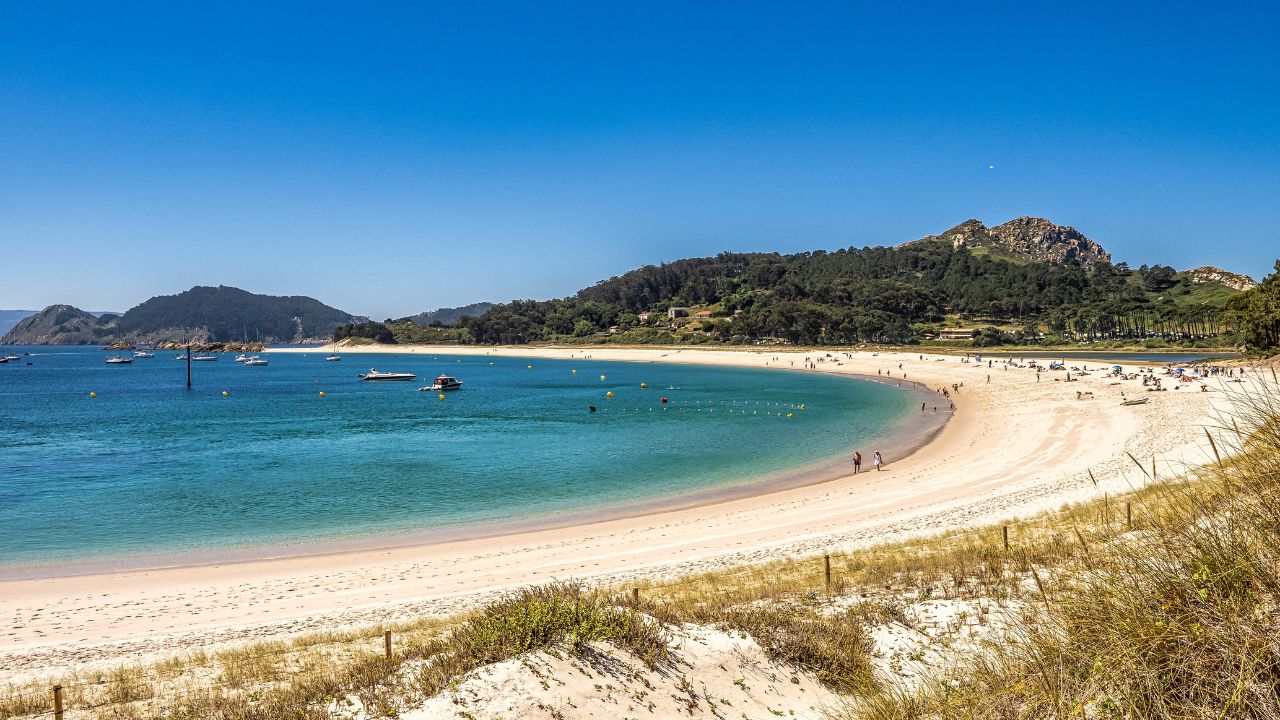
Rodas has been collecting extravagant praise for years, and annoyingly, the scenery supports every bit of it. Galicia’s official tourism site describes it as a shell-shaped beach with fine white sand and turquoise water and notes that catamarans reach the archipelago from Vigo, Cangas, and Baiona in high season. That is a very strong opening argument for any beach.
The protected setting is part of the magic. The official authorization portal says visitors need prior permission during Easter and from May 15 through September 15, and day visitors must obtain that authorization before arranging transport. That extra layer of planning may sound mildly annoying until you remember the alternative is loving a place to death.
3. Playa de Bolonia, Tarifa
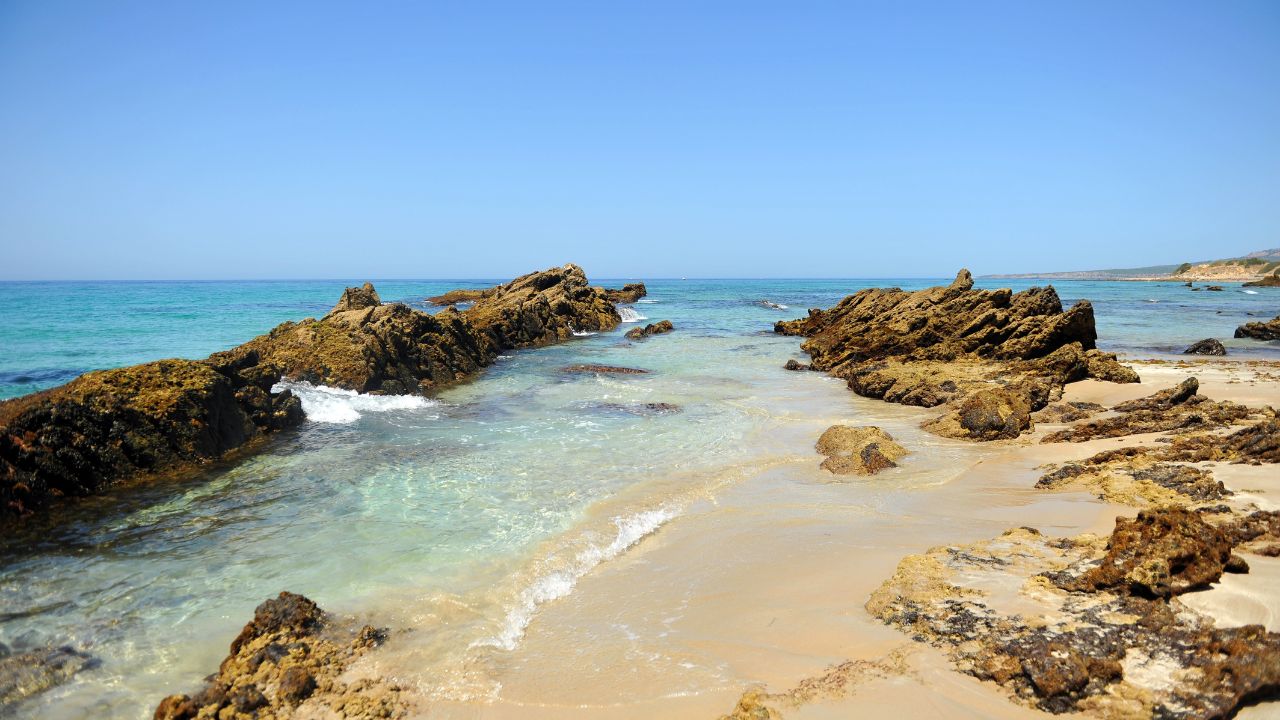
Bolonia is what happens when a beach refuses to become tidy. Spain’s tourism site describes it as an unspoiled white-sand beach in an extremely beautiful setting, notes the enormous dune, and says you can even see Africa from here on a clear day. It also places the remarkably well-preserved Baelo Claudia archaeological site right next door, which is a wonderfully unfair advantage. Most beaches get one trick. Bolonia shows up with several.
The mood here is less polished resort and more elemental spectacle. Wind is part of the identity, one section is naturist, and the overall setting keeps a slightly wild edge that photographs well precisely because it has not been overly domesticated. Bolonia does not look pretty in a delicate way. It looks huge, bright, and gloriously a little unruly.
4. Cala Macarella, Menorca
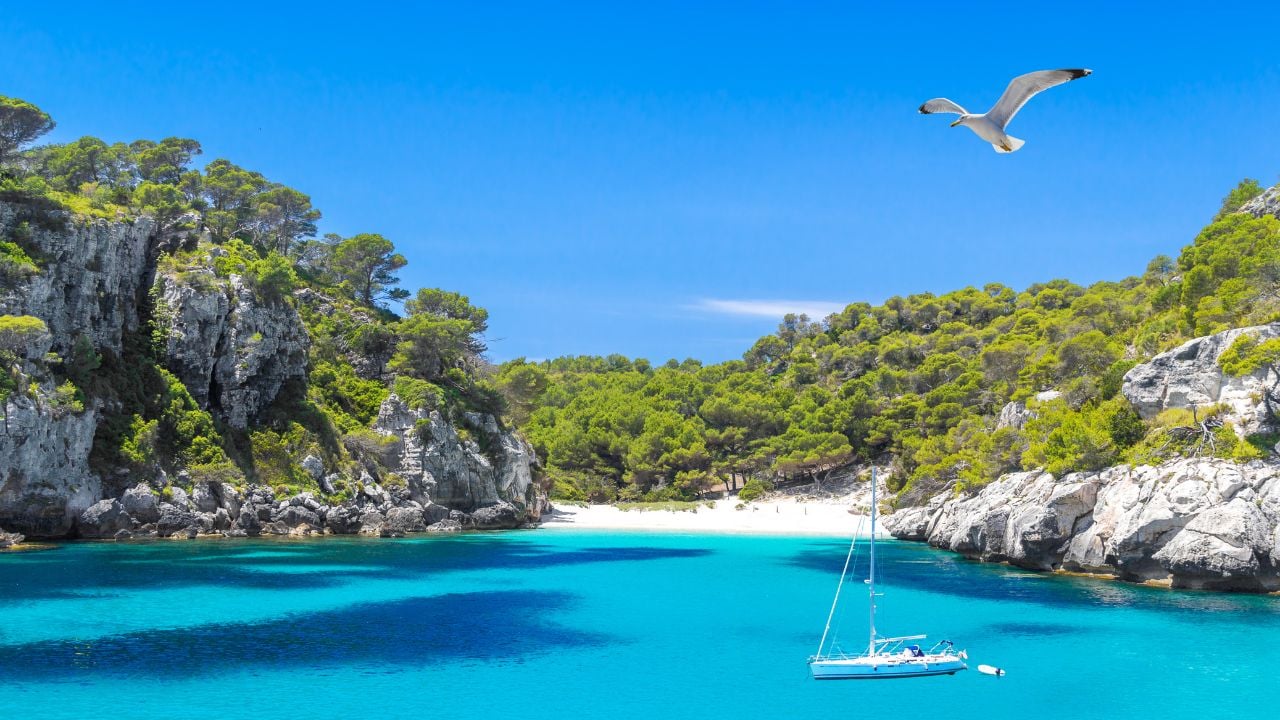
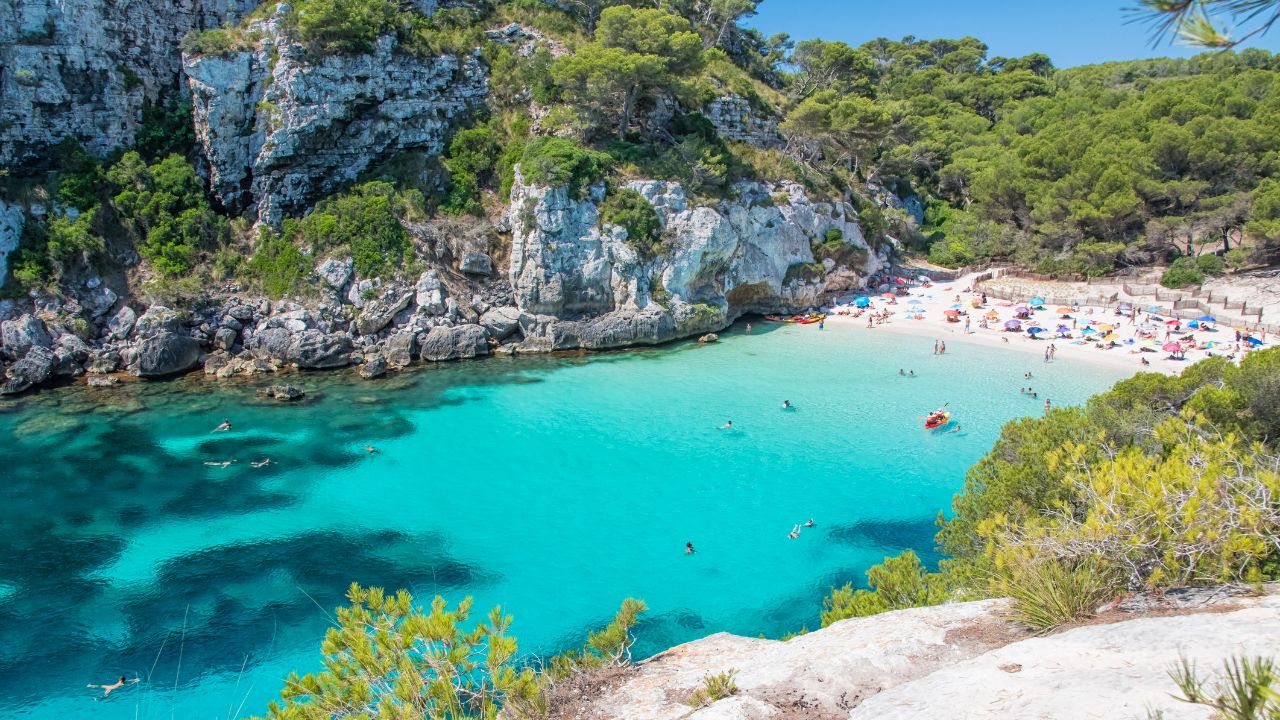
Macarella is the kind of cove that makes people overuse the word “turquoise” and still somehow undersell it. The Balearic Islands’ official tourism portal describes it as an unspoiled, isolated beach bordered by cliffs and dense pine forest, with crystal-clear water and shallow, light-filled sea. It also places the cove between Cala Galdana and nearby Macarelleta, which helps explain why this part of Menorca keeps appearing in so many dream-trip mood boards.
The beauty comes with a small reality check. The same official page says summer access is controlled, and once the car park is full, no more visitors are admitted. From there, you still have to walk to the beach. That may sound inconvenient, but it is also one reason the photos keep looking honest. A famous cove without some kind of pressure valve usually turns into a beach towel convention.
5. La Concha, San Sebastián
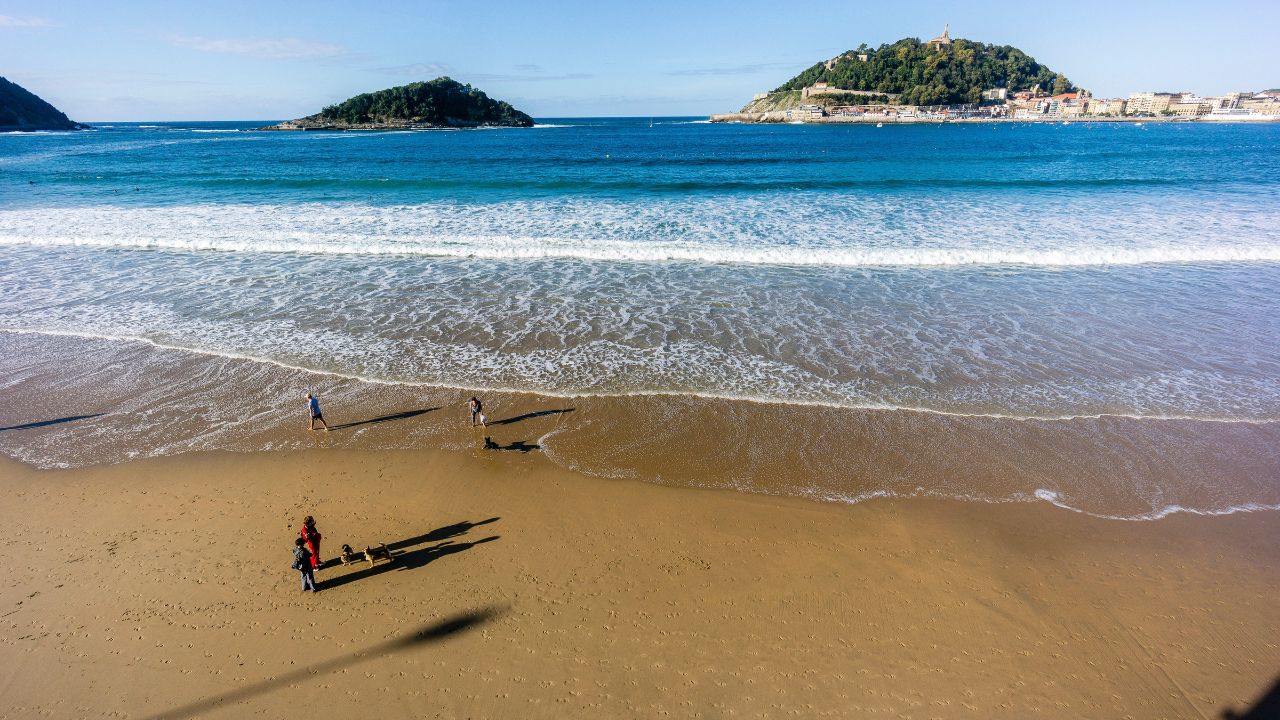
La Concha proves that a city beach can still feel outrageously elegant. San Sebastián’s official tourism site calls it one of the most famous urban beaches in Europe and describes its setting in the center of the city facing Santa Clara Island. The same page highlights its fine golden sand, long promenade, and the mountains that help protect the bay. This is the rare urban shoreline that looks refined instead of compromised.
History adds polish rather than clutter. San Sebastián tourism says Isabel II made La Concha fashionable in 1845, after sea bathing was recommended for her health, and the city’s elegant seaside identity grew from there. The promenade, railings, and Belle Époque atmosphere still give the whole bay a dressed-up personality. People post La Concha because it is photogenic. Visitors remember it because the camera is not exaggerating.
6. As Catedrais, Galicia
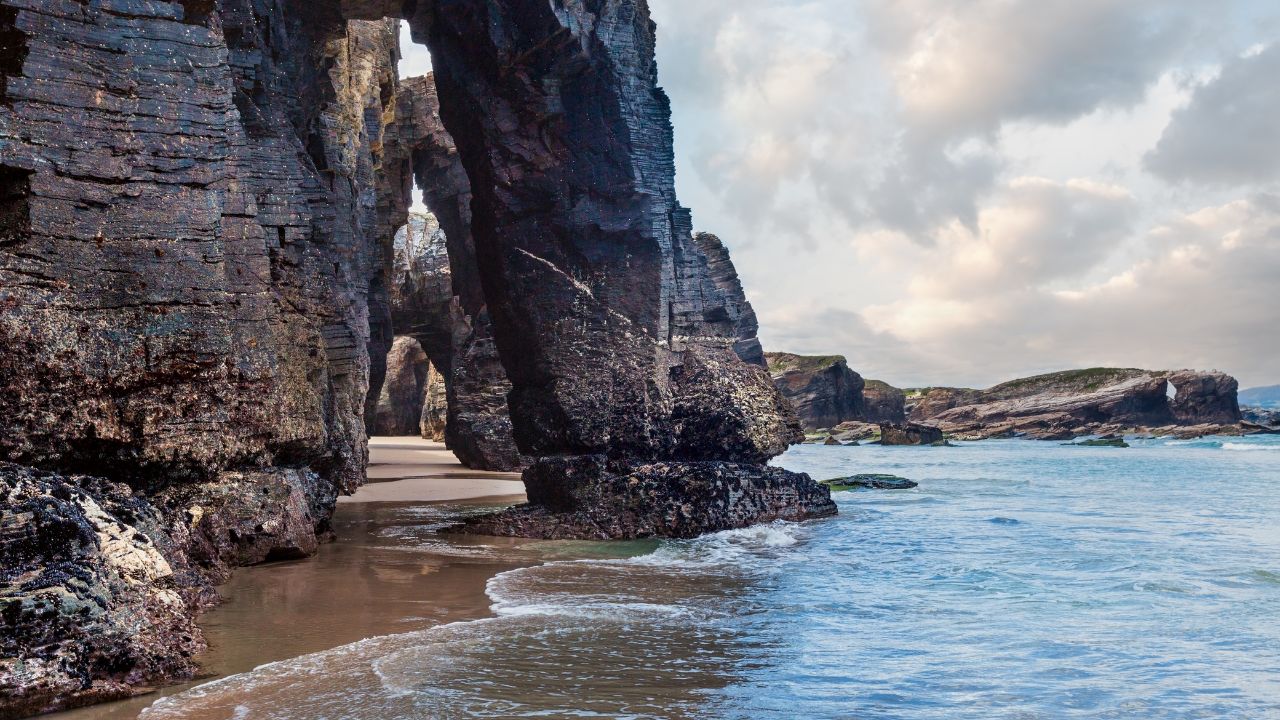
As Catedrais is less about lounging and more about geological theater. Spain’s official tourism page says this natural monument is famous for rock formations carved by wind and sea, with caves and arches that can be explored when the tide is out. Galicia’s tourism site makes the low-tide timing part of the whole experience, because that is when the beach turns into something close to a stone fantasy set.
This is one of those places where planning is not optional. Spain’s official page says booking is required in July, August, and September, and during Easter Week, while Galicia also emphasizes that the real payoff comes at ebb tide. The result is worth the effort. As Catedrais looks dramatic in photographs, but in person, it has the useful decency to look even stranger.