The electric car market is better than it used to be, but that does not automatically make an EV the smartest answer for every buyer in 2026. Kelley Blue Book says the average new vehicle transaction price in February reached $49,353, while the average new EV transaction price in January was $55,715. That gap matters because it frames the whole conversation before anyone even starts comparing charging networks, winter range, or apartment parking.
That is exactly where hybrids start to look so convincing. They still give buyers lower fuel use, quieter around town driving, and an easier path through stop and go traffic. At the same time, they avoid the biggest friction points that still hold some shoppers back from going fully electric. A hybrid does not ask for home charging, a route plan built around fast chargers, or a second thought before a last minute long trip. For one car households, renters, frequent highway drivers, and families who simply want less hassle, that practicality still carries real weight.
This article is not arguing that EVs are a bad idea. It is arguing something more useful. For a lot of people, especially right now, the smartest buy is still the car that blends electrified efficiency with gasoline convenience. That is why these ten models matter. They are the hybrids that best combine price, mpg, usable space, strong specifications, and day to day flexibility in ways many EVs still struggle to match.
The picks were chosen with a simple standard. Each one had to make clear practical sense in the real world. That means strong efficiency, reasonable pricing, enough power to feel comfortable in modern traffic, and a body style that solves a real need, whether that is commuting, family hauling, cargo duty, or mixed city and highway use. In other words, these are not just good hybrids. They are the hybrids that currently make the strongest case for choosing a middle path instead of going fully electric.
Why Hybrids Still Have A Clear Window Right Now

The useful way to judge a hybrid in 2026 is not to ask whether it is more advanced than an EV. That is the wrong test. The better question is whether it solves more problems for the kind of buyer who is actually shopping today. A hybrid can still fuel up anywhere, still cover long distances without planning, and still deliver a big improvement in efficiency over a normal gas model. That matters because convenience is part of value, not something separate from it.
It also helps that the current hybrid market is stronger than it used to be. These cars are no longer defined only by modest power and bare bones packaging. Toyota’s Camry now comes only as a hybrid and makes up to 232 horsepower. Honda’s Civic Hybrid offers 200 horsepower. Even family focused choices like the Sienna and CR V Hybrid now deliver the sort of output that makes everyday driving feel relaxed instead of compromised.
That is the real point of this list. It is built around hybrids that feel complete, not transitional. They are efficient enough to save real money, practical enough to serve as primary vehicles, and strong enough in traffic that they do not ask the driver to accept a penalty just for choosing the sensible option.
Toyota Camry Hybrid
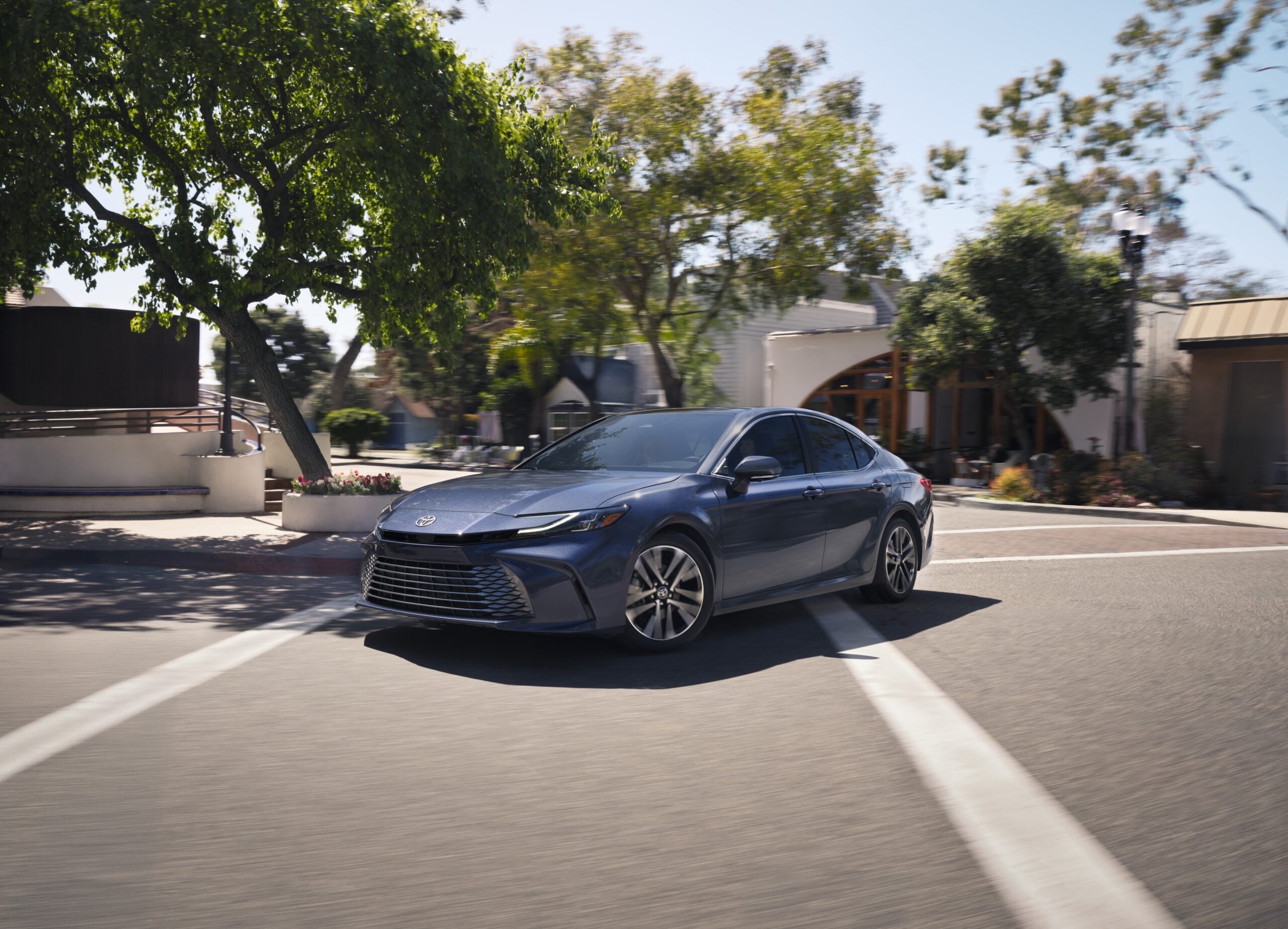
The Camry now makes the hybrid argument almost too easy. Toyota moved the entire 2026 Camry lineup to hybrid power, which says a lot about where the company thinks mainstream sedan buyers are heading. The car starts at $29,100, offers up to 51 combined mpg, and delivers up to 232 net combined horsepower with all wheel drive available. That is a very strong mix for a midsize sedan that still sits comfortably below the current average new vehicle transaction price.
What makes the Camry so persuasive is how little sacrifice it asks for. It still feels like a proper midsize family sedan with a roomy cabin, a useful trunk, and easy highway manners. Yet it also returns fuel economy that would have sounded remarkable for this segment not very long ago. For buyers who spend the week commuting, then head out for longer weekend drives without wanting to think about charging, the Camry Hybrid hits a very sweet spot. It is efficient, familiar, and straightforward. That makes it one of the clearest examples of a hybrid that simply fits modern life better than a lot of EVs do right now.
Toyota Prius

The Prius still earns its place because it remains the cleanest pure efficiency play in the mainstream hybrid world, but it no longer feels like a penalty box built around mpg bragging rights. Toyota starts the 2026 Prius at $28,550, gives front wheel drive models 194 horsepower, and quotes up to 57 combined mpg. All wheel drive models step up to 196 horsepower and still retain very strong efficiency.
That matters because the Prius now makes a far broader case than it used to. It is still the obvious choice for buyers who want to spend as little as possible on fuel, but it also looks sharper, feels more modern, and carries enough power to make normal merging and passing feel easy. For urban commuters, rideshare drivers, and anyone who racks up a lot of miles without access to dependable home charging, the Prius is still one of the most rational cars on sale. It may not have the excitement of a quick EV launch, but it answers the more important question for many buyers: how do I cut fuel costs dramatically without changing the rest of my life?
Honda Civic Hybrid

Honda took a different path with the Civic Hybrid, and that is a big reason it belongs here. Instead of treating the hybrid as the purely frugal version, Honda made it one of the most appealing versions of the Civic period. The 2026 Civic Sedan Hybrid starts at $29,395, the hatch begins at $30,595, and the powertrain delivers 200 horsepower. Fuel economy remains excellent at 50 city and 47 highway for the sedan, and 50 city and 45 highway for the hatchback.
That blend of power and efficiency is exactly why the Civic Hybrid makes so much sense right now. It does not feel like the compromise choice. It feels like the smart one. Small enough for easy city use, polished enough for long drives, and quick enough to avoid the sluggish character that once defined a lot of hybrids, it serves a broad range of buyers unusually well. The hatchback version is especially compelling because it adds everyday cargo flexibility without giving up the strong mpg story. For readers who want a compact car that feels modern, efficient, and genuinely pleasant to drive, this is one of the best arguments for staying with a hybrid instead of jumping straight to an EV.
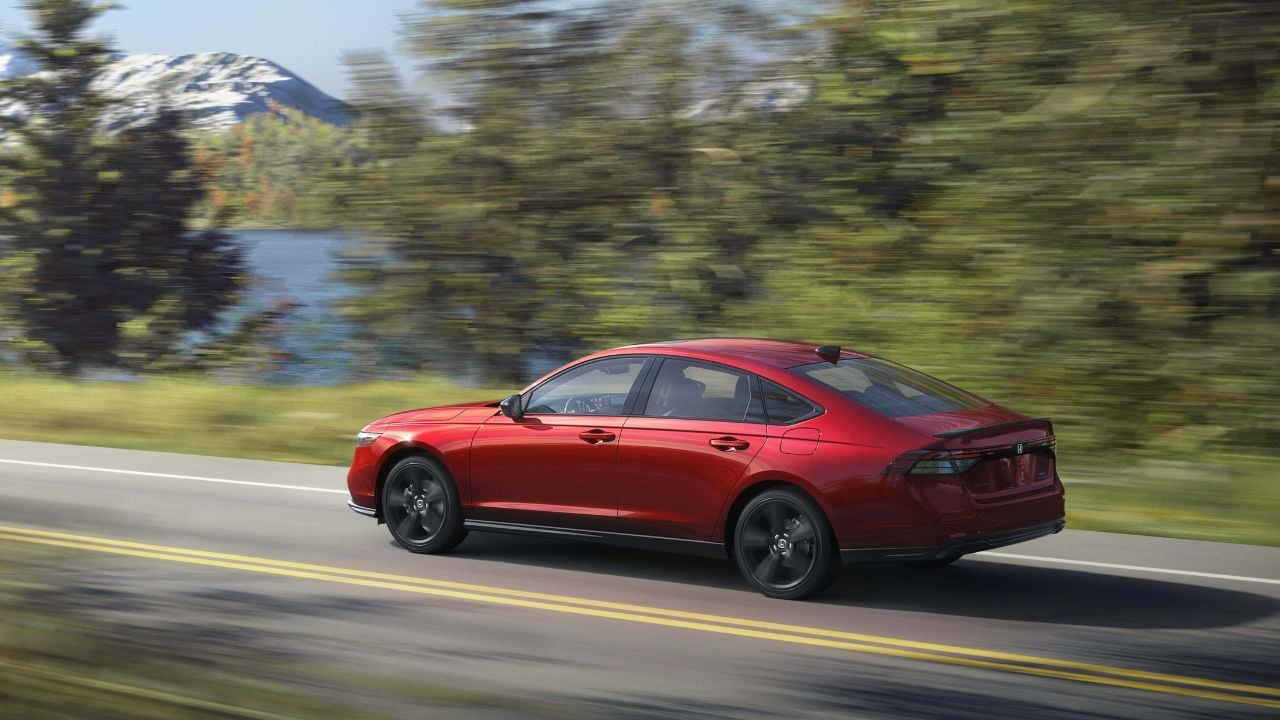
Honda Accord Hybrid
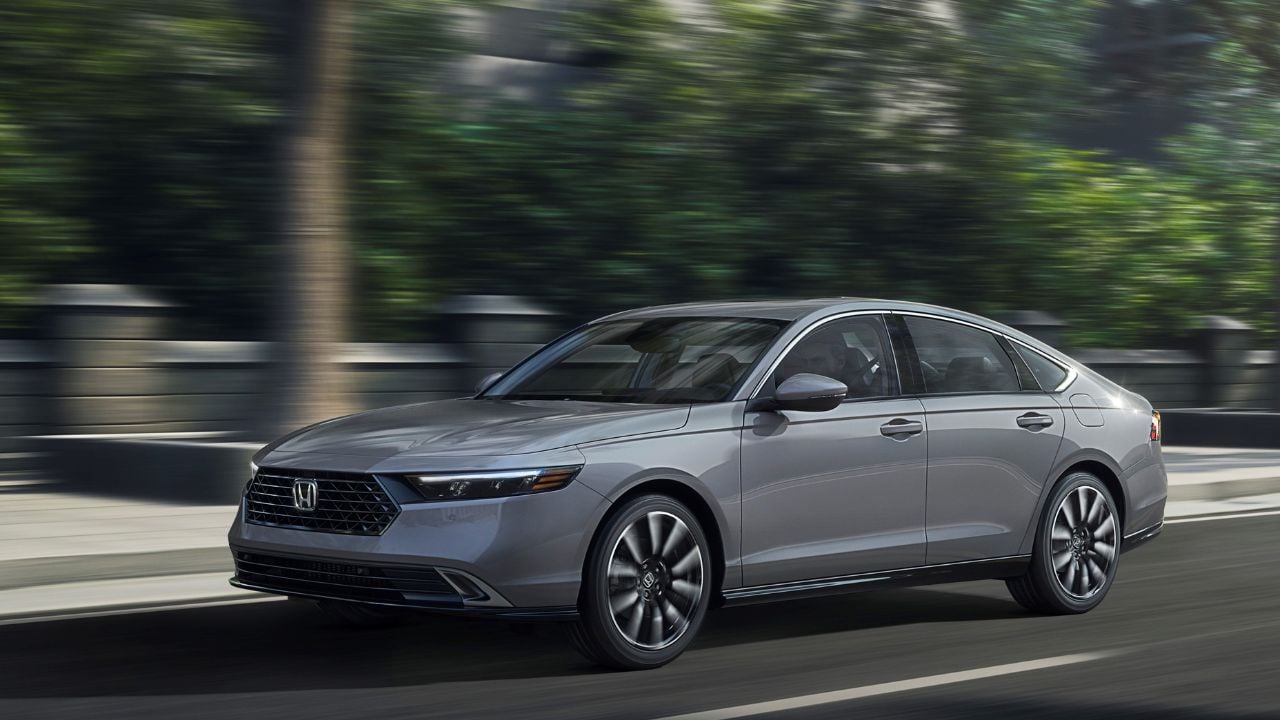
The Accord Hybrid makes its case through maturity. This is the car for buyers who want more room, a calmer highway ride, and a more grown up overall feel than a compact sedan offers, but still want fuel economy that makes daily ownership noticeably cheaper. Honda prices the 2026 Accord Hybrid from $33,795, rates it at 51 city and 44 highway mpg, and gives it a 204 horsepower hybrid system.
That combination matters in the real world because midsize sedans still do a lot of jobs very well. They work for commuting, family duty, client visits, airport runs, and long interstate miles without asking for the bulk of an SUV. The Accord Hybrid also benefits from Honda’s reputation for getting the basics right, including seating position, visibility, and cabin usability. For a buyer who wants more space than a Civic or Prius but does not want to stretch into a pricier EV sedan with charging concerns attached, the Accord Hybrid lands in an unusually practical place. It is the kind of car that solves a lot of ordinary transportation problems quietly, and that is exactly why it deserves a place on this list.
Toyota RAV4 Hybrid
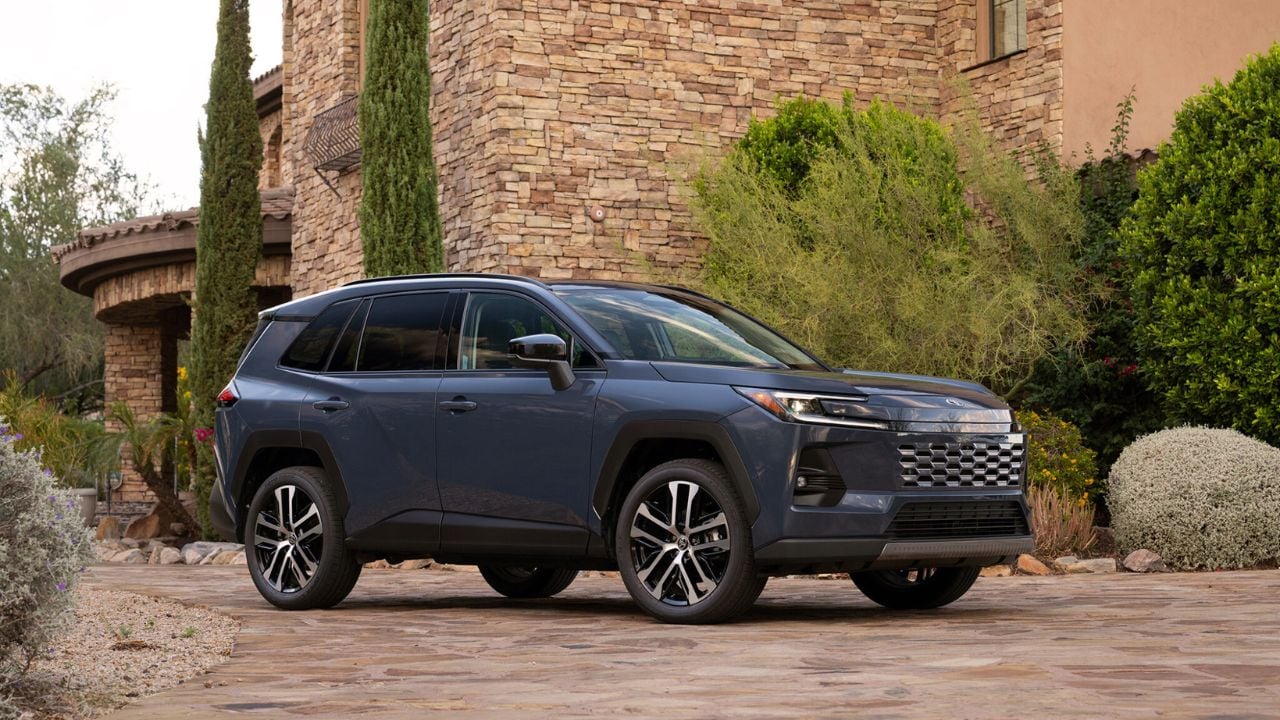
Crossovers still dominate the market, so any article like this needs at least one answer for the buyer who does not want a sedan at all. The 2026 RAV4 Hybrid is one of the strongest. Toyota starts the all new hybrid only RAV4 at $31,900, with front wheel drive models making 226 net combined horsepower and returning up to 44 combined mpg. All wheel drive versions rise to 236 net combined horsepower.
The practical appeal is obvious. This is a compact SUV with the seating position, cargo flexibility, and weather ready feel that many buyers now consider nonnegotiable, but it does the job without asking them to pay EV money or plan every long trip around charging stops. That is why the RAV4 Hybrid makes more sense than many fully electric crossovers right now. It gives buyers the body style they already want, efficiency that is strong enough to matter every day, and the kind of refueling simplicity that still feels hard to beat for road trips, apartment living, and one car households. For broad readers, it may be the most universally understandable choice in this entire article.
Honda CR-V Hybrid

The CR-V Hybrid feels like the answer for buyers who want a compact SUV with a little more polish and a little less visual fuss. Honda prices the 2026 CR-V Hybrid from $35,630, gives it a 204 horsepower system, and rates it at 43 city and 36 highway mpg in front wheel drive form. Honda also now offers a TrailSport Hybrid, which adds a more adventure minded flavor without abandoning the hybrid mission.
That broadens its appeal in a useful way. The CR-V Hybrid is not trying to wow buyers with one giant headline number. Instead, it builds a strong case through balance. It has enough power for modern traffic, enough cabin room for family use, and enough efficiency to make a real dent in fuel costs over time. It also feels like one of the easiest hybrids here to recommend to someone who does not want their next vehicle to require any learning curve. That is part of what makes it a better fit than many EVs right now. The CR-V Hybrid asks for very little adjustment from the buyer, yet still gives back a lot in daily convenience and operating cost.
Ford Maverick Hybrid

The Maverick Hybrid deserves a place here because it solves a problem most EVs still do not solve particularly well at the price. Buyers who want a pickup, even a small one, usually need a vehicle that can do work without turning into a financial event. Ford starts the 2026 Maverick at $28,145, makes the 2.5 liter hybrid standard, and says the truck delivers an EPA estimated 42 mpg in the city. The hybrid setup also supports up to 1,500 pounds of payload in front wheel drive form, and current reviews peg output at 191 horsepower.
That is a very practical formula. The Maverick is compact enough to fit into normal suburban life and urban parking, but it still has a bed, real utility, and the sort of flexibility that makes owners invent reasons to use it. It also avoids one of the main tradeoffs many buyers still see in electric trucks, which is price. For a contractor, homeowner, cyclist, kayaker, or anyone who wants truck usefulness without full size truck fuel bills, the Maverick Hybrid still makes unusual sense. It feels less like a compromise and more like the obvious answer once you look at the numbers honestly.
Kia Sportage Hybrid
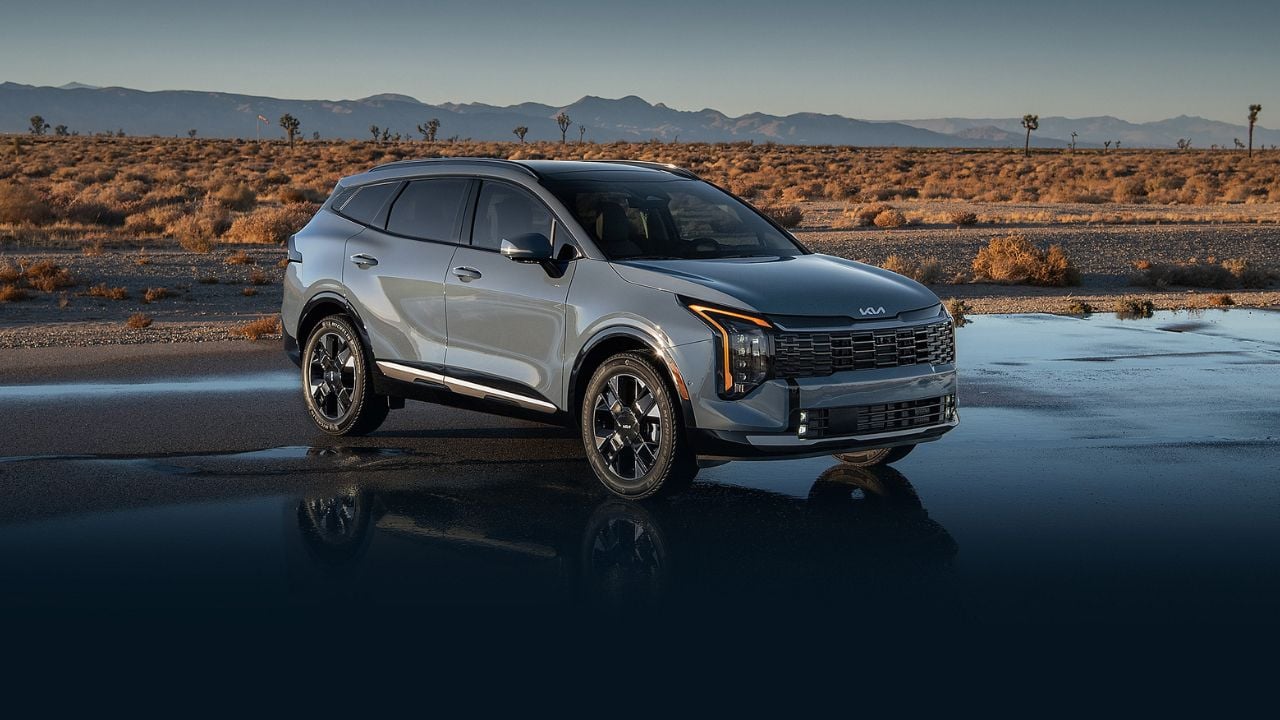
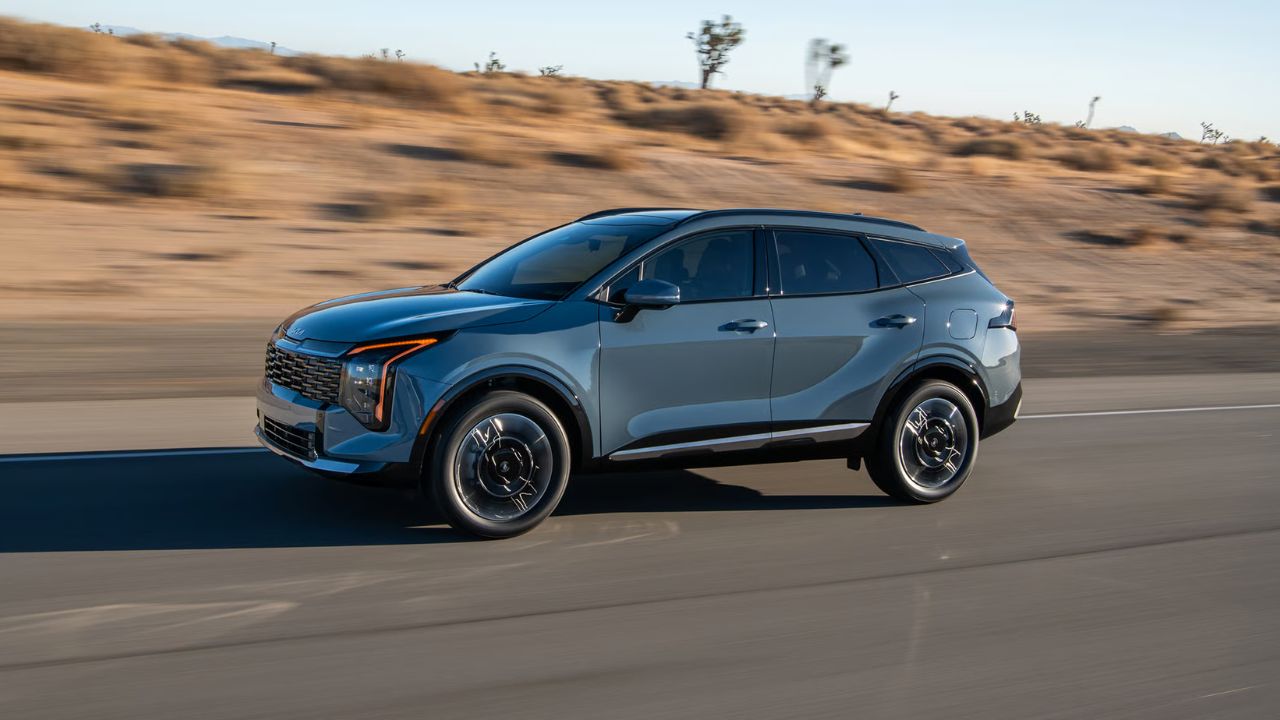
Kia’s Sportage Hybrid is the small SUV choice for buyers who want practicality with a little more visual freshness and a little less conservatism. The 2026 Sportage Hybrid starts at $30,490, delivers up to 42 combined mpg in LX form, and produces a class leading 232 horsepower according to Kia’s current U.S. specs. It also backs up the efficiency story with strong cargo room and rear seat space for the class.
That is what makes the Sportage Hybrid so relevant in this discussion. It offers the body style people increasingly want, but it does not ask them to jump all the way into an EV crossover at a higher price with less fueling flexibility. Instead, it gives them strong mpg, a roomier than expected interior, and enough power that the car never feels like it was tuned around economy alone. For many mainstream buyers, that is the more sensible answer right now. The Sportage Hybrid still cuts running costs in a meaningful way, but it keeps the ownership experience easy for people who drive longer distances, live in apartments, or simply want fewer variables in their daily routine.
Hyundai Tucson Hybrid
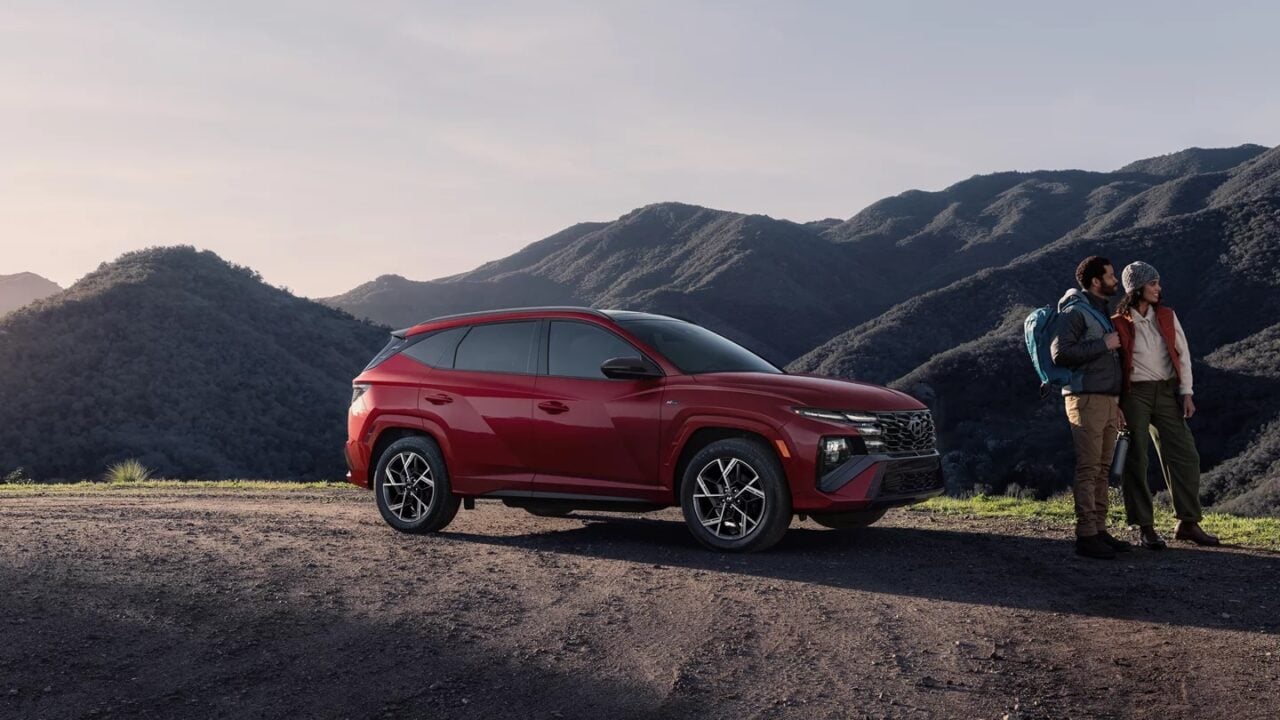
The Tucson Hybrid makes a similar argument to the Kia, but with a slightly more restrained personality. Hyundai’s 2026 Tucson Hybrid starts at $32,450, rises to 231 combined horsepower and 271 lb ft of torque, and in Blue SE HTRAC AWD form reaches 38 city, 38 highway, and 38 combined mpg. Higher trims trade some of that efficiency for more equipment, but the overall logic remains very strong.
The reason it makes more sense than an EV for many buyers is straightforward. This is the sort of compact SUV people actually buy in large numbers. It handles school runs, grocery duty, commuter miles, and weekend trips without drama. The hybrid system improves fuel economy substantially, yet the car still operates with the same refueling simplicity and broad usability as a normal gas crossover. That matters more than people sometimes admit. The Tucson Hybrid is not the most exciting hybrid on sale, but it may be one of the easiest to justify because it fits so neatly into the shape of ordinary life. It is efficient, roomy, and modern without feeling demanding.
Toyota Sienna

The Sienna proves that the hybrid argument gets even stronger when family duty becomes the priority. Toyota makes every 2026 Sienna a hybrid, starts it at $40,420, and gives it 245 total system horsepower with up to 36 city and 36 highway mpg in front wheel drive form. All wheel drive versions stay close at 35 combined. Those are highly persuasive figures in a three row minivan, especially for a vehicle that can spend its life carrying kids, luggage, and long vacation miles.
This is where a lot of EV comparisons start to fall apart. A big electric family vehicle can work very well in the right situation, but it usually costs much more and still asks families to think harder about charging when the vehicle is loaded up and the trip is long. The Sienna avoids all of that. It keeps the family friendly shape that still makes more practical sense than many SUVs, then adds hybrid efficiency good enough to shrink fuel costs without introducing new complications. For large households, carpools, and road trip duty, the Sienna may be the single clearest example of a hybrid that simply fits modern American life better than an EV does right now.
The Smart Middle Ground Still Looks Very Strong
The strongest lesson from this list is not that EVs are failing. It is that hybrids remain very good at solving ordinary transportation problems in a market where ordinary life is still full of long drives, apartment parking, busy family schedules, and buyers watching every major purchase more closely than before. A Camry, RAV4, Civic, CR V, or Sienna does not ask you to rewire your habits. It simply cuts fuel use while keeping the rest of the ownership experience familiar.
That is why these ten models matter. They are not just efficient. They are sensible in a broad, practical, and current way. Some work best for commuting. Some fit families. One solves the pickup problem brilliantly. A few are among the best all around new vehicles on sale, no matter what powers them. For many buyers right now, the smartest electrified choice is not the boldest one. It is the one that saves money, fits daily life cleanly, and asks for the fewest compromises in return.