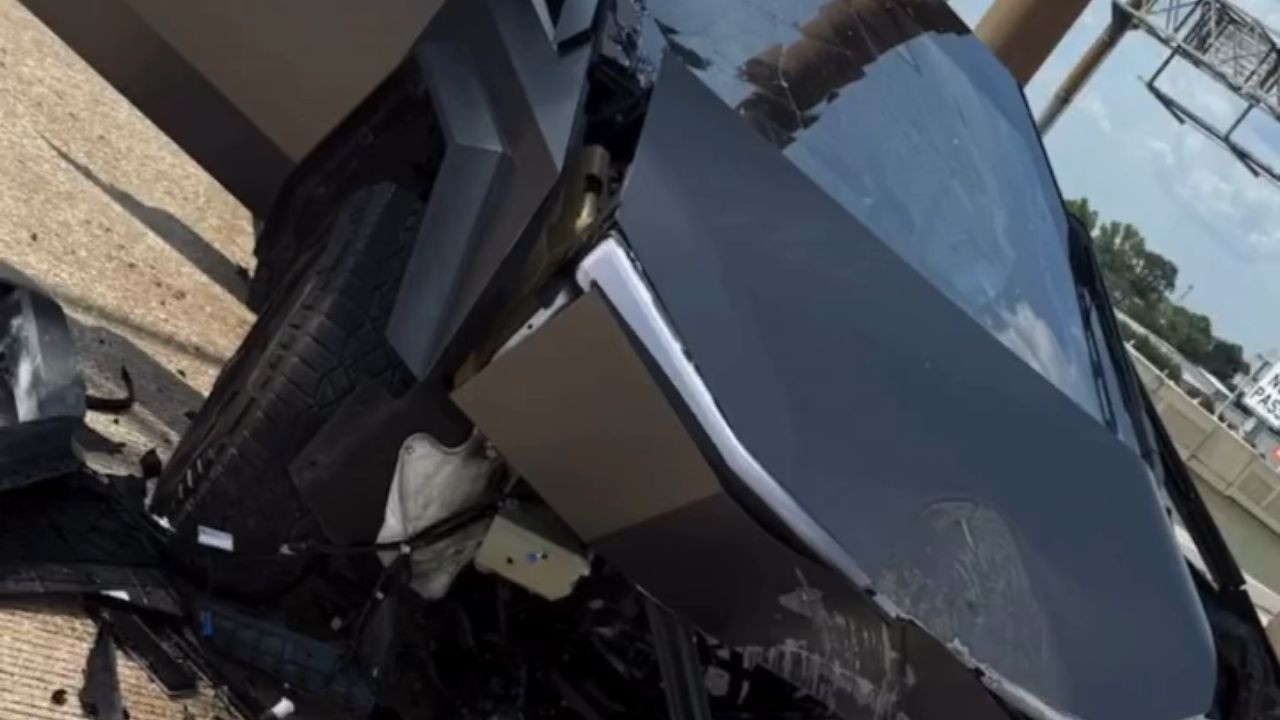

A new lawsuit involving a crash with a Tesla Cybertruck running Full Self-Driving (FSD) has drawn fresh scrutiny to Tesla’s autonomous technology ambitions and the leadership decisions of its chief executive Elon Musk.
The case centers on a Texas driver who claims the electric pickup failed to properly navigate a highway split while its advanced driver assistance system was active. The incident took place in Houston in August 2025 and has now evolved into a legal battle seeking more than $1 million in damages.
Allegations Against the System
According to the complaint, the Cybertruck owner was driving along Interstate 69 when the roadway approached a fork where the highway divides across an elevated overpass.
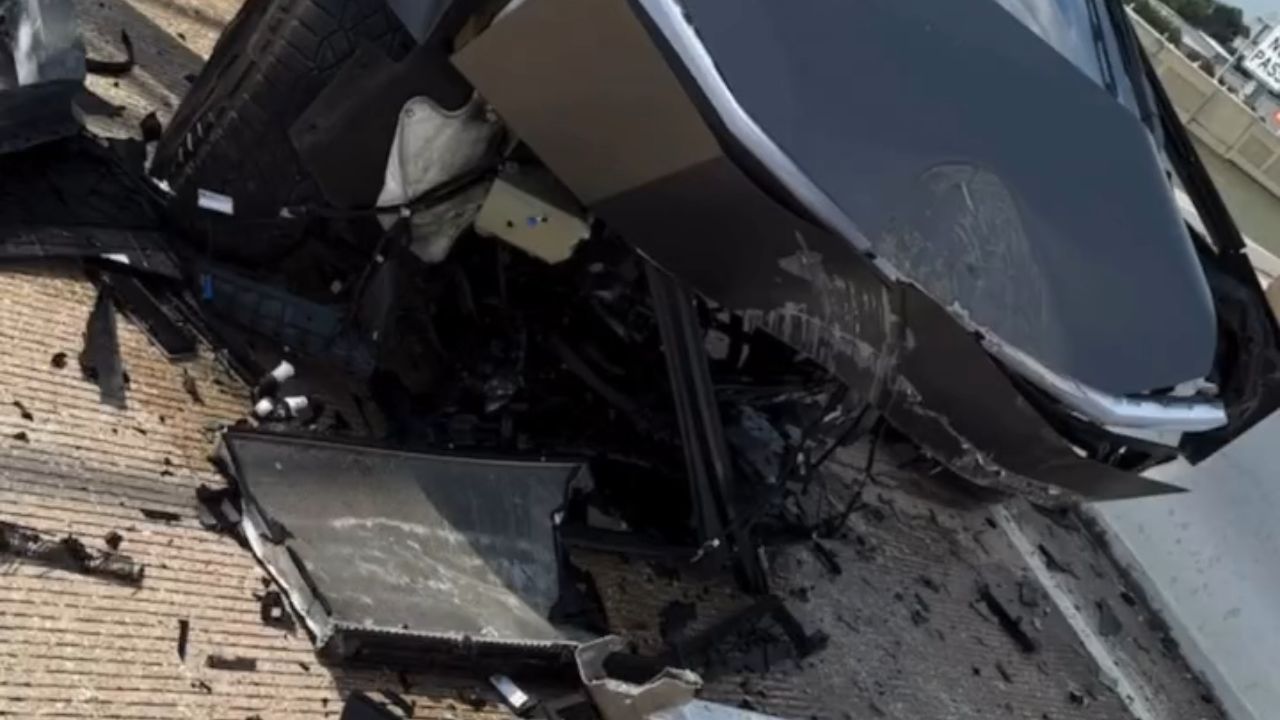
The lawsuit alleges that the driver had activated Tesla’s Full Self Driving system shortly before the split. The driver expected the vehicle to track the correct lane through the curve, but the system allegedly continued straight instead of following the roadway.
Court filings state that the truck headed toward a concrete barrier positioned between the diverging lanes. The driver reportedly attempted to intervene by taking control of the steering wheel and disengaging the automated system.
However, the complaint claims there was not enough time to fully correct the trajectory before impact.
The collision caused injuries that the plaintiff describes as significant and lasting. Medical evaluations cited in the lawsuit include herniated discs and nerve related damage that allegedly required treatment and rehabilitation.
The suit argues that the crash resulted directly from deficiencies in the design and marketing of Tesla’s driver assistance technology.
A Unique Legal Angle: Targeting Leadership

What makes the lawsuit stand out from previous cases involving Tesla vehicles is the unusual claim directed at the company’s leadership. The plaintiff alleges that Tesla was negligent in its “hiring and retention” of Elon Musk.
The filing argues that Musk’s influence over engineering and product decisions contributed to the development choices that the plaintiff believes made the system less safe.
Specifically, the lawsuit points to Tesla’s well-known reliance on cameras rather than a combination of sensors used by many other autonomous vehicle developers. The complaint states that engineers within the company had at times advocated for the addition of LiDAR based sensing technology to improve environmental awareness.
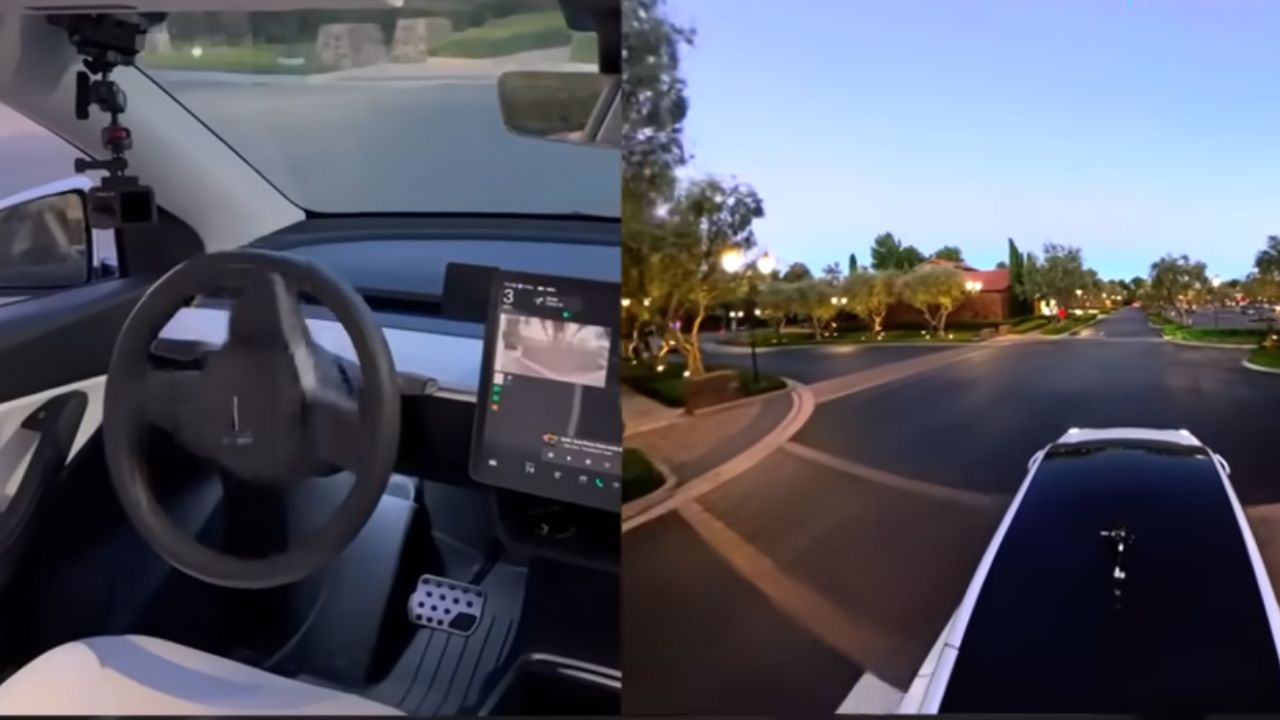
LiDAR systems use laser pulses to create detailed three-dimensional maps of surroundings and are widely used in many autonomous vehicle research programs.
According to the filing, Musk rejected the use of LiDAR and pushed Tesla toward a camera only approach supported by artificial intelligence software. Critics of the strategy have long argued that removing redundant sensing hardware could limit the system’s ability to detect hazards in complex driving environments.
Tesla, however, has consistently defended its approach and has argued that computer vision supported by neural networks can achieve safe autonomous capability.
Marketing vs Reality
The lawsuit also accuses Tesla of overstating the capabilities of its Full Self Driving technology. Although the feature carries a name that suggests full autonomy, Tesla has repeatedly stated in its user documentation that drivers must remain attentive and ready to take control at all times.

The company describes the feature as a driver assistance system rather than a fully autonomous platform.
Legal experts note that lawsuits involving advanced driver assistance systems often hinge on how a vehicle’s capabilities are presented to consumers. If a court determines that marketing language led drivers to overestimate the technology, liability claims may become stronger.
Broader Implications
The Houston case is part of a broader wave of scrutiny surrounding automated driving systems as automakers race to introduce increasingly sophisticated features. Regulators and safety advocates continue to debate how these technologies should be tested, marketed, and supervised.
View this post on Instagram
For Tesla, the outcome could have implications that reach beyond a single crash. The lawsuit directly challenges both the company’s technology strategy and the leadership decisions that shaped it. As the case proceeds through the legal system, it may become another closely watched chapter in the ongoing debate over the future of self-driving cars.