The BMW ALPINA story does not begin with the 2026 press release. It begins decades earlier with a small German company that found a very unusual niche inside the BMW universe and then protected it with remarkable discipline. BMW Group officially launched BMW ALPINA as an exclusive standalone brand under its umbrella on January 1, 2026, after announcing the trademark rights deal back in 2022. That change matters because Alpina was never just another tuning name. It built a reputation around a very specific promise: speed, refinement, comfort, and craftsmanship in one discreet package.
That reputation is why this topic matters now. When a historic performance name moves into a new corporate chapter, the obvious question follows immediately: what exactly made the badge worth preserving in the first place? In Alpina’s case, the answer is not one car or one era. It is a sequence of cars that kept redefining what a fast BMW based machine could be. Some were world class sedans long before the market filled with super sedans. One was a halo roadster that opened the American door. Another showed Alpina could thrive in the luxury SUV age without losing its identity.
This article focuses on five cars that best explain that arc. They were chosen not simply because they were expensive, rare, or fast in isolation. They made the cut because each one changed Alpina’s visibility, sharpened its brand character, or pushed the company into a new audience at exactly the right moment. That is the real point here. The new BMW ALPINA brand inherits more than a logo. It inherits decades of very carefully built credibility, and these are the cars that did the heaviest lifting.
The Cars That Best Explain Why Alpina Still Matters
A list like this only works if the criteria stay clear. Alpina built many excellent cars, but not every excellent Alpina had the same historical weight. For this article, the strongest candidates had to do more than impress period testers. They had to expand the brand’s reputation in a meaningful way. That could mean claiming a performance crown, becoming a defining model for the company, opening a new market, or proving that Alpina could adapt its formula to a very different type of vehicle without losing its identity.
That approach also helps keep the piece useful for broad readers rather than only longtime collectors. A mainstream audience does not need every obscure Buchloe special to understand Alpina. It needs the key landmarks. The first great super sedan matters because it explains the brand’s early ambition. The Nineties icon matters because it cemented the formula. The special roadster matters because it widened the brand’s image and brought Alpina into the United States through BMW dealers. The later flagship sedan matters because it showed Alpina could stay relevant in the modern luxury era. The big SUV matters because it proved the formula could survive even as buyer tastes changed completely.
Another reason this lens works is that Alpina was never trying to become BMW M with softer upholstery. BMW’s own 2026 launch material still defines the brand through a balance of maximum performance and superior ride comfort, and the 2022 acquisition announcement emphasized cultivated sportiness, luxury, and exclusivity. The cars below are the clearest examples of how that philosophy became famous in the first place. They are the models that turned Alpina from a respected specialist into a name car people across the luxury performance world actually recognized.
Alpina B7 Turbo/1
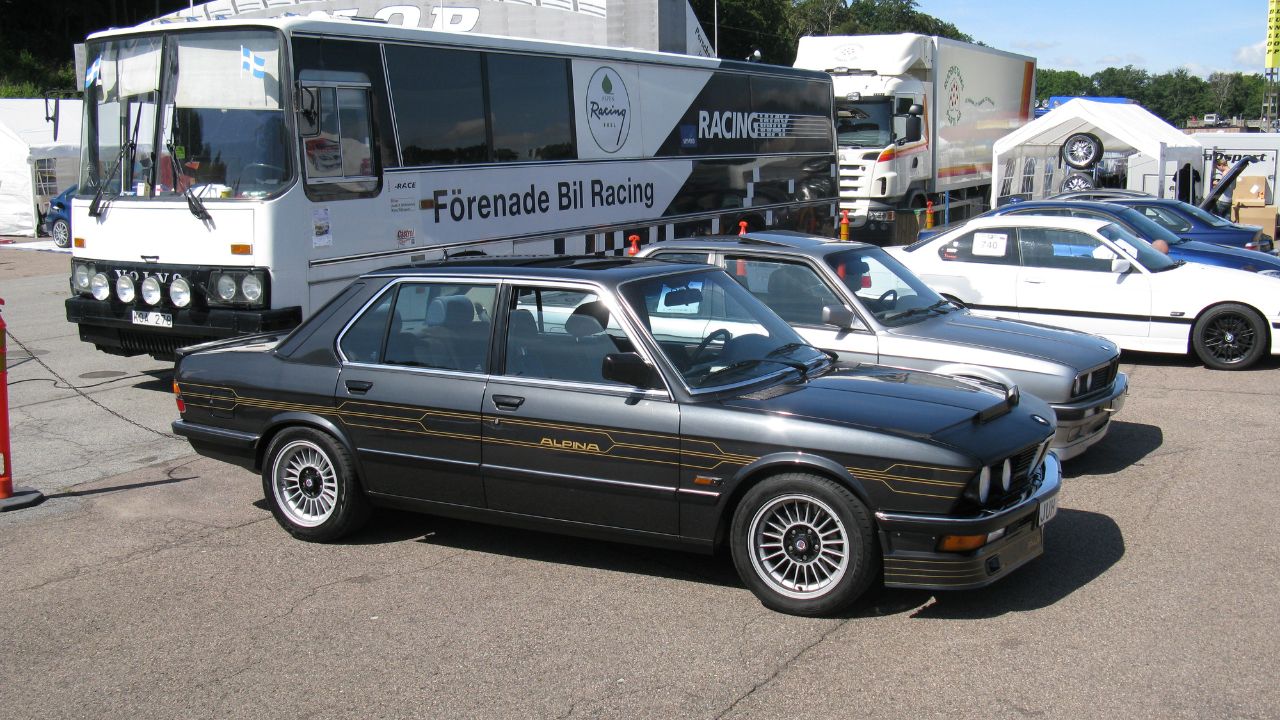
The car that really announced Alpina’s ambitions to the wider market was not a flashy coupe. It was a four door sedan. Introduced in April 1984, the second generation B7 Turbo/1 claimed the title of the fastest four door car in the world, which instantly told buyers that Alpina was not interested in playing a supporting role. Under the hood sat a heavily reworked 3.5 liter BMW six with a KKK K27 turbocharger, 300 bhp, and 501 Nm of torque. A catalyst version pushed output to 320 bhp and 509 Nm. Those were huge numbers for a luxury sedan in the mid 1980s, and they helped make Alpina’s name much larger than its production volume.
What made the B7 Turbo/1 so important was not only the engine. It defined the Alpina formula before most people had a name for it. The car paired real straight line authority with a Getrag five speed gearbox, Alpina Bilstein suspension, stronger brakes, and the kind of discreet visual treatment that let the hardware do most of the talking. A lot of very quick sedans have arrived since then. This one matters because it established that Alpina could build the sort of executive car that embarrassed much more obvious performance machinery while still looking polished and understated. That idea became central to the brand for the next forty years.
Alpina B10 Bi Turbo
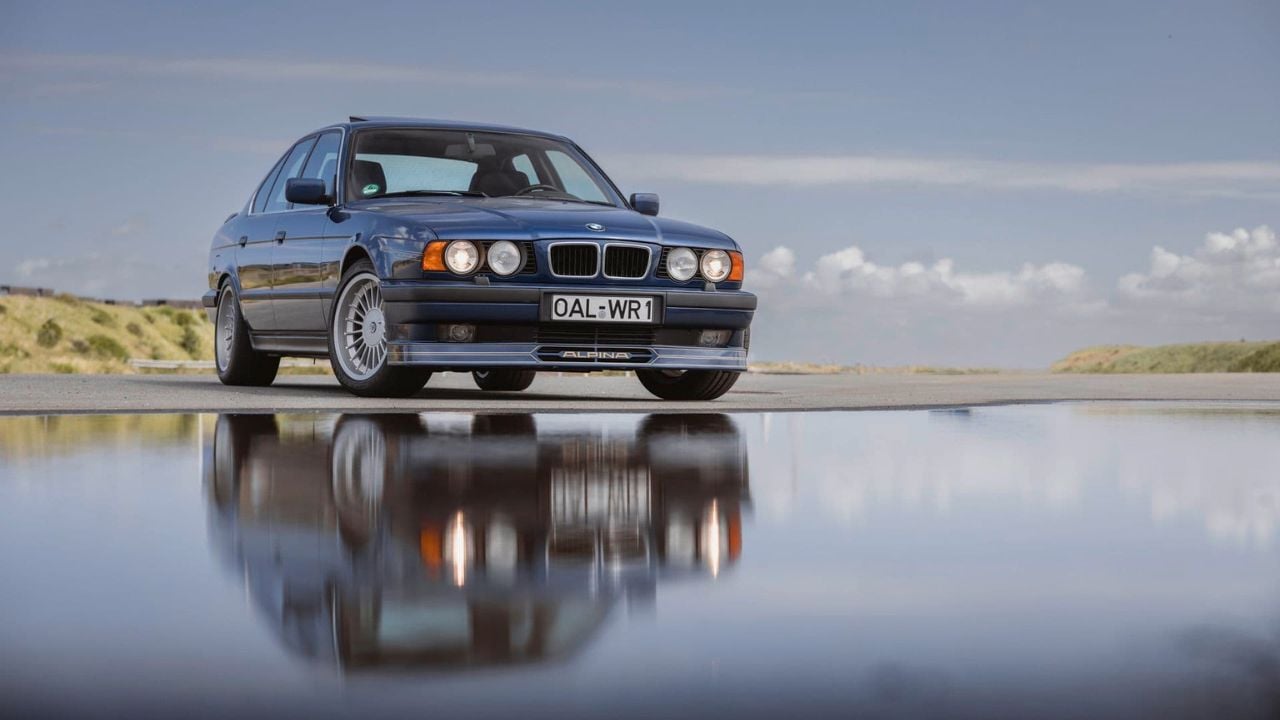
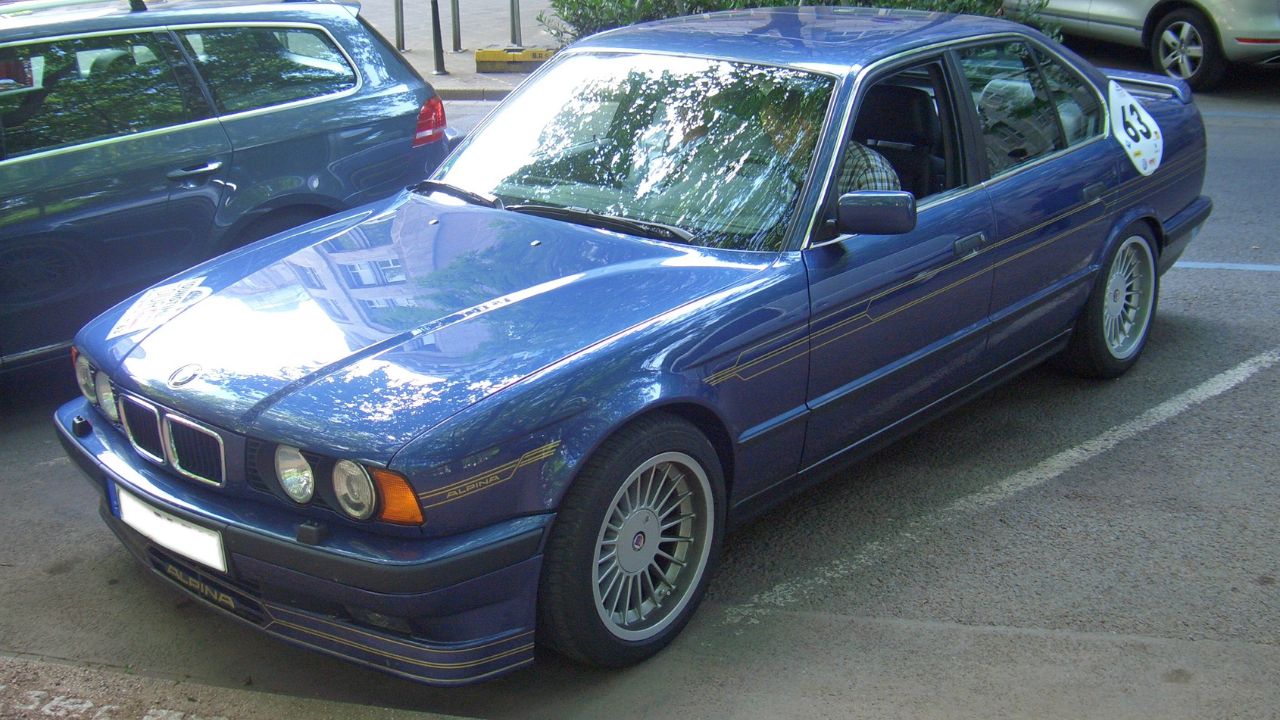
If the B7 Turbo/1 introduced the formula, the B10 Bi Turbo turned it into a legend. Delivered from 1989 through 1994, the B10 Bi Turbo took the already handsome E34 generation BMW 5 Series and transformed it into one of the defining fast sedans of its era. Alpina claimed 0 to 100 kmh in 5.6 seconds, more than 290 kmh flat out, and 200 kmh in roughly 19 seconds. Just 507 were built, which helps explain why the car still carries almost mythical weight among people who care about German performance sedans.
The real significance of the B10 Bi Turbo sits in the way it concentrated everything Alpina did well into one car. Its 3.4 liter twin turbocharged straight six produced 360 bhp and 520 Nm, and the car managed to feel both devastatingly fast and genuinely mature. That combination is why it became such a defining model. It was not a wild limited run experiment or a one season curiosity. It was a complete answer to the question of what an Alpina sedan should be. Fast enough to challenge exotic company, subtle enough to disappear into normal traffic, and developed with the sort of detail work that made the whole package feel coherent instead of improvised. If one car built Alpina’s reputation as the connoisseur’s super sedan brand, it was this one.
Alpina Roadster V8
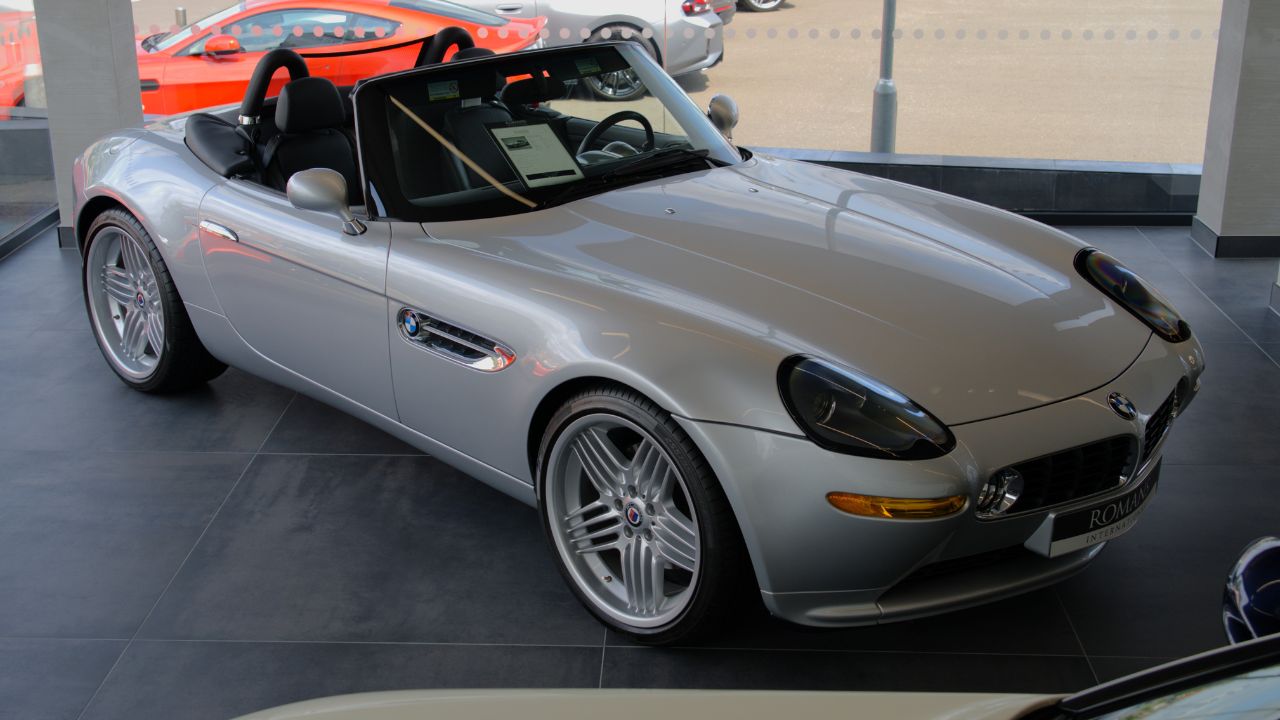
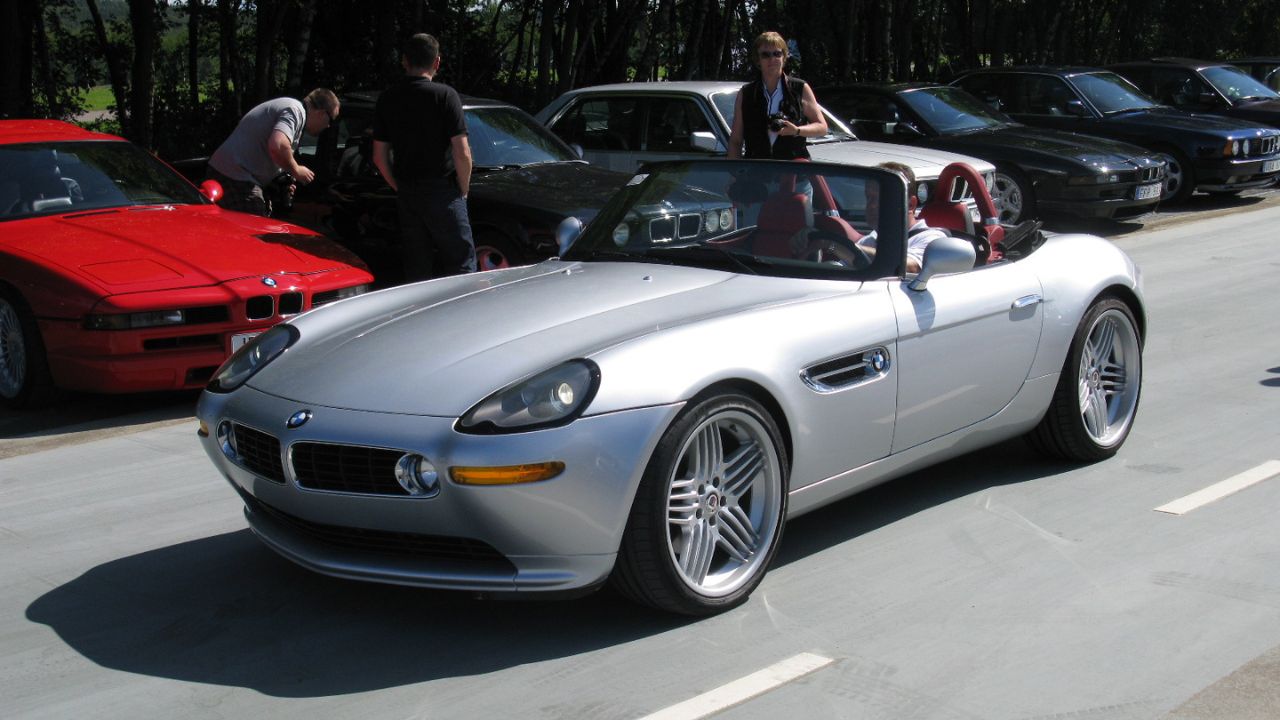
Not every brand defining car needs to be the fastest thing it ever built. Sometimes the model that changes perception matters even more. That is exactly what the Roadster V8 did. Based on the BMW Z8, the Roadster V8 arrived as a limited production halo car with a very different mission from the original Z8. Alpina replaced the standard car’s harder edge with a more relaxed and richer grand touring character. Power came from a 4.8 liter V8 producing 381 bhp and 520 Nm, routed through a five speed Switch Tronic automatic, and Alpina claimed 0 to 100 kmh in 5.3 seconds with a top speed limited to 260 kmh. Production rose from an initially planned 333 units to 555, and 450 of those went to the United States.
That American point is a major reason the Roadster V8 belongs here. It was the first Alpina sold officially in North America, which gave the brand a very different kind of visibility. It also captured the side of Alpina that BMW M never really tried to own. This was not about lap times or a hard edged track feel. It was about torque rich effortless speed, rare craftsmanship, and a sense of occasion that made the whole car feel like a bespoke object rather than a simple derivative. The Roadster V8 made Alpina look broader, richer, and more international, and that helped the name travel much farther than before.
BMW ALPINA B7 xDrive
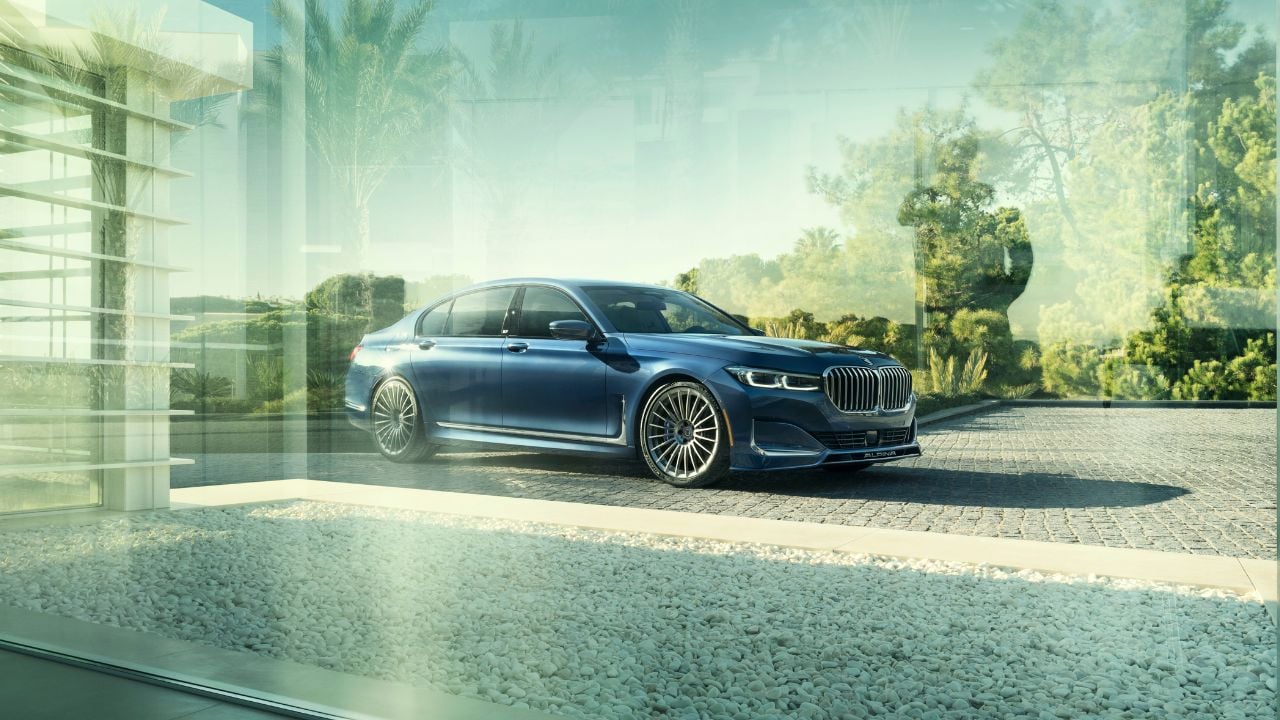
Modern Alpina needed a modern flagship, and the later B7 xDrive delivered exactly that. The 2020 B7 matters because it shows how the old Buchloe values survived intact in a far more digital and demanding era. BMW described it as the sixth generation full size performance luxury model from Alpina and the third generation of B7 offered in the United States. The numbers were not shy either: a 4.4 liter twin turbocharged V8 with 600 hp and 590 lb ft, 0 to 60 mph in 3.5 seconds, and a 205 mph top speed. It also carried an MSRP of $141,700 plus destination when BMW announced the updated model.
Those figures alone explain part of its importance, but the bigger story is what kind of car the B7 chose to be. BMW paired that power with air suspension, Active Comfort Drive with Road Preview, Integral Active Steering, xDrive, and the sort of rear cabin comfort expected from a top shelf 7 Series. In other words, the B7 did not abandon Alpina’s traditional role to chase a modern horsepower war. It doubled down on the idea that a flagship luxury sedan could be crushingly fast and deeply comfortable at the same time. For American buyers especially, this was one of the clearest modern expressions of the badge, and it helped keep Alpina relevant well beyond Europe’s longtime enthusiast base.
BMW ALPINA XB7
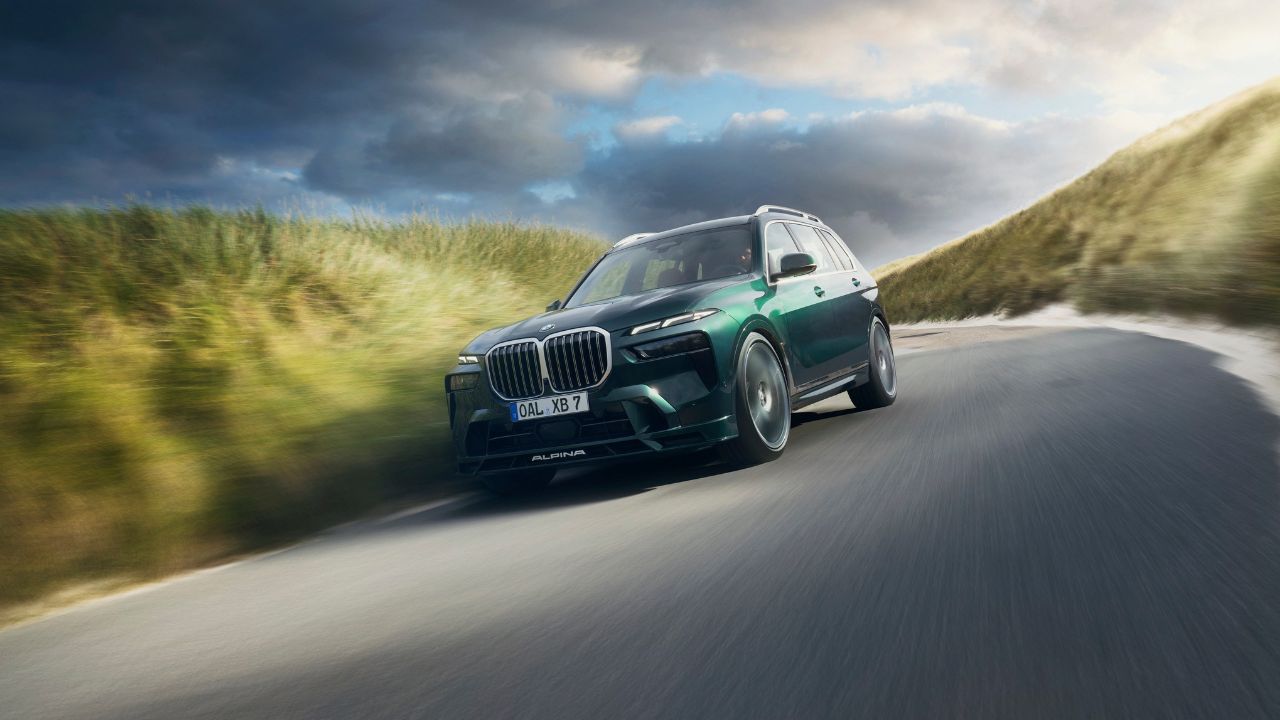
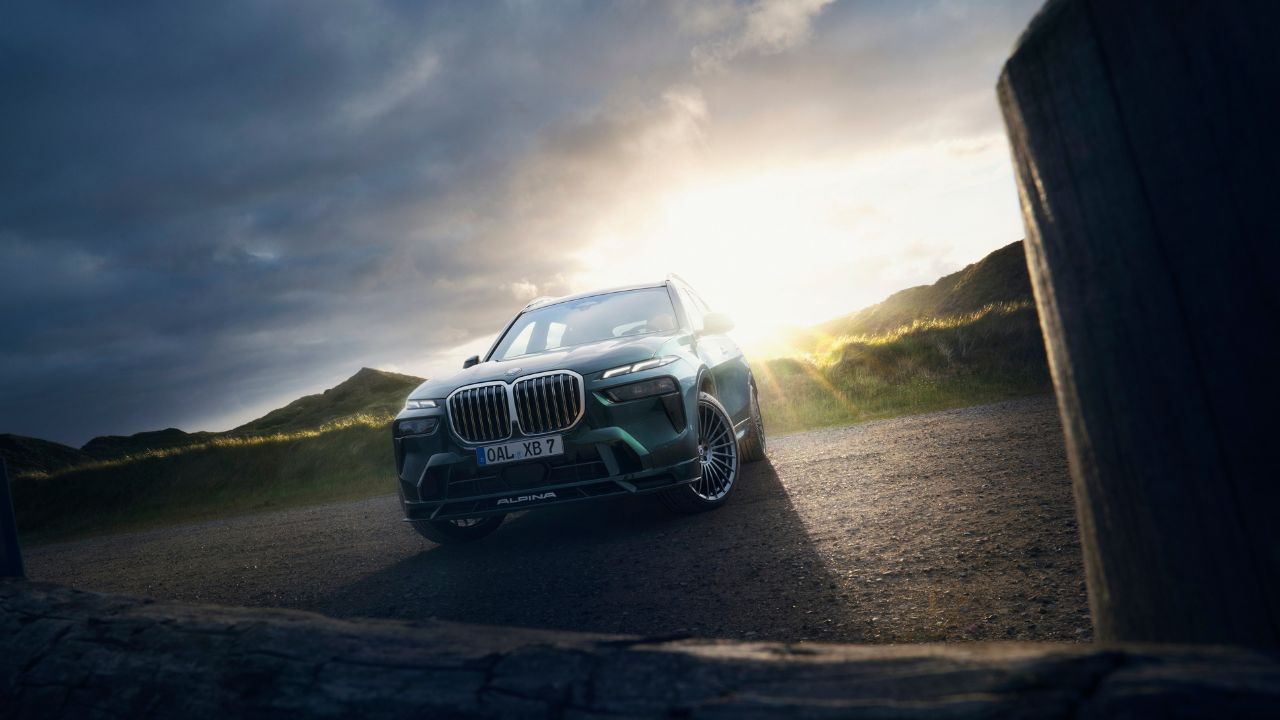
The XB7 may be the clearest proof that Alpina’s identity could survive a huge market shift. Luxury buyers moved hard toward SUVs, and many heritage performance brands followed them there with varying degrees of success. Alpina’s answer felt unusually convincing. The 2026 XB7 uses a 4.4 liter bi turbo V8 making 631 horsepower and 590 lb ft of torque, reaches 60 mph in 3.9 seconds, and starts at $156,000 in standard form. BMW also emphasizes the chassis side of the formula, with an Alpina tuned sport suspension based on the X7’s air suspension system, Active Roll Stabilization, Integral Active Steering, and a specific comfort plus performance balance that sounds very familiar if you know the brand’s history.
Its historical role is just as important as the spec sheet. BMW states that when the first XB7 left final assembly at Spartanburg in 2020, it marked the first time an Alpina model had ever been completed outside the Buchloe workshop. That gave the car symbolic weight immediately. It also helped Alpina meet the market where the market actually was, especially in North America. The XB7 did not make Alpina famous by itself, of course. What it did do was prove that the famous Alpina formula still worked in the format luxury buyers wanted most. That is a very different kind of achievement, and for a new BMW ALPINA era, it may turn out to be one of the most important.
The New BMW ALPINA Brand Inherits More Than A Name
BMW ALPINA now begins a new chapter inside BMW Group, but the hard part was done long ago. The reputation was built car by car, decade by decade, by machines that kept finding the same unusual balance between speed, comfort, rarity, and restraint. The B7 Turbo/1 made the world notice. The B10 Bi Turbo turned Alpina into a super sedan authority. The Roadster V8 broadened the image and opened the American door. The B7 xDrive proved the flagship formula still worked in the modern era. The XB7 showed that even an SUV could wear the badge honestly.
That is the real reason these five matter. They explain why BMW wanted Alpina in the first place, and why the brand still carries weight now that it has become a formal part of the company’s luxury future. Which of these cars best captures the Alpina idea for you: the world beating sedan, the Nineties masterpiece, the rare roadster, the modern flagship, or the giant luxury SUV that somehow still feels true to Buchloe?