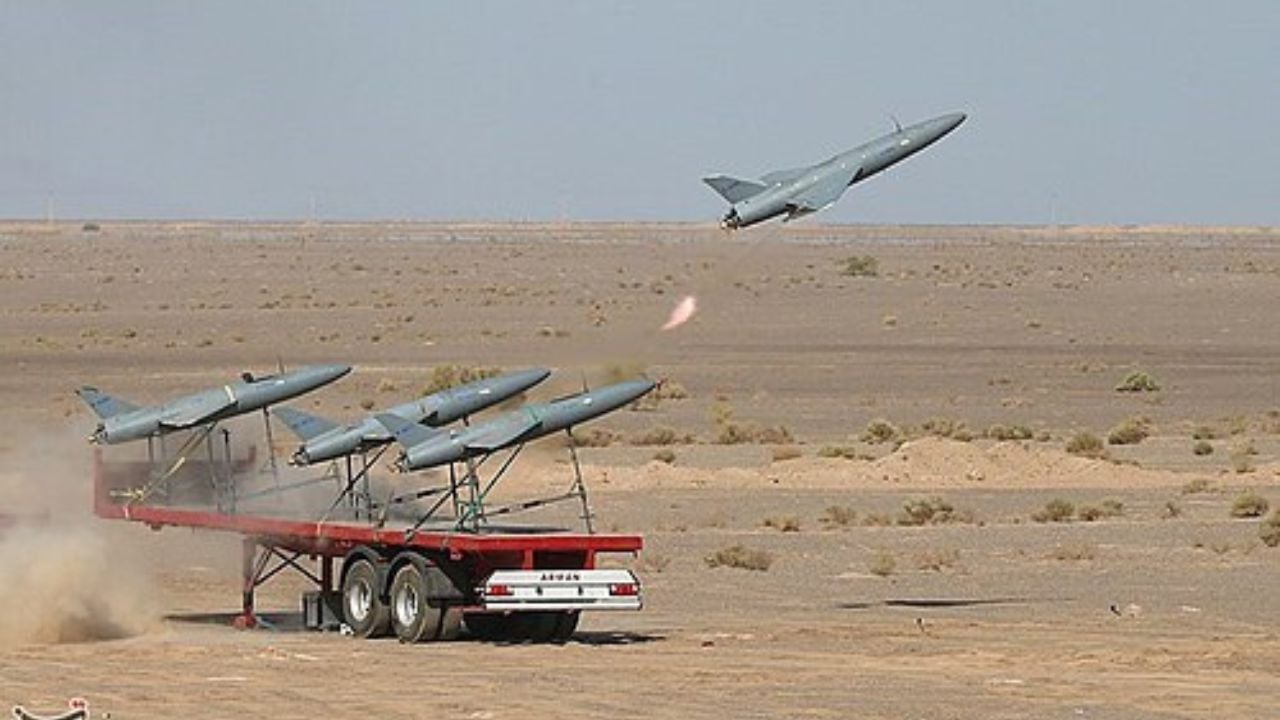

Multiple legacy media has reported on a newly surfaced intelligence memo warning that Iran may have considered launching drone attacks toward California. The news stirred debate across security circles, but federal and state officials have largely maintained that the information reflects a potential aspiration rather than a confirmed plot.
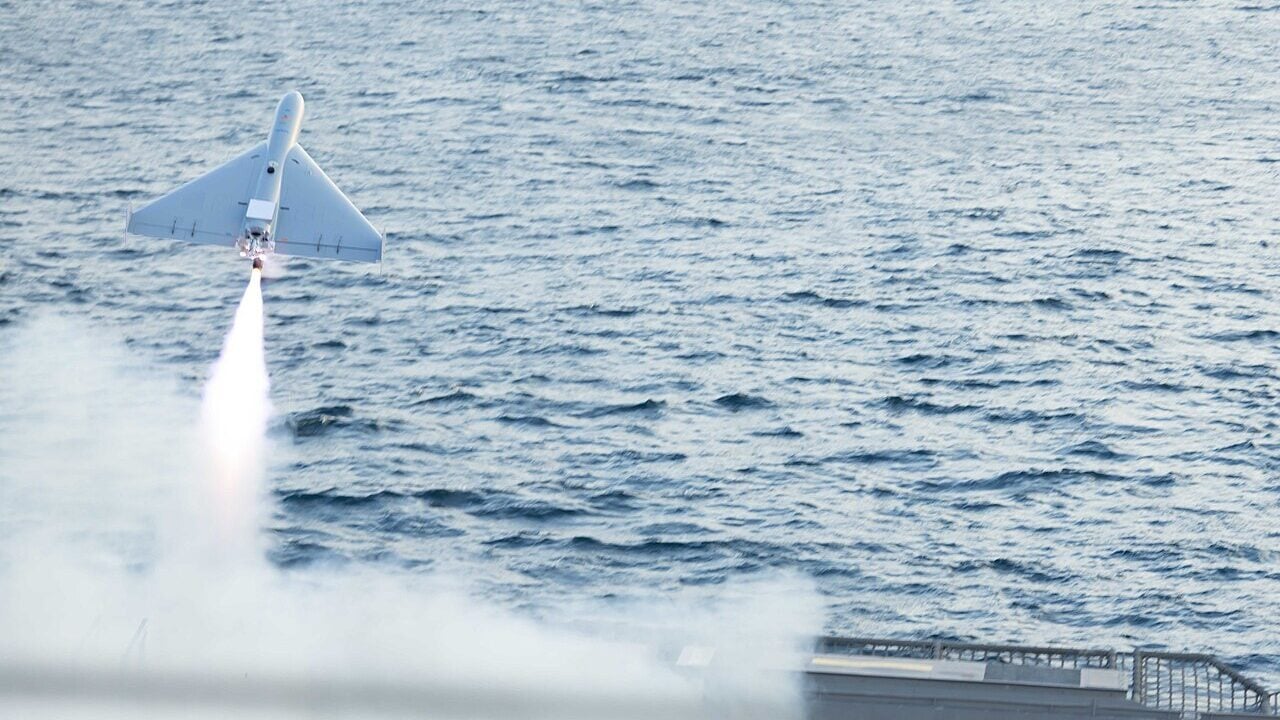
The report, first detailed by ABC News, cites an internal Federal Bureau of Investigation bulletin that was circulated to law enforcement agencies. The memo warned that Iranian actors had contemplated using drones launched from a vessel positioned off the California coast to strike targets within the state.
According to the bulletin, the intelligence suggested that Iran “aspired” to conduct such an operation as a form of retaliation against the United States. However, officials emphasized that the information was fragmentary and lacked key details that would indicate an imminent threat.
No specific targets were identified in the memo. Authorities also did not outline a timeline or confirm the presence of any operational network capable of carrying out the attack.
Officials Stress Threat Is Not Imminent or Credible
The intelligence warning was distributed through federal law enforcement channels as part of the routine information sharing system used by agencies when potential risks surface. Security officials often circulate preliminary intelligence so that state and local authorities can remain alert even when information has not been fully verified.
Officials speaking to CBS News said the memo described a theoretical scenario in which drones could be launched from a ship positioned in international waters off the West Coast. Such an approach could allow attackers to bypass traditional airspace monitoring systems, at least initially, before drones enter the continental United States.

While the concept may sound dramatic, authorities quickly moved to temper public concern. The Federal Bureau of Investigation reportedly characterized the intelligence as lacking corroboration. Analysts described it as aspirational rather than operational.
In other words, the information suggested a potential idea that had surfaced in intelligence channels rather than a concrete attack plan already in motion.
California Governor: ‘No Imminent Threats’
California officials echoed that assessment. Gavin Newsom, the governor of California, said state authorities were aware of the memo and were coordinating with federal partners. He noted that there is currently no credible or imminent threat to residents.
Newsom emphasized that California maintains close coordination with federal security agencies and law enforcement organizations to monitor potential threats.
“I am in constant coordination with security and intelligence officials … to monitor potential threats to California — including those tied to the conflict in the Middle East. While we are not aware of any imminent threats at this time, we remain prepared for any emergency in our state,” the governor wrote on X (formerly Twitter).
I am in constant coordination with security and intelligence officials, including at @Cal_OES, to monitor potential threats to California — including those tied to the conflict in the Middle East.
While we are not aware of any imminent threats at this time, we remain prepared…
— Governor Gavin Newsom (@CAgovernor) March 11, 2026
State officials said they are prepared to respond if circumstances change but stressed that residents should not interpret the memo as evidence that an attack is pending.
Drones as a Growing Asymmetric Threat
The intelligence warning is apparently connected to broader geopolitical tensions involving Iran and the United States. Security experts say U.S. agencies routinely monitor for the possibility of retaliatory actions when conflicts escalate in the Middle East. And in recent years, analysts have also focused on the growing role of drones in asymmetric warfare.
Unmanned aerial vehicles have become a relatively inexpensive tool that can be deployed in unconventional ways. Small drones can be launched from ships, remote terrain, or even modified commercial platforms.
Their flexibility has raised concerns among security planners who must account for a wider range of potential attack methods.
Two recent examples highlight this trend.
Firstly, Iran’s Shahed drones. These loitering munitions are relatively cheap to produce and are often described as “expendable.” Their affordability allows them to be deployed in large numbers to overwhelm defenses despite their limited sophistication.
This cost-effectiveness has made them a central feature of Iran’s drone strategy and a concern for security planners worldwide.
Subsequently, Ukraine has proven its resiliency in direct response to Russia’s Iran-sourced loitering munitions.
In one widely reported June 2025 incident, Ukrainian forces carried out a covert operation—often referred to as “Operation Spiderweb” or the “truck trick”—where drones were hidden inside trucks disguised as mobile wooden houses.
These trucks transported the drones deep into Russia, from where they were launched in swarms against military airbases, destroying or damaging dozens of aircraft, including nuclear-capable bombers.
A Warning, not a Confirmed Plot
Still, experts note that carrying out a cross-border drone attack against the United States would present significant logistical challenges. Launching drones from offshore locations would require reliable navigation systems, long range equipment, and the ability to evade detection across hundreds of miles of ocean and heavily monitored airspace.
For now, the memo remains an example of the precautionary intelligence alerts that circulate within the national security system. Authorities share such warnings so that law enforcement agencies can remain vigilant while analysts work to verify the credibility of the information.
As CBS News reported, federal officials maintain that the intelligence lacks confirmation and does not point to a specific plot. The warning has nonetheless drawn attention because it highlights the evolving security challenges posed by modern drone technology.