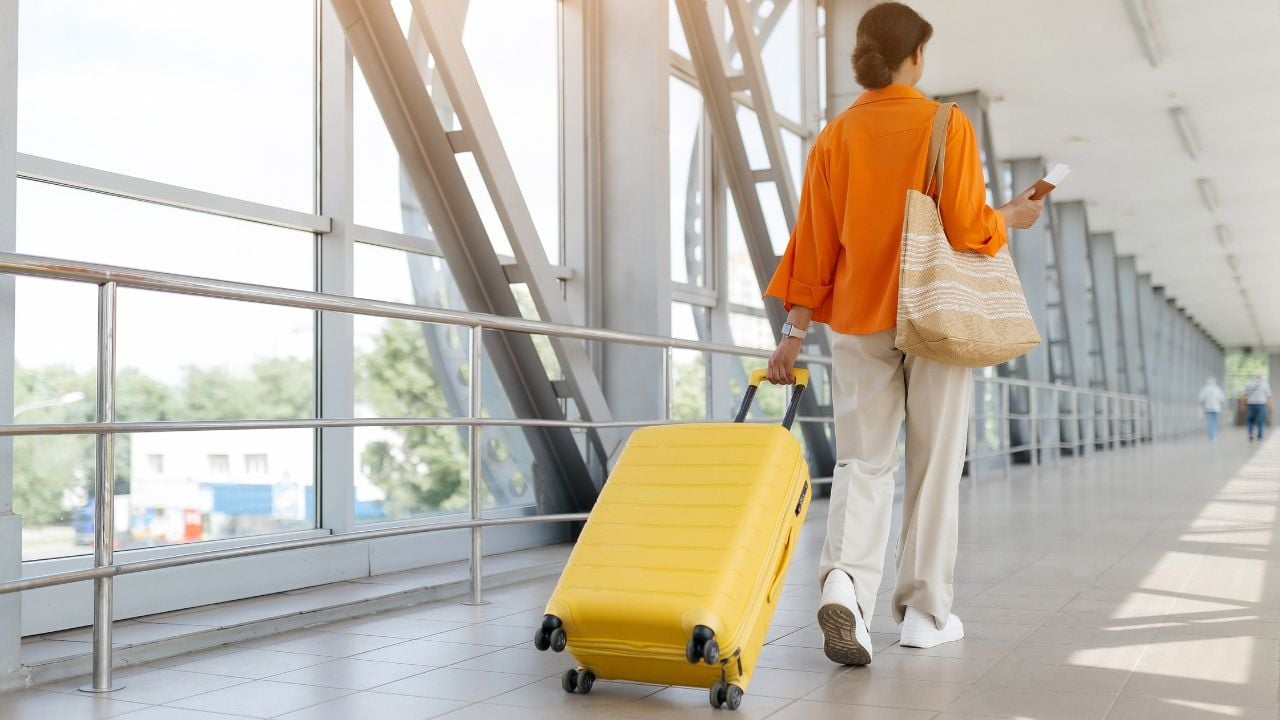
A checked suitcase used to feel routine, almost invisible in the larger chaos of flying. It was just part of the deal, like security lines, gate changes, and overpriced coffee near departures. You packed, you handed over the bag, and you hoped it would reappear on the other side. For years, plenty of travelers treated that whole ritual as mildly annoying but basically normal.
That mood has changed. Checked luggage no longer feels like a default part of air travel for many passengers. It feels like a choice, and often an expensive one. The Bureau of Transportation Statistics says U.S. airlines collected $5.8 billion in domestic baggage fees in 2024, which helps explain why travelers now notice the pattern more clearly. Add in early airport arrival, bag-drop lines, baggage claim waits, and the lingering fear that a suitcase might be delayed or mishandled, and it is not hard to see why more people are now trying to keep everything with them in the cabin.
For some travelers, this shift is about money. For others, it is about speed, control, and avoiding one more airport hassle. Most of the time, it is all three. Carry-on-only packing used to sound like something practiced by minimalist travel enthusiasts and hyper-organized business flyers. Now it is closer to the mainstream. The new instinct is simple: if a trip can be done without checking a bag, many travelers would rather avoid the fee, skip the counter, and keep moving.
1. The Extra Charge Stopped Feeling Minor
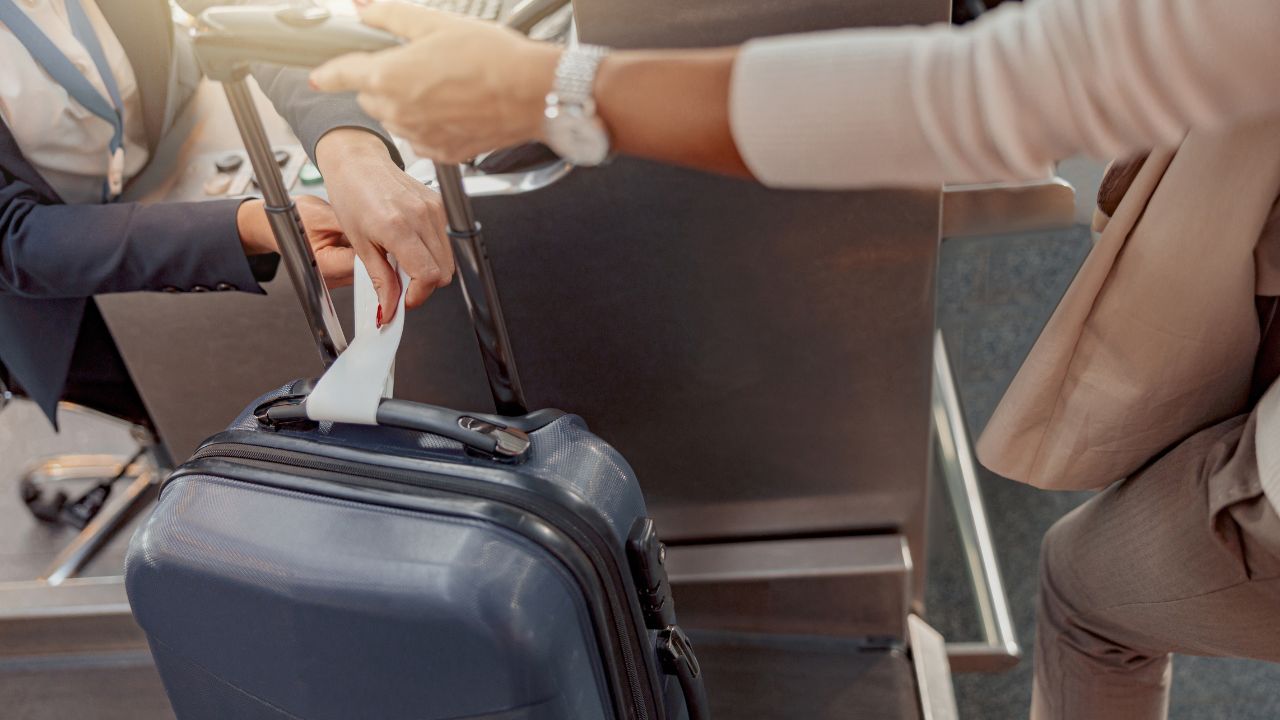
The biggest reason is also the most obvious one. The fee stopped feeling small. Once baggage charges moved from being an occasional annoyance to something that could noticeably change the total cost of a trip, passengers started treating them differently. A checked suitcase no longer felt like a harmless add-on tucked behind the ticket price. It started to feel like one more line item waiting to make the flight more expensive than it first appeared.
That shift matters because travelers do not evaluate bag fees in isolation. They look at them alongside seat-selection charges, fare restrictions, change costs, and all the other little extras that gather around a booking. One fee by itself might seem manageable. Several together create a very different mood. On a short trip, many people now look at the suitcase and decide it is the easiest thing to cut. A few days of careful packing can feel better than paying extra for a bag that may hold little more than shoes, a jacket, and a full-size shampoo bottle.
2. A Checked Suitcase Often Costs Time Before Takeoff and After Landing
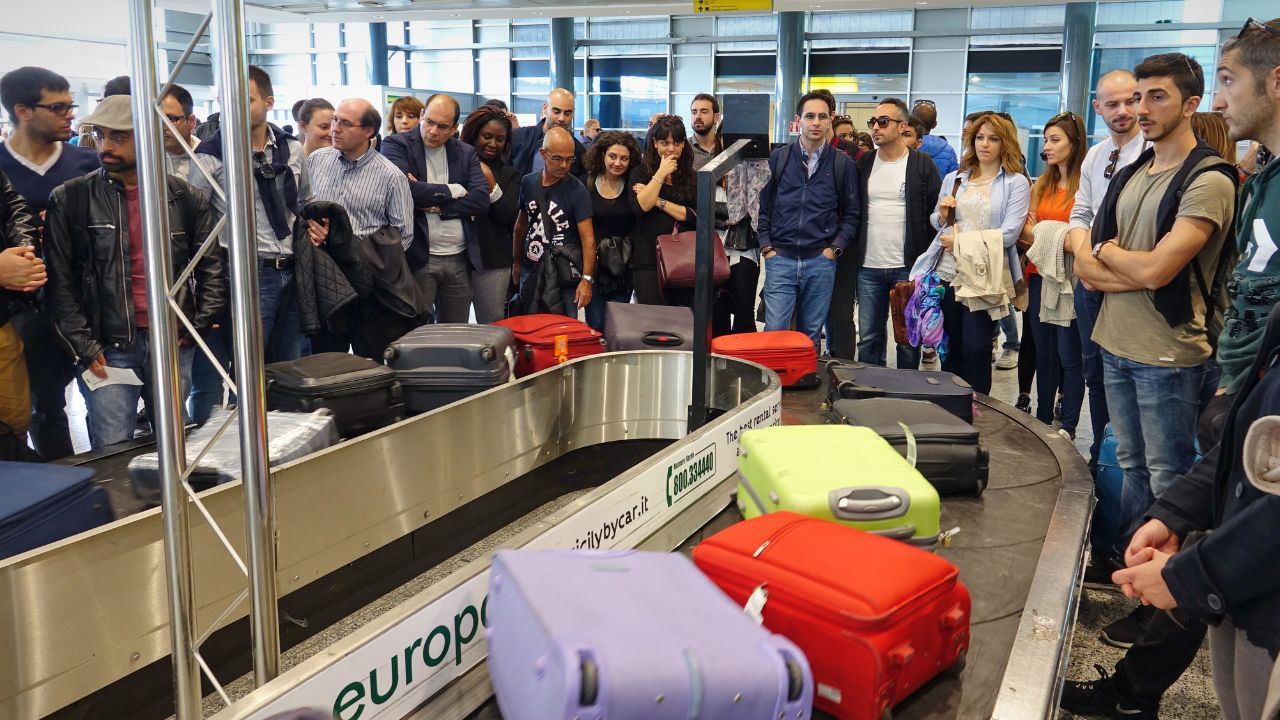
Money explains part of the rebellion, but time explains the rest. Checking a suitcase usually means arriving earlier, joining another queue, and building more slack into the airport schedule before you even reach security. For travelers who already dislike airports, that extra choreography can feel like punishment for bringing too much stuff. One more line is still one more line, even if the process only takes a few minutes on a good day.
The other half of that time penalty shows up after landing. Travelers who kept everything in the cabin are already walking toward the train, the taxi rank, or the terminal exit while checked-bag passengers are still standing around the carousel waiting for movement. Sometimes the wait is short. Sometimes it drags. Either way, it adds friction to a day that may already include immigration, customs, ground transport, and the general fatigue of being folded into an airplane seat for hours. Once people experience a trip where they can simply walk off the plane and leave the airport, it becomes much harder to feel sentimental about baggage claim.
3. People Trust Themselves More Than the Baggage System
Baggage systems are better than they used to be, and SITA says the mishandling rate fell to 6.3 bags per 1,000 passengers in 2024. That is progress, but traveler nerves have not vanished. A suitcase does not need to disappear forever to cause problems. A delay of even one day can still disrupt the first part of a trip if the missing bag contains important clothes, chargers, toiletries, hiking gear, work materials, or anything needed soon after arrival.
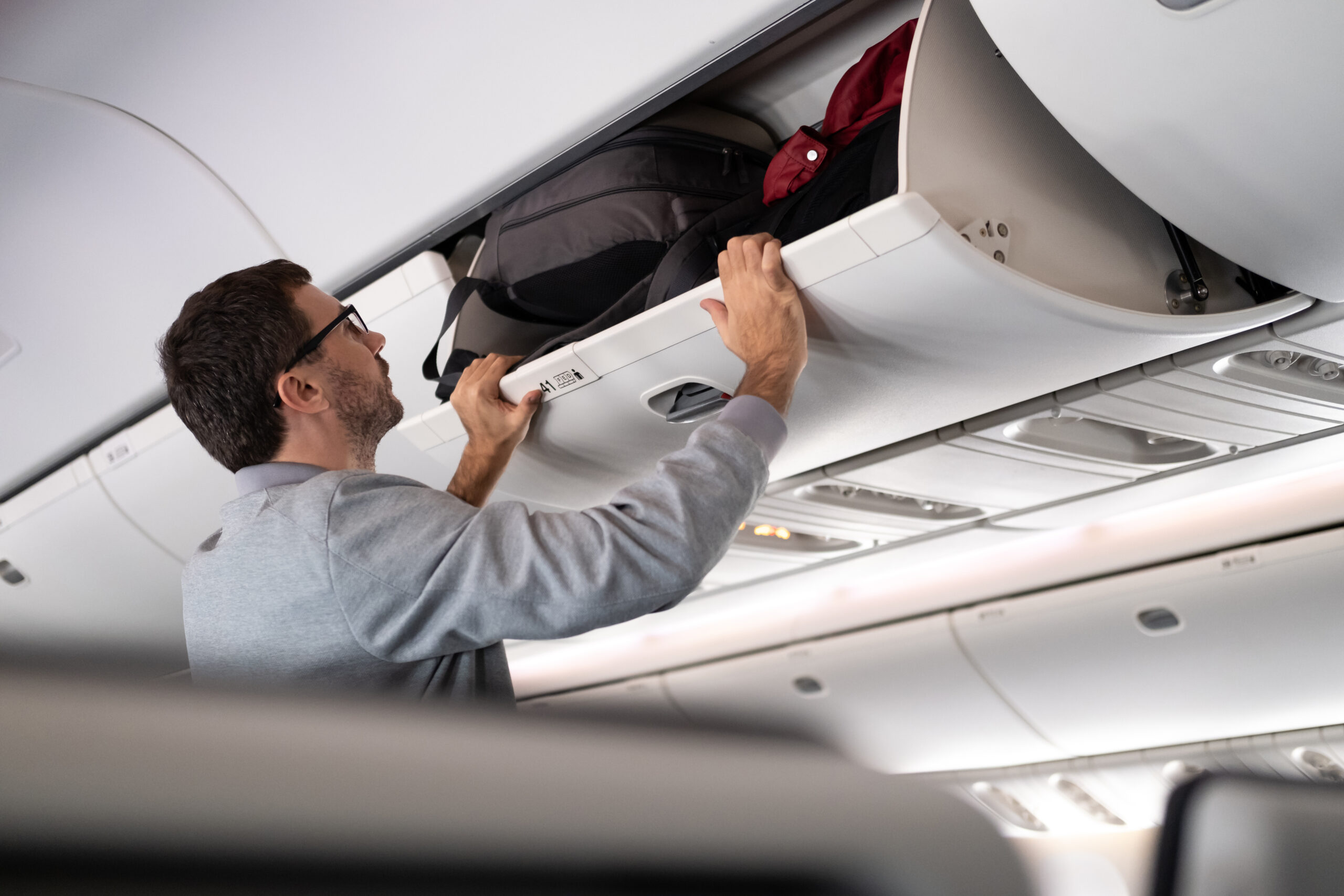
People also trust direct control more than institutional reassurance. If your essentials are in the cabin, they are visible, reachable, and under your supervision. You do not need an update, a tracking message, or a service-desk conversation to know where they are. That peace of mind is hard to compete with. For many travelers, carry-on-only is not really a style statement at all. It is just the simplest way to remove one of the most irritating uncertainties from the trip.
4. Fare Design Trained Passengers To Travel Lighter

This shift did not happen by accident. Years of unbundled pricing taught travelers to look suspiciously at every extra charge attached to a booking. BTS notes that U.S. passenger airlines collected 73.7% of operating revenue from passenger fares in the first quarter of 2025, down from 88.5% in 1990, which is a neat statistical way of showing how much more of the business now sits outside the base ticket. Over time, that changes behavior. A checked suitcase stops feeling automatic and starts looking like just another optional expense that needs to justify itself.
That is the real reason the carry-on-only habit has spread so widely. It is not just about aesthetics, discipline, or some new devotion to minimalist living. It is a practical reaction to how airlines sell tickets. Travelers got used to trimming whatever they could. Many now begin with the cheapest workable fare and then ask which extras are actually worth adding back. On short trips, the checked bag often loses that argument. The traveler adapts, packs tighter, and moves on.
5. Carry-on Only Works Beautifully Until the Rules Push Back
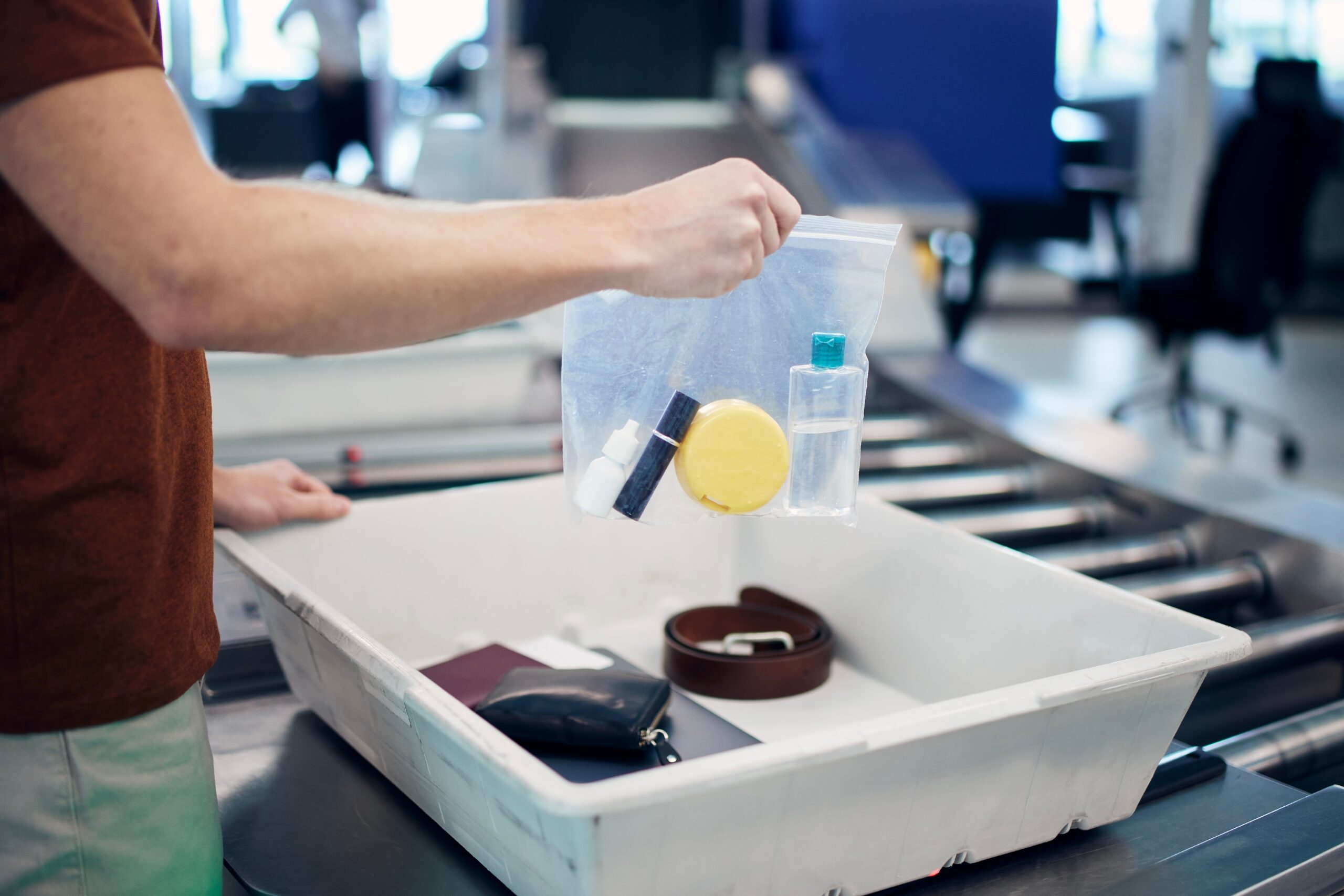
Of course, cabin-only travel is not perfect. It has limits, and some of them are stubborn. TSA still enforces its liquids, aerosols, and gels rule, which means full-size toiletries are often the first casualties of a carry-on plan. IATA also notes that spare batteries, power banks, and electronic cigarettes must be carried in hand baggage, which is useful but also a reminder that baggage rules are not always intuitive.
That is why this rebellion is strongest on very specific kinds of trips. It works best for city breaks, short work travel, weekend visits, and warm-weather holidays where clothing is light and the itinerary is simple. It works much less smoothly for ski trips, golf trips, long family vacations, or travel with small children who somehow require half a portable household. Carry-on-only travel is efficient, but it is not magic. There are still plenty of journeys where the checked suitcase remains the more sensible option, even for people who would rather avoid it.
6. The New Default Is “Prove Why I Should Check This”
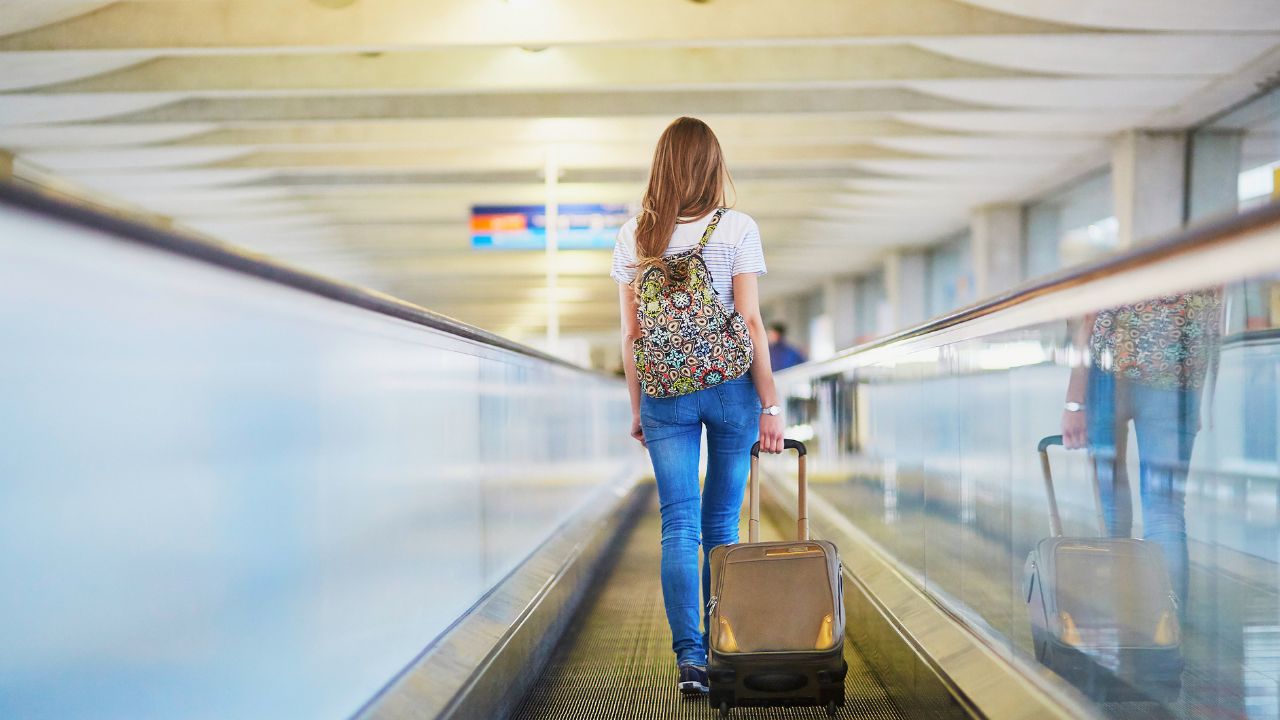
That is the real cultural shift. Travelers no longer assume that a checked suitcase belongs in the normal version of a trip. Now the burden has flipped. Instead of asking whether they can manage without checking a bag, many passengers ask why they should check one in the first place. If the fee feels annoying, the process feels slow, and the risk feels unnecessary, the answer is often that they should not.
Checked luggage is not disappearing, and it should not. Some trips genuinely need it. Families, winter travelers, athletes, and people taking longer vacations will keep using it because sometimes there is no realistic substitute. But the traveler mindset has clearly changed. For a growing share of passengers, the smartest move is to pack tighter, skip the counter, avoid the fee, and keep their belongings close. What once looked like extreme light packing now looks more like a rational response to modern air travel.