American roads tell a story that feels very different from the old industry script. Detroit still matters, of course, and it always will. Yet the most inventive ideas reaching buyers across the United States often come from brands headquartered somewhere else. The biggest leaps now show up in charging access, software design, hydrogen development, safety systems, battery production, and home energy integration. That wider definition changes the conversation in a big way. Innovation used to mean horsepower, chrome, or a new body style.
Today it also means better interfaces, smarter production, and vehicles that fit into a larger energy ecosystem. The six brands in this article understand that shift especially well. They are building cars for American buyers, investing heavily in American operations, and still bringing outside perspectives that keep the market moving. That combination gives them unusual strength. It also explains why so much of the smartest automotive progress in America now carries foreign badges.
Where Real Innovation Shows Up Long Before A Buyer Reads The Brochure

This list looks at innovation through a wider lens than the usual awards season talking points. A flashy concept car can create excitement, though real influence shows up when technology reaches dealers, owners, factories, and charging networks. That is why this article gives weight to production readiness, American market impact, and useful technology that changes daily ownership. Software matters because modern cars increasingly live or fade through their digital experience.
Charging matters because convenience still shapes the EV conversation more than marketing ever could. Hydrogen also deserves a place because a few brands continue pushing it in serious and practical ways. Manufacturing counts as well, especially when a company invests in American plants and new battery capacity. Safety and automation remain central to the story too, since those areas continue reshaping what innovation means in the first place. Another important factor is range of influence. A single halo car can look impressive, while a platform or interface that spreads across an entire lineup carries much greater weight. Innovation also feels more convincing when it connects design, engineering, and customer use in one clean idea.
That is why the final group includes a broad mix of hybrid leaders, software pioneers, charging specialists, and brands stretching into new energy territory. Each one brings a different kind of intelligence to the American market. Together, they show that the most forward looking car companies in the United States often arrive from Japan, Korea, and Germany rather than from home soil.
Toyota
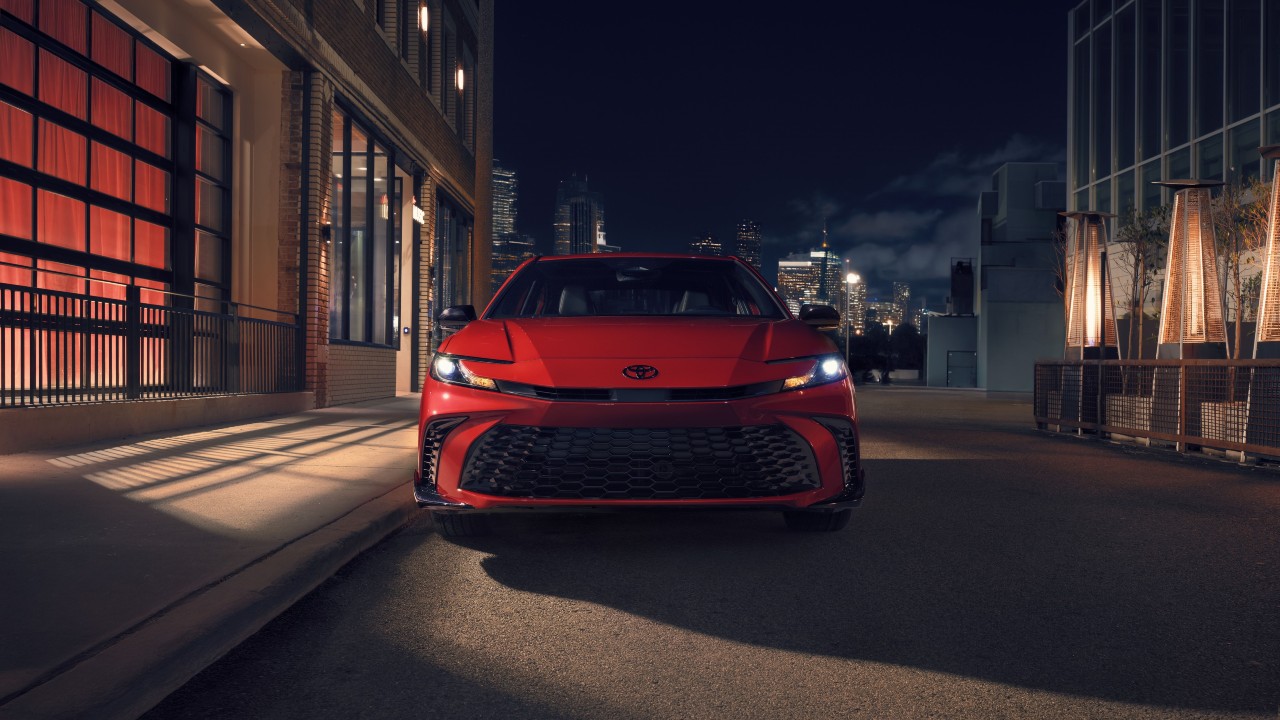
Toyota rarely chases innovation through noise alone. Its style feels quieter, broader, and far more rooted in scale. That makes it easy to underestimate, especially in a market that loves big headlines. Look closer and the picture becomes much more impressive. In 2025, Toyota began production at its new battery plant in North Carolina, described by the company as its first battery plant outside Japan. During the same year, it announced another $912 million investment across several American plants to increase hybrid capacity.
The brand also continued pushing its hydrogen strategy through a new Hydrogen Solutions hub, public outreach from its North American Hydrogen Headquarters in California, and fresh fuel cell related demonstrations. Toyota used 2025 to roll out an enhanced Toyota Audio Multimedia system that debuts in the all new 2026 RAV4 before rolling out to future Toyota models. None of that feels accidental. Toyota innovates by turning huge ideas into repeatable systems, then dropping those systems into the real American market where buyers actually live with them every day. That kind of discipline deserves more respect than it usually gets.
Hyundai

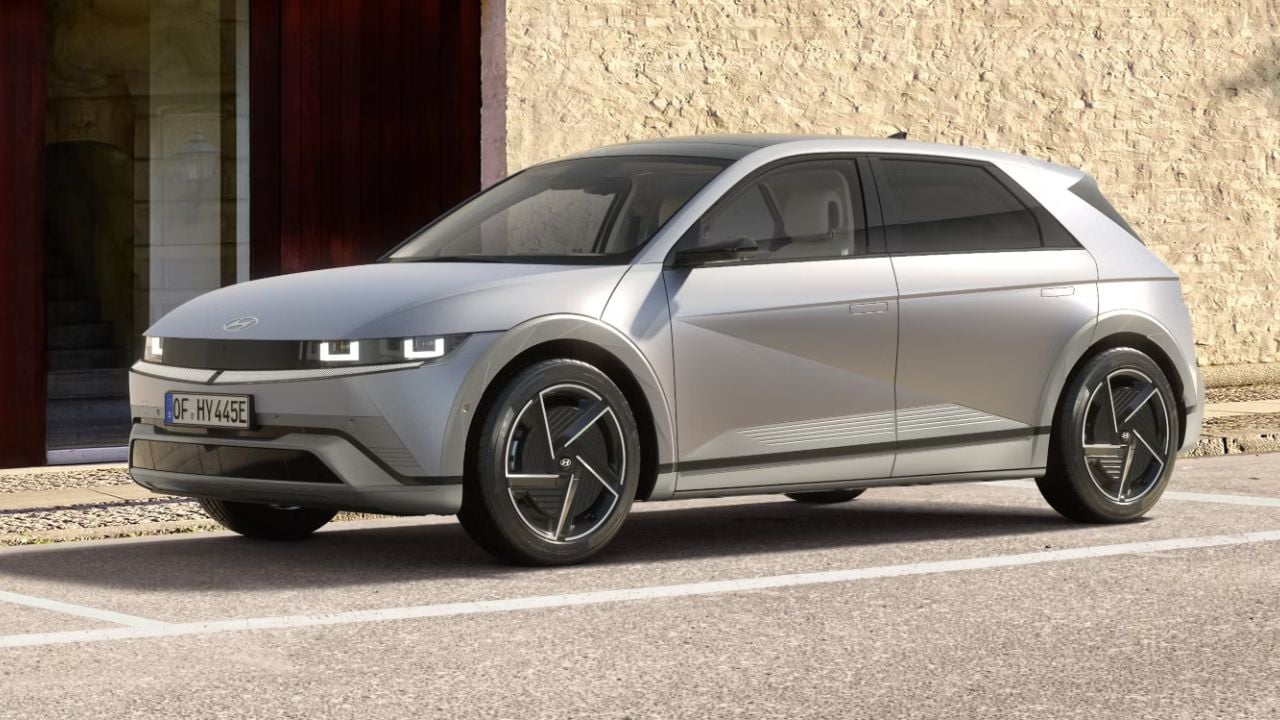
Few brands have changed their image in America as quickly and as intelligently as Hyundai. The company once built its reputation on value. Now it blends value with one of the most ambitious product and manufacturing pushes in the market. The refreshed 2025 IONIQ 5 captures that shift perfectly. Hyundai says it became the first model range built at Hyundai Motor Group Metaplant America in Georgia, and it arrived with a native North American Charging Standard port that opens access to Tesla Superchargers without an adapter. The same update also brought larger battery packs, more range, and a broader personality through the new XRT version.
That matters because Hyundai clearly understands that innovation in America demands more than a good EV alone. It requires charging convenience, domestic production, and sharper product planning. The company also keeps showing range in its thinking. One side of the brand builds highly usable EVs for mainstream buyers. Another side produced the IONIQ 5 N, which helped prove that electric performance can feel playful and emotional rather than merely quick. Hyundai feels inventive right now because it keeps moving in several directions at once and keeps landing the details.
Kia
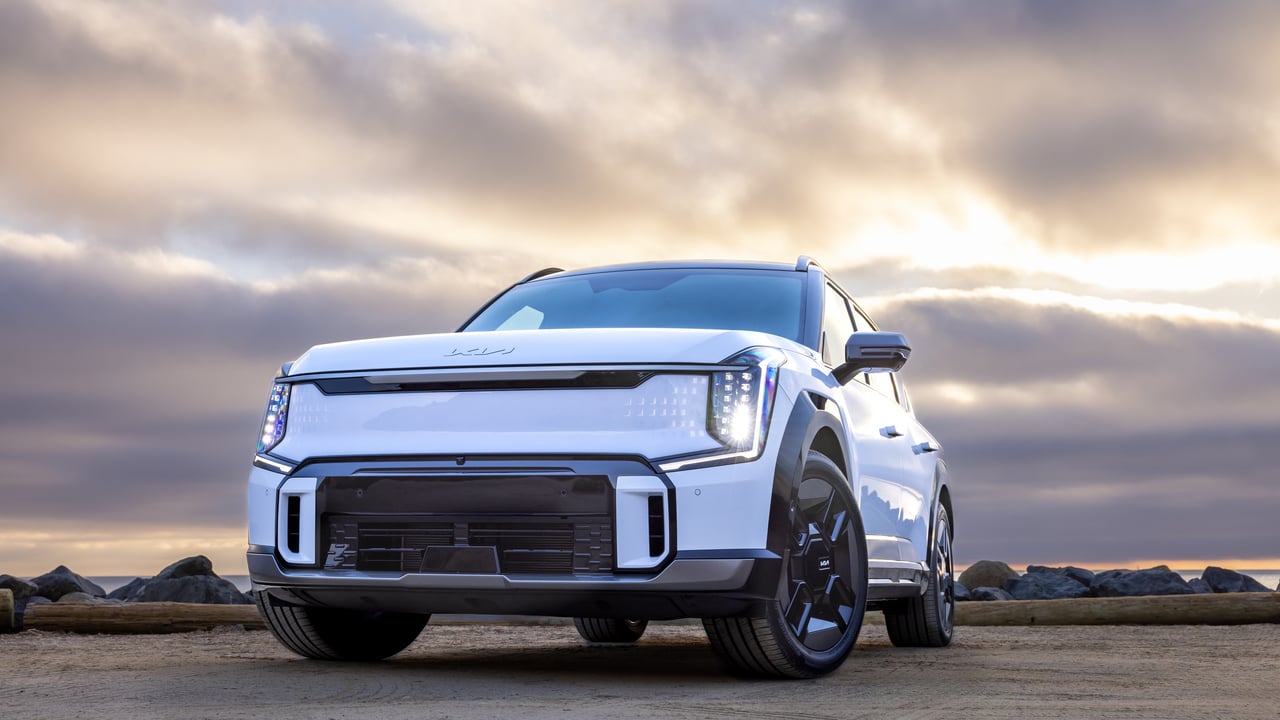
Kia has become one of the smartest problem solvers in the American market. The brand often looks one step ahead in the places where modern buyers actually feel friction. The EV9 is the clearest example. Kia brought the first three row SUV EV in its lineup to market with standard 800 volt architecture, fast charging from 10 to 80 % in under 25 minutes, and room for up to seven passengers. That already gave families something genuinely fresh. Then Kia pushed further.
In 2025, Kia said eligible EV9 owners and lessees could pre order Wallbox’s Quasar 2 bi directional charger and required equipment to enable vehicle to home capability, allowing the SUV to send stored energy back into a properly equipped home. That is a much bigger idea than a simple new trim or a fancy screen. It turns the vehicle into part of a home energy strategy. Kia’s innovation looks especially strong because it stays grounded in everyday use. The EV9 solves for space, charging, family travel, and energy resilience all at once. Very few brands in America are thinking that broadly right now, and even fewer are bringing those ideas into showrooms this quickly.
BMW
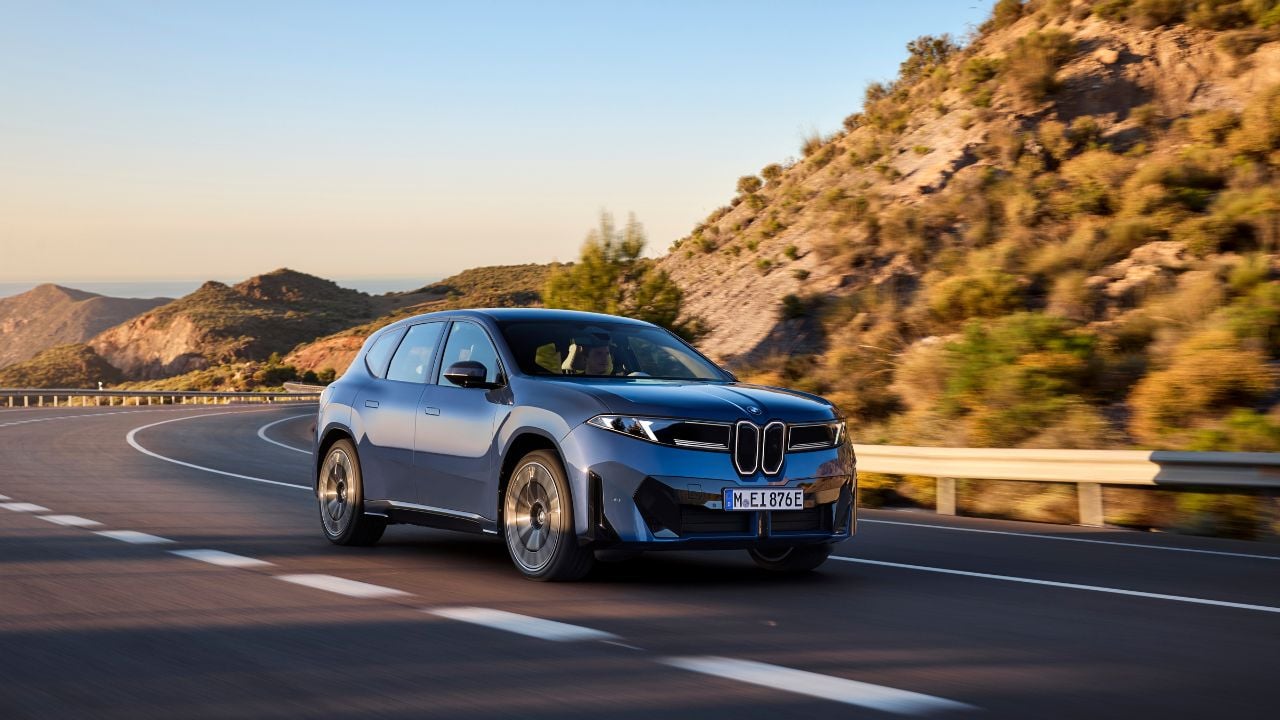
BMW’s innovation story in America increasingly revolves around software, interface design, and a complete rethink of how a car communicates with its driver. The Neue Klasse program gives the company its clearest next chapter, and the incoming iX3 shows how big that chapter could become. BMW says the iX3 market launch in the U.S. begins in the summer of 2026 as the first series production Neue Klasse model, and it calls the vehicle a preview of an entirely new era for the brand. That pitch carries substance.
The new model introduces BMW Panoramic iDrive, a full width windshield projection concept tied to BMW Operating System X, and BMW has said that this new display approach will spread across all future BMW models. The iX3 also carries sixth generation eDrive tech, a peak charging rate of 400 kW, and a standard NACS compatible charge port with a CCS adapter, and the new Heart of Joy control architecture for drivetrain and driving dynamics. By 2027, BMW says Neue Klasse technologies will reach 40 new or refreshed models. That is a massive rollout. BMW earns its place here because it is innovating across interface, charging, vehicle architecture, and even circular material strategy in one coordinated push.
Mercedes Benz
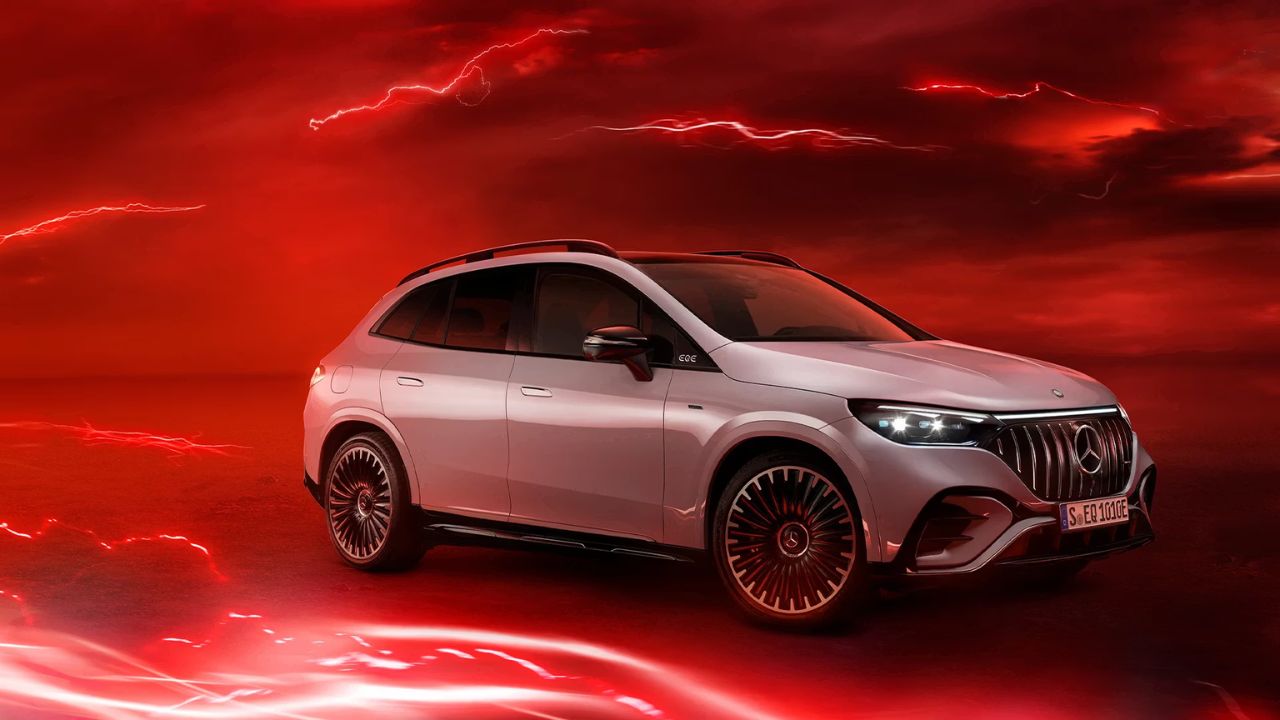
Mercedes Benz continues to define innovation in the most traditional luxury brand way possible. It aims high, moves first, and tries to make the rest of the industry react. In America, the best example remains DRIVE PILOT. Mercedes secured approvals in Nevada and California for DRIVE PILOT, making it the first SAE Level 3 system approved for use on designated California highways under certain conditions. That matters because Level 3 changes the conversation from advanced assistance to a much more serious form of automation under certain conditions.
Mercedes also used CES to talk about broader technology growth through charging and digital systems, yet DRIVE PILOT remains the headline feature because it touches regulation, engineering, safety, and public trust at the same time. Few innovations carry that much weight. Mercedes earns this spot because it still behaves like a company willing to bring difficult technology into the real world rather than leaving it inside a concept presentation. “In early 2026, Mercedes also paused the rollout of DRIVE PILOT on new models, showing how difficult Level 3 remains even after approvals.
Honda
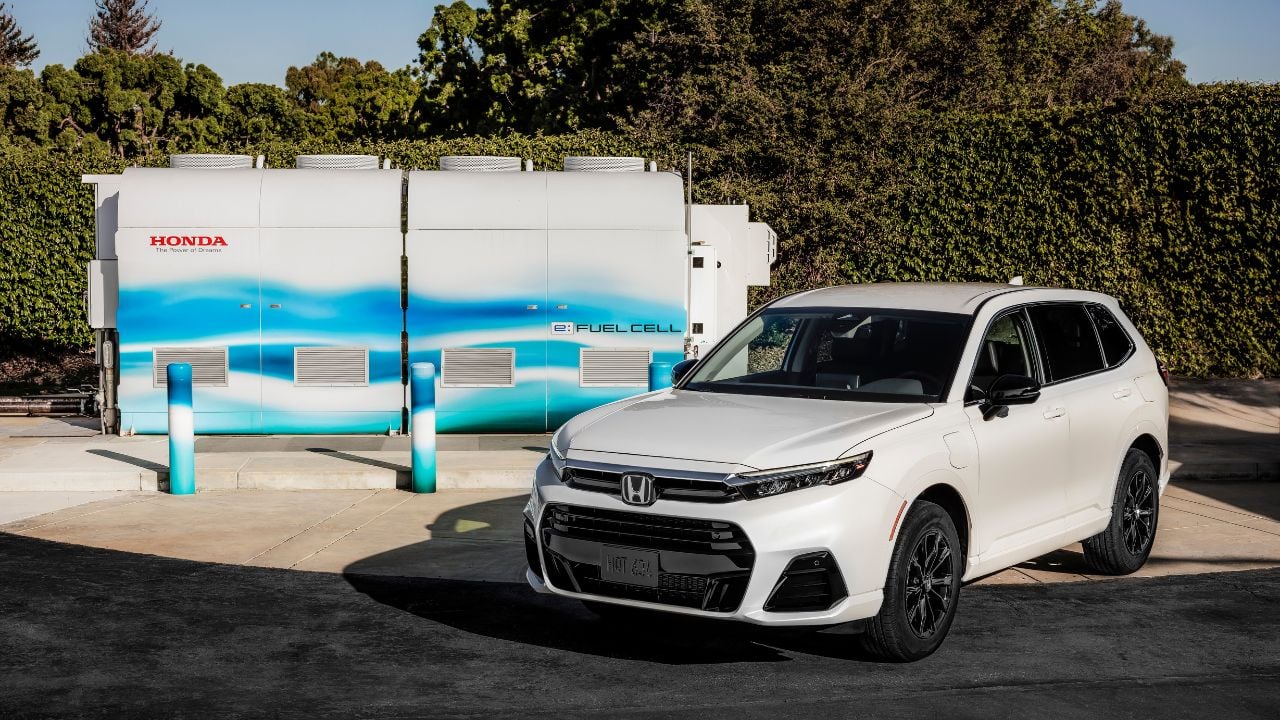
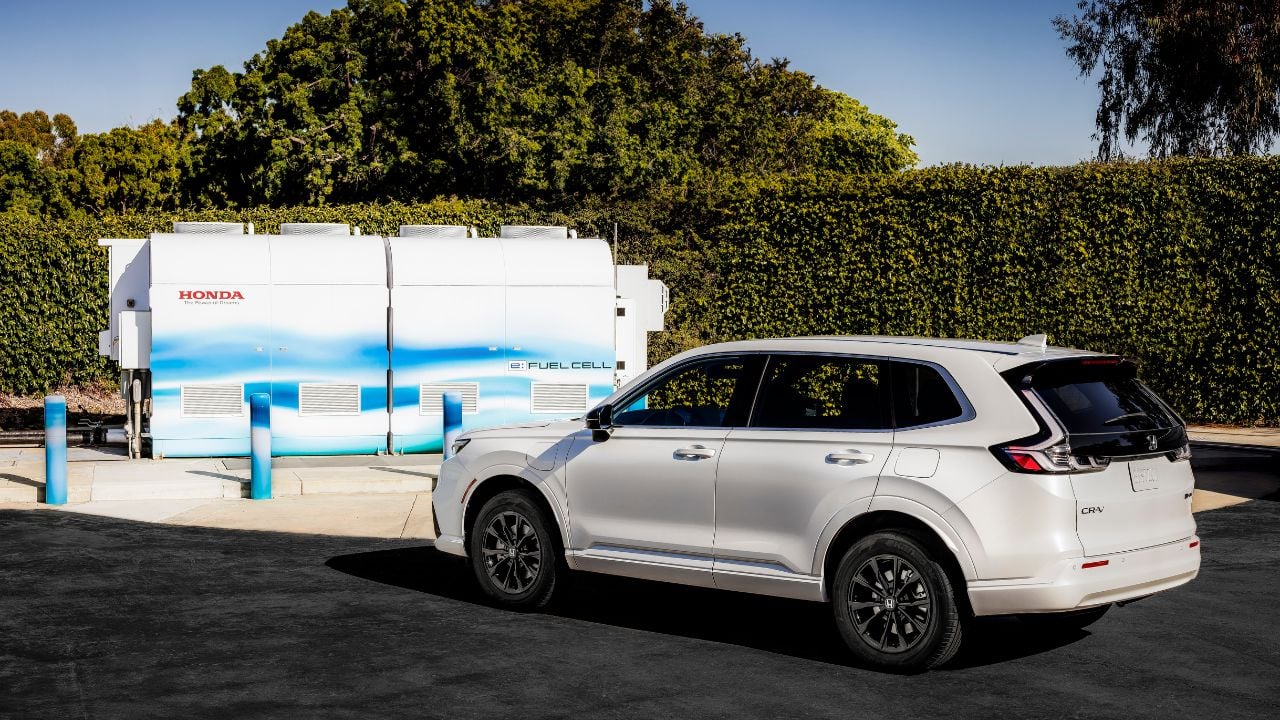
Honda’s innovation in America often feels practical first and quietly ambitious underneath. That combination has served the company well for decades, and it still works now. The clearest current example is the CR V e:FCEV. Honda calls it America’s first production plug in hydrogen fuel cell electric vehicle, and the project goes further than a badge exercise. The company says the vehicle uses an all new U.S. made fuel cell system, carries a 270 mile EPA driving range rating, and entered production in Marysville, Ohio.
Honda also presented its next generation fuel cell module at ACT Expo 2025, showing that the company sees hydrogen as part of a longer strategy rather than a one time demonstration. That broader view is exactly what keeps Honda relevant in this conversation. The brand still believes innovation should fit everyday life, which is why even its more unusual projects arrive in familiar shapes like the CR V. Hydrogen remains a difficult space, and that is part of the point. Honda keeps working there anyway, while much of the industry prefers easier narratives. Serious innovation often starts that way.
America’s Smartest Automotive Ideas Now Speak With Foreign Accents
The old script said the most inventive car brands in America would naturally come from America. The current market tells a richer story. Toyota is rethinking scale and energy pathways. Hyundai and Kia keep pushing charging, packaging, and EV usability in ways that feel immediate and useful. BMW is rewriting the digital experience from the windshield forward.
Mercedes Benz keeps taking bold steps in automation. Honda continues to test where hydrogen can fit into daily life. None of these brands built their reputations in Detroit, yet all of them are shaping the American market in major ways. That says a lot about where the industry stands in 2026. The most exciting thing may be this: the competition remains wide open, and American buyers are the ones who benefit most when outside ideas keep raising the standard.