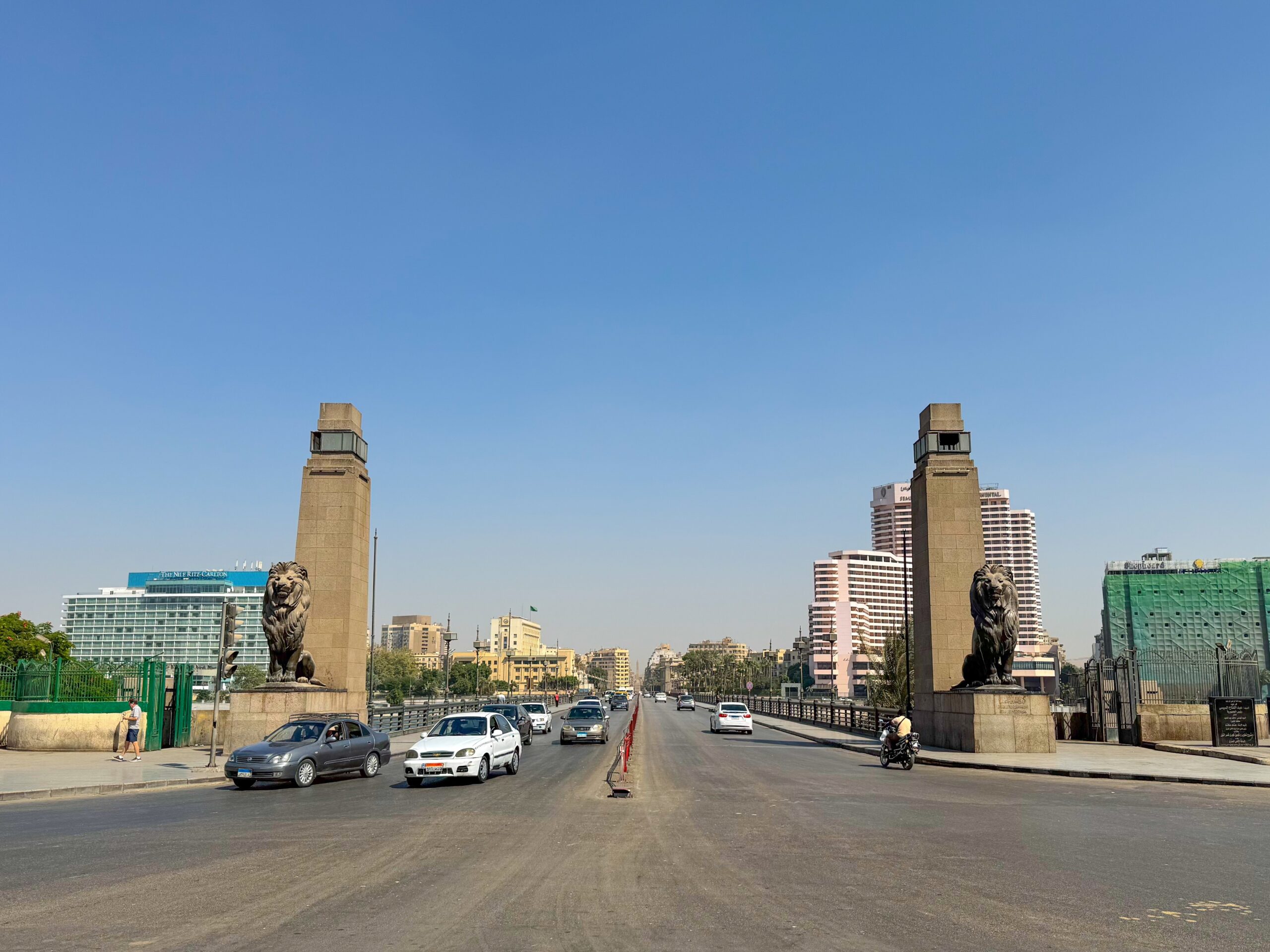
Egypt’s capital runs on motion, noise, and split-second decisions, so a ride negotiation can turn messy fast when you are tired and carrying bags. UK government travel advice notes that scammers and touts sometimes target foreign nationals in tourist areas, and it urges extra caution for women traveling alone at night in taxis. A bad first transfer can sour the mood before you even see a pyramid.
The good news is that most rip-offs follow predictable scripts. Australia’s Smartraveller guidance says overcharging and wrong-change tricks are common travel-scam patterns, including with taxi drivers. A few habits, plus the willingness to step away from pressure, usually keep your wallet safe and your day on track.
1. The Arrivals Hall “Friendly Offer” That Turns Expensive
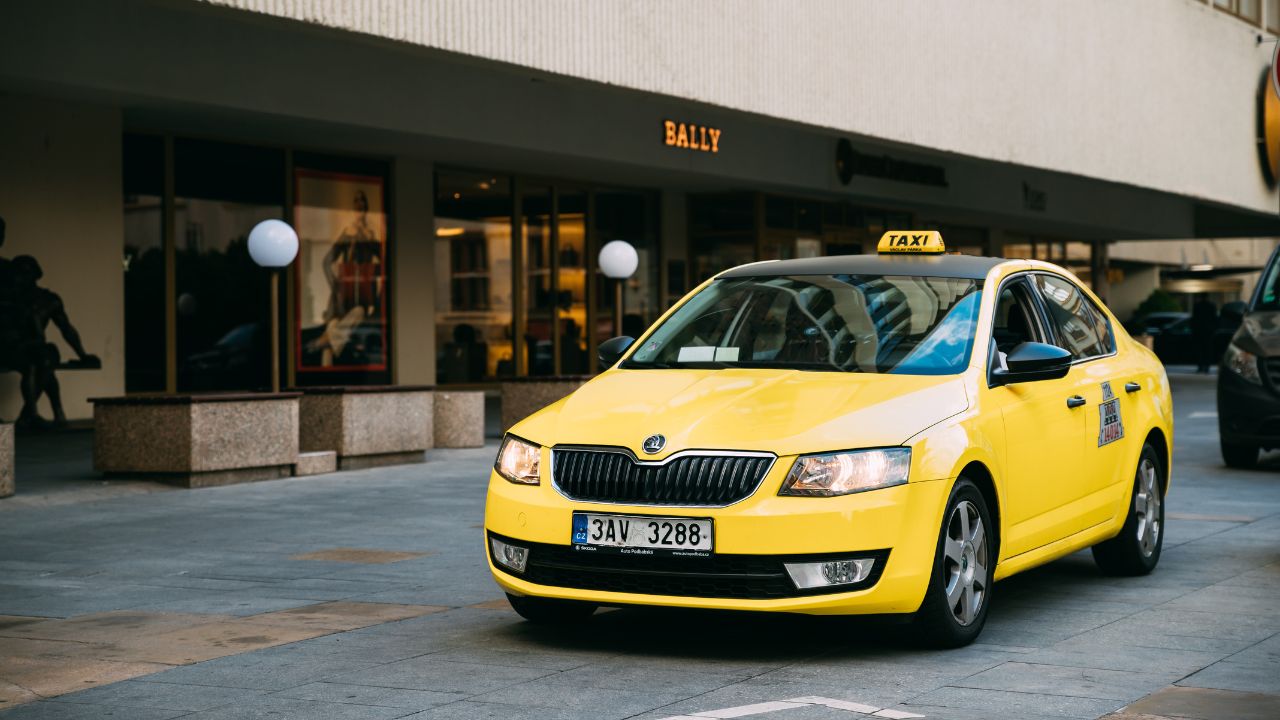
Outside baggage claim, someone may approach with a smile and a promise of a “good deal,” then steer you toward a vehicle with no clear pricing. Once you sit down, the number changes, or extra costs appear for luggage, late hours, or vague airport rules. Confusion is the tool, because arguing in a crowded terminal feels exhausting.
Cairo International Airport’s passenger guide says tourists are often targeted by taxi drivers in the arrivals hall, which is exactly why this setup works so well on tired newcomers. Pre-booked pickup through a reputable hotel, licensed transfer firm, or a known ride app reduces that uncertainty. Keep your destination written on your phone, confirm the total in Egyptian pounds before the door closes, and screenshot the agreed amount. When the pitch starts with urgency, treat that as your signal to walk away and choose a calmer option.
2. The “Meter Doesn’t Work” Line

A classic play is claiming the meter is broken, then proposing a fixed rate that lands far above normal. This gets extra messy in Cairo because the taxi fleet is not one clean category. Cairo Airport’s guide says the old black-and-white taxis usually do not have a meter and prices are negotiated before travel, while white taxis do have meters. A visitor can hear “the meter doesn’t work” when the real question is whether that taxi was ever supposed to be using one.
Your protection is clarity, not confrontation. If a working meter is expected and the driver refuses, choose another ride. If negotiation is standard for that car type, settle the full amount up front in local currency and avoid any “we’ll sort it out at the end” arrangement.
3. The Scenic Loop Disguised as “Traffic”
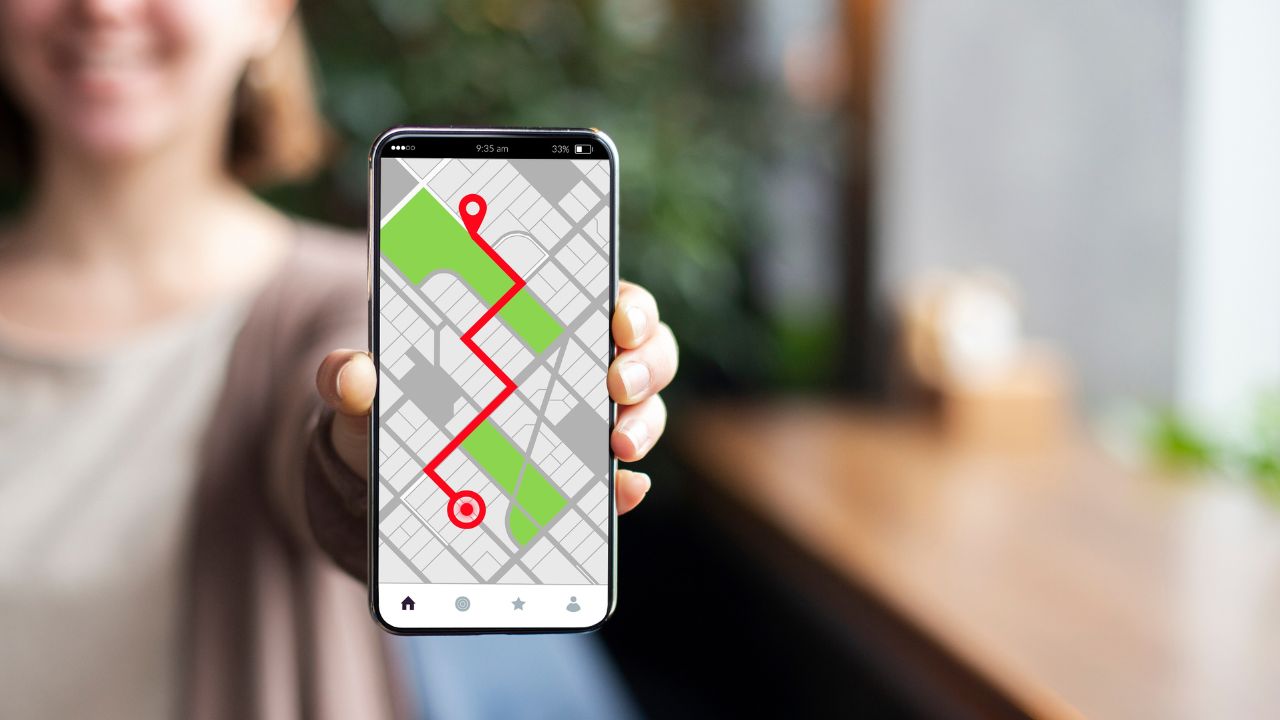
Another common hustle is the long route that quietly adds distance, then justifies the inflated charge with a shrug about congestion. Newcomers rarely know which bridge, ring-road stretch, or neighborhood cut-through actually makes sense. The goal is not speed. It is time on the road.
Maps fix this problem better than arguing. Open a navigation app, set the destination, and keep your screen visible. A simple line like “please follow this route” signals that you are paying attention, which often kills the detour instinct immediately.
4. Mystery Surcharges and “Official” Fees
Some rides end with add-ons that were never mentioned at the start, such as a “night fee,” “tourist price,” “bag charge,” or an invented toll payment. Because you are already at the hotel entrance, the moment favors the person demanding more cash. That cornering tactic is the entire design.
Protect yourself by making the agreement complete before moving an inch. Ask, “Is this the final total including any tolls?” and get a clear yes. Keep small bills ready so you can pay exactly what was agreed upon, then exit calmly without reopening the negotiation.
5. The Currency Confusion Game

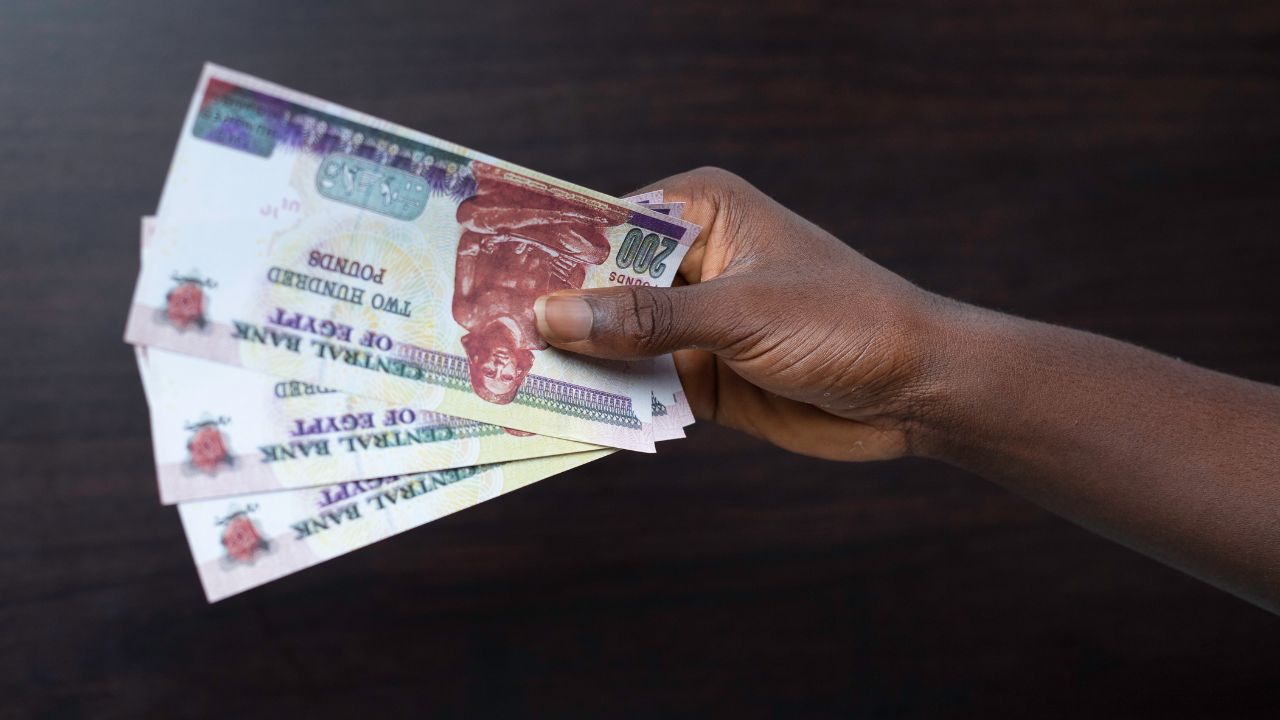
Quoting in dollars or euros, then collecting in Egyptian pounds at a made-up exchange rate is a fast way to drain a wallet. Big notes also create openings for “I thought you gave me a smaller bill” claims. Tourists lose money here because the math happens in the dark, at the end, with everyone tired.
Run everything in Egyptian pounds and make the number concrete. Show the amount on your phone screen, repeat it once, and pay with the smallest practical denomination. If a driver insists on foreign currency, treat that as a reason to choose a different ride.
6. The No-Change Trap

A frequent trick is claiming they cannot break a large note, then keeping it while “searching” for coins that never appear. Another version hands back the wrong change and relies on you being distracted by luggage or a lobby crowd. Smartraveller specifically flags wrong-change and overcharging patterns as a common travel-scam style.
Counter this with preparation, not drama. Carry a stack of smaller notes on arrival day and count what you receive before you step away. When payment becomes a performance, pause, check, and stay polite while staying firm.
7. The “Quick Stop” You Never Asked For

Some drivers propose a sudden stop at an ATM, a shop, or a “friend’s place,” framed as help or a shortcut. Often it is a commission play, and sometimes it is pressure to spend more. The awkward part is that saying yes once can invite a second request, then a third.
Set boundaries early and keep them simple. Decline extra stops, stick to your destination, and avoid handing over your phone for “directions.” If the vibe turns uncomfortable, prioritize getting out in a safe public spot rather than continuing a tense ride.