

Georgia has introduced new rules that bar foreign nationals without permanent residence permits from working as couriers, taxi drivers, and tour guides.
The change, effective from March 1, 2026, comes as part of the government’s broader effort to tighten labor controls and crack down on illegal migration. This represents a significant shift with far-reaching consequences for those working in transportation and delivery sectors.
The decree, issued on February 20, 2026, requires employers to post vacancies on the official state employment portal for at least ten working days before considering a foreign applicant. Only if no suitable Georgian candidate is found may a foreign worker be employed.

The regulation essentially prioritizes local labor in fields that have traditionally relied on a mix of domestic and international talent.
High-Stakes Changes for Drivers and Couriers
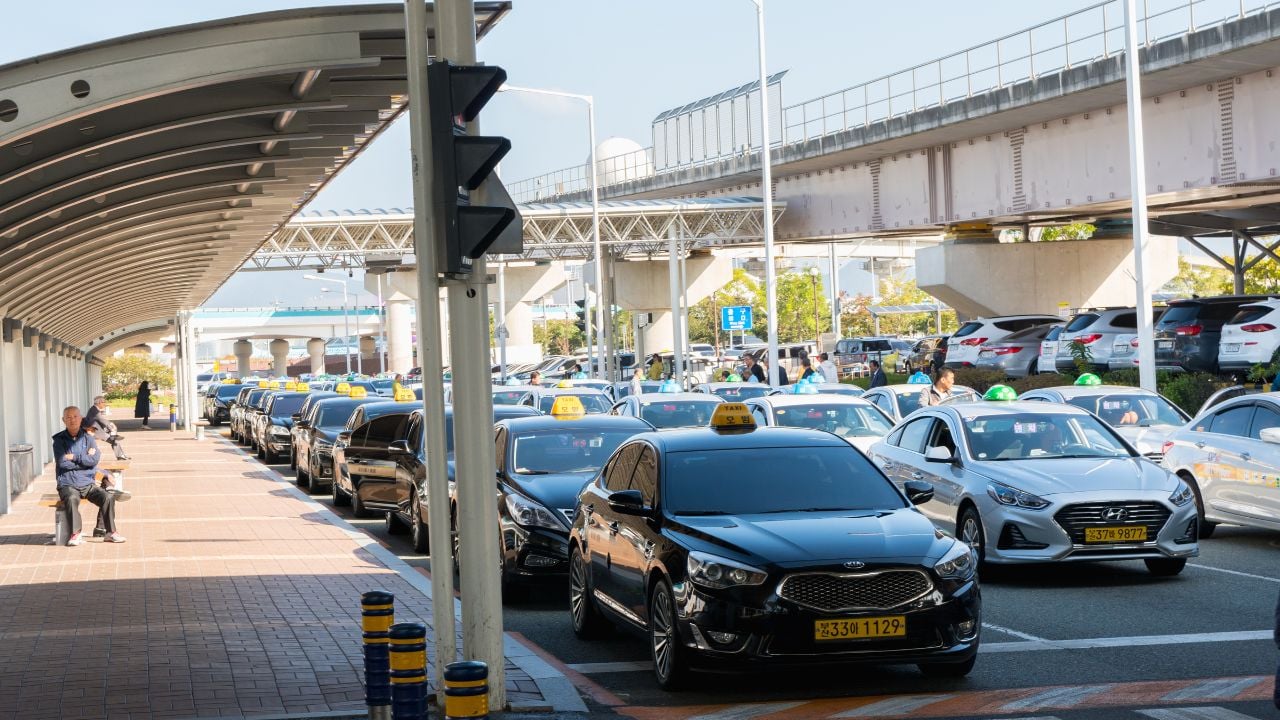
For taxi drivers and delivery couriers, this is a particularly high stakes change. These sectors are heavily reliant on flexible labor, including immigrants, to meet demand.
Ride-hailing services, courier companies, and logistics firms now face the challenge of reshaping recruitment strategies to ensure compliance and potentially adjusting operational capacity.
For freelance drivers and gig workers, the regulation may mean the end of opportunities that were once open to a global pool of applicants.

Tourism professionals are also affected. Tour guides, who have often brought multilingual capabilities and international perspectives, will now be subject to a strict quota system.
Companies in the tourism sector may have to pivot their hiring strategies to focus on Georgian nationals or offer intensive language and cultural training programs to develop local talent. The impact is expected to ripple through the visitor experience, potentially limiting the availability of guides fluent in widely spoken languages.
Deadlines and Transition Periods
The government emphasizes that the policy is aimed at controlling illegal migration. Current estimates suggest that roughly 20,000 undocumented migrants are in the country.
Authorities have indicated that around 4,000 individuals may be deported over the course of 2026. The work permit changes are a cornerstone of this strategy, ensuring that employment in key sectors is regulated and traceable.
Existing foreign workers in the targeted fields have some time to adapt. Transitional arrangements allow them to continue employment under the new rules until May 1, 2026. By January 1, 2027, these individuals must hold both a work permit and a residence permit to remain employed legally.
These deadlines signal that the government is taking a firm approach while providing a brief window for compliance.
Who Is Exempt?
Certain categories of employment remain exempt. International companies, innovative startups, and positions offering salaries above approximately 15,000 Georgian lari per month may still employ foreign talent.
Specialized roles in education, investment, and other strategic sectors are also protected under the exemptions. These carve-outs suggest that Georgia is balancing the need for local employment with the recognition that certain roles benefit from international expertise.

Employers seeking to hire foreign nationals must navigate a detailed permit system. Applications must follow precise procedures, and permits are subject to revocation if compliance requirements are not met.
Refugees, diplomats, accredited journalists, and investors’ permit holders are not impacted by these rules. For businesses in logistics, ride-hailing, and tourism, understanding these nuances is now essential.
A Regional Trend
This regulatory change highlights a growing trend across the region where governments are asserting control over the labor market while simultaneously encouraging investment and innovation.
For Georgia, the policy may strengthen local employment opportunities and tighten oversight. For the automotive and transport sectors, the immediate effects are already being felt in hiring practices and service delivery.
As the country adjusts, businesses and workers must be proactive. Companies that fail to adapt risk penalties or operational disruptions, while workers must secure the appropriate documentation to remain in their roles.
The landscape is shifting quickly, and those involved in the courier, taxi, and tour guide sectors will need to navigate it with foresight and strategy.
Sources: Civil Georgia