
Travel sentiment has shifted in several high-profile destinations over the past few years. Record visitor numbers, housing pressure, cruise congestion, and rising living costs have fueled public debate in places that once marketed constant growth. In some areas, residents have voiced frustration through protests, stricter local rules, or visible policy changes. None of this means travelers are banned, but it does mean the atmosphere in certain hotspots feels more tense than it did a decade ago.
Perception plays a powerful role in tourism. When entry fees appear, rental licenses tighten, or officials openly discuss reducing numbers, visitors can sense that shift. The countries below remain open and heavily visited, yet each has experienced well-documented conversations about managing pressure. The warmth is still there in many places, but the boundaries are clearer.
1. Spain
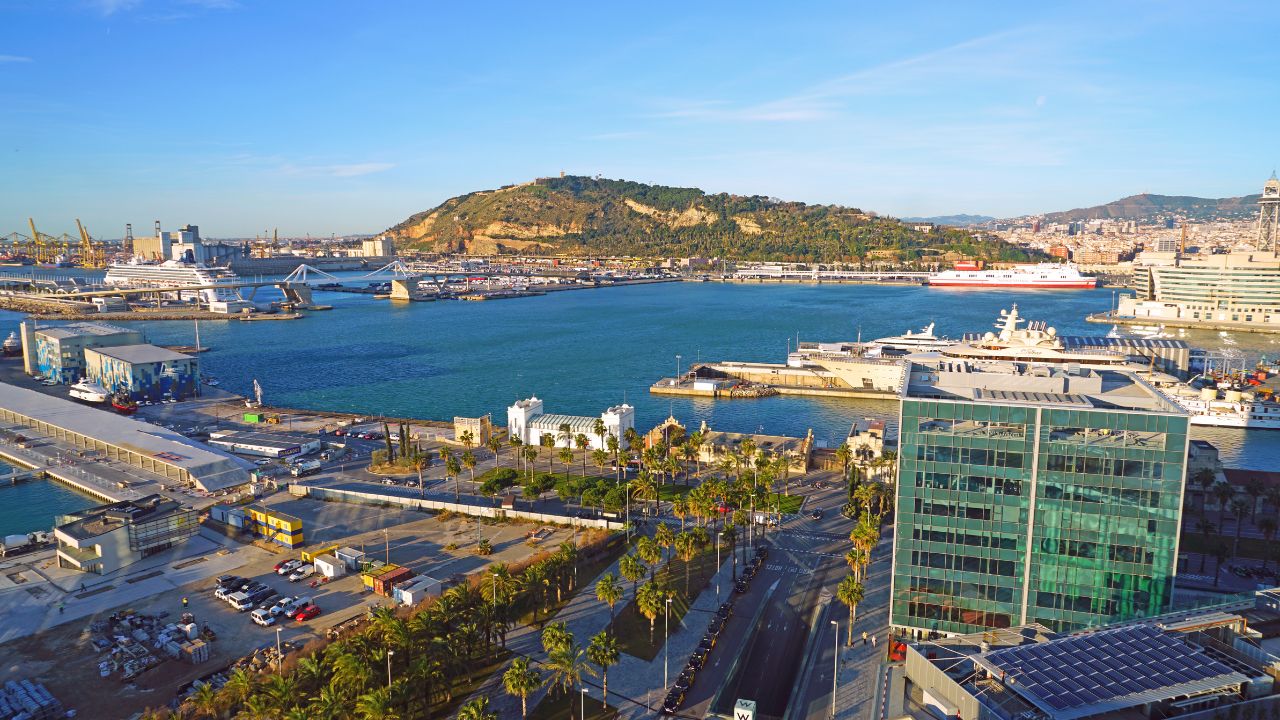
Spain has seen some of Europe’s most visible anti-overtourism demonstrations, particularly in Barcelona, the Balearic Islands, and the Canary Islands. Residents have protested housing shortages tied to short-term rentals and seasonal crowding. Authorities responded by tightening accommodation rules in several cities, and cruise traffic management has also become part of the policy debate.
National tourism bodies still promote Spain aggressively abroad, yet regional governments now frame growth around sustainability and housing protection. Barcelona’s city government has also said it plans to end tourist apartment rentals by 2028, a move widely covered in international reporting. The shift reflects resident pressure rather than hostility toward individual travelers.
2. Italy
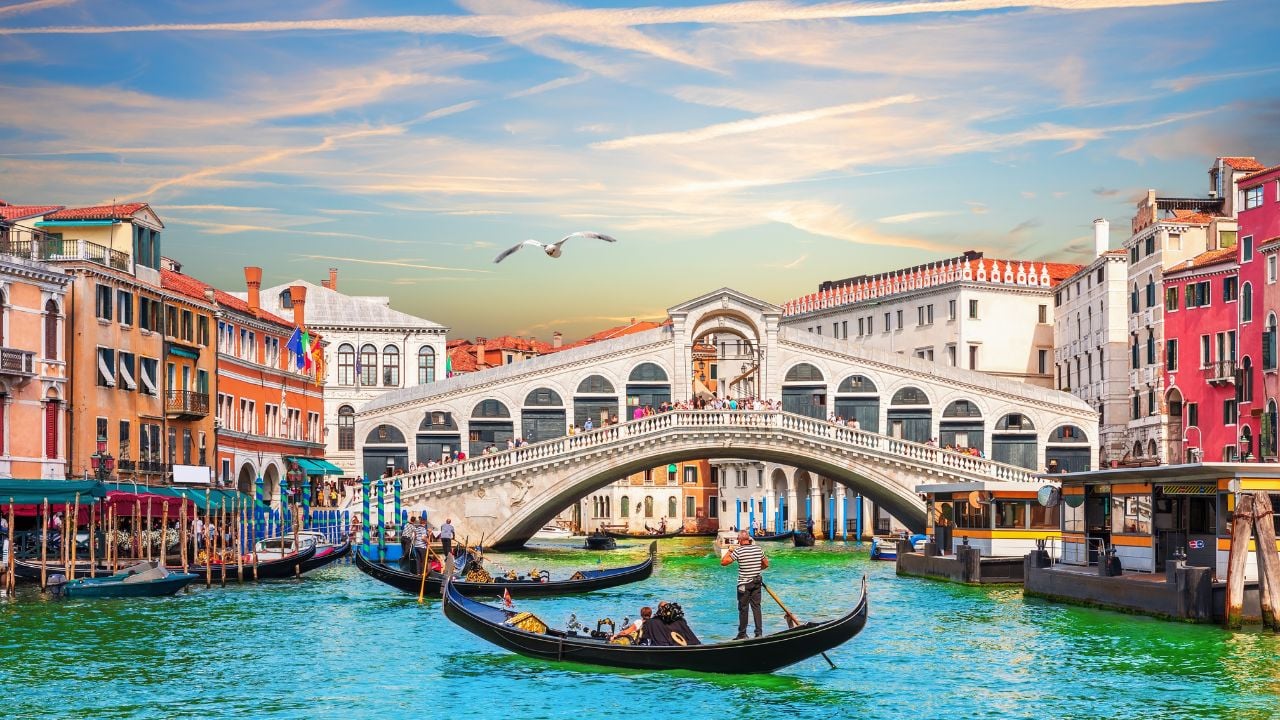
Italy’s iconic cities face persistent strain from dense day-trip flows. Venice introduced a pilot day-entry fee aimed at reducing peak congestion and funding city services. Florence has moved toward tighter controls on short-term tourist rentals in its historic core, and authorities have also experimented with rules intended to protect residential housing and daily life. Local policy has increasingly framed this as a livability issue, not a tourism ban.
Tourism remains essential to Italy’s economy, yet heritage protection now shapes more local decisions. In Rome and Venice, residents have publicly criticized the daily impact of packed streets and cruise surges. Authorities encourage visitors to explore secondary cities and lesser-known regions. Travelers may notice more booking requirements and timed access during busy months.
3. Netherlands
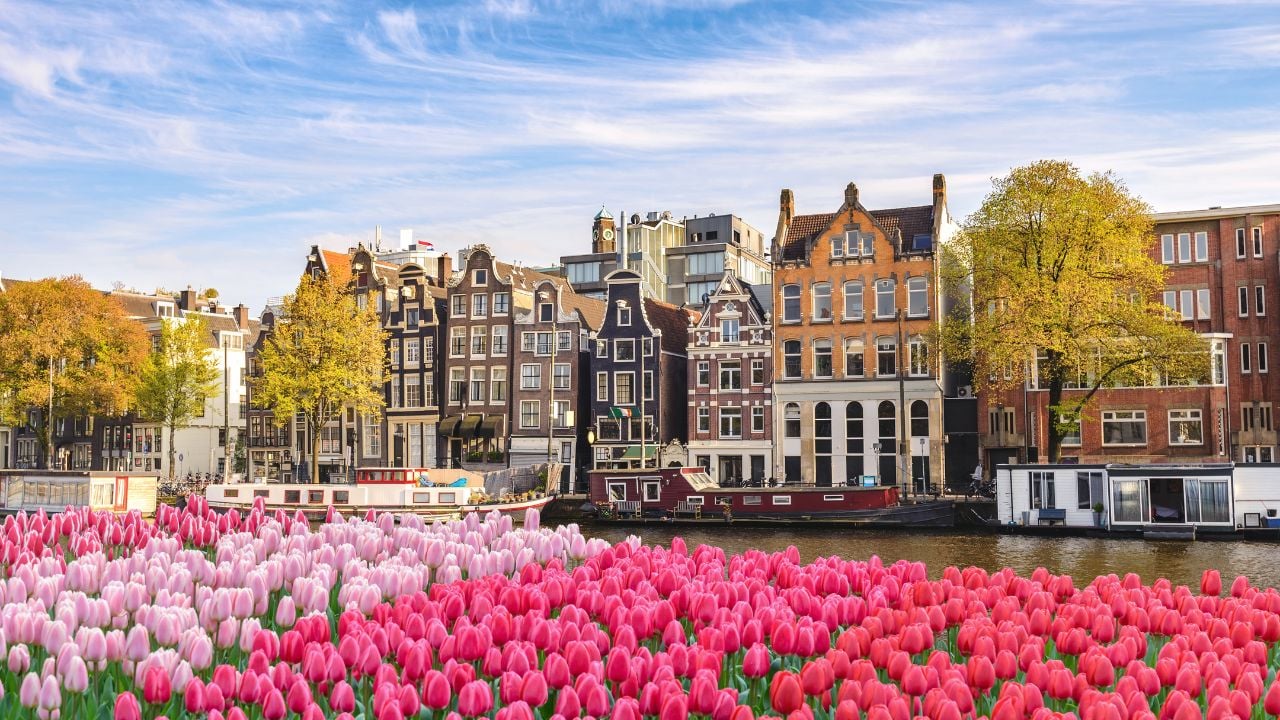
Amsterdam has taken a highly public stance on disruptive visitor behavior and crowding pressure. The city has restricted certain tourism-focused development in central areas, limited some categories of visitor accommodation, and pushed policy explicitly aimed at balancing visitor numbers with quality of life for residents. Tourist taxes have also become part of the long-running debate about discouraging ultra-short “party weekend” trips.
Beyond restrictions, authorities promote longer cultural visits and travel outside the most crowded canals. Cruise docking limits and sustainability measures remain part of ongoing discussions. Residents continue debating the housing impact of tourism in the capital. The overall welcome remains intact, but the tone is more regulated than carefree.
4. Japan
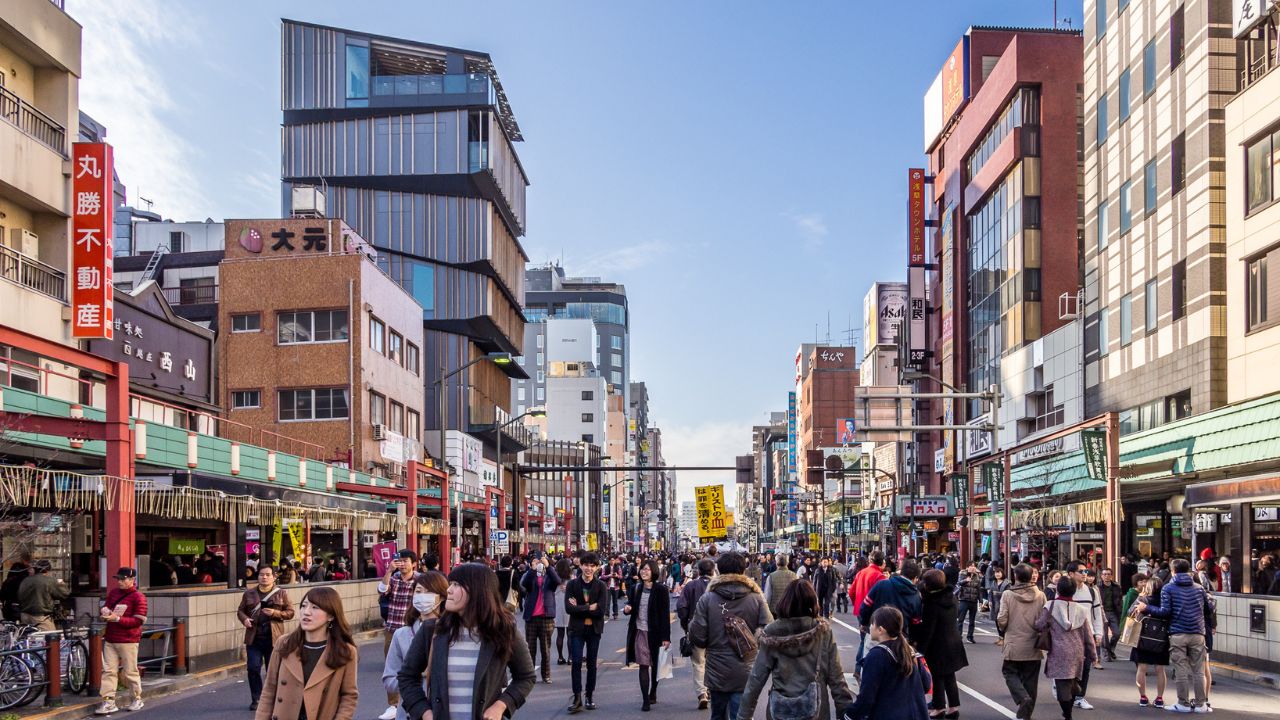
Japan experienced record inbound demand after reopening borders, especially in Kyoto and near Mount Fuji. In Kyoto, residents reported blocked streets and intrusive photography in historic neighborhoods. Local governments responded with etiquette campaigns, crowd-control signage, and transit adjustments. A town near Mount Fuji also drew global attention after putting up a temporary barrier at a famous photo spot to address congestion and behavior concerns. The episode became a symbol of how fast “viral travel” can force on-the-ground fixes.
National leaders still view tourism as a major economic engine, yet regional officials increasingly seek tools to spread arrivals beyond saturated districts. Timed-entry systems and structured visitor flows have expanded in sensitive areas. Popular neighborhoods can feel more managed than in earlier decades. Travelers who follow posted guidance generally report smooth experiences.
5. Greece

Santorini and Mykonos routinely face intense summer inflows, especially from cruise ships. On Santorini, port authorities have published cruise berthing policy and coordination measures that include an 8,000-passenger-per-day cap framework for cruise planning. Officials have also examined accommodation licensing limits and environmental carrying capacity studies. Water supply strain during heat waves has sharpened sustainability discussions.
Tourism officials emphasize that these measures aim to preserve local life and fragile island ecosystems. Conversations focus on managing peak days rather than cutting annual totals. Campaigns now promote shoulder-season travel and mainland cultural routes. Visitors may notice tighter organization in high-pressure island zones.
6. France
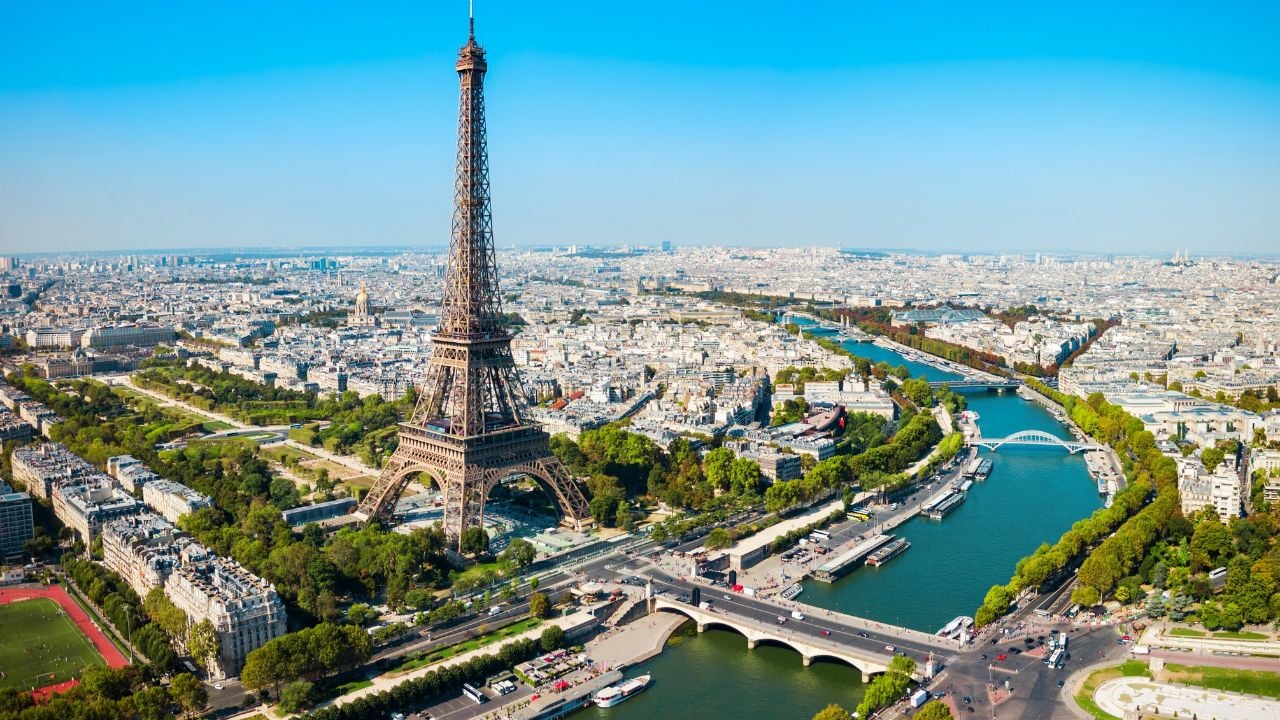
France remains the world’s most visited country, yet certain hotspots report friction. Residents in parts of Paris and coastal towns have expressed concern about housing affordability and short-term rental growth. Marseille and Nice have debated cruise traffic management. Some national parks introduced reservation systems during peak season to protect fragile environments.
National tourism offices continue strong global marketing, while local governments stress livability. Access controls in sensitive coastal areas aim to reduce erosion and overcrowding. The broader conversation centers on infrastructure protection rather than rejection of guests. Planning ahead reduces most friction points.
7. Portugal
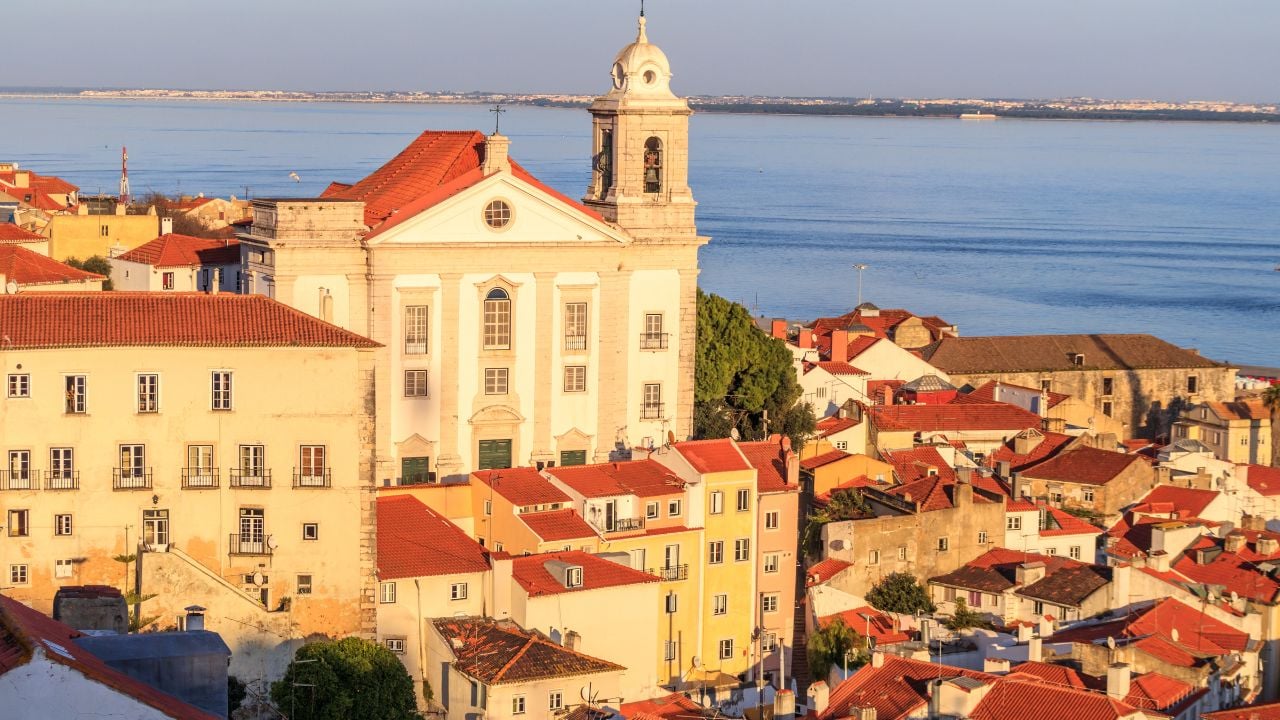
Lisbon experienced rapid growth in short-term rentals, fueling debates about housing affordability. Portugal’s “Mais Habitação” housing package (Law No. 56/2023) introduced measures that tightened the short-term rental framework and gave policymakers more tools to intervene in high-pressure areas. The law is published in the Diário da República, and its short-term rental provisions became part of a wider national housing and livability debate.
Portugal continues to welcome international visitors enthusiastically, yet urban livability now shapes policy more than pure expansion. Officials promote lesser-known regions to ease central pressure. Visitors exploring secondary cities often encounter a noticeably calmer atmosphere. The regulatory shift reflects housing stabilization efforts, not anti-tourist sentiment.
8. Croatia
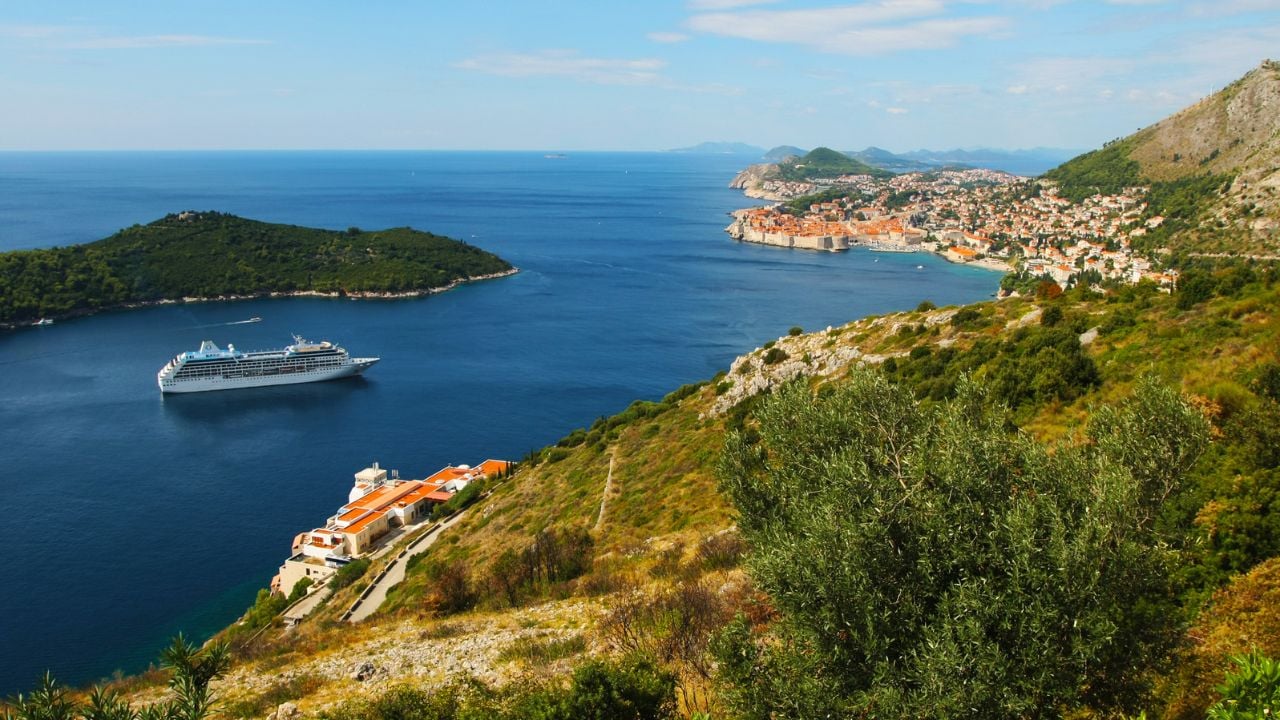
Dubrovnik’s medieval old town became a global symbol of overtourism during heavy cruise seasons. Authorities implemented visitor counting systems to limit simultaneous entry within the city walls. UNESCO recommendations influenced adjustments designed to protect heritage structures. Coordinated cruise scheduling has reduced sudden crowd spikes.
National tourism planners encourage travel to inland areas and smaller coastal communities. Digital monitoring tools help manage density in historic cores. Residents continue advocating for sustainable tourism models. Croatia remains welcoming, though iconic districts operate under closer oversight than before.
9. Iceland
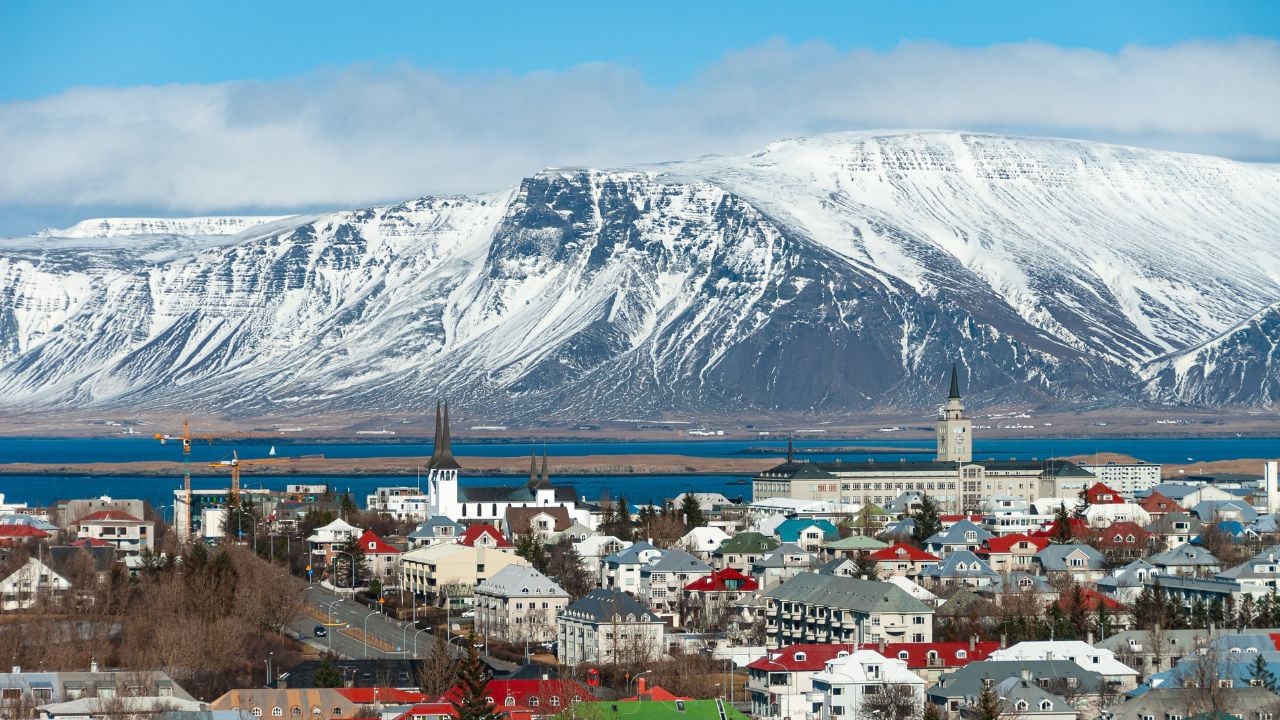
Iceland’s rapid tourism growth after 2010 created visible infrastructure strain in small communities. Authorities introduced visitor fees and taxes at certain points in the travel economy to help fund maintenance and public services. For example, Iceland’s tax authority outlines how the lodging tax works and how rates are applied across different accommodation categories. Road congestion near waterfalls and geothermal sites also prompted safety upgrades and more structured parking.
Tourism remains central to Iceland’s economy, yet environmental preservation now drives much of the conversation. Officials seek to balance economic benefit with protection of delicate landscapes. Visitors may notice higher service costs and more structured access systems. Respecting nature guidelines plays a major role in how welcome one feels.
10. Thailand
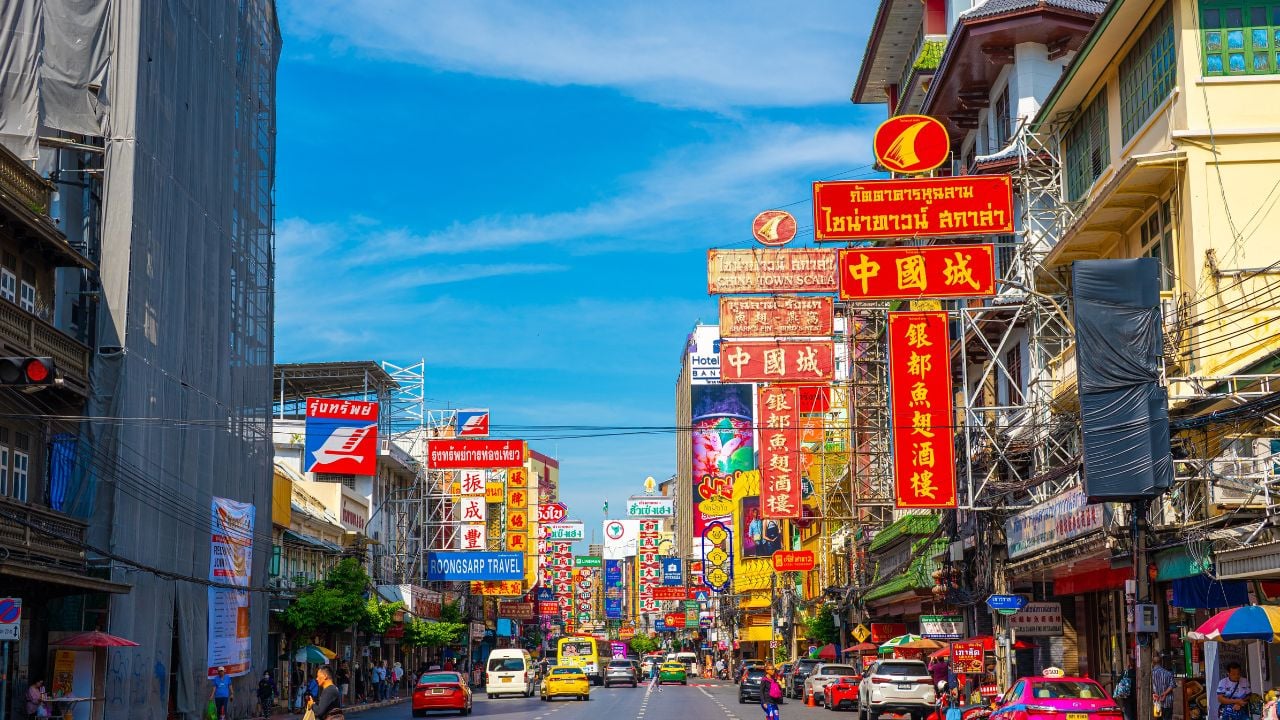
Thailand continues to attract millions of travelers, though some areas show signs of fatigue. Maya Bay closed temporarily for ecological recovery after coral damage linked to heavy visitation, and authorities have continued using seasonal closures and strict rules to reduce pressure. Thailand’s public information service has also published notices explaining reopening windows tied to restoration cycles. That stop-start rhythm is now part of the sustainability story.
National campaigns emphasize dispersal beyond the busiest islands and more sustainable travel behavior. Officials aim to protect marine ecosystems while maintaining visitor revenue. Travelers who follow environmental rules and local guidance generally report positive experiences. The evolving policies reflect resource protection rather than rejection of guests.
Travel patterns are cyclical. Places that feel strained today may stabilize as policies take effect, while quieter destinations may eventually face similar pressure. The practical lesson is simple: stay informed, travel respectfully, and understand that popularity always changes the chemistry of a place.