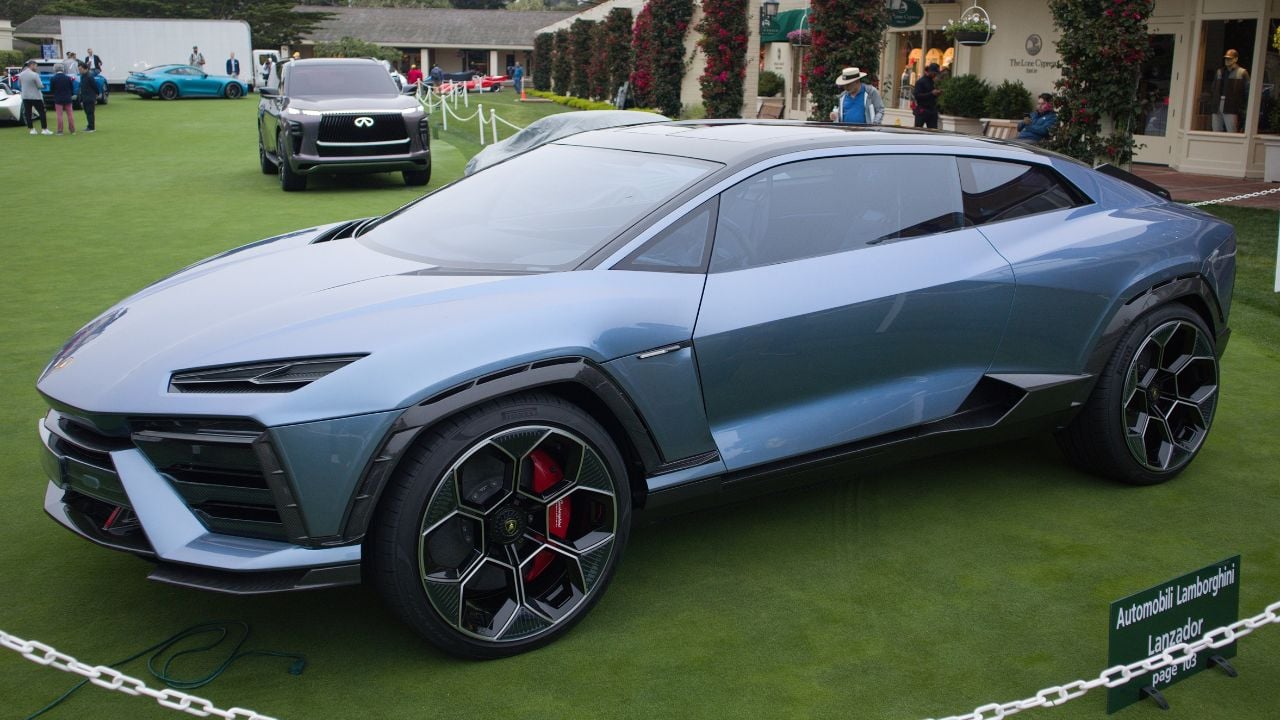
Lamborghini has abandoned plans to launch its first fully electric model, the Lanzador, marking a sharp shift in strategy for one of the world’s most recognizable supercar brands. The decision follows internal analysis, dealer feedback, and customer research that revealed weak appetite for high-end electric vehicles.
CEO Stephan Winkelmann confirmed that demand among Lamborghini’s core buyers is effectively nonexistent, forcing the company to rethink its electrification timeline.
Originally unveiled in 2023, the Lanzador was positioned as a high-performance electric “Ultra GT” with production slated for 2028. However, Lamborghini has now scrapped the full-EV version entirely, opting instead to develop a plug-in hybrid replacement.
The move reflects broader hesitation across the luxury automotive sector, where electrification is proving more complex than expected. This is especially so in segments defined by emotion, sound, and mechanical engagement.
Weak Demand Forces Strategic Reset
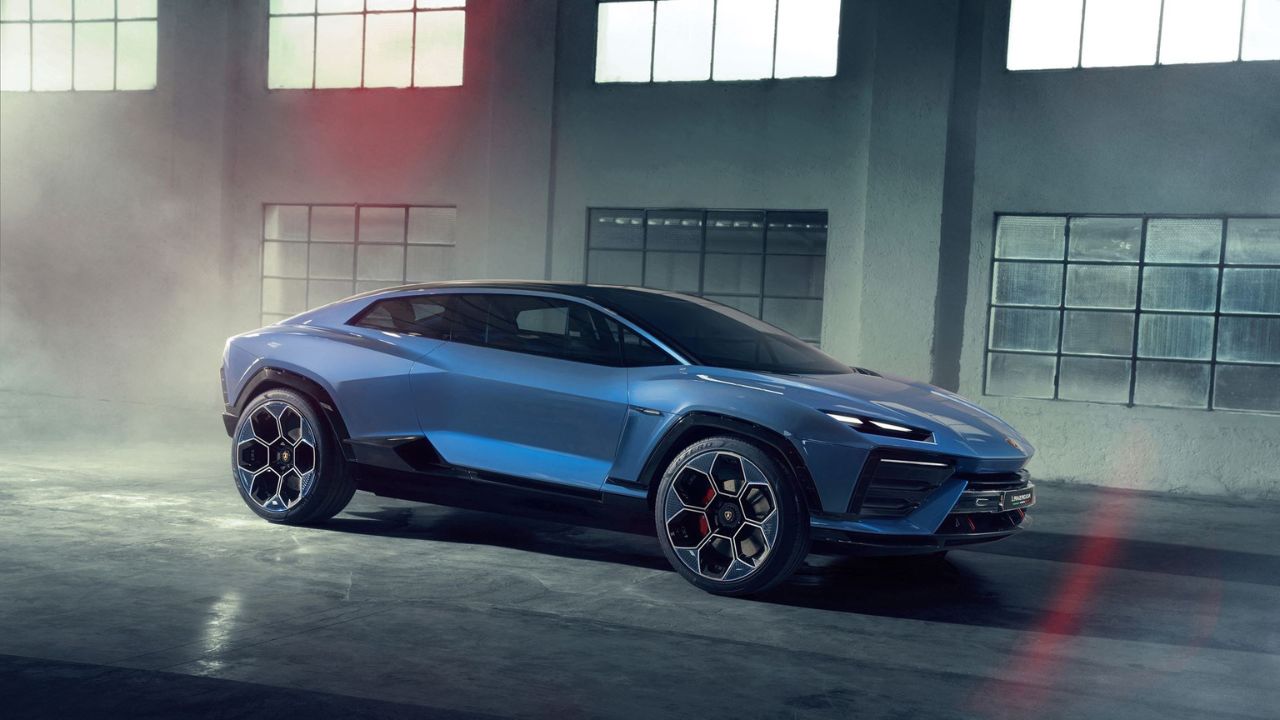
Lamborghini’s decision is rooted in a clear market signal: ultra-wealthy buyers are not embracing electric supercars. Winkelmann stated that acceptance of EVs within the brand’s target market is “close to zero,” following extensive customer and dealer consultations.
The Lanzador program had already undergone years of evaluation before being dropped. Internal reviews concluded that continued investment in a fully electric flagship would carry significant financial risk, especially given uncertain returns.
This is not an isolated case. Across the industry, several automakers have scaled back their EV plans due to slower-than-expected adoption, considering the high development costs. The luxury segment appears particularly resistant, with pricing exceeding $300,000, and buyers expect performance metrics alongside emotional engagement.
For Lamborghini, the data pointed to a mismatch between the product and its intended audience. Traditional customers, including collectors and performance enthusiasts, remain unconvinced of the value of battery-electric offerings.
The Emotional Gap in Electric Supercars
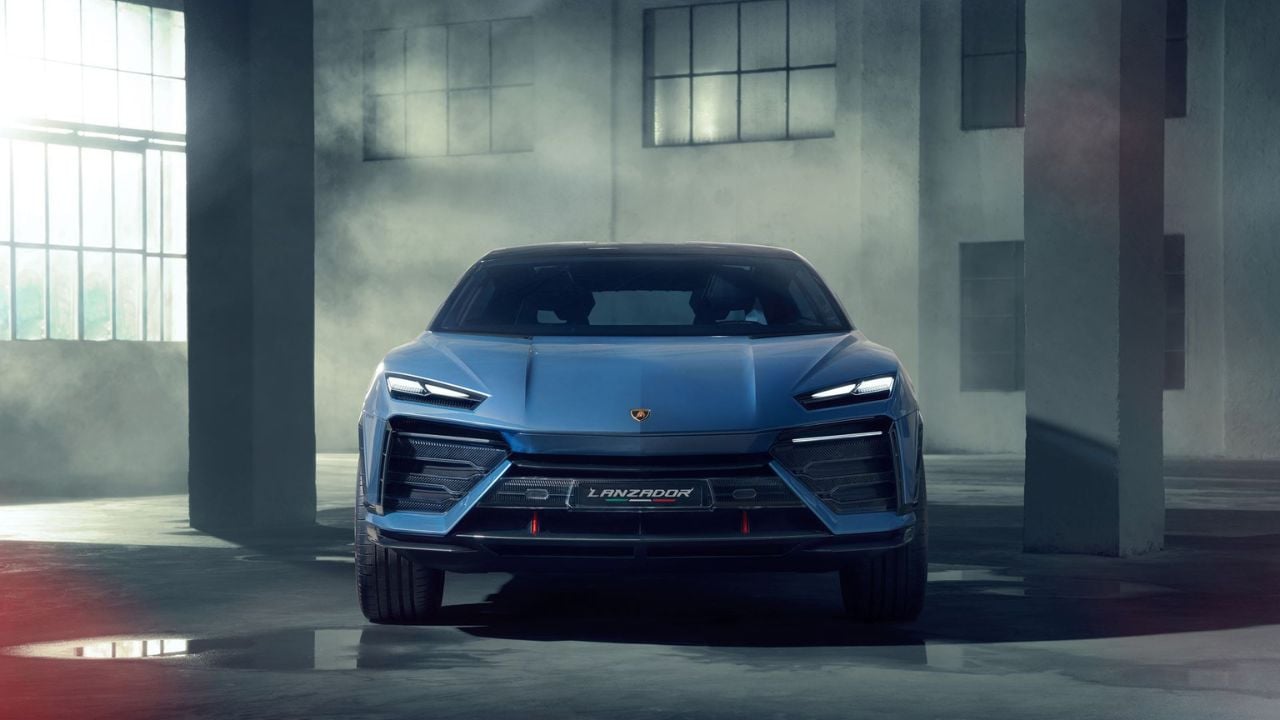
Beyond demand, Lamborghini identified a deeper issue: electric vehicles struggle to replicate the emotional appeal that defines the brand. Winkelmann noted that EVs lack the sensory experience associated with combustion engines. That is sound and mechanical feedback.
For decades, Lamborghini’s identity has been built around high-revving V10 and V12 engines, aggressive design, and visceral driving dynamics. These characteristics remain central to its value proposition.
Electric drivetrains, while capable of delivering extreme acceleration, have not yet evolved to provide the same level of engagement. This gap has proven problematic in a segment where buyers prioritize experience over efficiency.
The challenge is not technical capability but brand alignment. Lamborghini concluded that launching a silent, fully electric model risks diluting its core appeal, for now.
Hybrids Take Priority as EV Plans Stall
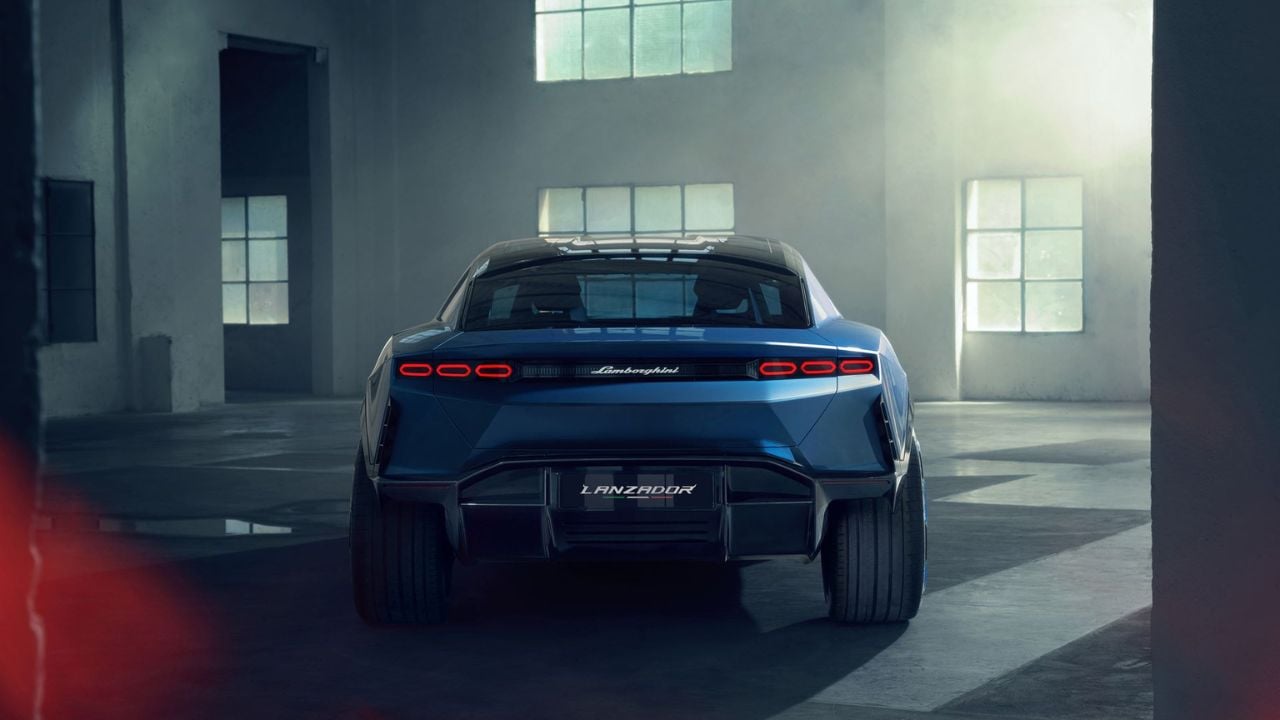
Instead of pursuing a full EV, Lamborghini will transition toward plug-in hybrid vehicles (PHEVs) across its lineup. The Lanzador nameplate is expected to return in hybrid form, preserving performance while introducing electrification.
By 2030, the company plans to offer a fully hybridized range, combining combustion engines with electric assistance. At the same time, Lamborghini intends to continue producing internal combustion engines “for as long as possible,” reflecting ongoing customer demand.
This approach allows Lamborghini to meet tightening emissions regulations while maintaining the driving characteristics its customers expect. It also reduces the financial risk associated with developing a standalone EV platform in a segment that has yet to prove viable.
While mass-market EV adoption continues to grow, the ultra-luxury performance segment is growing more slowly. Lamborghini’s reversal underscores the limits of a one-size-fits-all electrification strategy.