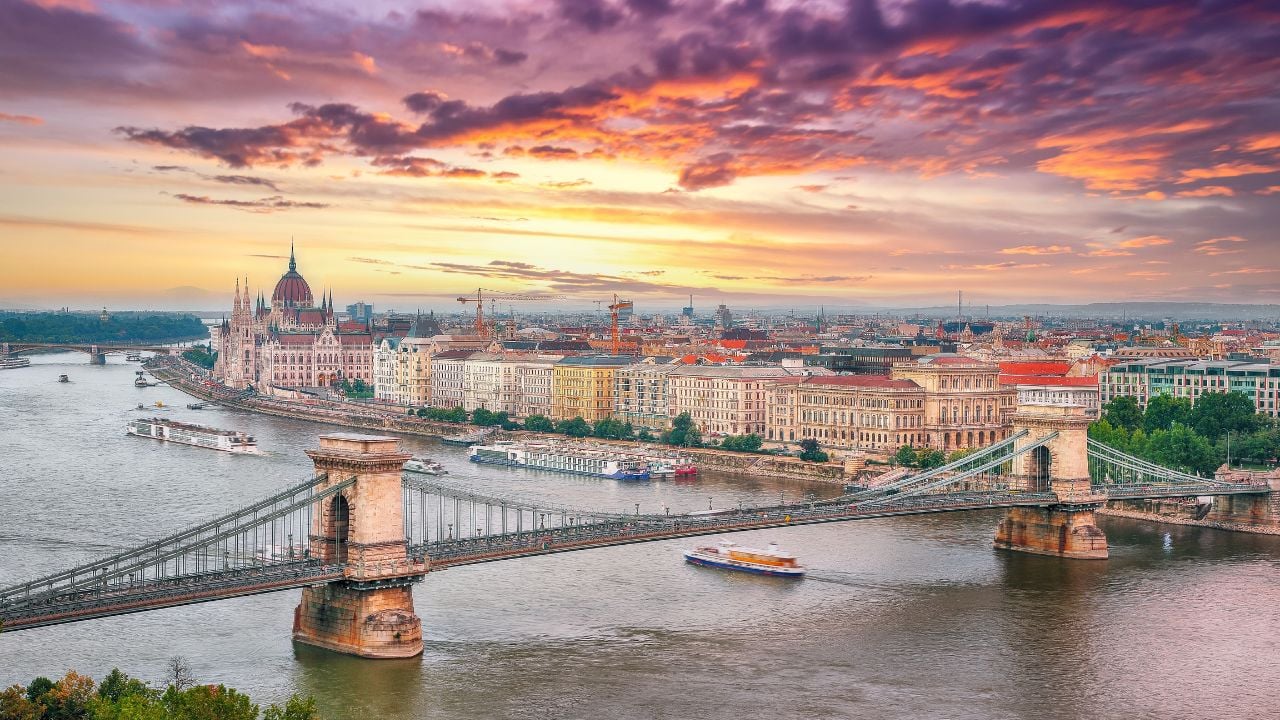
Europe’s most visited urban hotspots are not closing their doors, but many are changing the rules around entry, behavior, and short-stay housing. In several places, the tone has shifted from promotion to management—especially where residents tie crowd pressure to rent spikes, noise, and daily friction on narrow streets. What makes this story worth tracking is that the pushback now shows up in actual ordinances, caps, and licensing decisions, not just angry headlines.
One accuracy note before we jump in: this article uses “capitals” in the broad travel sense (basically touristic hotspots), including major regional capitals such as Barcelona and Venice, because some of the strongest anti-crowd measures are happening there. That keeps the list aligned with what travelers are actually experiencing on the ground, where municipal policy often matters more than national politics.
1. Amsterdam, Netherlands
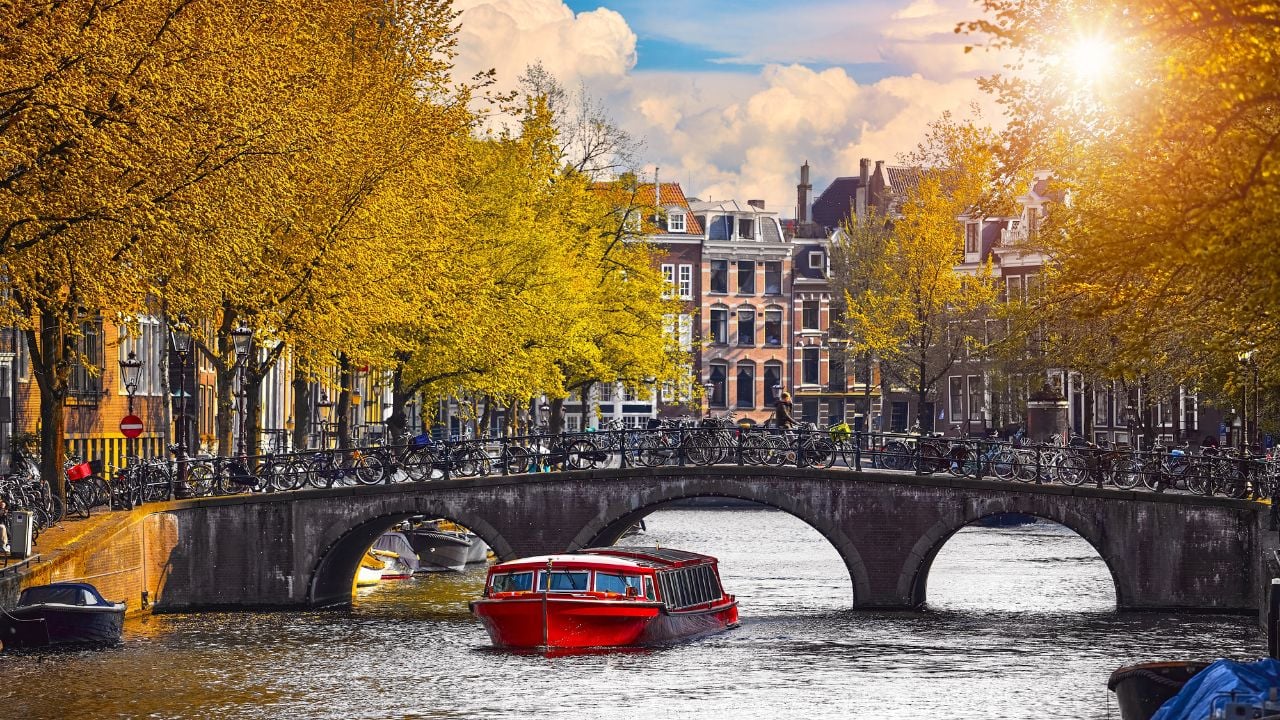
Amsterdam has spent years trying to rebalance visitor spending with neighborhood livability, and the official language now says that plainly. The city’s tourism policy page lists nuisance prevention, pub-crawl controls, river-cruise limits, earlier closing times in parts of the center, and restrictions tied to the City in Balance program. It also references the “Stay Away” and “Renew Your View” campaigns, which tells you a lot about the shift in tone.
Cruises have become one of the biggest symbols in that debate. Amsterdam’s municipal government says it decided in 2024 to cut allowed sea-cruise calls from 190 to 100 by 2026 and remove the terminal from Veemkade by 2035, while a newer city statement says the executive is exploring ending sea cruises in Amsterdam by 2035. Reuters also captured the local mood earlier, including a resident saying the city felt overcrowded for people who actually live there.
2. Athens, Greece

Athens is not fighting visitors as such. The pressure point is housing, and Greek officials have said that openly while targeting short-term rentals in central districts. Reuters reported that the government announced a ban on new short-term rental licenses in three central Athens districts for at least a year, with implementation starting on January 1, 2025, alongside higher taxes on holiday lets.
That move came with a very familiar urban complaint: residents struggling to find an affordable apartment while more homes shift into guest use. Reuters quoted both government officials and Athenians describing the squeeze. It framed the policy as an attempt to balance a profitable travel economy with social strain in the capital. For travelers, that means Athens is still welcoming, but the rules around where people can monetize housing are getting tighter.
3. Barcelona, Spain
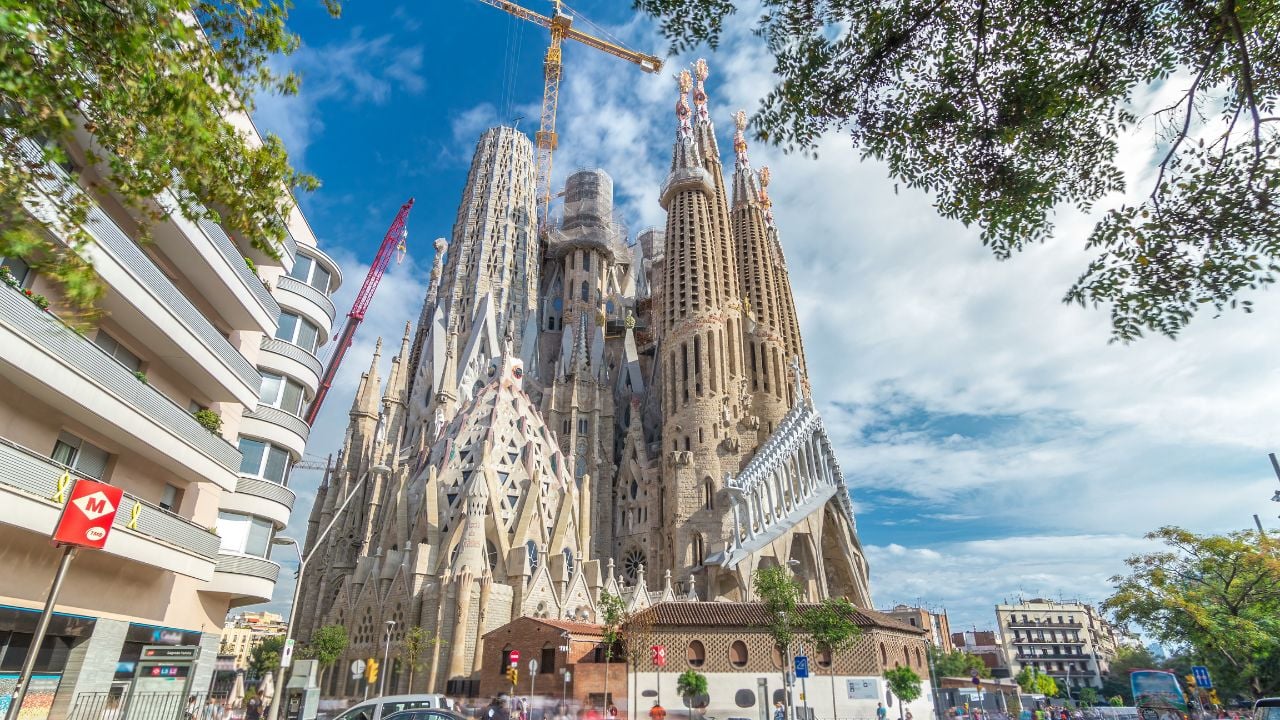
Barcelona remains one of Europe’s clearest examples of a city leadership team choosing a dramatic housing-first response. Reuters reported that the mayor announced the city would scrap licenses for 10,101 approved short-term rental apartments by November 2028 in an effort to improve livability and tackle rising rents. That is not a cosmetic tweak. It is a structural change to how overnight demand is absorbed.
The legal and political fight has already gone beyond city hall speeches. Reuters later reported that one of Spain’s top courts backed the plan and that local authorities would not renew tourism licenses after 2028. At the same time, anti-tourism demonstrations in Spain, including Barcelona, have kept public anger in view, which helps explain why officials feel pressure to act rather than merely study the issue.
4. Budapest, Hungary

Budapest’s story is especially interesting because the sharpest action started at the district level, not across the whole capital at once. Reuters reported that residents in the 6th district voted in a referendum to ban short-term rentals from 2026, with 54% backing the move. District officials framed the result as a choice for neighborhood peace over tourism-linked income.
That local vote also pushed the conversation upward. Reuters separately reported that Hungary’s government was considering a moratorium on new Airbnb licenses in Budapest and possible tax increases on short-term apartment rentals in the capital. In other words, a district ballot became a policy signal for the wider metropolis, which is exactly how urban crackdowns often spread.
5. Paris, France
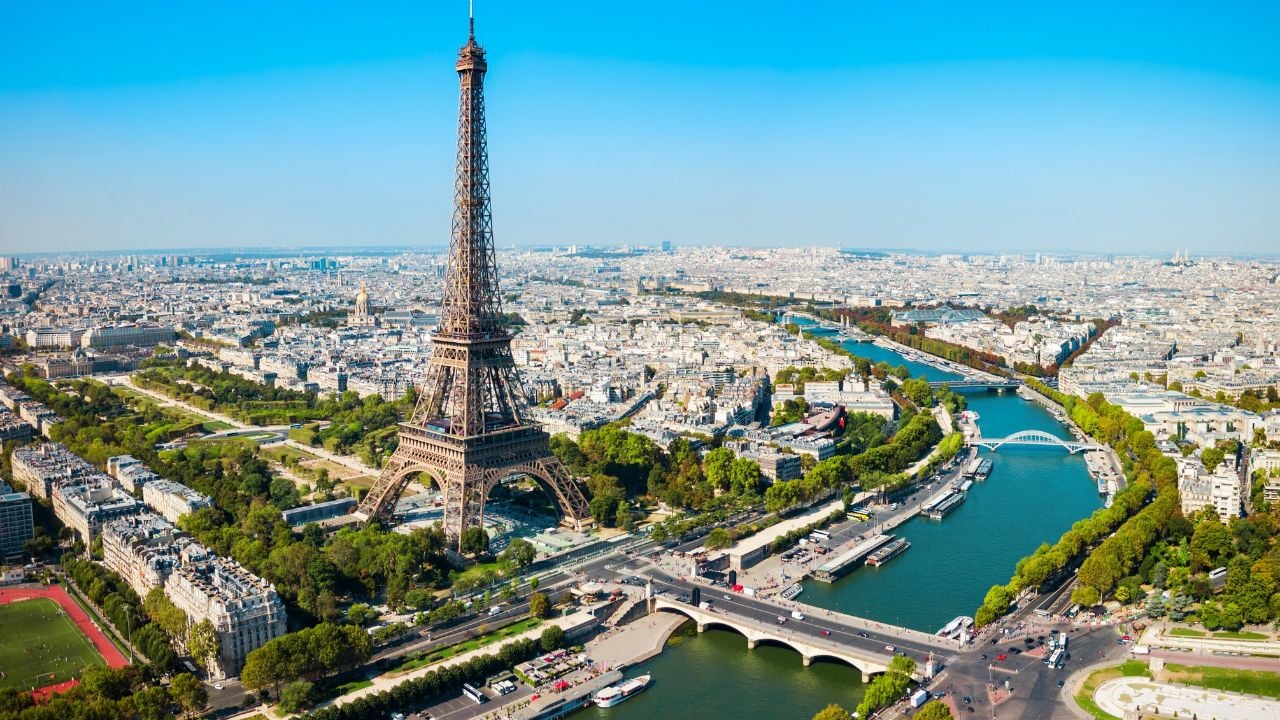
Paris has long had the scale to absorb huge visitor numbers, but some neighborhoods are now showing the same symptoms seen in tighter historic cores elsewhere. Reuters reported residents in Montmartre warning that the area was starting to feel like a theme park, with essential local shops disappearing and crowding worsening after a tourism surge. That phrasing came from people living there, not from a travel think tank.
Officials are not pretending housing policy is separate from the tourism debate. Reuters noted that Paris tightened short-term rental rules by cutting the annual limit for renting out a primary residence from 120 to 90 days, and local representatives in Montmartre linked the bigger issue to fighting platform-driven conversion pressure. The capital is still immensely visitable, but the political direction is toward heavier management in high-traffic quarters.
6. Prague, Czech Republic

Prague’s move targeted a very specific behavior pattern: organized nighttime pub crawls. AP reported that the Czech capital approved a ban on organized late-night bar hopping in the historic district, with enforcement between 10 p.m. and 6 a.m. and fines for organizers who break the rule. City officials said the target was noise, safety, and the reputational damage tied to cheap alcohol tourism.
What makes Prague stand out is the clarity of the policy logic. AP described years of failed attempts to control rowdy nightlife spillover, including earlier mitigation efforts, before the city finally chose a harder line. The message to visitors is simple: enjoy the beer culture, but do not expect the old free-for-all pub-crawl model to keep winning against residents’ sleep.
7. Venice, Italy
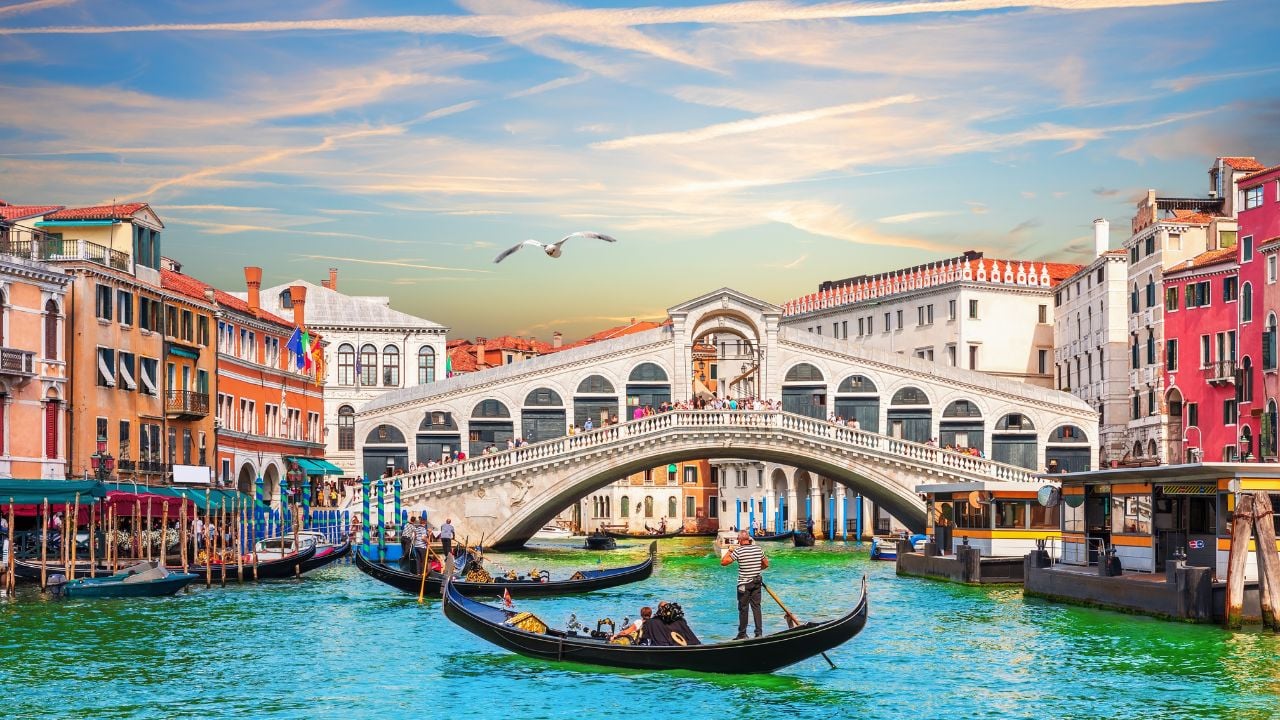
Venice has become the laboratory city for crowd management, and the measures keep layering. Reuters reported that authorities capped tourist groups at 25 people and banned guide loudspeakers in areas including the historic center and islands such as Murano and Burano, explicitly citing residents’ peace and pedestrian flow. Fines were built in, which is usually the moment a rule becomes real.
The lagoon city also kept experimenting with day-trip controls. Reuters noted the earlier visitor-payment pilot, and AP later reported that Venice expanded the scheme for 2025 across more days, with a higher charge for last-minute bookings. Reuters interviews from the rollout also showed local support mixed with skepticism, with some Venetians saying the limits were welcome but still not enough to protect ordinary life.
Related coverage: AP’s report on Venice limiting tourist groups to 25 and banning loudspeakers.
Europe is not banning tourism. What we are seeing is a harder phase of urban self-defense, with city halls trying to preserve housing, sleep, and walkable streets while still taking the economic upside of travel. For readers planning a trip, the smartest move is not panic but adaptation: book early, follow local conduct rules, stay longer instead of doing smash-and-grab weekends, and spend money in places that still serve the neighborhood after the selfie crowd leaves.