
When Polestar launched as a standalone electric car brand, its identity was shaped as much by what it would not do as by what it promised.
No internal combustion engines, with the Polestar 1 treated as the lone exception. No broad palette of exterior or interior colors. No traditional generation cycles. One model even arrived without a rear window.
That radical, rules-first approach helped Polestar stand out in a crowded EV conversation. What it did not deliver, at least not yet, was consistent profitability. The company’s newly presented strategy makes the pivot explicit.
The original business plan did not produce the results Polestar needed, and the brand is adjusting before the market forces a harsher reset.
Still EV Only, Even As Rivals Hedge Their Bets

Polestar is not walking back its core positioning. The company says it will remain an all-electric brand at a moment when several competitors are easing off earlier EV timelines and putting hybrids back at the center of their lineups.
Where Polestar is becoming more flexible is in product execution. Design chief Philip Römers has signaled that future models will be more emotional. Translated into real-world decisions, that means a broader use of color and a deliberate move away from a gray-only visual identity. It also means a partial correction to the brand’s heavy reliance on touchscreens. In response to criticism about over-digitization, physical buttons are expected to return for key functions, reflecting a wider industry trend that recognizes how drivers actually interact with controls day to day.
Polestar 2 Gets A Real Successor After All

One of the most notable changes involves Polestar 2. Just two years ago, then-CEO Thomas Ingenlath said the 2 would not receive a direct successor. The plan was to replace it with a new model called Polestar 7, avoiding the baggage of an established name and giving designers and engineers more freedom. Ingenlath even pointed to the Volkswagen Golf as an example of a model that is constantly balancing innovation against the expectations tied to a long-running badge.
Now the script has flipped. Polestar says a new generation Polestar 2 will arrive in early 2027, and it will be a completely new vehicle rather than a simple refresh. Polestar 7, described as a compact SUV, is targeted for 2028. The Polestar 6 roadster, positioned as a flagship-style halo model, has been pushed behind the 7, putting its expected debut no earlier than 2029.
A More Complicated Lineup and a Naming Reset
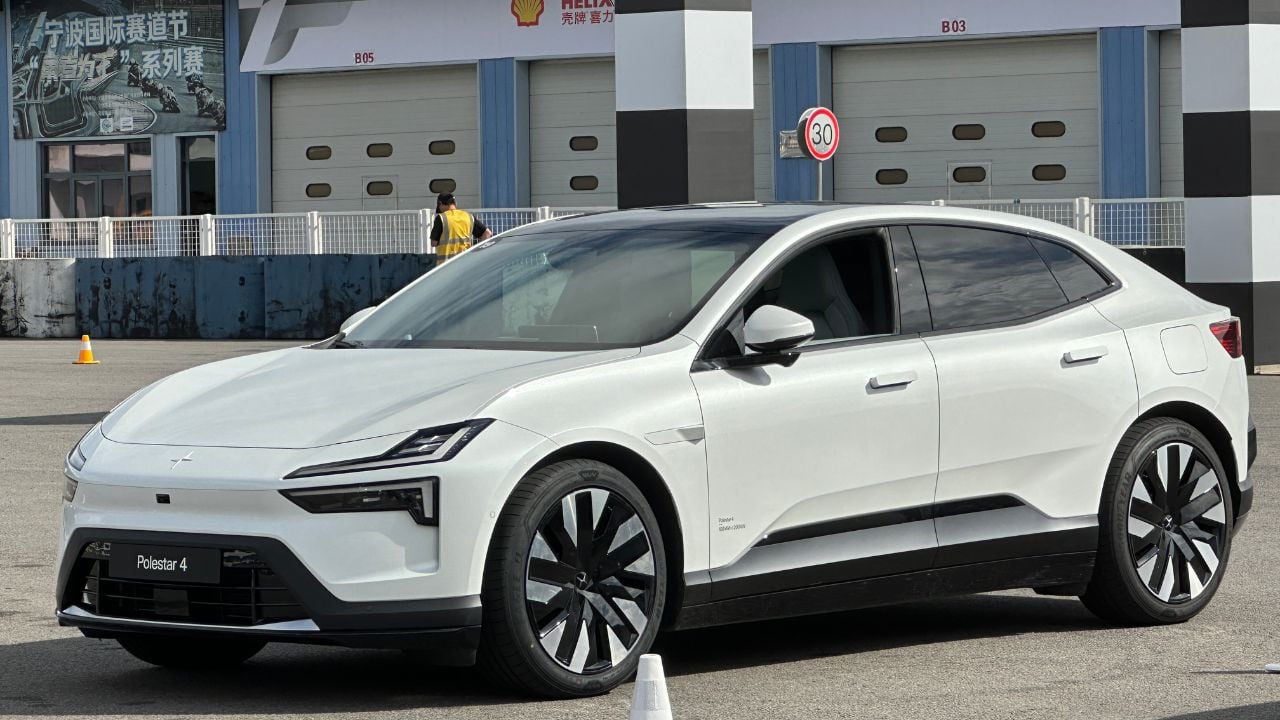
Polestar’s lineup is also getting more complicated. Polestar 4, the model that drew headlines for deleting the rear window, is set to be renamed Polestar 4 Coupe. Alongside it, Polestar plans a new version of the 4 with a longer roofline that leans more wagon than SUV, and notably, it will bring back a conventional rear window. Polestar 5 remains positioned as a sleek grand touring-style sedan, but its market rollout appears less certain in some regions, including the United States.
Polestar’s willingness to challenge industry norms has been refreshing, but the brand’s naming strategy has also confused buyers. In the real world, continuity matters. Nameplates help customers understand where a vehicle fits, what it replaces, and why it exists. Polestar’s decision to move forward with a second-generation Polestar 2 is an acknowledgement that familiar signposts can be an advantage, not a constraint.
A More Pragmatic Era Under New Leadership

Under new CEO Michael Lohscheller, Polestar is leaning into pragmatism. His message during the latest presentation was straightforward: the company is focused on doing the right things.
Whether these are the right moves will be judged over the next several years, especially as Polestar tries to grow in markets like the U.S. while navigating price pressure, rising competition, and fast-changing consumer expectations. What is already clear is that the brand’s original vision, however bold, proved difficult to sustain. This new plan reflects a company willing to learn quickly and reshape its identity on its own terms rather than letting the market do it for them.
This article originally appeared on Autorepublika.com and has been republished with permission by Guessing Headlights. AI-assisted translation was used, followed by human editing and review.