If you have been pricing parts for a DIY PC build lately, you have probably noticed the warning signs already. Memory prices are moving up again, availability is tightening, and buyers are starting to stockpile.
Now the same pressure is reaching automakers, and it could spill into new vehicle pricing and production in 2026.
The problem is not classic microcontrollers like the last crisis. This time, the pinch point is memory, especially DRAM, as chipmakers prioritize the booming demand coming from artificial intelligence data centers.
Ford Signals That Costs Are Already Rising
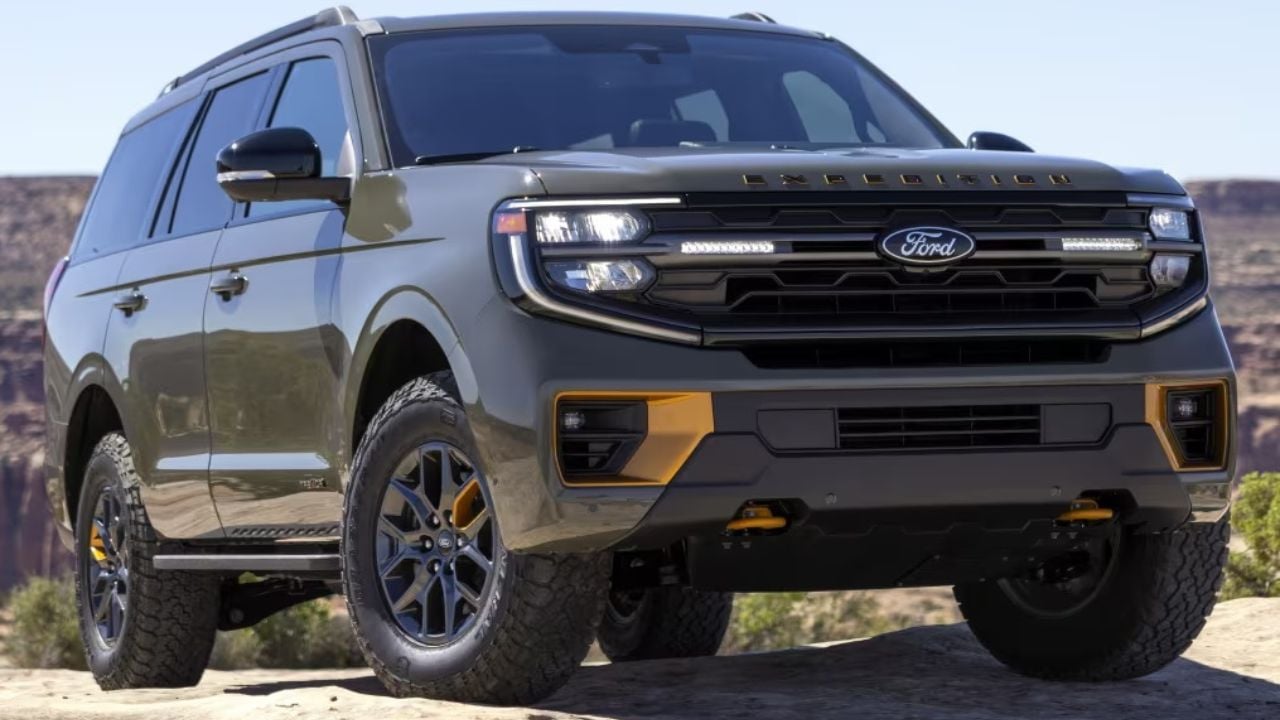
At an automotive technology and semiconductor conference in New York, Ford CFO Sherry House acknowledged that Ford currently has enough supply, but she also made it clear that pricing pressure is already being built into forward plans. The implication is straightforward. If memory costs remain elevated, automakers will pass some of that increase on to customers, even if production does not immediately stop.
That is a familiar pattern. In the best case, higher component costs quietly push sticker prices higher. In the worst case, bottlenecks hit the assembly line, forcing manufacturers to cut output or simplify features. As the industry learned during the early 2020s, those outcomes can happen at the same time.
Why Memory Chips Are Suddenly Harder To Get
Analysts say the auto industry is already seeing signs of panic buying for memory chips, and the reason is not mysterious. The three biggest memory suppliers, Samsung, SK Hynix, and Micron, are increasingly focused on higher-margin products for AI infrastructure, including advanced memory used in data centers.
AI workloads are extremely memory hungry, and the ramp-up is massive. That is diverting capacity away from the kinds of DRAM and NAND products automakers use across dozens of modules in a modern vehicle.
Cars Are Becoming Memory-Heavy Machines
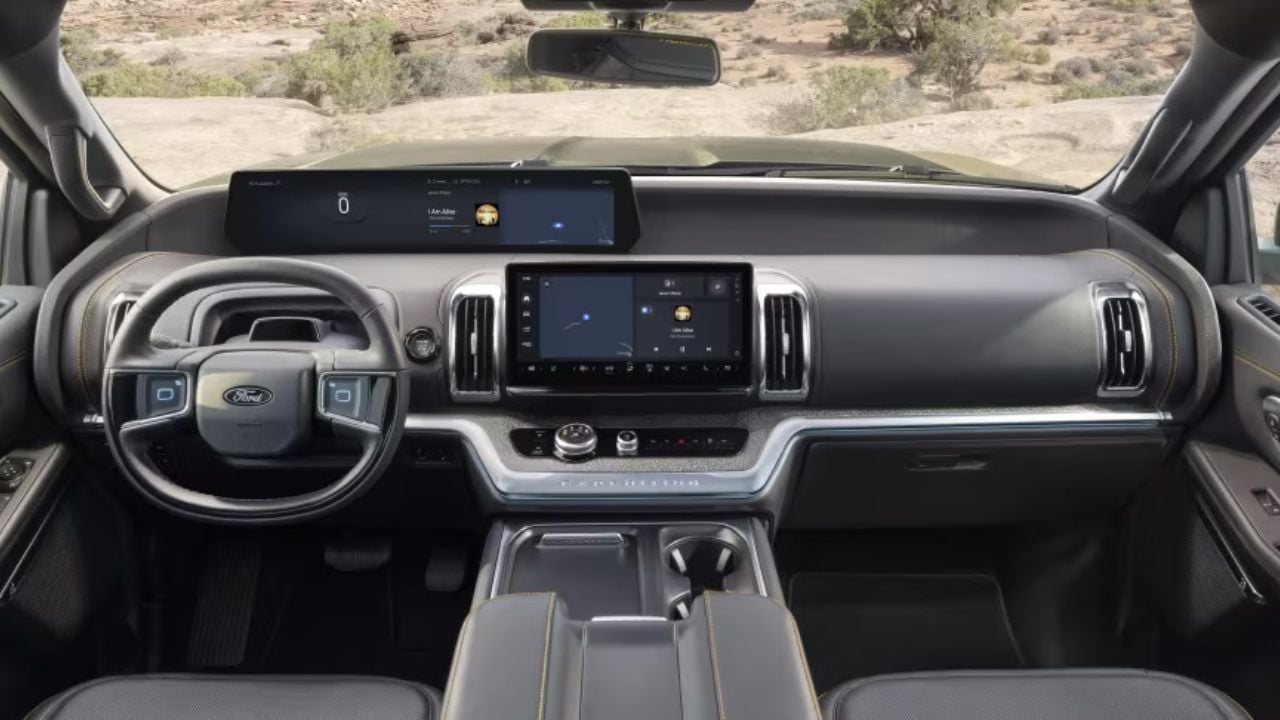
Automakers are not just adding bigger screens. They are adding more software, more sensors, and more driver assistance functions, all of which demand more storage and faster memory access.
Micron has published estimates that the average vehicle already uses about 90 GB of combined DRAM and NAND. By 2026, it expects that figure to rise to roughly 278 GB on average, with higher-end vehicles trending far above that.
For U.S. buyers, the takeaway is that memory is no longer a niche component. It is foundational to features people now expect, including advanced driver assistance, higher-resolution camera systems, more complex infotainment, faster mapping, and always-connected services.
Consumer Tech Is Already Showing The Effect
The pressure is already visible in consumer electronics. As supply tightens, even older memory technology can jump in price, and that creates a ripple effect across PC parts, consoles, and phones. The automotive sector then competes for the same upstream capacity, typically without the volume leverage that big data center contracts bring.
One signal that the industry is serious about reallocating supply is Micron’s decision to wind down its Crucial consumer business, shipping through February 2026, and refocus resources on enterprise and AI markets.
What This Could Mean For Car Shoppers In 2026
It is still difficult to predict how long this episode will last. But the direction is clear. If DRAM and related memory components remain tight, automakers will face harder choices.
- Some will raise prices, especially on technology-heavy trims.
- Some will limit builds, delaying delivery times.
- Some will simplify features, shipping vehicles with temporary deletions or different option packaging.
The uncomfortable truth is that modern vehicles are increasingly priced like premium products even before supply shocks. A memory-driven squeeze adds another layer of uncertainty, particularly for buyers shopping crossovers and trucks loaded with the latest driver assistance and infotainment tech.
For some shoppers, a simpler vehicle may start to look less like a compromise and more like a smart way to avoid supply-driven markups. For everyone else, the key question in 2026 may not be whether you can afford the exact vehicle you want, but whether you can find it on the lot at all.
This article originally appeared on Autorepublika.com and has been republished with permission by Guessing Headlights. AI-assisted translation was used, followed by human editing and review.