

In an extraordinary statement that has reverberated across defense, technology, and geopolitical circles, the Netherlands’ outgoing State Secretary for Defence, Gijs Tuinman, claimed that the highly advanced F‑35 Lightning II fighter jet could theoretically be modified or “jailbroken” in the style of a consumer smartphone if the United States ever cut off critical software updates for partner nations.
His comments raised a dust storm of debates about the future of military software, international security cooperation, and the nature of technological dependence among allied nations.
‘Just Like an iPhone’
Tuinman’s remarks came during an interview with Dutch broadcaster BNR Nieuwsradio where he was asked what European nations would do if Washington decided to withhold updates or impose restrictive conditions on F‑35 software and support.

In response he drew a surprising analogy to the world of personal electronics. “Just like an iPhone,” he said, “you can jailbreak an F‑35.” He then declined to elaborate further.
That bold analogy has quickly become the headline in defense circles around the world. For decades, the F‑35 program has been synonymous with next‑generation military capability.
With more than eight million lines of code controlling everything from threat detection to weapons systems and flight controls, the F‑35 is less a traditional aircraft and more a flying supercomputer.
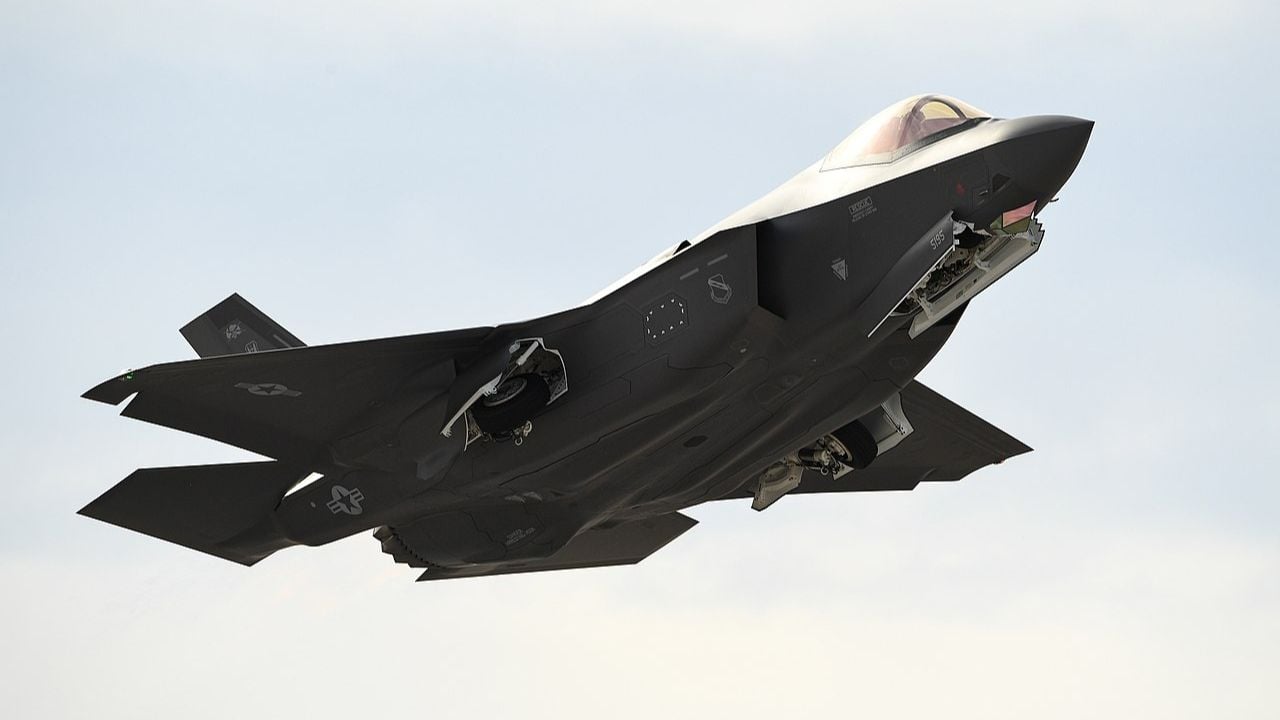
Its capabilities hinge on an integrated web of software updates, mission data files, and sustainment networks managed largely from U.S. systems.
The Dutch statement resurfaced long‑standing debates about sovereignty and autonomy among NATO allies. Many European operators, including the Netherlands, the United Kingdom, Italy, and others, rely on the Joint Strike Fighter’s shared global support architecture.
While this framework has enabled unprecedented interoperability among allied air forces, it has also entrenched U.S. control over access to vital software updates and mission data.
Is It Really Possible? Experts Weigh in on Technical Realities

Some found Tuinman’s comparison to jailbreaking smartphones as provocative, even if oversimplified. Unlike consumer devices, the F‑35’s software is heavily encrypted, tightly integrated with secure logistics and maintenance systems, and entwined with a sprawling sustainment ecosystem called ODIN (Operational Data Integrated Network).
Breaking into or modifying such complex systems without official tools, documentation, and partnership would be an extraordinary technical feat.
Security researchers and defense experts also caution that attempting to alter core aircraft software could undermine the integrity of safety systems, risk unintended failures, or void critical support agreements.
Moreover, even if the code were modified, European nations would still face profound challenges in maintaining essential hardware supply chains, spare parts logistics, and ongoing system integration without U.S. cooperation.
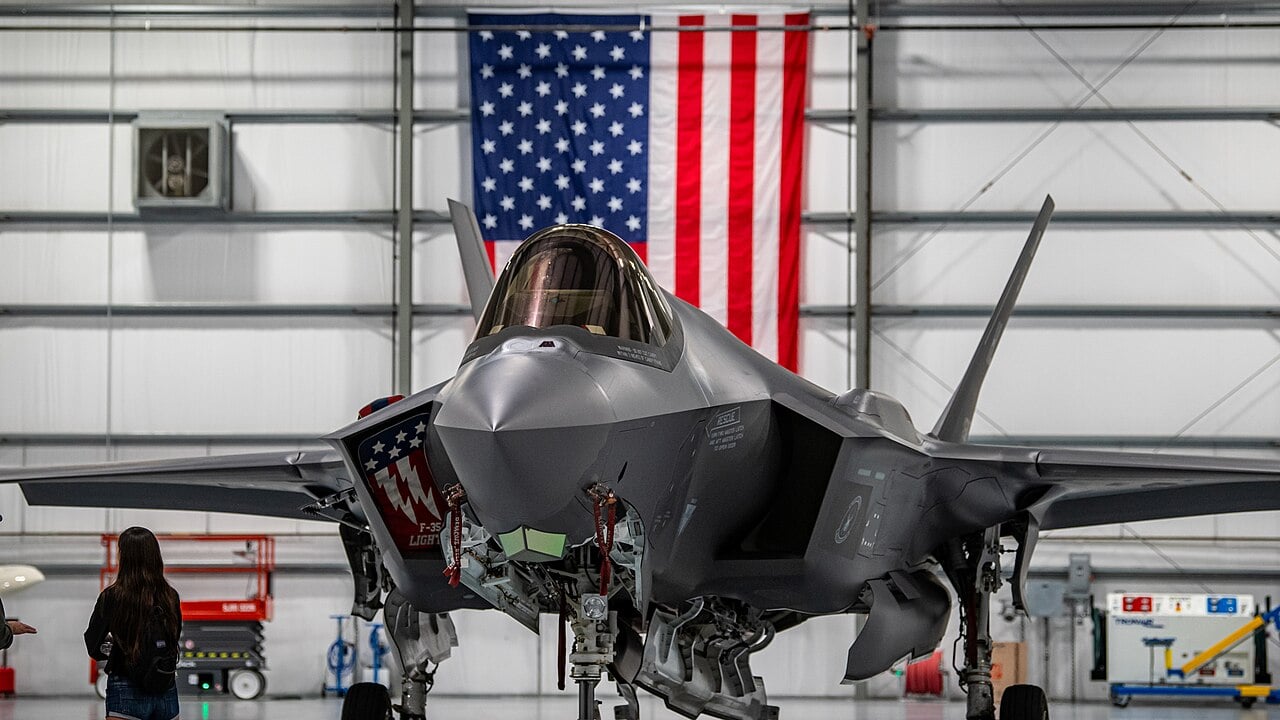
The controversy comes amid broader tensions between Washington and some European capitals over tariffs, trade disputes, and defense spending obligations. These political frictions have only heightened discussions over Europe’s long‑term strategic autonomy and its reliance on U.S. technology.
While Washington’s F‑35 Joint Program Office has publicly denied the existence of any remote-disable mechanism in the jets, critics argue that dependence on U.S.‑controlled software effectively gives Washington leverage over partner nations’ air combat capabilities.
The Exception That Proves the Rule
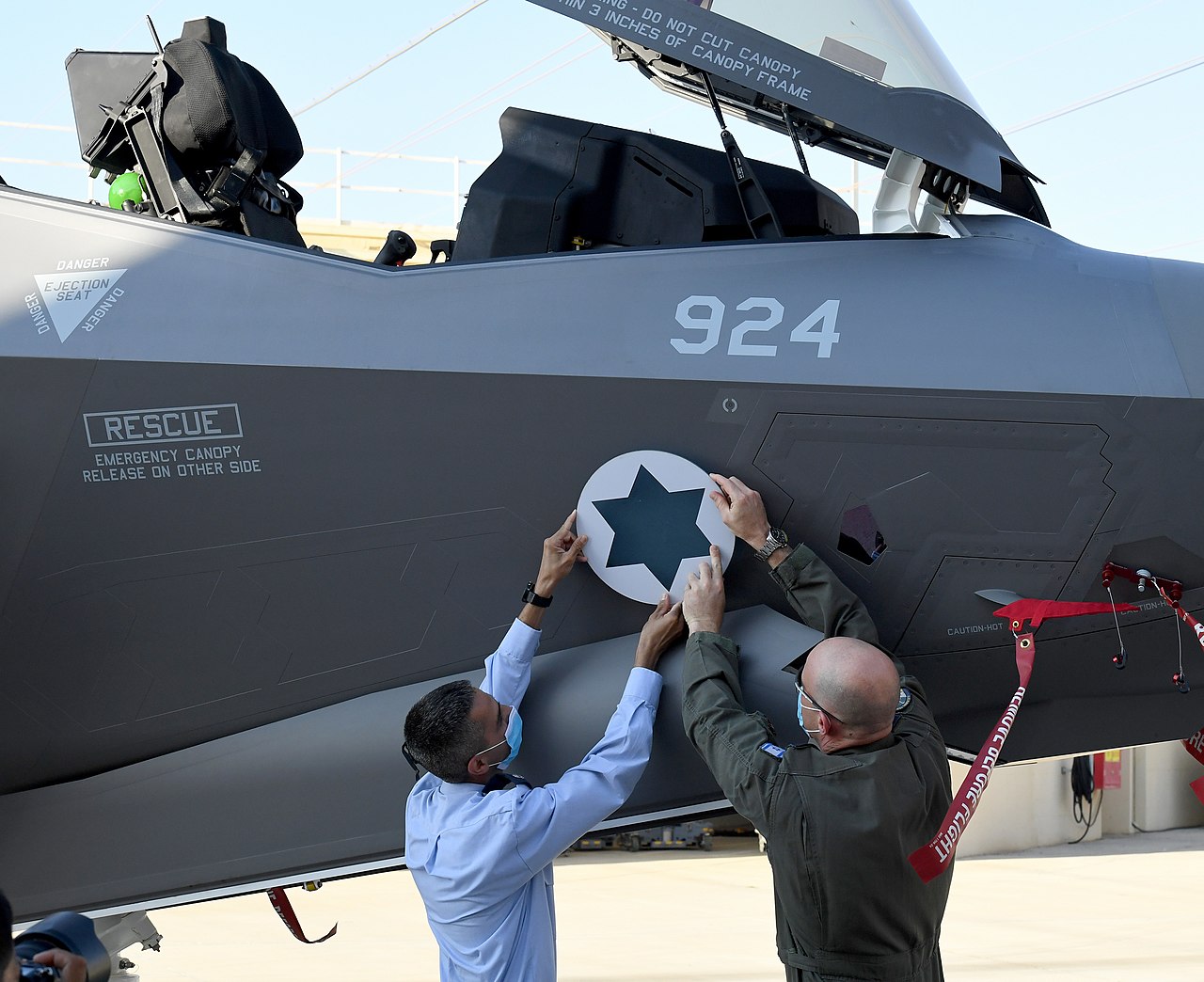
There is at least one notable counterpoint. Israel, a unique partner in the F‑35 program, has negotiated special rights to install domestically developed software into its F‑35I Adir variant.
This arrangement highlights the possibility, at least in theory, of tailoring F‑35 systems locally. But such access came only after extensive negotiation and reflects a rare exception rather than the norm among partner nations.
For us gearheads (and tech enthusiasts), the Dutch comment underscores an emerging truth that modern military vehicles—like today’s cars and trucks—are defined by their software as much as their hardware.
As cars and jets become increasingly networked, encrypted, and dependent on proprietary systems, the boundaries between consumer tech debates and national security are blurring.
Whether Tuinman’s statement was intended as political leverage, a cautionary warning, or a genuine technical assertion, it has unmistakably fueled a larger conversation about who controls the code that drives the most advanced machines on Earth.
And in a world where chips, software, and strategic alliances matter as much as wings and engines, that conversation is only just beginning.
Sources: Aviation A2Z, The War Zone