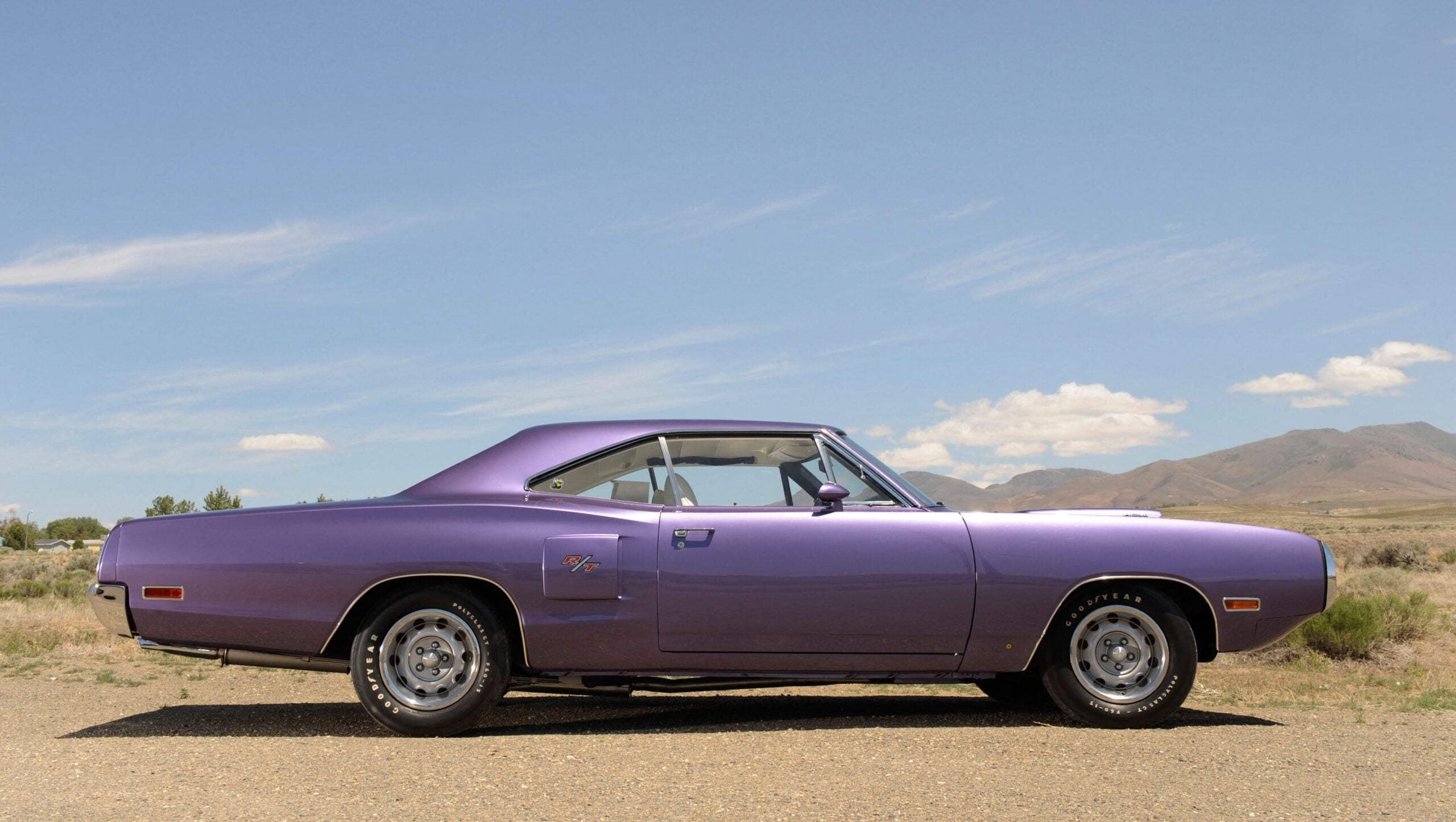
How do you define a muscle car? Because opinions can differ wildly.
Spend enough time around comment sections, Reddit, or forums, and you’ll hear plenty of them. Some enthusiasts stick to a strict definition: midsize, two-door American cars from roughly 1964 to the early ’70s, factory big-block, end of discussion.
Stick to that definition, and all we’d ever talk about would be Chevelles, GTOs, and Chargers, you know, the cars that show up in every movie whenever Hollywood needs a muscle car. And what fun would that be? Plenty of enthusiasts take a broader view, including pony cars, full-size bruisers, and even some of the machines that tried to keep the party going after last call.
If you fall into the first group, you probably haven’t forgotten any of these cars, and you may already be preparing a comment explaining why half of them don’t count. That’s fine. This collection is for those who enjoy the misfits, oddballs, and sleepers, the muscle cars that refused to stick to a weight class, door count, or body style but still captured the spirit of the muscle car era.
Dodge Super Bee
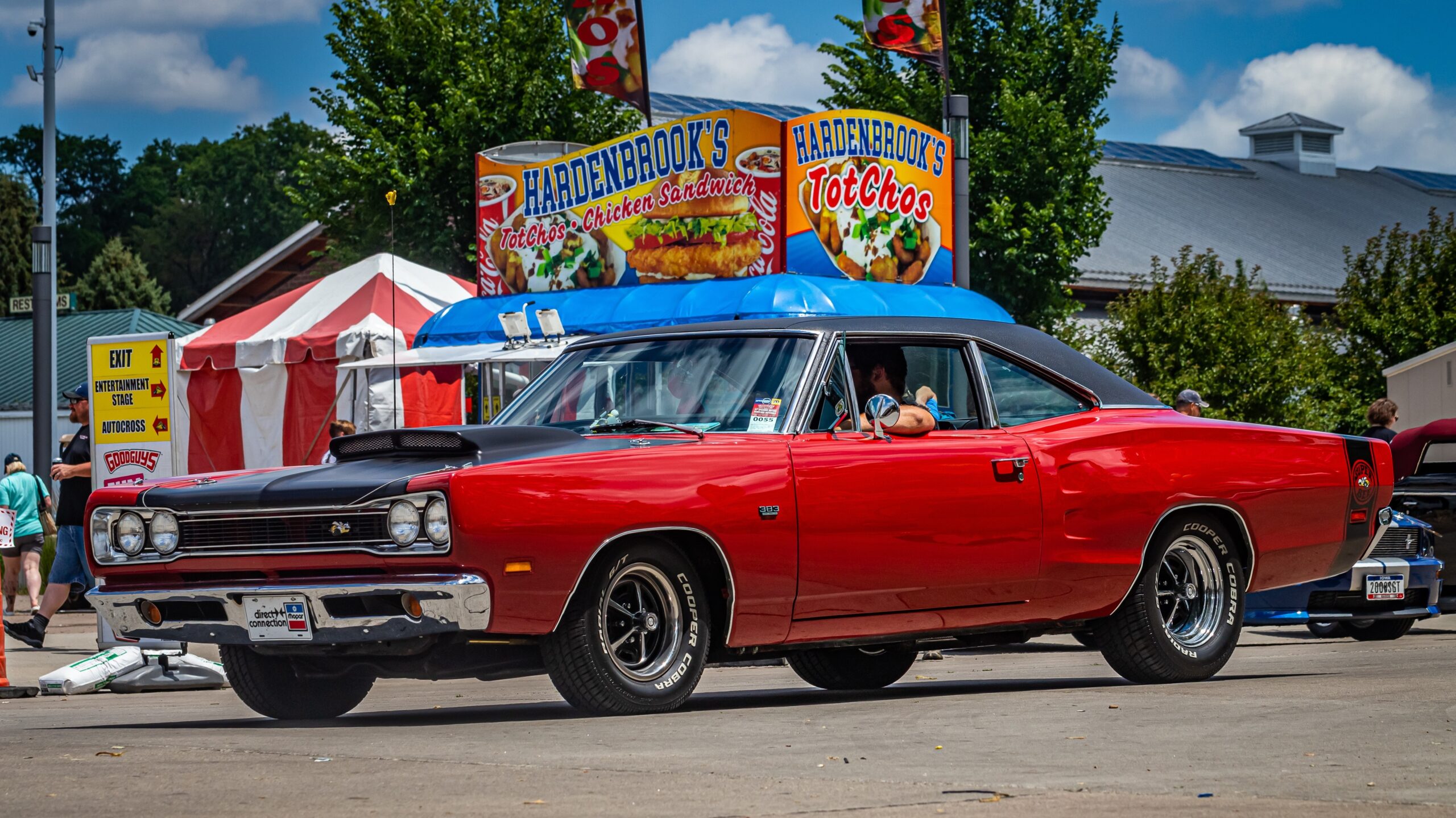
The Dodge Super Bee was essentially Dodge’s answer to the Plymouth Road Runner. Same back-to-basics performance formula, same focus on big engines and minimal frills.
The difference? The Road Runner tends to get more of the attention. It had the cartoon branding, the marketing push, and a name that stuck in pop culture. The Super Bee did the same job, just without the mascot.
There’s not much debate about whether the Super Bee qualifies as a muscle car. Midsize platform, big-block power, performance-first attitude, it checks every box. It’s overlooked simply because its corporate cousin usually steals the spotlight.
Dodge Coronet R/T
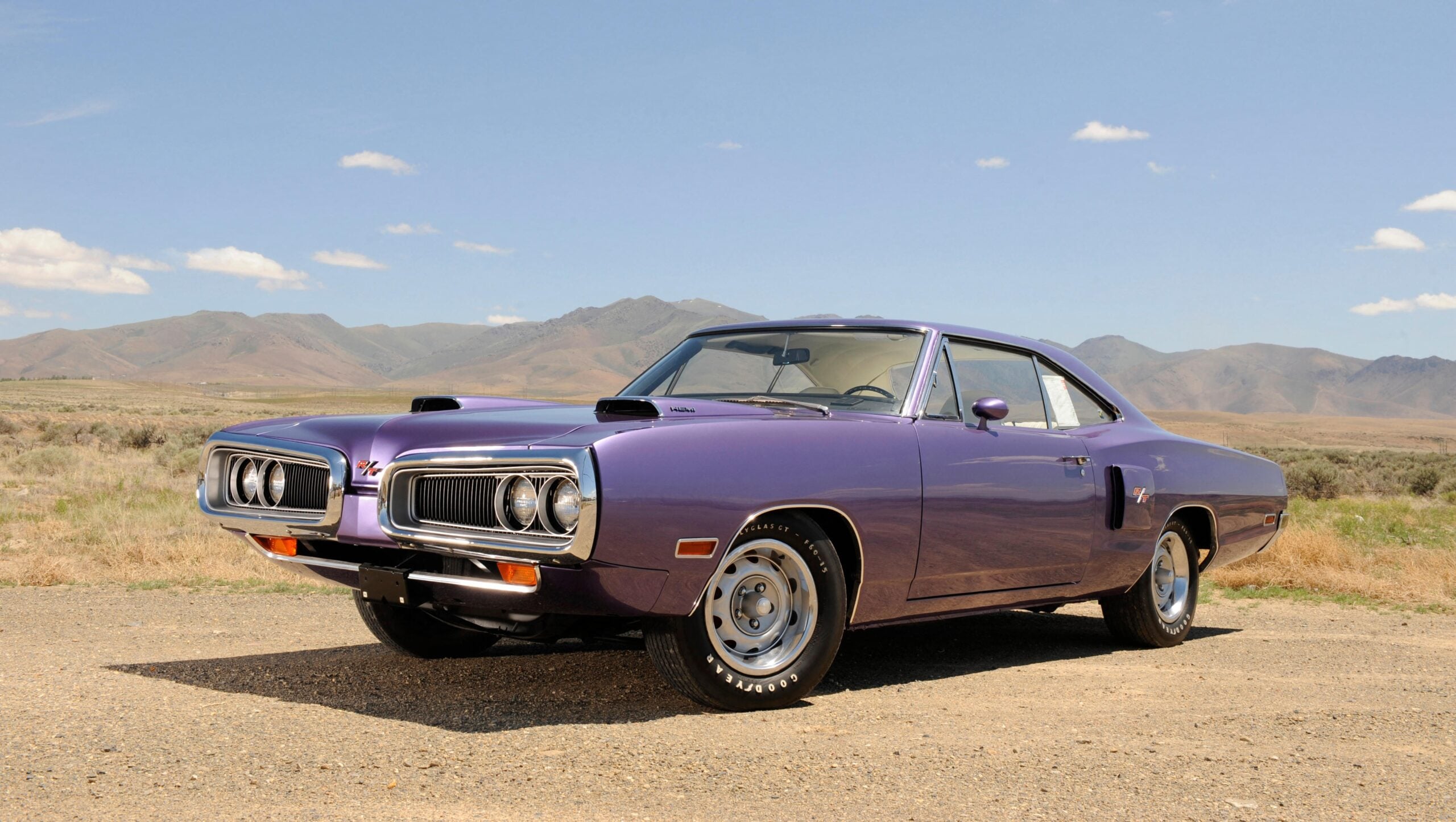
Here’s another Mopar that checks all the boxes but often gets overlooked because of the company it keeps. The Coronet R/T followed the classic muscle car formula to the letter.
Big-block power was available, performance credentials were solid, and the platform fit squarely within the traditional muscle car definition. Yet in modern conversations, it’s frequently treated as the quieter alternative to the Charger, a name that tends to dominate headlines and movie screens alike.
Pontiac Firebird Ram Air II
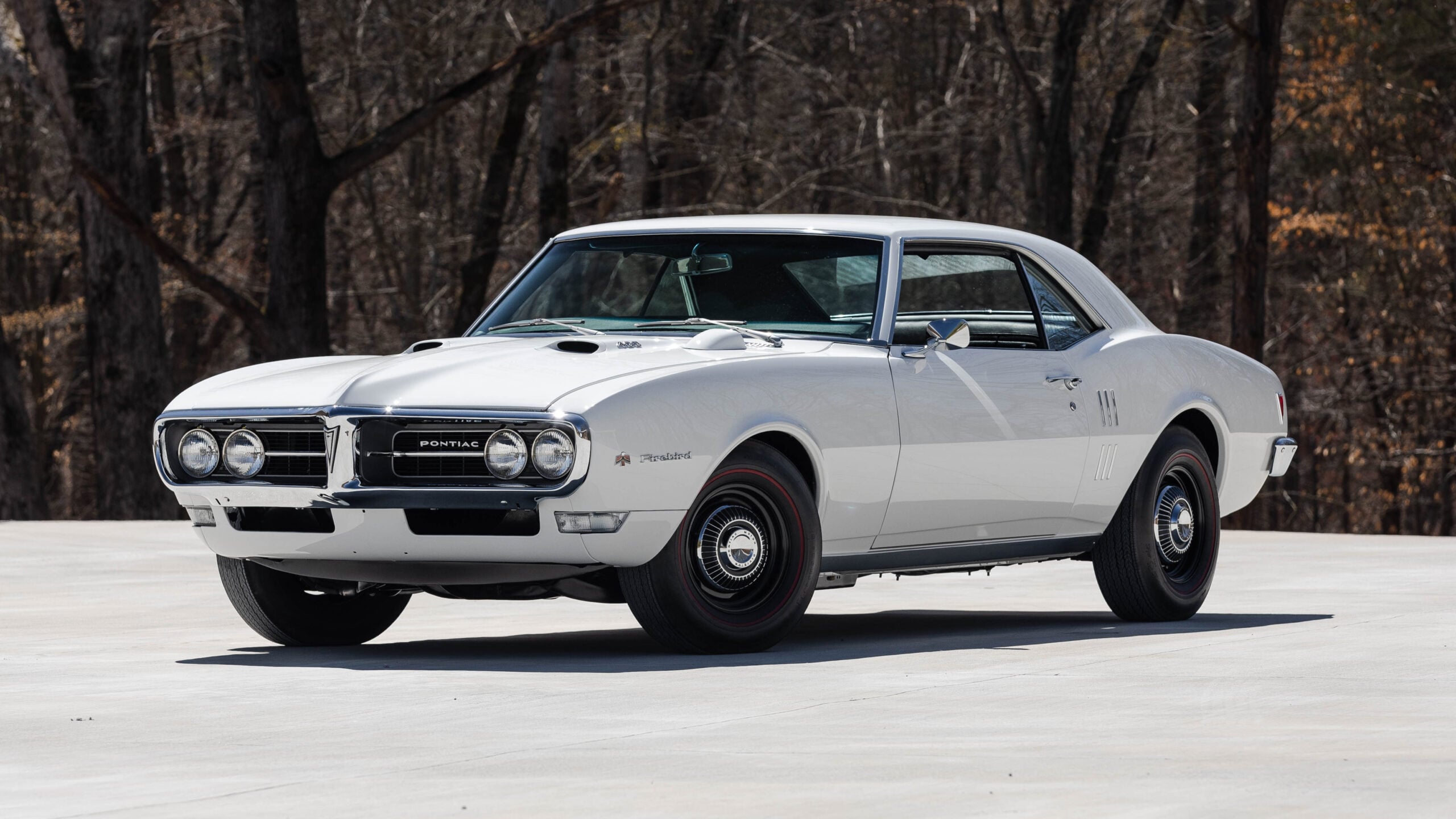
Some enthusiasts balk at calling a pony car a muscle car. Others make room at the table for the performance-oriented trims that delivered serious power. We fall into the latter camp and care more about the attitude and performance than standing on ceremony.
If you consider pony cars part of the club, the Firebird itself is hardly forgotten. However, in Ram Air II trim, it’s a different story. Production numbers were extremely limited, and examples today trade hands in serious six-figure territory.
This is one of those “if you know, you know” cars. Enthusiasts recognize it instantly, but to casual fans or someone just getting into the scene, it’s easy to overlook just how special the Ram Air II really was.
Chevrolet Nova LT-1 COPO
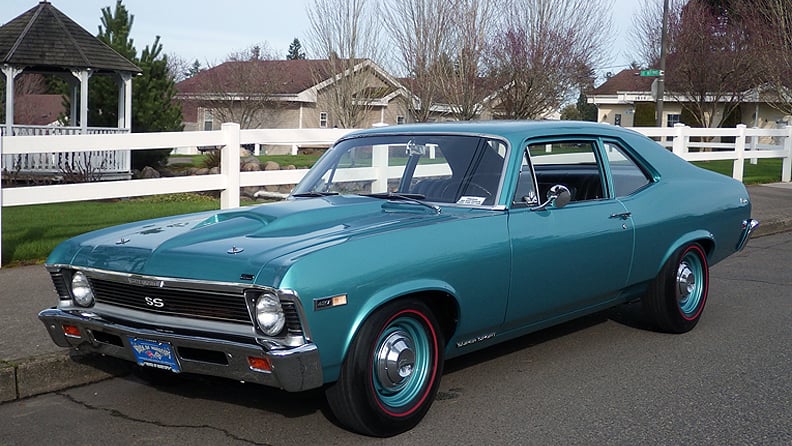
Not everyone is familiar with Chevrolet’s COPO program, short for Central Office Production Order, which allowed dealers to special-order cars with performance combinations that weren’t normally available through regular ordering channels. Even those who know the term usually think of Camaros first.
The Nova had its own COPO variant, and it doesn’t get nearly as much discussion.
The COPO Nova paired a high-revving small-block with the Nova’s relatively compact, lightweight platform. It wasn’t covered in loud graphics or built for marketing buzz.
Which is exactly why it flies under the radar.
AMC Rebel “The Machine”
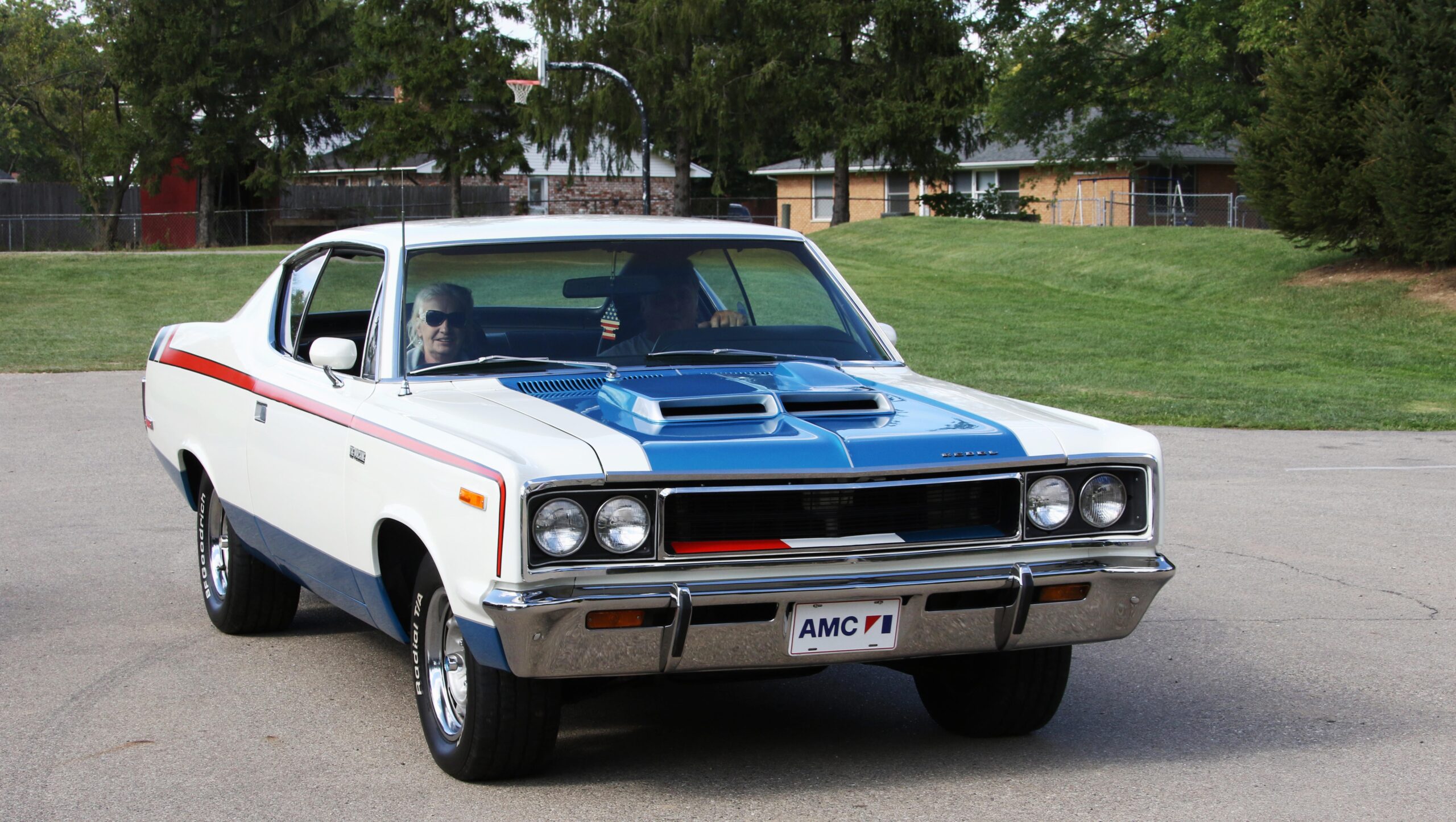
Anything wearing an AMC badge tends to get overlooked a bit. You don’t see Rebel Machines ripping through Fast & Furious scenes or parked outside a John Wick hideout. AMC never really got the Hollywood treatment.
Now, AMC absolutely has its fans, us included. And some of them will probably argue the Rebel Machine isn’t overlooked at all. Fair enough. Among AMC faithful, it’s a big deal.
But outside that circle, it doesn’t get mentioned nearly as often as Chevelles, GTOs, or Chargers. AMC always had a willingness to bend category rules, and the Rebel Machine proved the company could build a serious performance car even without the marketing muscle of the Big Three.
AMC Hurst SC/Rambler
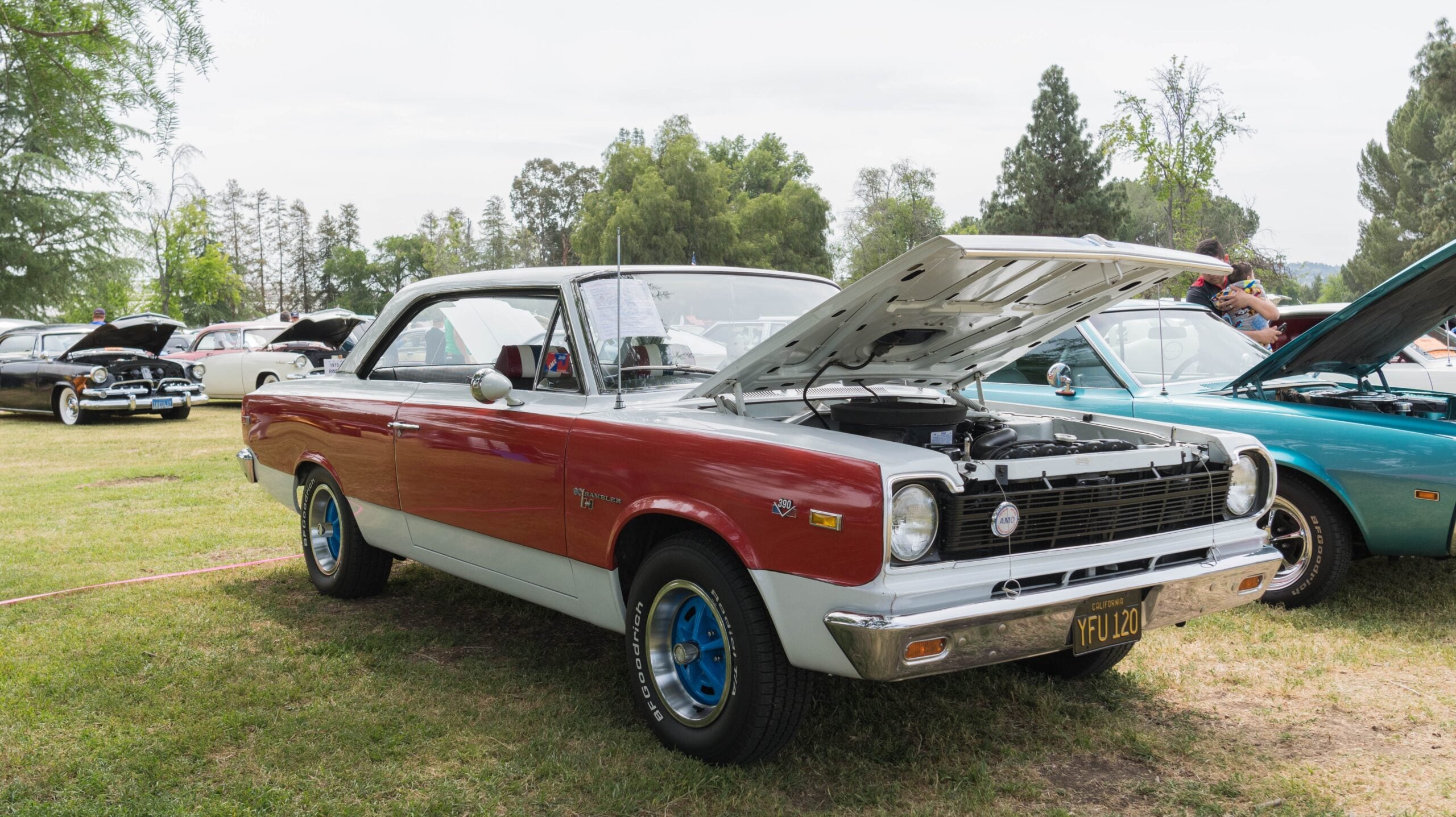
Another AMC contender that doesn’t always get its due.
The 1969 Hurst SC/Rambler, often called the “Scrambler,” was AMC’s unapologetic factory hot rod. It stuffed a 390 cubic-inch V8 producing 315 horsepower and 425 lb-ft of torque into a relatively light, compact body, good for low 14-second quarter-mile runs right off the showroom floor.
It was a one-year-only model, with just over 1,500 built. Loud red, white, and blue paint. A bold hood scoop. A stripped-down interior built for performance over comfort. It wasn’t subtle, and it wasn’t trying to be.
AMC never had the marketing reach of the Big Three, and cars like this didn’t get the same long-term spotlight. But the SC/Rambler was a true factory-built statement, and for those who know, it remains one of the purest big-engine, small-car combinations of the era.
Mercury Cyclone CJ
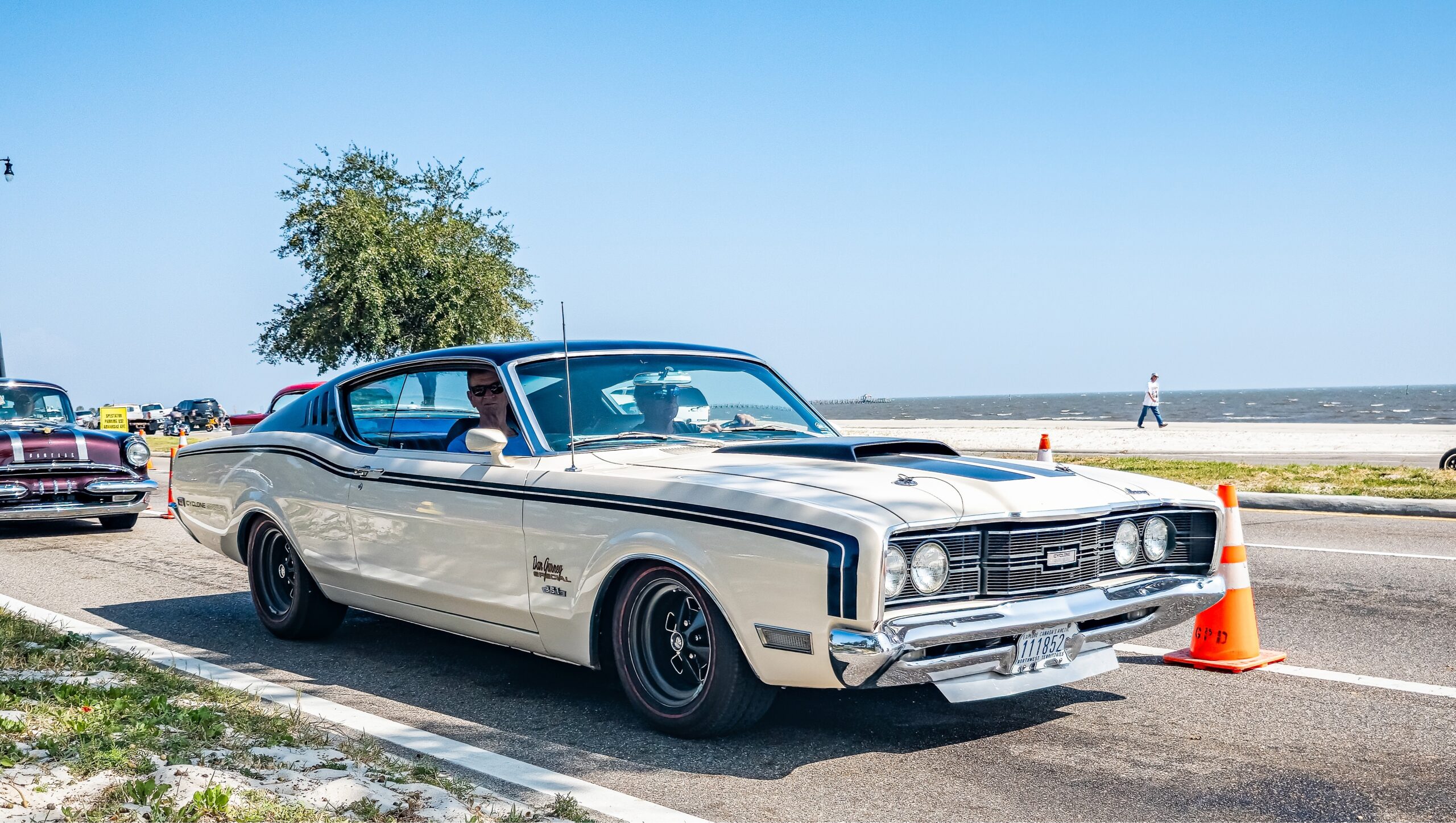
Mercury doesn’t always get first mention in muscle car conversations. Still, the Cyclone CJ followed the formula closely—Midsize platform, big-block power, and performance credentials that put it squarely in the muscle car discussion.
The Cobra Jet engine gave it real straight-line authority, and the styling made its intentions clear. It wasn’t subtle, and it didn’t need to be.
When people talk about Ford muscle, the conversation usually centers on Mustangs and Torinos. The Cyclone CJ rarely gets the same headline treatment, even though it delivered the kind of performance that defined the era.
It checks the boxes. It just doesn’t always get the attention it deserves.
AMC Hornet SC/360
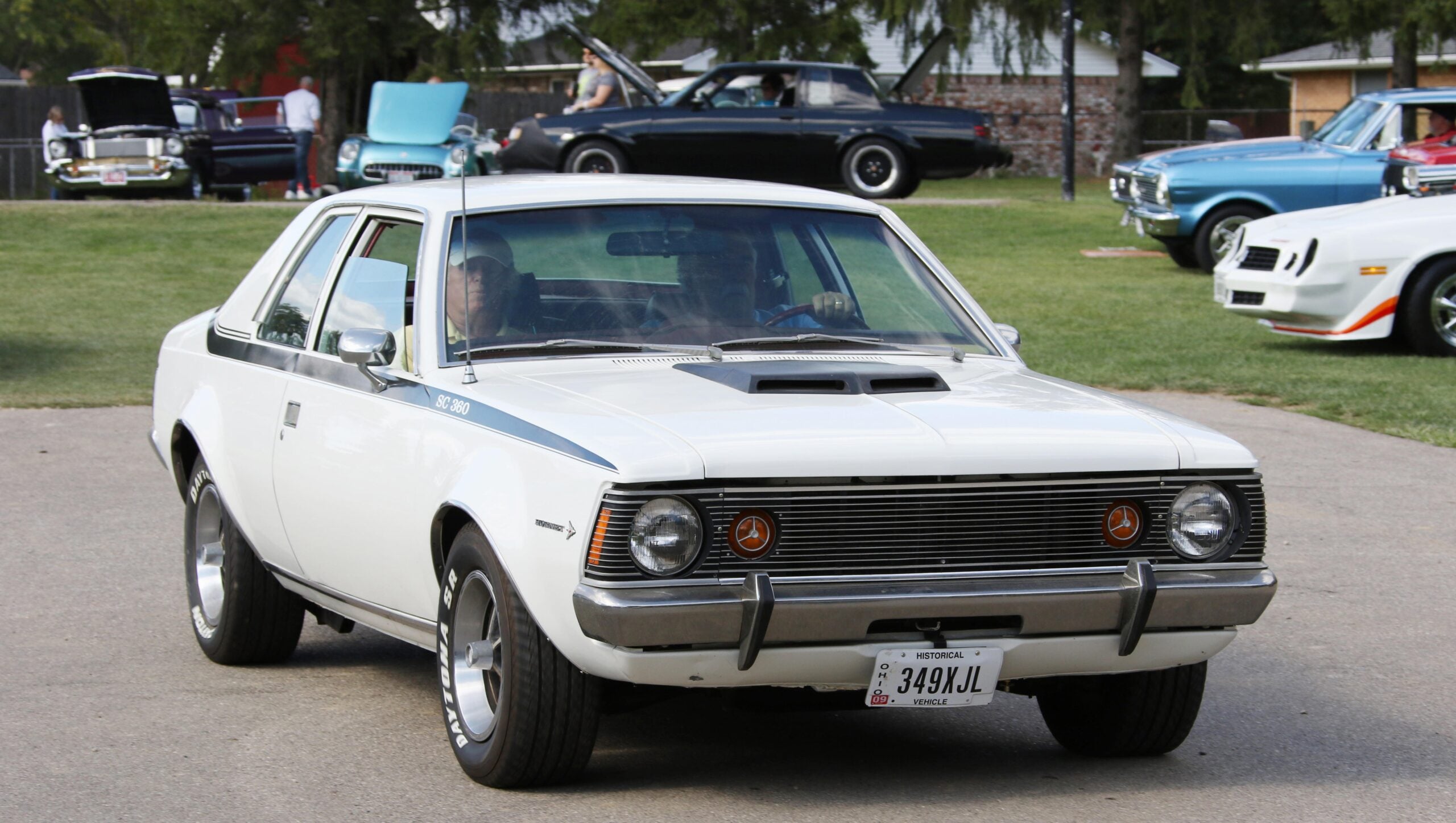
The formula is basically all here—compact platform, V8 power, rear-wheel drive, and performance-first intent. On paper, the Hornet SC/360 fits comfortably in the muscle car conversation.
What it didn’t have was dramatic styling. It wasn’t especially flashy, and it’s unlikely to serve as Dom Toretto’s new ride. It looked more like a tidy, compact car than a tire-shredding muscle machine; the only real giveaway is that hood scoop.
That’s part of why it flies under the radar. The SC/360 was a genuine sleeper. It simply delivered performance in a smaller, less theatrical package.
Dodge Demon
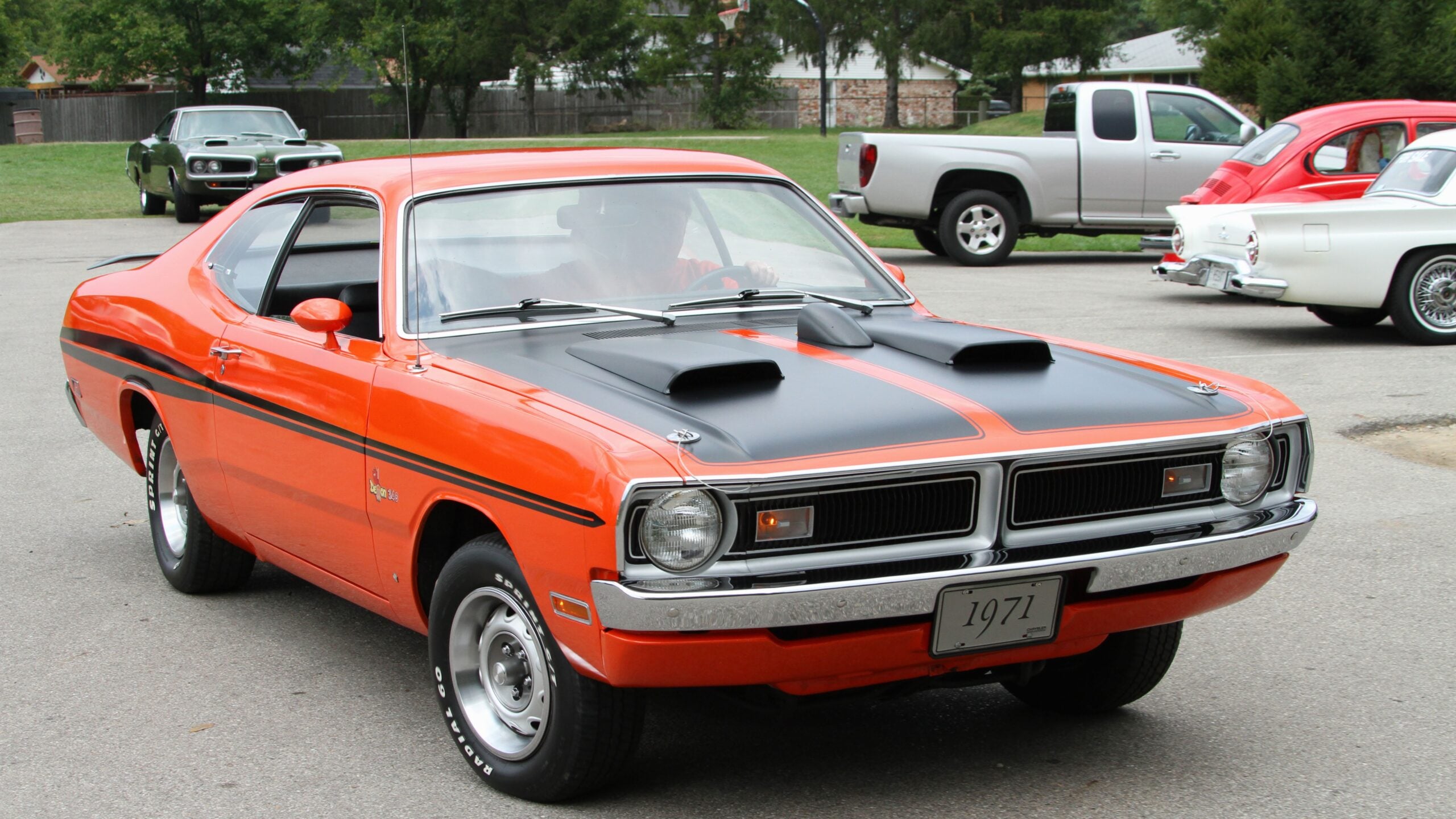
If the name sounds familiar, it should. Dodge revived the Demon name decades later for one of the most extreme modern performance cars ever built. But back in the early 1970s, the Demon meant something very different.
Originally built on Dodge’s compact platform, the Demon offered V8 power in a smaller, lighter package. It delivered genuine straight-line performance and carried the same rear-wheel-drive, American V8 formula that defined the era.
That’s where the debate begins.
The Demon lacked a big-block option and rode on a compact chassis, which, for some enthusiasts, keeps it outside the strictest definition of a muscle car. Others argue that affordable American V8 performance in a small or intermediate car is exactly what the segment was about.
Depending on where you fall, the Demon was either an entry-level muscle car or a car that just missed the cutoff. Either way, it represents a part of muscle car history that often gets overlooked.
1962 Pontiac Catalina
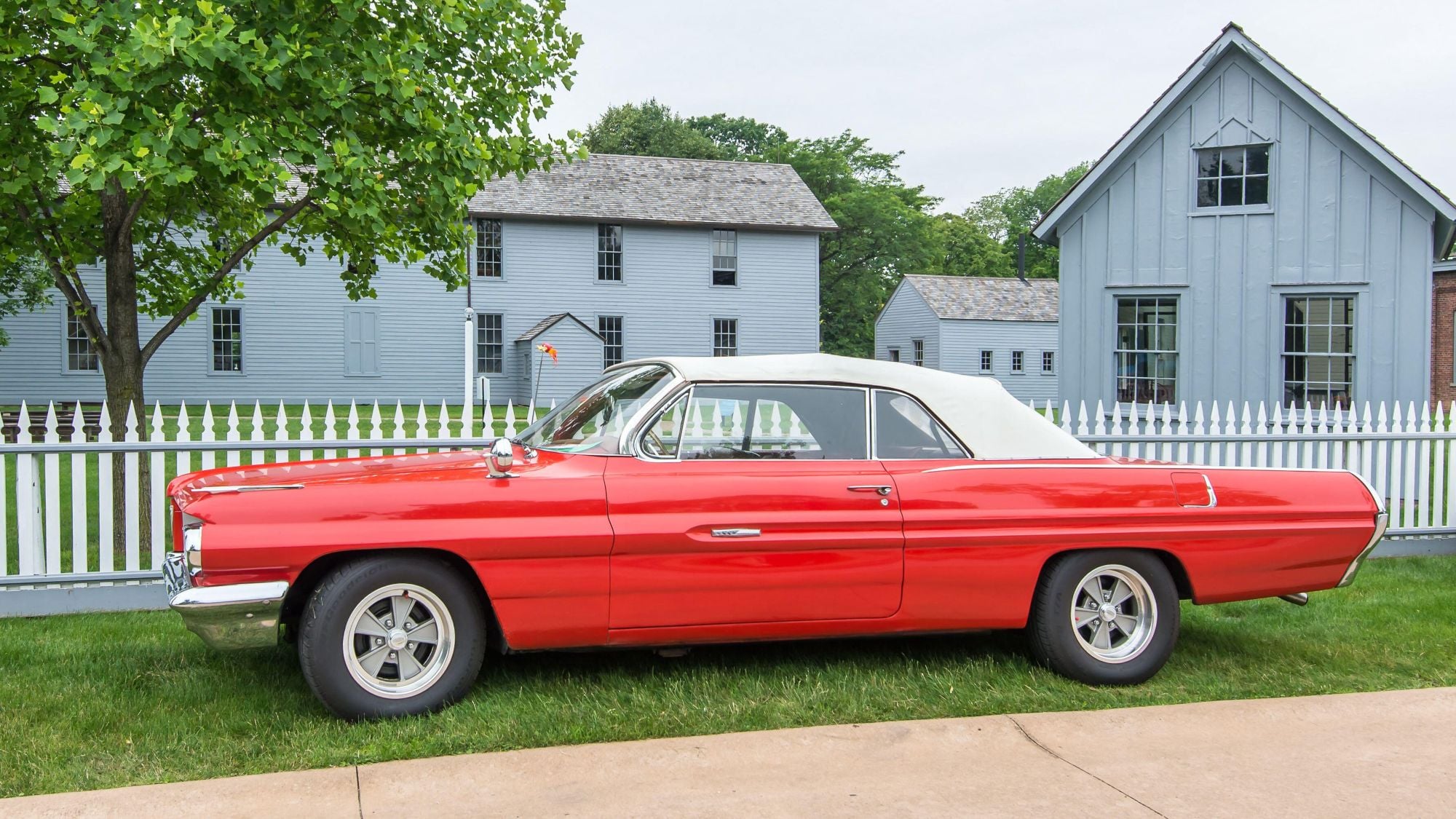
The Catalina sits just outside what many consider the official start of the muscle car era. But if you’re willing to look at the formula instead of the calendar, things get interesting.
Before the GTO made it official in 1964, Pontiac was already stuffing serious engines into lighter full-size cars. A small number of 1962 Catalinas were built with the 421 Super Duty V8, rated at 405 horsepower with dual four-barrel carburetors. There were lightweight components available, including aluminum bumpers and the now-famous “Swiss cheese” frames drilled to shave weight.
How muscle car is that???
It may not fit the later textbook midsize definition, but big engine, reduced weight, factory-backed performance parts, and drag strip intent were already here. The Catalina wasn’t the moment the muscle car era began, but it was absolutely part of what made it possible.
Buick Wildcat
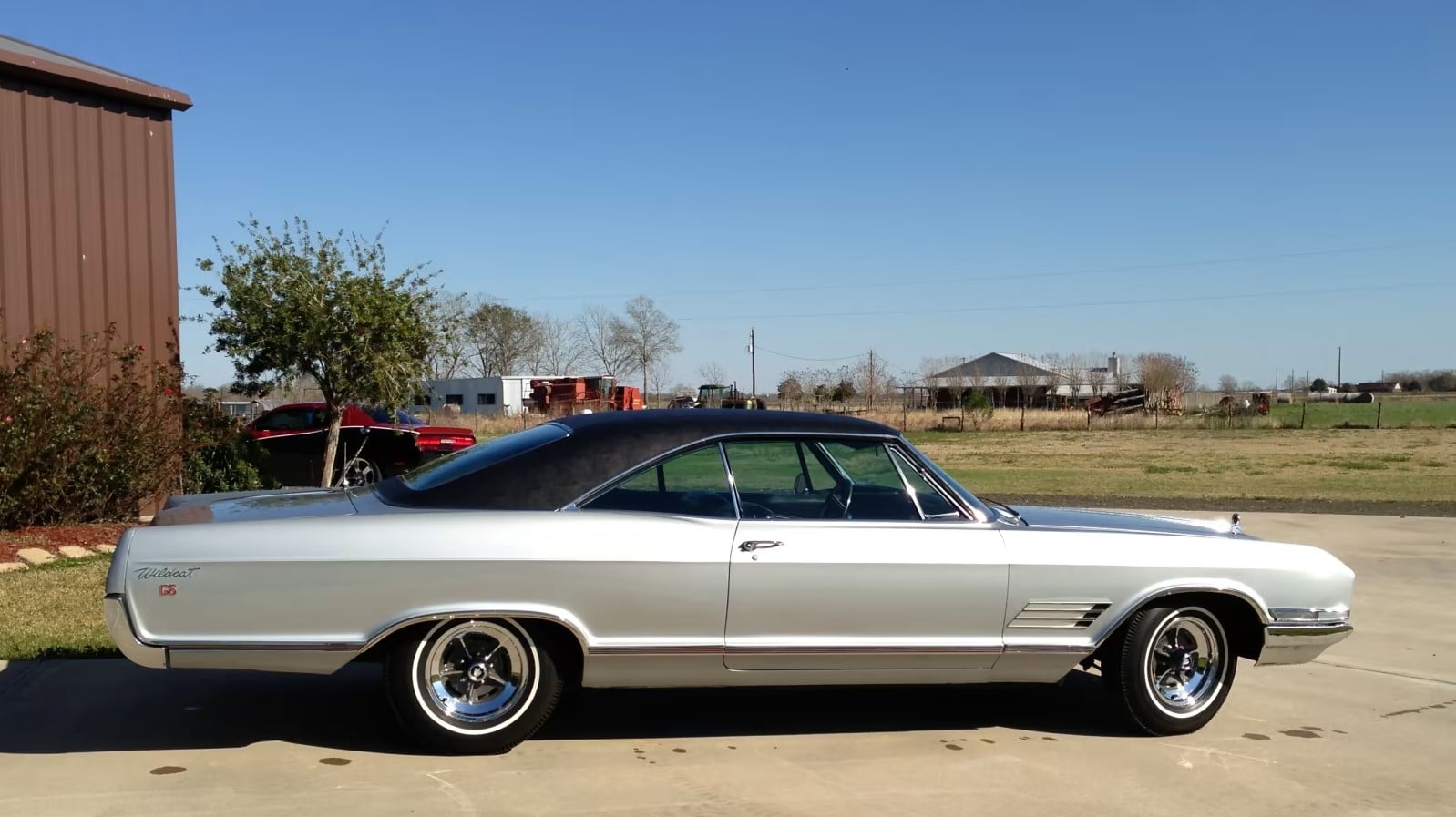
Full-size cars don’t always get invited into muscle car conversations. For many enthusiasts, muscle means midsize, two-door, and big-block. Once a car gets too large, it tends to get dismissed.
That’s part of why the Buick Wildcat is often overlooked.
In 1966, Buick offered a one-year-only Gran Sport Performance Group for the Wildcat. That meant a 425 cubic-inch V8, heavy-duty suspension, dual exhaust, posi-traction, and available dual-carb power. This wasn’t just a big coupe with a comfortable ride. It was built with performance in mind.
Production numbers were limited, especially for the hotter dual-carb versions, and yet the Wildcat rarely gets mentioned alongside more traditional muscle cars. It may have been full-size, but the spirit and intent were absolutely there.
Mercury Marauder
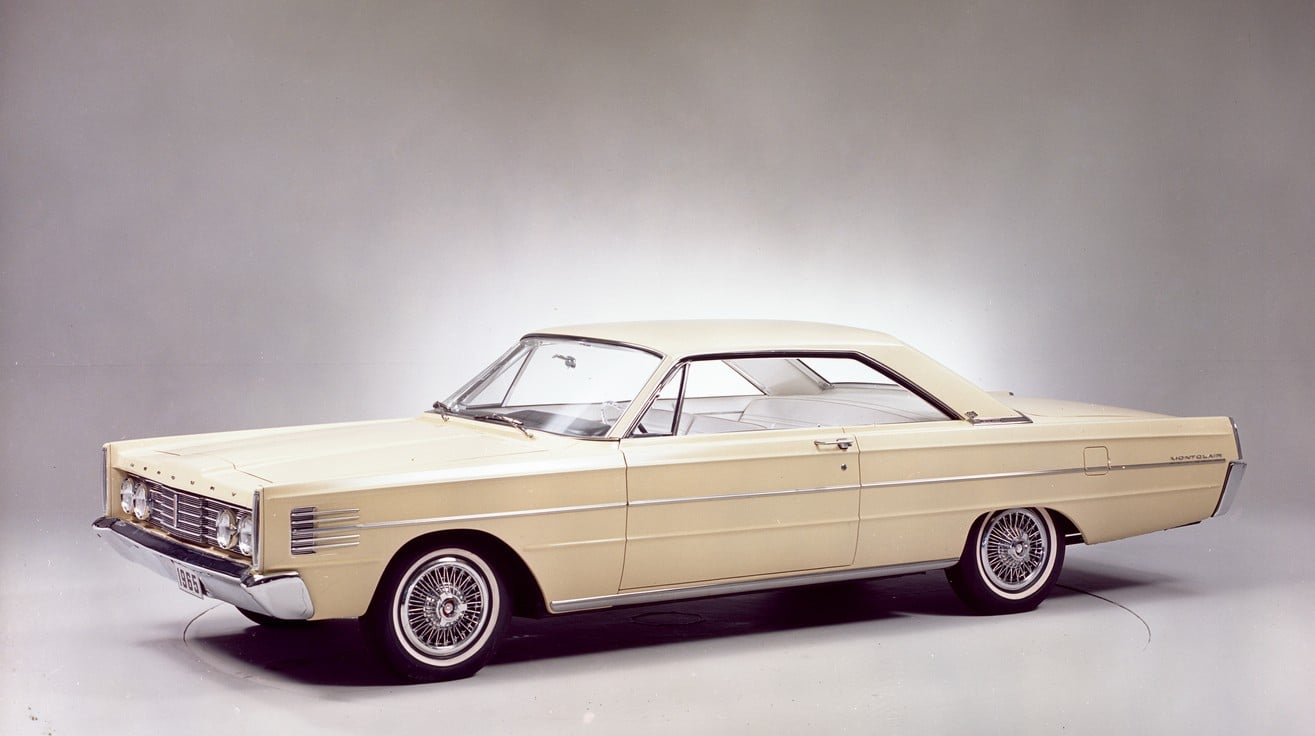
The Marauder name might sound familiar. Ford revived it in the early 2000s for a sleeper sedan based on the Crown Victoria. But the original 1960s Marauder was a very different animal.
Yes, it was a full-size car. And yes, full-size platforms tend to get dismissed in muscle car conversations. But the Marauder could be optioned with Ford’s formidable 427 cubic-inch V8, the same engine family that powered some of the brand’s most serious performance machines.
Big displacement, rear-wheel drive, factory performance intent. That earns it muscle car admission in my book.
It may have worn a larger suit than the midsize crowd, but the hardware underneath made its intentions clear.
Oldsmobile Vista Cruiser 455
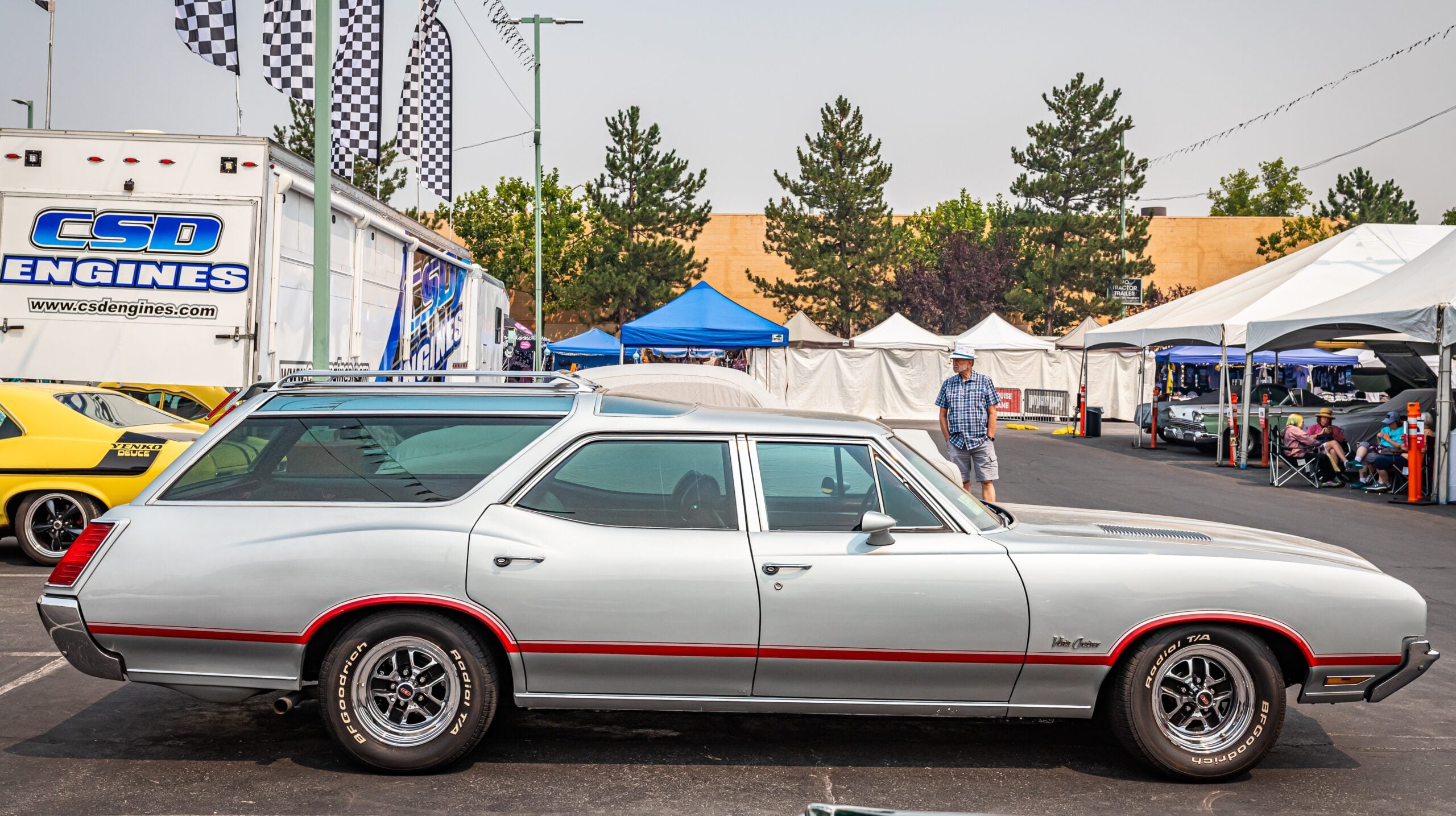
Most people remember the Vista Cruiser as the wood-paneled family wagon from That ’70s Show. Suburban driveways, road trips, teenage shenanigans. Not exactly the image most people associate with muscle cars.
However, some Vista Cruisers came with Oldsmobile’s 455 cubic-inch V8 under the hood. That’s serious big-block power in a long-roof package nobody expected to move with urgency.
Yes, it was a wagon. And yes, full-size cars tend to get dismissed in muscle car debates. But big displacement, rear-wheel drive, and factory performance hardware were all there. The formula didn’t suddenly stop working because the roof stretched a little longer.
It may not fit the narrowest rulebook definition, but when a family wagon can surprise you at a stoplight, it’s hard to say it missed the muscle memo.
Spirit Over Specifications
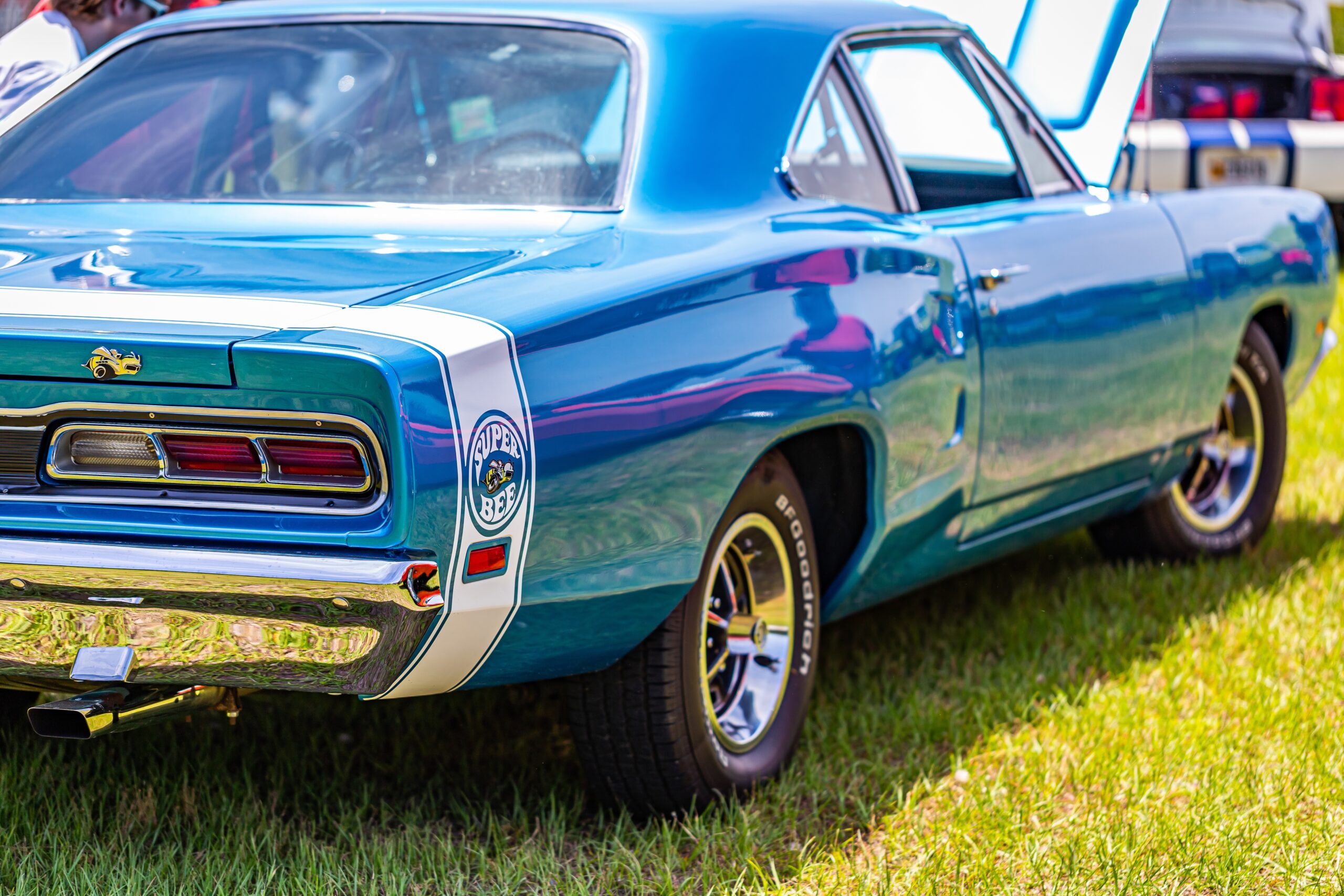
Now that I’ve thoroughly offended everyone by calling compacts, full-size cars, and even a wagon muscle cars, it’s your turn.
What muscle machines do you think get overlooked? The near misses, the gray-area cars, the ones that don’t quite fit the textbook definition but still deserve a little more respect.
Because if there’s one thing we can all agree on, it’s that the conversation is half the fun.
Please stop calling Dodge, Plymouth and Chrysler cars ‘Mopars’. Mopar is the parts division of The Chrysler Corporation. You never read about Fords or Mercury’s called ‘Autolites’ or GM products called ‘AC Delcos’. Please refer to the marques correctly and preserve their heritage.
We get the point—Mopar started as Chrysler’s parts division. That’s the literal definition.
But language in car culture doesn’t stay frozen at the corporate org chart.
For decades now, “Mopar” has been widely used by enthusiasts, collectors, auction houses, and even Chrysler itself as shorthand for Dodge, Plymouth, and Chrysler vehicles. It’s not a mistake, it’s accepted enthusiast nomenclature.
You’ll hear it at Mecum, Barrett-Jackson, in factory marketing, and in just about every muscle car conversation that isn’t trying to be a glossary.
We still name the marques correctly. Using “Mopar” alongside that isn’t erasing heritage, it’s reflecting how the community actually talks about these cars.
If anything, that shared identity is part of the heritag
What about the Chevy Nova SS. Awesome car with power.
I had a 1970 Dodge Charger with the 383.
Best friends family had the 1969 Coronet
I followed up with a 1971 Corvette with the 350.
You left the Corvettes out. Guess that was assumed.
All went straight. None did corners like the Porsche’s.
I think in spirit the Corvette certainly can hang out with the muscle car club, but If i included it in a list like this I would get nasty emails from people complaining its not technically a muscle car.