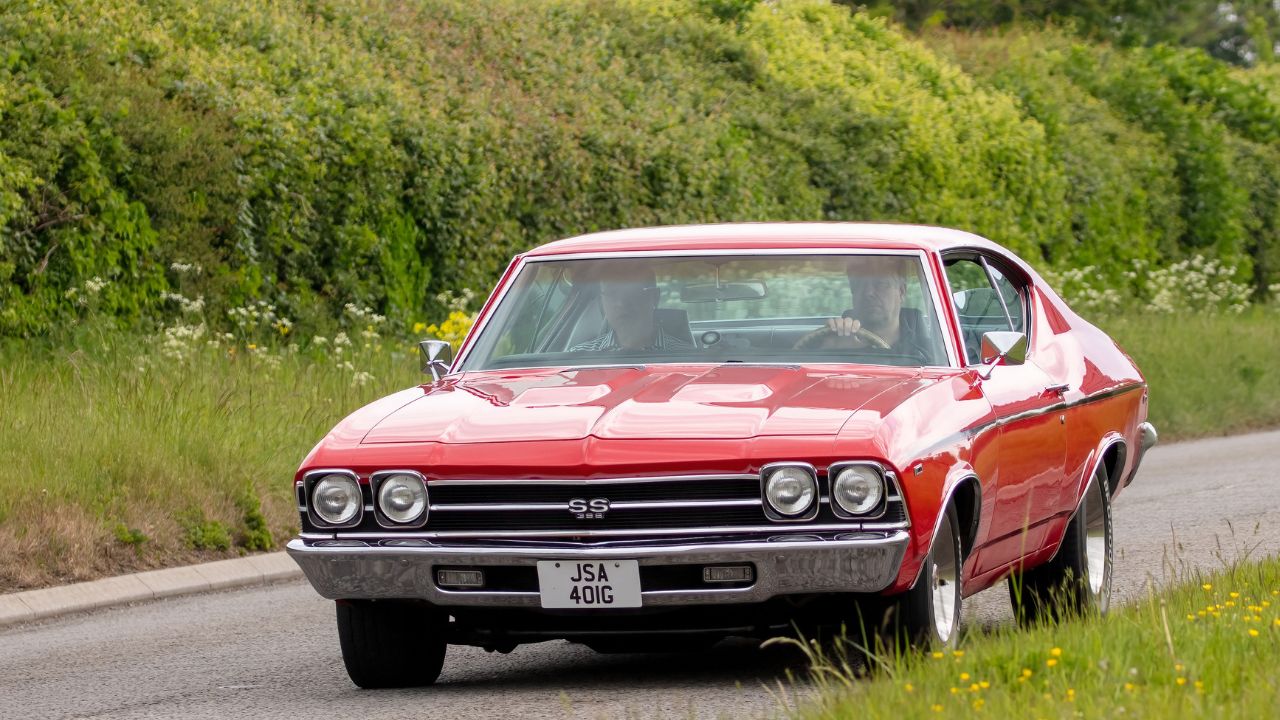
We all know the big names in American muscle. Still, other early models helped shape a revolution focused on speed and aggressive styling, not worrying over trivial things like “fuel economy” and “turning circles.” These beasts were designed for one thing, and one thing only: straight-line performance. They quickly became as central to American car culture as apple pie, baseball, and arguing about carburetors. Affordable power, often from massive V8s, and factory-built high-performance options made them highly desirable among drivers seeking excitement on the road, the kind of excitement that involved melting tires and terrifying grandmothers.
We often think of the monsters from 1970 that were determined to be the fastest on the quarter mile, no matter the cost (to the environment), but the muscle cars from the 1960s were first to the track. Not yet fully defined and not yet regulated, these muscle cars all brought something interesting and unique to the car scene, helping to shape and inspire the muscle cars that followed.
How We Ranked These Legends
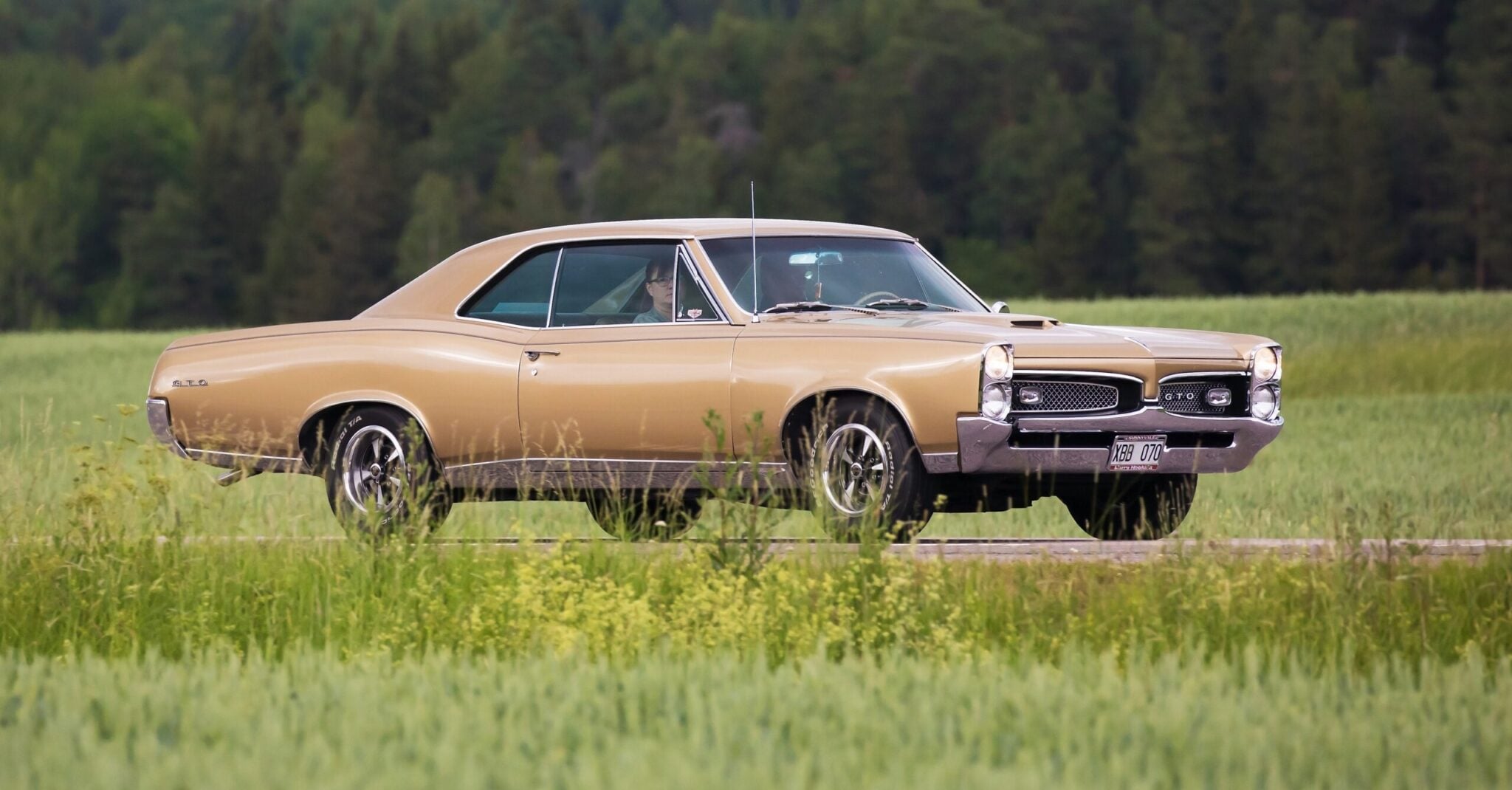
When we compiled this list, we focused on more than just raw quarter-mile numbers, though let’s be honest, those are pretty important when it comes to cars built to go fast in a straight line. While quarter-mile times and top speeds definitely influenced our picks, we also considered cultural impact (how many little kids dreamed about owning this car?), real-world street performance (could it actually embarrass your rich neighbor’s imported “sports car”?), and the reputation each car earned during its heyday.
And most importantly, did these muscle cars stand out? When I think of the word “quirky,” that doesn’t necessarily mean outlandish or crazy or unpopular. Instead, these are the muscle cars that weren’t afraid to push boundaries and do something different as they paved way for this new type of chrome beast. The result? A list that captures the very essence of 1960s muscle: power, personality, and performance, where it truly mattered most, usually from one red light to the next.
1964 Pontiac GTO

No list of ’60s muscle is complete without tipping a hat (or a burnout) to the car that started it all: the 1964 Pontiac GTO. Sure, muscle cars existed before it, but this is the one that slapped the segment into shape and handed it a leather jacket. The GTO, affectionately nicknamed “Goat”, started out as an option package for the Tempest, but what it offered was revolutionary: a 389 cubic-inch V8 with up to 348 horsepower in a mid-size car, all for a price the average hot-rodder could afford.
It was rebellious. It bent GM’s own rules. It sold like crazy. And it became the blueprint for every muscle car that followed. The GTO wasn’t about refinement; it was about giving working-class speed freaks a rocket they could take to work on Monday and race on Sunday. The original Goat didn’t just open the door for muscle, it kicked it off the hinges.
1966 Dodge Coronet HEMI
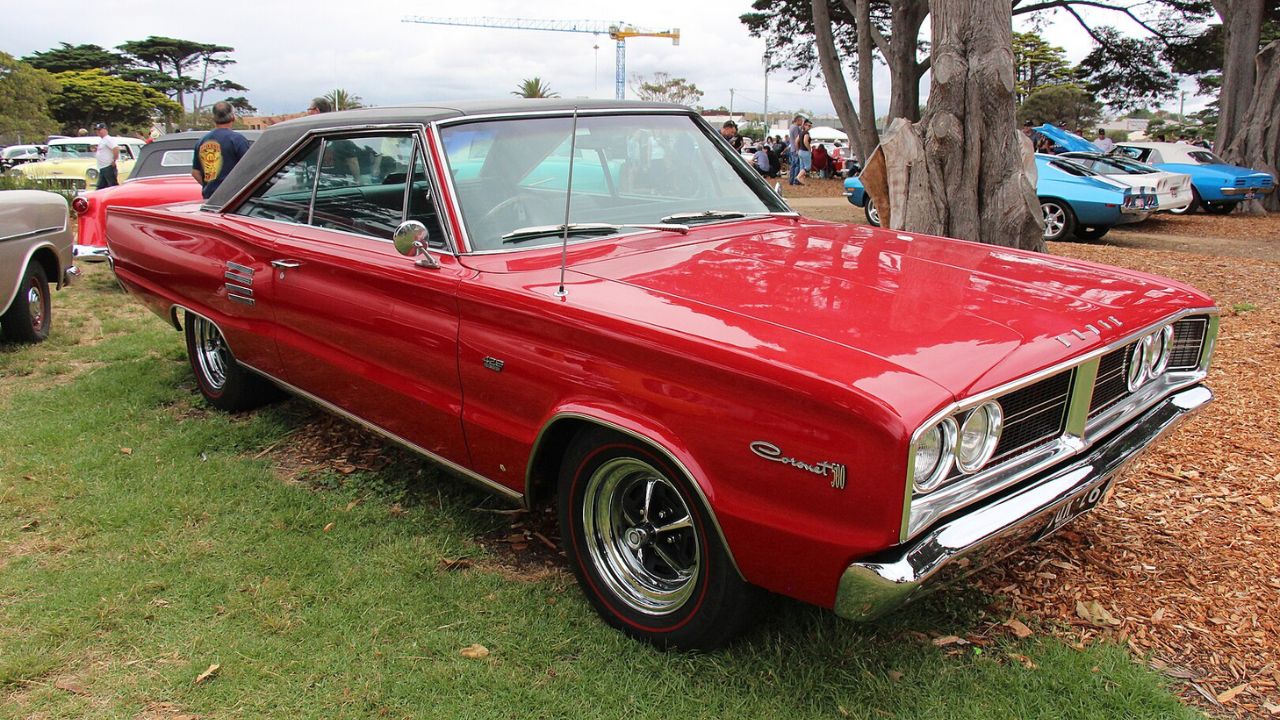
If the GTO was the cool rebel, the 1966 Dodge Coronet HEMI was the unhinged street brawler. Dodge didn’t waste time with subtlety, they stuffed the fearsome 426 HEMI into the Coronet’s mid-size body and created a muscle car that scared rivals and passengers alike. Officially rated at 425 horsepower, the HEMI was a fire-breathing monster that made it very clear who was in charge.
The Coronet HEMI was Dodge’s way of saying, “We’re not here to play nice.” With its understated styling and brutal straight-line performance, it was more weapon than car, perfect for dominating the drag strip or just absolutely ruining someone’s day at a stoplight. It wasn’t about comfort, and it sure wasn’t about fuel economy. This was raw, unapologetic performance, wrapped in a plain-Jane package. The Coronet HEMI was the muscle car equivalent of a sucker punch, and it landed every time.
1965 Buick Gran Sport

If muscle cars wore tuxedos, the 1965 Buick Gran Sport would be James Bond’s ride of choice. Built off the Skylark platform, the Gran Sport brought serious muscle to Buick’s reputation for comfort. Underneath its gentlemanly exterior lived a 401 cubic-inch “Nailhead” V8 producing a healthy 325 horsepower, though Buick slyly called it a 400 to stay within GM’s mid-size engine restrictions.
The result? A smooth, powerful bruiser that could run with the wild kids while keeping its cufflinks intact. It wasn’t the flashiest or the loudest, but it delivered big torque and surprising speed with a wink and a nod. The Gran Sport was the sleeper of the muscle car world, a refined assassin in a world of bar brawlers. Blink and you’d miss it, until it was already halfway down the strip.
1968 Dodge Hemi Dart
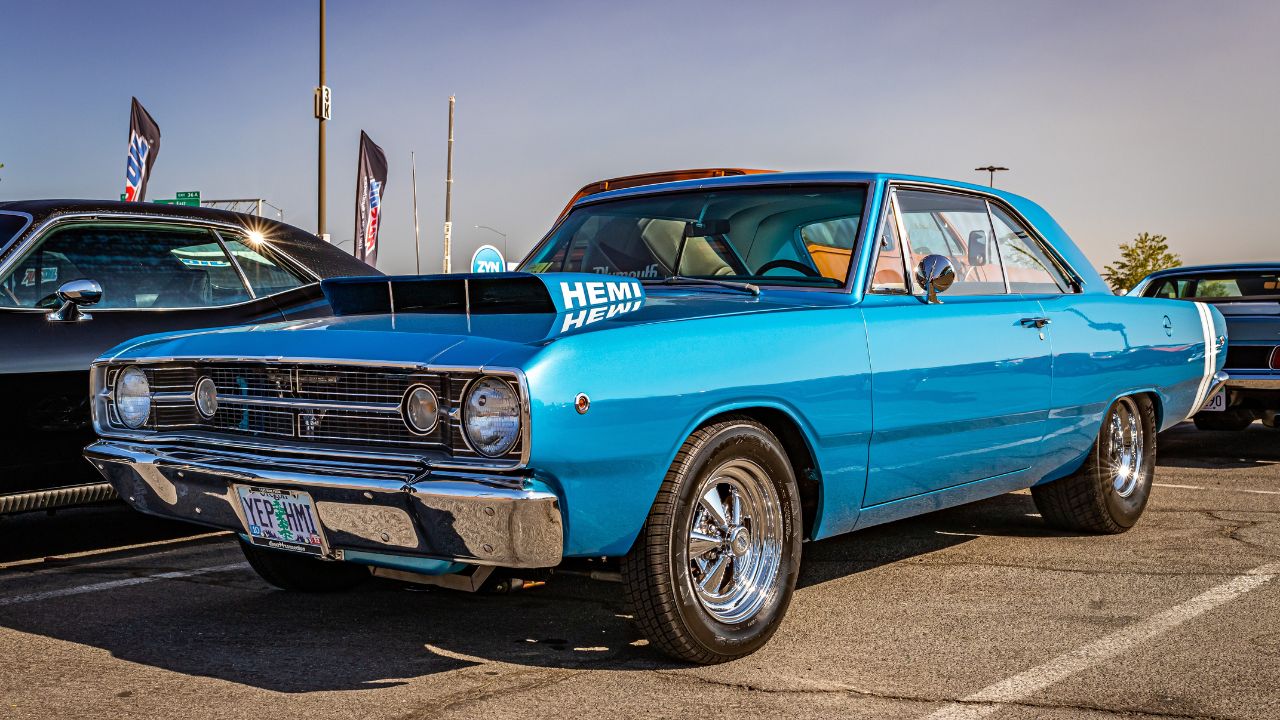
Few cars had the raw, uncompromising personality of the 1968 Dodge Hemi Dart. This wasn’t a car; it was a weapon. It was so single-mindedly focused on drag racing that it made other muscle cars look like luxury sedans. Stripped down to the bare essentials (no radio, no sound deadening, thin side window glass, fiberglass front fenders, and a fiberglass hood that looked like it swallowed a small refrigerator), it was built for one thing and one thing only: annihilating the quarter-mile.
Dodge made no attempt to hide its intentions; this was a factory-built drag racer disguised (poorly) as a street car. Powered by a race-spec 426 HEMI V8 (officially rated at 425 hp and widely regarded as underrated), it came with massive, unmistakable hood scoops that looked ready to swallow small children.
The quirk? It was a compact Dart, a car usually associated with sensible commuting, suddenly crammed with a beastly HEMI. The front fenders were famously so thin they’d ripple if you looked at them funny, and the battery was in the trunk to help with weight distribution. Still, on the strip, it was nearly unstoppable, capable of low-10-second quarter-mile runs in period drag trim, making it one of the quickest factory-built (or rather, “factory-finished”) cars ever. While it was about as comfortable for everyday driving as a medieval torture device, enthusiasts didn’t care.
They wanted bragging rights and a winner, and the Hemi Dart delivered those in spades, along with chronic back pain.
1968 Oldsmobile Toronado

The 1968 Oldsmobile Toronado might just be the weirdest muscle-adjacent car of the entire decade. Why? It was massive, front-wheel drive, and looked like it belonged in a 1960s spy movie. But underneath the futuristic styling was a serious powerhouse: a 455 cubic-inch V8 pushing out 375 horsepower and a monstrous 510 lb-ft of torque, enough to peel pavement, even through the front wheels.
The quirk? That front-wheel-drive layout. In a sea of rear-driven tire-shredders, the Toronado decided it was done with tradition and aimed to reinvent the game. While it wasn’t exactly a drag strip hero, it could roast the front tires into oblivion and cruise at high speed with eerie stability. Plus, it looked like nothing else, long, low, and mean, with hidden headlights and muscle car proportions that somehow worked despite its luxury leanings.
The Toronado was a wild bet by Oldsmobile, blending muscle performance with design straight out of a science fiction sketchpad. It may not have followed the rulebook, but it rewrote a few pages along the way.
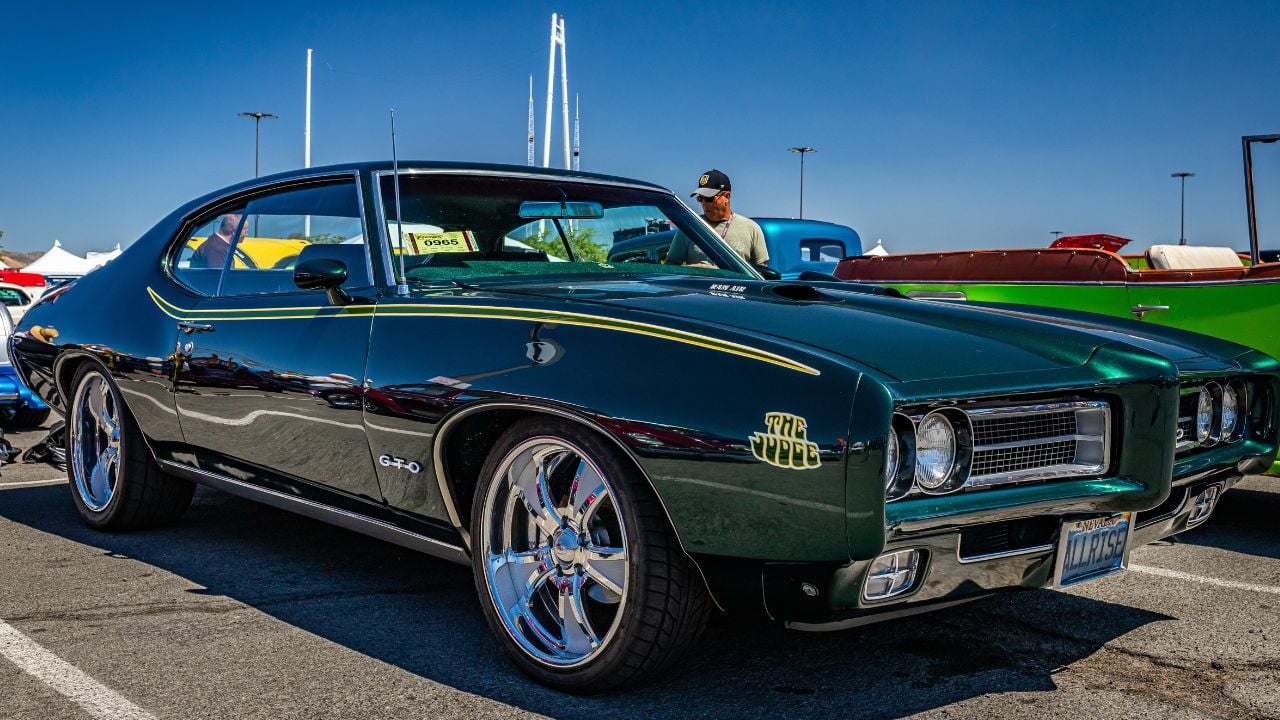
1969 Pontiac GTO The Judge

Pontiac’s GTO practically invented the muscle car movement, and The Judge was its boldest, most flamboyant, and arguably most fun expression. The quirk? Its name itself! Taken from a popular phrase on the Rowan & Martin’s Laugh-In TV show (“Here come da’ Judge!”), it was an unusual, pop-culture-infused marketing move that worked brilliantly. With its eye-searing “Carousel Red” paint (which was basically orange, but don’t tell Pontiac purists), flashy rear spoiler, unique multi-colored stripes, and functional Ram Air hood scoops, this car was designed to grab attention and win races, or at least look like it could.
What set The Judge apart was its unmistakable attitude. It wasn’t just fast; it was a fun, charismatic car that practically invited you to challenge it to a stoplight tango. Powered by the powerful Ram Air III (366 hp) or the even more potent Ram Air IV (370 hp) 400 cubic-inch V8, it could cover the quarter-mile in the high 13-second to low 14-second range depending on engine, gearing, and tires. It offered a less serious, more playful approach to muscle, proving that you could be a serious performer without being utterly stripped-down or overly serious. In an era filled with competitors, the GTO Judge stood out as a true original, a peacock in a field of pigeons.
You can practically hear it saying, “I’m here to party, and I brought the horsepower.”
1969 Dodge Charger Daytona

The 1969 Dodge Charger Daytona was not built for subtlety. It was purpose-built for extreme speed on NASCAR’s superspeedways, not for looking cool at the local burger joint (though it did that too, albeit bizarrely). Its main quirk was its utterly outrageous aerodynamic package: a massive, 23-inch-tall rear wing bolted directly to the rear quarter panels and a pointed nose cone that added 18 inches to the car’s length. This wasn’t subtle; this was a NASCAR prototype barely disguised for the street. Few cars of its era turned as many heads as this “winged warrior,” usually accompanied by dropped jaws and confused stares.
Born from the desperate need to beat Ford on the track, only 503 were produced for homologation purposes, making it incredibly rare. Underneath that outrageous aero lay a choice of a 440 Magnum V8 (375 hp) or the mighty 426 HEMI (425 hp). It was capable of speeds exceeding 200 miles per hour on the track and could blast through the quarter-mile in the low-to-mid 13-second range. Its combination of brutal performance and outrageous, alien styling made it unforgettable.
While not built for everyone (good luck parking that thing or seeing out the back), those who appreciated innovation and dominance fell in love with the Daytona instantly. It’s proof that sometimes, the weirdest, most audacious ideas are also the fastest.
1969 Plymouth Road Runner

The 1969 Plymouth Road Runner was designed to capture the raw essence of a muscle car without any unnecessary complexity, luxury, or fluff. Its primary quirk was its deep connection to the Looney Tunes character; it literally had a “beep-beep” horn that mimicked the cartoon coyote’s nemesis. Plymouth focused on affordability and performance, creating a model that appealed directly to drivers who wanted pure speed without the fancy features that drove up costs. Its simple interior, steel wheels, and no-frills design reflected this philosophy, a refreshing contrast to the increasingly flashy competition.
What truly defined the Road Runner was its strong performance relative to its price point. It delivered quick acceleration and dependable handling, making it a favorite for enthusiasts who valued straightforward power. With engine options like the 383 cubic-inch V8 (335 hp) and the legendary 426 HEMI (425 hp), a Hemi Road Runner could tear through the quarter-mile in the low 13s.
This practical, no-nonsense approach helped cement the Road Runner’s reputation as one of the most influential, and brutally honest, muscle cars of the era. It’s proof you don’t need fancy chrome or a plush interior to be fast, just a big engine and a fun attitude.
1969 Chevrolet Chevelle SS 396

The 1969 Chevrolet Chevelle SS 396 earned its reputation as one of the most recognized and ubiquitous muscle cars of the era. Chevrolet shrewdly positioned this model to deliver strong performance in a package that combined undeniable style with surprising practicality. Its bold exterior, twin-domed hood (often with functional cowl induction), and commanding presence helped it become a standout in a highly competitive segment, essentially making it the cool older brother of the Camaro, capable of hauling groceries and trophies.
Its quirk? The sheer variety of “396” engines, sometimes hiding even larger displacement. While called the “396,” various versions of the Chevelle SS actually came with engines ranging from 325 to 375 horsepower, with some late-year ’69 models even quietly packing a 402 cubic-inch V8 (still marketed as a 396 for continuity). Performance was its main appeal, offering quick acceleration and consistent reliability, making it popular among drivers who wanted a car capable of handling daily use while still delivering strong results on the strip (think mid-14-second quarter-mile times).
The Chevelle SS 396 remains a classic example of late-1960s muscle car design and engineering: big engine, simple car, endless fun. It’s the kind of car that just screams “America” loud and proud.
1966 Oldsmobile 442

The 1966 Oldsmobile 442 combined muscle with a surprising touch of maturity and sophistication, earning its place among the best of the decade. While other muscle cars were screaming about raw power, the 442 offered a more balanced approach, like a gentleman who secretly bench presses trucks. Its quirk? The “442” designation itself. It originally stood for 4-barrel carburetor, 4-speed manual transmission, and dual exhaust, clearly spelling out its performance intentions in a way that left no room for interpretation. For ’66, it got the mighty 400 cubic-inch V8, cranking out 350 hp (or 360 hp with the potent W30 option).
It delivered quick acceleration and strong, surprisingly refined handling for a muscle car, appealing to drivers who wanted more than just straight-line speed; they wanted a car they could actually drive every day without losing a kidney. What made the 442 special was its balance. It offered serious performance without going overboard on the juvenile theatrics, giving it a loyal following among enthusiasts who appreciated precision as much as raw power.
It’s the muscle car for the gentleman who occasionally likes to light up the tires, but prefers to do it with a bit of class.
The Legacy Lives On
The muscle cars of the 1960s were cultural milestones that embodied speed, freedom, and individuality. They were vehicles that made statements, often loud ones, about who you were and what you stood for (usually, “not going slow”). These beasts represented an era when raw performance ruled and automotive creativity flourished, setting the stage for decades of innovation, proving that sometimes, simply stuffing the biggest engine into a mid-size car is the best engineering solution.
Even now, their influence is felt in modern muscle cars and performance vehicles that strive to recapture that raw spirit. Collectors chase them with the fervor of treasure hunters, enthusiasts lovingly restore them (often spending more than the car is worth, bless their hearts), and car lovers worldwide celebrate their enduring legacy.
Each model on this list earned its spot by combining pure, unadulterated performance with an unforgettable personality and a unique quirk in a way few cars have since matched. They weren’t perfect, far from it, sometimes their handling was scarier than a horror movie, but perfection was never the point. It was about power, presence, and making a statement. As time passes, these cars continue to grow in value and legend, ensuring that the glorious, thunderous, tire-smoking muscle car era will never truly fade from memory.